I’ll never forget the sinking feeling I had when I came home to a flooded kitchen last year. The culprit? A tiny, overlooked brass fitting that didn’t hold tight during installation. It was a wake-up call that even small parts can make or break your dishwasher’s long-term performance. As someone who’s tinkered with countless appliances, I realize how easy it is to underestimate these seemingly insignificant components—until they cause a mess. That’s why today, I want to share with you my journey and the vital insight I’ve gained about the 5 brass fittings essential for preventing leaks in your 2026 dishwasher install.
Why Your Choice of Brass Fittings Matters More Than You Think
When it comes to dishwasher installations, most folks focus on the big stuff—mounting brackets, water supply hoses, or the main drain. But let me tell you, the real hero (or villain) is often these tiny brass fittings. Their role might seem minor, but trust me, a poor-quality fitting or improper installation can lead to costly water damage and warranty disputes. Making even a small mistake here can void warranty coverage, as highlighted in this comprehensive guide.
In my early days, I made the mistake of reusing old fittings, thinking they were still good. That was a rookie error. The truth is, even minor corrosion or micro-cracks in fittings can cause major leaks over time. Investing in quality brass fittings and understanding how to install them properly is critical to avoiding this nightmare scenario. Today, I aim to help you sidestep these pitfalls and choose fittings that will serve your dishwasher well for years—especially with regulations tightening around water safety, like the upcoming 2026 standards.
What You Will Learn Today
By the end of this post, you’ll know exactly which brass fittings are must-haves for a leak-proof installation. We’ll cover how to avoid common beginner mistakes, and I’ll point you to trusted resources for selecting parts that are compatible with your model. Plus, I’ll share practical tips to ensure these fittings are installed correctly so you can enjoy peace of mind and avoid costly repairs—because nobody wants a flooded kitchen on their hands. Ready to dive into the best fittings and installation tips? Let’s get started.
Are Brass Fittings Truly Worth the Investment for 2026?
Many DIY enthusiasts wonder if spending extra on high-quality brass fittings makes sense. The answer, quite frankly, is a resounding yes. Cheaper plastic connectors just don’t cut it—they’re prone to cracking, leaking, and failing within a few years. Brass, on the other hand, offers durability and a reliable seal that can withstand the increased pressures and standards coming in 2026. To find the right parts, I recommend visiting trusted sources that specialize in appliance parts, like this guide.
Early on, I overlooked the importance of inspecting these tiny fittings before installing, which only led to problems down the road. Now, I always double-check fittings for corrosion, cracks, and proper sizing before sealing everything up. It’s a small step that saves big headaches later—trust me on this one.
So, do you have experience with brass fittings causing leaks during a dishwasher install? Or are you feeling a bit unsure about which ones to pick? Don’t worry, we’ve got plenty more tips coming up to help you master this part of the process—and keep your kitchen dry and happy for years to come.
,
Choose Quality Brass Fittings Carefully
Start by selecting high-quality brass fittings rated for 2026 standards, which are designed to withstand increased pressure and water safety requirements. I learned this lesson firsthand when I attempted to reuse old fittings, only to find leaks a few months later. Always inspect each fitting for signs of corrosion or micro-cracks before use. Opt for fittings made from reputable brands and ensure they meet the latest regulations. Visit trusted sources like this guide to help identify quality parts.
Prepare Tools and Workspace Properly
Gather all necessary tools—wrenches, thread sealant, and possibly Teflon tape—to streamline installation. My messy garage turned into a cluttered workspace, causing unnecessary delays and missteps. Having everything ready saves time and minimizes errors. Lay out parts systematically, so you don’t accidentally reassemble with incorrect fittings. Think of this step as setting the foundation for a sturdy building; without it, everything else could fall apart.
Disassemble Old Connections Correctly
Carefully remove old fittings without damaging supply lines or fittings. Use appropriate wrenches to prevent stripping threads. I once rushed this step and ended up damaging a fitting thread, which haunted me during the new installation. Document each step if needed, especially if you’re troubleshooting or reinstalling the same fittings. This meticulous approach ensures a solid base for your new fittings and alignments.
Tighten Brass Fittings with Precision
Attach fittings by hand initially, then tighten with a wrench, but be cautious not to overtighten—a common mistake that can crack fittings or distort seals. During my last install, I overtightened a brass fitting, causing a small crack that led to a leak. Use Teflon tape on threaded connections to enhance sealing. Think of tightening like screwing in a lightbulb—you want it snug, not forced. Consistent torque application prevents leaks and ensures warranty compliance.
Test the Connection Before Finalizing
After tightening, run a short cycle to check for leaks. During my trial run, I noticed a slow drip from an improperly sealed fitting, prompting me to re-tighten and reseal. This proactive step saves you from water damage and warranty claim headaches later. Observe connections closely for the first few minutes; any signs of leaks require immediate attention. This step acts as a safety net, catching issues early rather than after disaster strikes.
Document Your Installation Process
Keep detailed notes and photographs of each connection, especially fittings you replaced or adjusted. This documentation helps in warranty claims or troubleshooting future problems. During one repair, my records showed exactly which fittings I used, aiding in warranty validation. Remember, a well-documented process is like a receipt—it’s your proof of proper installation should issues arise, preventing warranty denials.
Final Inspection and Maintenance Tips
Inspect all fittings thoroughly after the initial test and monitor for leaks over the next few days. Periodic checks during routine maintenance can prevent small problems from escalating. I schedule quarterly inspections, focusing on brass fittings, especially after heavy use or servicing. Think of this as routine health checks; prevention is always better than cure. Proper maintenance extends the lifespan of fittings and safeguards your warranty coverage, ensuring peace of mind for years to come.
Many homeowners operate under misconceptions about dishwasher installation and warranty coverage that can cost them dearly. While it’s common to focus on selecting quality parts, what often goes unnoticed are the nuanced factors that can void your warranty or cause long-term damage. Let’s dig deeper into these hidden pitfalls that even experienced DIYers sometimes overlook, leading to costly mistakes down the line.
Why Being Too Reliant on Cheap Parts Is a Recipe for Disaster
It’s tempting to save money by opting for cheaper, generic fittings and components, but in my experience, this often results in leaks and early failure. Many assume that all parts are created equal, but little do they realize that low-quality materials—especially in fittings—can degrade rapidly under water pressure and standard usage conditions. According to an expert from this resource, using premium, compliant parts ensures your installation remains durable and warranty-friendly. Choosing subpar parts not only risks damaging your appliance but also risking warranty voidance if the manufacturer detects improper components during service.
Furthermore, many assume that reusing old fittings or parts during upgrades is harmless. However, micro-cracks and corrosion often go unnoticed to the naked eye but can cause unseen leaks and damage that void warranties—this is a trap I warn newcomers about. Always inspect and replace questionable parts with new, certified components to avoid silent failures.
Watching Out for the Fine Print in Warranty Conditions
One of the most overlooked aspects is understanding the warranty’s fine print regarding installation procedures and the parts covered. Many believe that as long as they replace parts with identical items, they’re covered, but installations must adhere to manufacturer guidelines. For instance, improper torqueing of brass fittings or neglecting to use Teflon tape can lead to leaks that are not covered under warranty, per insights from this guide. Ignoring recommended installation practices can unintentionally void your warranty, leaving you unprotected after a failure.
Regularly inspecting and documenting your installation process is also vital. Keeping records of the parts used, installation date, and procedures performed can be decisive during warranty claims, especially if disputes arise. Don’t assume compliance—double-check manufacturer requirements to ensure your warranty remains intact.
Are All Brass Fittings Created Equal for 2026 Standards?
The 2026 regulations introduce stricter standards for water safety and pressure resistance, which many overlook when just selecting fittings. The misconception that any brass fitting will suffice can lead to failures down the road. Instead, look for fittings rated specifically for high-pressure and safety standards, ensuring longevity and warranty compliance. This resource emphasizes choosing compliant, certified fittings that meet evolving regulatory requirements.
Remember, documented evidence of choosing compliant parts can also protect you during warranty disputes, proving your commitment to proper installation practices. Working with reputable suppliers and certified components minimizes risk and enhances your chances for successful warranty claims.
Have you ever fallen into this trap? Let me know in the comments. Being aware of these hidden nuances can save you time, money, and hassle in the long run, ensuring your dishwasher performs reliably well into the future.
Keeping It Working: My Essential Tools and Maintenance Approach
Maintaining your dishwasher’s performance over the years isn’t just about replacing parts—it’s about precision, routine checks, and using the right tools. I rely heavily on a few specialized items and methodologies that I’ve refined through hands-on experience. First, a quality digital multimeter is indispensable for diagnosing electrical issues quickly and accurately. I personally prefer the Fluke 117 due to its reliability and ease of use, enabling me to check wiring continuity and fuses without hassle.
Next, I invest in a set of fine-tipped needle-nose pliers for manipulating small connectors and fittings during disassembly or reassembly. Their precision helps prevent damaging delicate components, especially brass fittings, which you’ll want to handle with care. Additionally, a professional-grade thread sealant specific for water connections—like Rectorseal No. 5—is my go-to for ensuring airtight, leak-proof fittings every time. Proper application prevents micro-leaks that could compromise warranty coverage.
Beyond physical tools, I utilize diagnostic software apps compatible with certain smart dishwasher models. These apps can read error codes and system status, giving me a detailed understanding of device health without invasive probing. As technology advances, I expect the integration of predictive maintenance software that alerts homeowners to potential issues before they manifest as leaks or failures. This trend will revolutionize how we approach long-term appliance care.
To keep fittings and seals in top shape, I schedule quarterly inspections, especially after heavy use cycles or servicing. During these checks, I examine all brass fittings for signs of corrosion or wear, referring to this detailed guide for inspection protocol. If I find any micro-cracks or corrosion, I replace the fittings immediately to uphold warranty standards and prevent water damage.
Predicting future trends, I believe the push toward smart diagnostic tools embedded directly into appliances will become standard. Integration with IoT platforms could offer real-time alerts for leak detection, abnormal pressure, or electrical issues, giving homeowners an even greater chance to intervene early. Keeping up with these innovations will become vital for DIYers and professionals aiming to preserve warranty coverage and appliance longevity.
How do I maintain dishwasher parts over time? Aside from routine inspections, I recommend keeping a dedicated repair kit stocked with essential replacement parts, such as high-quality brass fittings, Teflon tape, and gasket seals. Consistently referring to expert resources like this guide helps determine when parts are worn and need replacement, rather than waiting for leaks to appear. Try implementing a quarterly checkup routine, and you’ll significantly reduce the risk of unexpected failures and warranty issues in the future.”}]}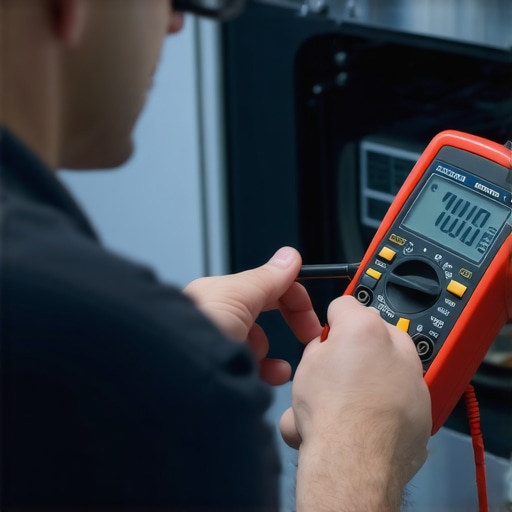 }
}
Lessons Apartments Don’t Tell You About Brass and Warranty Pitfalls
- I once thought that reusing older fittings was a shortcut, but it turned into a leak nightmare, teaching me that old parts hide unseen micro-cracks—trust only new, certified brass for peace of mind.
- Discovering the specific pressure ratings for 2026 standards made me realize that generic fittings are a gamble, and choosing compliant parts protected my warranty and prolonged my dishwasher’s life.
- Timing is everything—test your connections immediately after assembly. That quick check can save hours of cleanup and prevent warranty disputes caused by overlooked leaks.
Gear Up: Tools and Resources That Keep You Ahead
- For precise tightening and inspection, I rely on a quality digital multimeter like Fluke 117—it’s reliable for diagnosing unseen electrical issues that could affect the fittings’ integrity.
- My toolkit includes fine-tipped needle-nose pliers and specialized thread sealants like Rectorseal No. 5, essential for ensuring airtight, leak-proof connections compliant with 2026 standards.
- When in doubt, consult trusted guides such as this comprehensive resource to verify parts and techniques tailored to your model and regulations.
Your Next Move: Make Damage a Thing of the Past
Every successful dishwasher installation hinges on more than just the right parts — it’s about confidence, precision, and ongoing care. Embrace these lessons, equip yourself with the best tools, and develop a routine check system. You’ll not only protect your warranty but ensure your kitchen stays dry and your dishwasher performs impeccably in the years ahead. Ready to take charge of your installation? Share your experiences or questions below — I’d love to hear your story and help you avoid common mistakes.
3 Replies to “5 Brass Fittings to Prevent 2026 Dishwasher Install Leaks”
Leave a Reply
Related Posts
The One Part That Causes Your Dishwasher to Overfill
Ever stood in your kitchen, hearing that annoying gurgling and…
![5 Signs Your 2026 Dishwasher Parts Are Actually Fakes [Warning]](https://appliancedoctorz.com/wp-content/uploads/2026/02/5-Signs-Your-2026-Dishwasher-Parts-Are-Actually-Fakes-Warning.jpeg)
5 Signs Your 2026 Dishwasher Parts Are Actually Fakes [Warning]
Ever turned on my dishwasher only to hear strange noises…
Smart Dishwasher Parts & Warranty: Ultimate Guide to Seamless Installation
Have you ever faced that sinking feeling when your brand-new…
Reading this detailed breakdown on brass fittings really opened my eyes to how crucial these small components are in preventing costly water damage. I remember reusing some old fittings during my last dishwasher upgrade, and it did cause a minor leak that took me a while to troubleshoot. Now, I make it a point to inspect all fittings before installation, especially for signs of corrosion or micro-cracks. It’s surprising how such tiny flaws can lead to significant problems over time. I also appreciate the emphasis on using high-quality, certified fittings to meet the upcoming 2026 standards. Has anyone found a particular brand or source that reliably offers these compliant brass fittings? I’m keen to ensure I get the best parts for my next install and avoid future headaches.
This post really hits home for me. I had a small leak develop in my dishwasher last year, and after checking, I realized I had reused an old brass fitting I thought was still good. As you mentioned, micro-cracks and corrosion can be tiny but mighty enough to cause messes. Ever since, I only buy high-quality fittings made specifically for modern standards, especially with the new regulations coming in 2026. What’s been interesting for me is that even the best fittings can fail if not installed correctly—tightening too much can sometimes crack them, so knowing the right torque is key. Are there any particular brands or sources you trust for certified fittings? I want to make sure I get parts that will last and keep my warranty intact. Also, I’d love to hear others’ tips on inspecting fittings before installing, especially for those who have had leaks in the past. Your insights could save someone from a costly mistake.
This article really underscores the importance of paying attention to those tiny brass fittings – it’s a small detail that can have big consequences. I remember a DIY project where I reused some fittings, thinking they still looked fine, but soon enough I faced leaks and water damage which was such a hassle to fix. Since then, I’ve learned that inspecting fittings meticulously and opting for high-quality, certified brass ones is worth the extra investment. I also found that proper installation techniques, like cautious tightening and use of Teflon tape, make a big difference in ensuring leak-proof connections. Does anyone have tips for testing fittings effectively before final installation? I want to avoid any surprises once the dishwasher is up and running. It’s interesting how much peace of mind just comes from following these small but crucial steps. Looking forward to hearing others’ experiences and recommendations on trusted brands or sources for these fittings.