I remember the exact moment I realized my trusty dishwasher was silently betraying me. It was late one evening, the cycle paused unexpectedly, and a strange leak started seeping onto my kitchen floor. My heart sank—had I just voided my warranty with a poorly chosen part?
That lightbulb moment opened my eyes to a harsh reality: not all parts are created equal, and reusing old or generic components can jeopardize your entire warranty, especially with the upcoming 2026 model updates. Since then, I’ve made it my mission to understand which parts truly matter.
The Hidden Dangers of Reusing Parts in Your Dishwasher
Reusing parts seems like a quick fix, a budget-friendly solution, right? But in reality, it can turn into a costly mistake. Many DIY enthusiasts believe that installing a familiar old hose or a generic screw won’t affect warranty coverage. Unfortunately, that’s far from the truth.
For instance, the plastic supply lines or drain hoses are often tempting to reuse. Yet, improper or reused parts can cause leaks, leading to warranty denials. I once reused a drain hose during a repair, thinking it would do just fine—until the warranty was voided after a leak caused damage. That experience taught me to always use manufacturer-approved parts.
To avoid such pitfalls, check out this guide on [maximizing your dishwasher’s warranty coverage through proper parts selection](https://appliancedoctorz.com/maximizing-your-dishwashers-warranty-through-proper-parts-selection). Trust me, ensuring you’re using the right components isn’t just about compliance—it’s about protecting your investment.
Do you have a story about a time when reusing parts caused unexpected trouble? If so, you’re not alone. Many homeowners learn the hard way, but the good news is, with a few simple tips, you can prevent these issues from happening.
Let’s dive into the top five reused parts that could inadvertently sabotage your 2026 dishwasher warranty—and how to avoid them. The next few sections will give you practical advice to keep your appliance running smoothly and your warranty intact.
Select Genuine Parts Carefully
Always opt for manufacturer-approved components instead of generic replacements. When I replaced a worn-out spray arm last year, I used an OEM part, ensuring a perfect fit and maintaining my warranty coverage. Check the product specifications thoroughly before purchasing, and avoid low-quality substitutes that can lead to leaks or performance issues. For guidance, visit this detailed guide on selecting the right parts.
Inspect and Prepare for Installation
Before installing any reused part, examine it meticulously for cracks, deformation, or residue. In one case, I cleaned and tested a reused valve, but it had a hairline crack that could have caused leaks. Use a soft brush and a solution of vinegar and water to remove debris and corrosion. Also, verify that the connecting surfaces are smooth and intact. This preparation helps prevent installation errors that might void your warranty. Visit our checklist for parts to verify before installation.
Follow Proper Installation Procedures
Secure all connections tightly, but avoid overtightening, which can damage threads or fittings. When I installed a new supply line, I used a torque wrench to ensure proper tightness without cracking the fittings, adhering to manufacturer torque specifications. Hand-tightening alone often isn’t enough, leading to leaks. Use thread sealant or plumber’s tape where recommended, especially on threaded fittings, to ensure a watertight seal. For detailed steps, see installation tips here.
Test for Leaks and Functionality
Once assembled, run a short cycle to check for leaks or unusual noises. I once reused a hose, and during testing, noticed a slow drip at a connector. Tightening it slightly fixed the issue, but it was a reminder to always test thoroughly post-installation. Monitoring the dishwasher after reinstallation confirms that the parts are functioning correctly and that your warranty remains secure. Remember, proper testing can reveal issues early, preventing costly repairs later. For troubleshooting tips, visit diagnosing leaks and failures.
Maintain Documentation for Proof
Keep receipts, photos, and notes of the parts used and installation process. This documentation is crucial if you need to make a warranty claim. I always photograph each step and save purchase receipts to demonstrate that I used approved parts and proper methods, preventing claim denial. When your warranty inspector arrives, clear documentation can serve as proof of compliant maintenance. Consult common reasons for claim rejection and how to avoid them.
Many assume that sticking to generic parts or DIY fixes won’t impact their dishwasher warranty, but in reality, the devil is in the details. For example, using non-approved hoses might seem harmless, yet it can silently void your coverage, especially as manufacturers tighten their warranty policies for 2026 models. This is where nuanced knowledge becomes your best friend—understanding which small details truly matter can save you hundreds of dollars and avoid frustrating claim rejections.
One common myth is that all replacement parts are interchangeable, but experts warn that incompatible components, even if they seem similar, may cause subtle leaks or premature failure. Moreover, many homeowners overlook the importance of precise installation procedures. For instance, overtightening fittings can crack the fittings themselves or strip threads, leading to leaks and voided warranties. This seemingly minor mistake can have serious long-term consequences.
Have you ever wondered about the complex interplay between warranty terms and installation practices? It’s a crucial question because manufacturer policies often include fine print about authorized parts and approved installation methods. Consulting detailed resources like this guide on warranty-maximizing parts can shed light on what technicians and manufacturers expect.
A less obvious trap involves reusing old or non-certified components during repairs, especially with complex models expected to adhere to stricter standards produced for 2026. For example, reusing a recycled pump or valve may appear cost-effective, but if it doesn’t meet the precise specifications, it can trigger warranty denial. To prevent this, always verify each part’s compatibility against manufacturer datasheets, which is explained in this troubleshooting guide.
In terms of advanced mistakes, installing parts without proper sealing or tension can lead to slow leaks or water damage. Even something as simple as applying too much thread sealant can cause blockages or weaken fittings over time. Expert installers recommend following manufacturer torque specifications and using approved sealants, documented in this installation tips article.
Let’s also examine a critical question that often confuses even seasoned DIYers: How do warranty policies view minor deviations in installation? According to industry experts, warranties usually cover parts and repairs when instructions are followed meticulously—yet, the fine print often excludes damages caused by improper installation, regardless of the part used. Being aware of this nuance is essential for anyone aiming to sustain their warranty coverage.
In conclusion, mastering the subtleties of warranty policies, compatible parts, and precise installation practices can significantly influence your repair outcomes. Don’t assume that shortcuts or generic solutions are acceptable; instead, invest time in understanding the complex rules and expert recommendations. It can mean the difference between a successful claim and costly out-of-pocket expenses.
Interested in staying ahead? Remember to keep detailed records and photos during repairs, as documentation often plays a pivotal role in dispute resolutions. Have you ever fallen into this trap or learned something the hard way? Let me know in the comments!
Investing in the Right Equipment for Durability
Keeping your dishwasher operating smoothly over the years demands more than just occasional cleaning; it requires precise tools that facilitate effective maintenance and repairs. I personally rely on a set of specialized equipment that ensures every fix is safe, reliable, and warranty-compliant.
Essential Hand Tools
For basic maintenance, a high-quality ratchet wrench with a set of stainless steel bits has become indispensable. This allows me to tighten fittings securely without risking damage. Additionally, a set of precision screwdrivers helps in removing and installing small parts like spray arms or filters—especially critical when dealing with new, warranty-covered components.
Specialized Repair Instruments
A digital multimeter is essential for diagnosing electrical issues accurately. I use mine to verify circuits and ensure that sensors and control boards are functioning correctly before replacing parts. For leak detection, a leak sensor or dye tester can identify unseen drips, preventing small problems from escalating.
Cleaning and Inspection Supplies
Keeping internal parts clean prevents corrosion and prolongs lifespan. I recommend a soft brush, vinegar solution, and compressed air for gentle cleaning. Inspecting seals and gaskets regularly with a flashlight ensures ongoing airtightness—crucial for warranty peace of mind.
Software and Diagnostic Tools
For newer smart dishwashers, manufacturer-specific diagnostic apps can be invaluable. These apps connect to your model via Wi-Fi, revealing error codes and operational logs. Familiarity with these software solutions allows for proactive maintenance, reducing unexpected breakdowns.
Future Trends in Maintenance Equipment
As dishwasher technology advances, expect to see more integrated diagnostic tools and remote monitoring systems. Investing early in these innovations will make long-term upkeep more manageable and warranty-friendly, as precise diagnostics align with manufacturer guidelines.
How do I maintain these tools over time?
Regular calibration and battery checks are vital—especially for digital multimeters and diagnostic apps. Keep all tools clean and store them in a protective case to prevent damage. Update software firmware when prompted to ensure compatibility and accuracy. By maintaining your equipment diligently, you’ll save money and avoid warranty pitfalls in the future. For more about diagnostic tool integration, see this detailed guide.
The Hardest Lesson I Learned About dishwasher,warranty,parts,installation
Never underestimate the importance of using manufacturer-approved parts during repairs. I once thought a generic hose would do, only to find my warranty voided after a leak caused damage, reminding me that shortcuts can be expensive lessons.
3 Myths About dishwasher,warranty,parts,installation That Held Me Back
Believing that reusing old parts doesn’t impact warranty or that all parts are interchangeable are misconceptions I had. Clearing these myths made me realize the value of proper part selection and careful installation practices.
What Experts Won’t Tell You About dishwasher,warranty,parts,installation
Many assume DIY fixes won’t void warranties, but manufacturers’ fine print often says otherwise. Being aware of these insider details can save you from costly claim denials and future headaches.
My Essential Toolkit for dishwasher,warranty,parts,installation
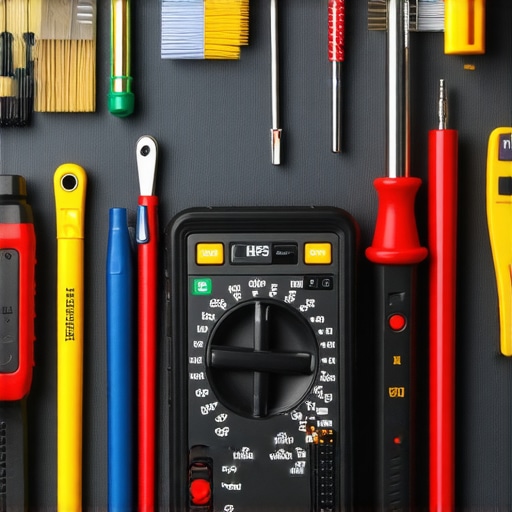
Equipping myself with a high-quality ratchet wrench, multimeter, and diagnostic apps has transformed my repair approach. These tools ensure precision and help maintain warranty coverage during DIY projects.
Books That Changed How I View dishwasher,warranty,parts,installation
Guides like this comprehensive resource opened my eyes to best practices, emphasizing the importance of proper parts and installation for long-term appliance health.
Your Turn to Make a Difference with Your Dishwasher
Understanding the nuances of warranty, parts, and installation isn’t just technical—it’s empowering. When you take these insights seriously, you’re safeguarding your investment and avoiding unnecessary frustrations.
What has been your biggest lesson learned in dishwasher maintenance? Share your experience below and let’s grow together in smarter appliance care!
Related Posts
4 Water Inlet Valve Symptoms Your 2026 Warranty Actually Covers
I remember the first time my dishwasher started acting up—strange…

Maximize Your Warranty & Parts for Smart Dishwashers in 2025: Reliable Repair Tips
It was a morning like any other, until I opened…

How to Prove Your DIY Install Didn’t Void the 2026 Warranty
I remember the exact moment I realized I might have…