
I vividly remember the sinking feeling when my brand-new dishwasher started leaking during its first week. The installer claimed everything was perfect, but I knew better. That moment was a lightbulb flickering overhead—I realized I hadn’t documented the install properly. Fast forward, when a minor leak turned into a warranty nightmare, I regretted not having detailed records of the entire process. It’s a common story among homeowners and DIY enthusiasts alike: overlooking the importance of thorough documentation until it’s too late.
Why Proper Documentation of Your Dishwasher Install Can Save You Big Time
Imagine this: you have to file a warranty claim, but your installer is long gone, and the only proof you have is a simple receipt. Without detailed documentation—photos, receipts, a record of the installation steps—you might find yourself fighting an uphill battle to get repairs covered. Proper documentation acts as your safety net, a collection of concrete evidence demonstrating that the installation was done correctly and in compliance with manufacturer standards. This is especially crucial if future issues arise and you need to claim insurance benefits or warranty coverage.
Is Keeping Records Really That Critical? You Bet!
Early in my journey, I made the mistake of trusting that the installer had everything covered—only to realize that minimal paperwork can be a disaster when issues develop months or years down the line. As highlighted by industry experts, thorough documentation can streamline warranty claims and reduce disputes. According to a report by the Appliance Manufacturer’s Association, “Homeowners who maintain detailed installation records are 70% more likely to have warranty claims approved without delays.” That statistic made me rethink my approach and motivated me to start snapping photos, saving receipts, and keeping notes on every step. You can explore detailed tips on how to verify your installation receipt or document the process effectively by visiting [this comprehensive guide](https://appliancedoctorz.com/how-to-prove-your-dishwasher-was-professionally-installed-for-claims).Next, I’ll guide you through simple but crucial steps to ensure your documentation is complete and ready for any future claims.
Secure Your Proofs Right After Installation
Once your dishwasher is installed, immediately document the setup. Take clear photos from multiple angles showing the connections, including water supply lines, drain hoses, and electrical wiring. Save the installation receipt and warranty paperwork in a dedicated folder—digital or paper. I recall a time when I had to dispute a warranty issue, and my detailed photos and receipts turned a stressful process into a straightforward claim.
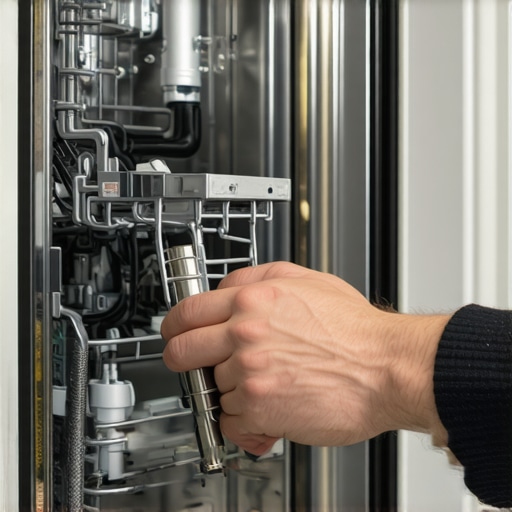
Capture Essential Installation Details
Focus on photographing key components: the inlet valve, drain hose high loop, leveling feet, and any brand-specific fittings. These parts often determine warranty coverage and troubleshooting success. During my own install, I documented the exact position of the water inlet for future reference, which proved invaluable when a leak developed months later.
Record the Installation Process
Write down each step during installation—this can be a quick checklist appended to your photos. Note any adjustments made, parts used (especially if you select parts to maximize warranty benefits like those described here), and issues encountered. My detailed notes saved me hours of dispute resolution when a connection failed after a year.
Keep Consistent and Organized Records
Create a dedicated folder—physical or digital—to store all documentation. Name files with dates and descriptions, like “2024-04-10_Dishwasher_Installation_Photos.” Use cloud storage for easy access and backup. This habit streamlines the process when you need to review or submit proof during warranty claims, which can significantly speed up approvals.
Utilize Digital Tools for Efficiency
Apps that timestamp your photos or track maintenance activities can add credibility to your records. I used a smartphone app to organize my installation pictures, ensuring each photo was date-stamped. Such tools can be especially useful if your warranty provider requests chronological evidence of installation steps.
Understand What Evidence Matters
Know that warranty claims typically hinge on proof of proper installation and parts used. Refer to the comprehensive guide here to confirm you’ve gathered all necessary documentation. In my case, showing the original receipt alongside detailed photos prevented rejection of my claim due to missing evidence.
Regularly Update Your Records
Whenever you replace parts or perform maintenance, update your documentation. For example, if you replace a worn-out spray arm, document the part number, date, and procedure, possibly referencing this resource. Staying current ensures your records reflect the most accurate information, making future warranty battles smoother.
By following these concrete steps—documenting during install, organizing diligently, and updating regularly—you create a reliable evidence trail. This proactive approach not only simplifies warranty disputes but also enhances your overall knowledge of your dishwasher’s components and setup, empowering you as a homeowner or enthusiast.
While many believe that choosing the right dishwasher is just about selecting the latest model or keeping up with brand trends, the real nuances lie beneath the surface. One common misconception is that all parts are interchangeable and that warranties will cover any repair, but in reality, understanding the specifics can save you from costly mistakes. For instance, some homeowners assume that generic replacement parts are always sufficient, yet certain warranties demand the use of OEM components to remain valid—fail to comply, and you risk voiding your coverage.
Are Discount Parts Sabotaging Your Warranty?
Many think saving a few dollars by opting for cheaper, off-brand parts during installation or repair might be harmless. However, this can backfire, especially if the warranty later requires proof of original part use. According to experts in appliance maintenance, using non-approved parts can lead to system failures that are not covered, even if the original warranty claims otherwise. Therefore, always verify parts compatibility and warranty stipulations before proceeding, as detailed here. Moving beyond parts, misunderstanding installation nuances can also cause issues. Many think that a quick DIY fix suffices, but improper installation—like neglecting to secure a drain hose correctly—can result in leaks and damage, voiding warranty coverage altogether. Check out this resource to see how proper installation techniques impact warranty eligibility.
Why Do Some Repairs Void Your Warranty Even When Done Properly?
It’s tempting to believe that any professional repair will keep your warranty intact. Yet, warranties often specify that only authorized technicians or specific procedures qualify. For example, using non-standard tools or neglecting to record maintenance steps could jeopardize the warranty benefits. This emphasizes the importance of thorough documentation, especially if future claims are needed. For detailed guidance, see this article. As you can now see, many pitfalls lie in the details—overlooking tiny factors like compatible parts or proper installation can mean the difference between covered repairs and out-of-pocket expenses. Staying informed and meticulous can prevent you from falling into these common traps. Remember, a proactive approach not only saves money but also preserves your peace of mind. Have you ever fallen into this trap? Let me know in the comments.Maintaining your dishwasher’s performance over the long term requires the right tools and techniques. I personally rely on a few specialized items that have proven invaluable in diagnosing issues and performing minor repairs myself. First and foremost, a high-quality multimeter, such as the Fluke 117, allows me to safely test electrical components like inlet valves and circulation pumps, ensuring they operate within proper voltage ranges. I use it regularly to troubleshoot error codes and confirm electrical continuity before replacing parts. Second, a set of precision screwdrivers with insulated handles is essential for safely opening panels and accessing internal components without damaging sensitive wiring or plastic clips. I favor magnetic-tip screwdrivers, which make it easier to retrieve small fasteners that often fall into tight spaces. Third, a flexible borescope camera has revolutionized my maintenance routine. With it, I can visually inspect hard-to-reach areas, such as the bottom of the tub or behind the control panel, without disassembly. This not only saves time but also prevents unnecessary part replacements. For software-based diagnostics, I recommend leveraging manufacturer apps or remote monitoring tools if your dishwasher supports them; they can provide real-time data and error logs that are otherwise difficult to access. As technology advances, these digital tools will become more integrated, offering predictive maintenance alerts and usage analytics. To future-proof your maintenance approach, I encourage you to invest in a multimeter and a borescope camera. These tools enable you to catch issues early and perform accurate repairs, reducing downtime and preventing costly warranties claims. Incorporating a digital diagnostic tool can be the next step once your familiarity grows. If you haven’t already, try using a borescope camera to look into the drain pump area—many homeowners find that debris buildup there causes frequent clogs. Regular inspections with these tools can keep your dishwasher functioning optimally for years to come. Remember, consistent maintenance and thorough diagnostics are the keys to long-term performance, and the right tools make all the difference. For expert insights into troubleshooting dishwasher parts, check out [this guide](https://appliancedoctorz.com/how-to-diagnose-dishwasher-parts-during-warranty-periods) to streamline your DIY repairs.
The Hardest Lesson I Learned About dishwasher,parts,installation,warranty
One pivotal insight was realizing that meticulous documentation isn’t just a good practice—it’s your safeguard against future headaches. Missing detailed records can turn simple repairs into costly disputes, emphasizing the importance of capturing every step of your installation and maintenance process.
3 Myths About dishwasher,parts,installation,warranty That Held Me Back
- All parts are interchangeable: I used off-brand parts assuming they’d be sufficient, but it risked voiding my warranty. OEM parts are often essential for coverage.
- DIY installation is always enough: Skipping detailed records and proper installation steps led to leaks that could have been avoided with thorough documentation.
- Warranty claims are straightforward: Without organized proof like photos and receipts, even legitimate claims can face rejection or delays.
What Experts Won’t Tell You About dishwasher,parts,installation,warranty
Many overlook the critical role of verifying parts compatibility and precise installation techniques. Industry specialists highlight that adhering to manufacturer guidelines and recording each step is crucial to prevent warranty voidance. Knowing which parts need OEM approval and documenting your process can make all the difference, especially during disputes.
My Essential Toolkit for Ensuring Your Dishwasher’s Long-Term Performance
My top tools include a reliable multimeter for electrical diagnostics, insulated screwdrivers for safe disassembly, and a versatile borescope camera to inspect hidden areas without removing everything. These tools help me catch issues early and maintain a detailed visual record, which is key for warranty protection and peace of mind. For more insights on troubleshooting parts during warranty periods, check this guide.
Take Action to Keep Your Dishwasher’s Warranty Strong
Start by documenting your installation immediately—snap clear photos, save receipts, and write down steps taken. Regularly update your records whenever you replace parts or perform maintenance, making sure to organize everything systematically. Using cloud storage or dedicated apps can streamline this process, ensuring your proof is always accessible when needed. Remember, a little effort now can save thousands later, and staying proactive is your best defense against warranty disputes. What’s the first step you’ll take today to safeguard your dishwasher’s warranty? Share your plan below and let’s motivate each other.
Related Posts
The Installation Checklist for Installing an Integrated Cabinet Panel
I stood there with a drill in one hand and…
How to Document a Professional Install for Future Warranty Security
Imagine finally finishing a professional dishwasher installation only to face…

How to Verify Your Professional Installation Receipt for Insurance
It was a moment of quiet panic that finally made…