
I remember the moment it hit me—my dishwasher, a sleek modern machine, suddenly started acting up right after I installed a new one. The dishes weren’t getting spotless anymore, and I spent hours troubleshooting before realizing the real culprit was something I’d neglected: the filter. It was an eye-opener.
Why Your Filter Could Be Sabotaging Your Dishwasher’s Performance
If you’re like me, you might assume that installing and maintaining your dishwasher is straightforward—connect, run, forget. But the truth is, there’s a tiny part that plays a massive role in its efficiency, and many folks completely ignore it: the filter. Forgetting to check or clean this component can turn your shiny appliance into a stubborn, smelly problem.
In my early days, I made the mistake of neglecting the filter, thinking it was just a minor part. That mistake cost me not only time and money but also the frustration of dealing with recurring problems. The good news? Once I learned to prioritize and maintain this small piece, my dishwasher ran smoother and longer. Today, I’m here to share what I’ve learned with you, so you don’t make the same mistake.
Is the filter really that critical, or is it just another “DIY” task?
Many homeowners dismiss the filter as optional or overly technical, but trust me, it’s essential. Think of it as the gatekeeper that keeps debris from damaging your pump and spray arms. If it’s clogged or dirty, water won’t circulate properly, leading to dull or dirty dishes and even potential breakdowns. In fact, neglecting the filter can void parts of your warranty—something worth considering if your appliance is still under coverage. For a detailed breakdown, you can review what your warranty covers and what it doesn’t by visiting what your dishwasher warranty doesn’t cover.
My early mistake was thinking that regular soap and rinsing would suffice, but I learned that a simple clean of the filter can make a world of difference. If you’re unsure about how to check or replace your filter, I recommend consulting your specific model’s manual or checking out parts to check during installation. Proper maintenance now can prevent costly repairs later.
Understanding the significance of this small yet mighty part is the first step toward longer-lasting, more efficient dishwashers. Ready to dive into how to identify and clean your filter? Well then, let’s get started!
Locate and Access the Filter
Start by unplugging your dishwasher or turning off its circuit breaker to ensure safety. Open the dishwasher door and remove the lower rack. Look for the filter assembly at the bottom of the tub, usually near the spray arm. Depending on your model, you might need a screwdriver to remove a cover or hatch. Once accessible, carefully unscrew or lift out the filter component. My first attempt involved grasping and twisting vigorously, which risked breaking delicate parts, but consulting the manual top tips for installation saved me from unnecessary damage. Always handle these parts gently to prevent cracks or dislodging the assembly.
Clean the Filter Thoroughly
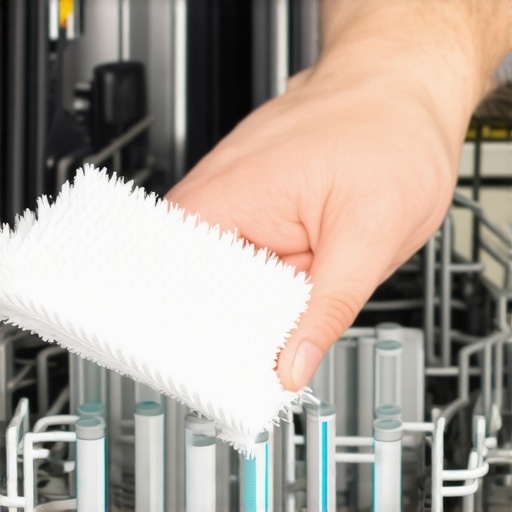
Remove debris, food particles, and grease from the filter using warm water and a soft brush or cloth. For stubborn buildup, soak the filter in a mixture of vinegar and baking soda for 15-20 minutes before scrubbing. This process dissolves mineral deposits and organic matter that can impede water flow. Remember, a clogged filter forces your dishwasher to work harder, much like trying to breathe through a clogged straw. Regular cleaning prevents this strain, extends the life of your machine, and keeps your dishes spotless. I once ignored this step until my dishwasher started leaving residues—after a thorough clean, it was like new again, and I avoided a costly service call.
Replace and Secure the Filter
Once clean, reassemble the filter by fitting it back into its original position. Turn clockwise to secure it firmly, but avoid overtightening, which can crack plastic parts. Double-check that it’s seated properly to prevent leaks during operation. If your filter has a locking mechanism, ensure it clicks or locks into place securely, similar to how a cap snaps onto a bottle tightly. Proper installation guarantees optimal water filtration and prevents debris from recirculating onto your dishes.
Integrate Routine Maintenance into Your Schedule
Set a reminder to inspect and clean the filter at least once a month, especially if you notice reduced cleaning performance or unpleasant odors. Incorporate this task into your regular kitchen cleaning routine to stay ahead of issues. Additionally, check your appliance manual parts to check for long-term performance for specific guidance on filter types and cleaning tips unique to your model.
Verify Your Warranty Status Post-Maintenance
After performing cleaning and maintenance, consider reviewing your warranty coverage to maximize benefits. Proper maintenance demonstrated through documented care can be a strong point when dealing with warranty claims, especially if a component needs replacement later. For more details, see maximize yourWarranty coverage. Keeping your filter clean not only safeguards your appliance’s performance but also helps you stay within warranty terms, avoiding unexpected costs down the line.
 Many homeowners operate under common misconceptions about dishwasher maintenance, installation, and warranty coverage, often leading to costly errors or overlooked nuances. Let’s dig deeper into these misconceptions, revealing the hidden nuances that can make a significant difference in your appliance’s performance and longevity.
Challenging the Myth That All Parts Are Created Equal
A widespread belief is that all dishwasher parts are interchangeable or equally covered under warranty, but this isn’t accurate. Many believe that replacing generic parts or third-party components won’t affect warranty status, yet manufacturers often specify original parts as necessary for warranty validity. According to expert advice on dishwasher warranty, using non-original parts can void your warranty, which many overlook until it’s too late. This misconception can trap you into paying for repairs that could have been covered.
Similarly, there’s a myth that installation is simple enough to skip professional help. While DIY installation can be straightforward for some models, ignoring detailed nuances—like ensuring proper water inlet heights or secure drain connections—can cause frequent leaks or cycle issues. The latest installation tips emphasize minor details that often cause major problems if missed. Skipping these steps or rushing through installation is a common mistake with costly repercussions.
Why Overlooking the Fine Print on Warranties Can Backfire
Many believe that their warranty covers every conceivable issue, but that’s a fallacy. Commonly, consumers assume that if a part fails within the warranty period, it will be replaced free of charge. However, warranty policies often exclude certain components, especially consumables like filters or seals. Reviewers of what your dishwasher warranty doesn’t cover reveal that neglecting routine maintenance can also void coverage, even if a part is technically still under warranty. Understanding these nuances can save you from denied claims and unexpected expenses. In fact, regular documentation of maintenance—like keepings photos of filter cleanings—can strengthen your position during warranty disputes.
Advanced Question for Detailing the Nuances
How does the quality of initial installation impact long-term warranty claims, especially concerning hidden issues like improper leveling or poor drainage? Experts like advice from industry professionals suggest that seemingly minor installation oversights can lead to complex internal damages, which might not be immediately evident but can invalidate warranty claims later. Ensuring a professional, precise installation aligned with manufacturer specifications is essential to safeguard your warranty and optimize performance. Have you ever fallen into this trap? Let me know in the comments.
Invest in Quality Maintenance Tools for Longevity
One of the most crucial aspects of ensuring your dishwasher remains in top condition is using the right tools. I personally swear by a set of precision screwdrivers with magnetic tips; they make removing and installing small screws, like those securing the filter or spray arms, a breeze without risking damage. A flexible inspection mirror is invaluable—allowing me to peek behind tight spots without dismantling everything, especially when checking for hidden leaks or corrosion. Don’t undervalue a quality multimeter; it helps diagnose electrical issues quickly, preventing unnecessary repairs and prolonging the life of your appliance. When selecting tools, opt for ones that are durable, ergonomically designed, and specifically suited for appliance repair, saving you time and reducing frustration.
Valuable Software and Diagnostic Apps
Beyond physical tools, I recommend keeping a copy of your dishwasher’s service manual and utilizing diagnostic apps tailored for appliance troubleshooting. Many brands now provide app integrations that can interpret error codes, offering quick insights into problems like faulty sensors or pumps. These digital aids streamline the maintenance process and empower homeowners to handle minor issues confidently, avoiding costly service calls. As technology advances, I predict more manufacturers will integrate AI-driven diagnostics within their apps, allowing real-time monitoring and predictive maintenance alerts, making appliance care even more proactive.
Long-Term Results Require a Consistent Approach
Regularly scheduled maintenance, combined with the right tools, ensures your dishwasher operates efficiently for years. my routine involves monthly filter cleans with vinegar and baking soda soak, alongside inspecting hoses and seals for wear. Recording service activities—like date-stamped photos of cleaned filters—can be beneficial if warranty issues arise; some manufacturers require proof of maintenance for warranty validity. Leveraging tech, such as setting calendar reminders or using maintenance tracking apps, makes this process seamless. Over time, you’ll notice fewer breakdowns, improved energy efficiency, and consistently spotless dishes.
How do I keep my dishwasher performing at its best over time?
Implementing a systematic maintenance plan—armed with high-quality tools and diagnostic aids—can drastically extend your appliance’s lifespan. I recommend starting with a comprehensive inspection of components like spray arms, filters, and door seals every three months. Always follow the manufacturer’s guidelines on parts replacement and warranty coverage; missteps here can void your warranty and lead to costly repairs. Remember, proactive care beats reactive fixes. For detailed parts coverage information, review the complete list of dishwasher parts covered by warranty. Setting up a dedicated maintenance schedule now ensures your investment continues to serve your household flawlessly.

For those keen on elevating their appliance care, I suggest investing in a digital leak detector or moisture sensor. These devices alert you to minor leaks early, preventing water damage and costly repairs. Trying out a high-quality sensor today can save thousands in potential damages and keep your dishwasher humming smoothly. As the industry evolves, expect smarter, integrated sensors that communicate directly with your smartphone, providing real-time updates. Staying ahead with the right tools isn’t just smart—it’s essential for modern appliance maintenance.
What I Wish I Had Known About Filter Maintenance and Warranty Savings
One of the most eye-opening lessons I learned is how a small oversight—like neglecting the filter—can lead to big problems and even void your warranty. I realized that understanding the nuances of warranty terms, especially regarding routine maintenance, is vital. For example, regular cleaning of parts like the filter isn’t just recommended; in many cases, it’s a requirement to keep your warranty valid.
Another insight is that the installation process, often underestimated, can have long-term impacts. Proper leveling and secure connections protect your warranty and prevent issues like leaks or poor performance. I found that investing a little extra effort into a precise setup pays off over years, avoiding costly repairs or warranty disputes.
Lastly, I discovered that many assume all aftermarket parts are equal, which isn’t true. Using original, manufacturer-approved components ensures warranty adherence and optimal performance. Being aware of these hidden details has transformed my approach from reactive repairs to proactive maintenance, saving me time and money.
My Toolbox for Dishwasher Excellence—Tools and Resources I Rely On
Equipping myself with quality tools has been essential. A set of precision screwdrivers makes removing filters and spray arms easier without risking damage. A flexible inspection mirror helps me see behind tight spots, ensuring thorough maintenance. A digital leak detector provides early alerts to leaks, preventing water damage and costly repairs.
On the knowledge front, I trust the official appliance manuals and reputable online resources like this comprehensive guide on warranty parts. They help me make informed decisions about parts replacement and warranty claims. Additionally, I keep a maintenance log, photographing each step and date, which proves invaluable during warranty reviews or resale.
Your Next Step Toward Confident Dishwasher Care
Taking control of your dishwasher’s longevity isn’t just about fixing problems—it’s about forming a consistent, informed routine. Your attention to small details like filter cleaning, proper installation, and original parts can dramatically extend appliance life and protect your warranty. Embrace the learning process, invest in the right tools, and stay proactive.
What’s the biggest detail you’ve overlooked in your dishwasher maintenance so far? Share your experiences below—I’d love to hear your story!
,
Related Posts
Why Using Cheap Pods is Clogging Your Upper Spray Arm
I remember the exact moment I realized my dishwasher was…

The Hidden Filter Most Homeowners Never Clean
It happened to me fast. I opened my dishwasher after…
The Best Way to Clean the Hidden Filter Under the Spray Arm
I'll never forget the sinking feeling in my gut when…