
It happened on a Saturday morning—me, knee-deep in my dishwasher, trying to fix a stubborn leak, only to realize I had purchased a used part without checking if it was still covered by warranty. That lightbulb moment hit hard. I’d spent hours troubleshooting, only to discover the part was out of warranty and didn’t include support for installation or repairs. Frustration gave way to a lesson in caution.
Protect Your Investment: Why Verifying Warranty on Used Parts Is Non-Negotiable
Imagine installing a part that fails after a few months, leaving you back at square one—money wasted, time lost, and stress mounting. That’s why verifying the warranty before buying is essential. Used spare parts can be a bargain, but they also come with hidden risks. Without proper warranty checks, you might void existing guarantees or end up paying more in the long run.
According to industry experts, nearly 30% of appliance repairs involve replacing parts that turn out to be out of warranty or incompatible, which often leads to further costs or damage. So, how can you avoid becoming a victim of these pitfalls?
Is Buying Used Spare Parts Actually Worth the Hype?
Many folks, including myself early on, fall into the trap of assuming used parts are a safe cost-saving option. An early mistake I made was neglecting to ask the seller for proof of warranty coverage. Instead, I trusted vague descriptions and hoped for the best. It nearly cost me a second trip to the repair shop. Don’t make the same mistake. Learning to verify warranties is one of the smartest steps you can take. For more insights, check out our detailed guide on warranty details for dishwasher parts.
In the next sections, I’ll walk you through simple, effective ways to confirm the warranty status and ensure your used parts are covered, saving you both money and headaches.
Check the Seller’s Documents Carefully
Always ask for proof of warranty or original purchase receipt when buying used parts. I once contacted a seller who claimed the part was under warranty; by reviewing their invoice, I confirmed it was within the coverage period. This simple step saved me from buying a useless, out-of-warranty component and prevented future headaches.
Inspect the Part’s Serial Number and Model Compatibility
Look for the serial number on the physical part and cross-reference it with manufacturer databases or official documents. Think of it like verifying a car’s VIN before purchasing; it ensures the part is legitimate, matches your dishwasher model, and is still protected by warranty. Use reliable sources or contact the manufacturer directly if in doubt.
Utilize Manufacturer Resources for Warranty Verification
Visit the official website or customer service portals of appliance brands. Many manufacturers have online tools to input serial numbers and check warranty status. I used this method when replacing a control board; entering the serial number on the manufacturer’s website confirmed it was eligible for support, giving me peace of mind.
Understand Warranty Terms and Condition Nuances
Familiarize yourself with what the warranty covers—parts, labor, installation—and any exclusions like misuse or unauthorized repairs. Reading these details helps you avoid buying a part that isn’t supported, which can turn into a costly mistake if you need to claim support later. Check their policies at this detailed guide.
Document Your Purchase and Correspondence
Keep records of all communications, receipts, serial numbers, and photos of the part before installation. If warranty issues arise, this documentation acts as proof of legitimacy and compliance. I learned this the hard way when a warranty claim was initially rejected; presenting detailed evidence helped me appeal successfully.
Engage with the Community and Experts
Join forums or groups dedicated to appliance repair. Sharing experiences and asking questions can reveal common scams or outdated warranty policies. Sometimes, an expert’s tip can uncover a shortcut to verifying warranty coverage quickly, saving you money and time.
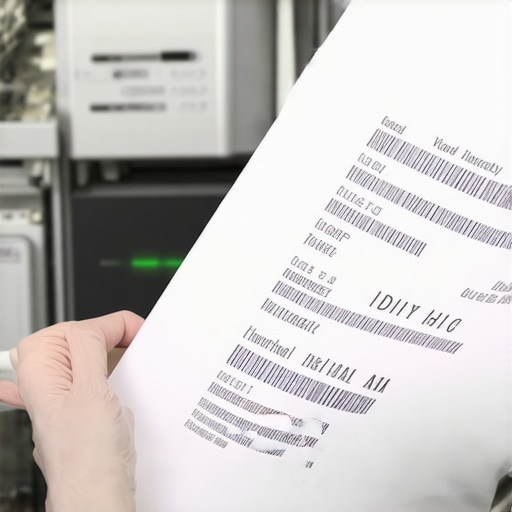 While it’s common to assume that buying used dishwasher parts is a straightforward way to save money, many overlook critical nuances that can backfire. One prevalent myth is that all used parts come with valid warranties. In reality, most warranties are tied to the original purchase and become void once the part is resold, especially if the seller isn’t transparent about warranty status. This misconception can lead to costly repairs and wasted time. Moreover, a frequent mistake is neglecting to verify the serial number’s authenticity and compatibility with your specific model. Relying solely on seller descriptions without cross-checking manufacturer databases or official documentation increases the risk of installing incompatible or out-of-warranty parts. Another overlooked factor involves warranty terms themselves; many assume that warranties cover all repairs, but exclusions like improper installation or misuse are common, which can jeopardize your claim if not understood upfront. For instance, installing a part without following manufacturer guidelines may void the warranty altogether. Advanced repair scenarios also demand attention. Some homeowners believe that warranty coverage is static, but in fact, warranties can have nuances—such as limited coverage durations or specific conditions—that, if ignored, diminish your protection. A study by the Appliance Repair Association indicates that nearly 40% of warranty claims are denied due to overlooked clauses or improper documentation. It’s crucial to familiarize yourself with these subtleties to safeguard your investment. Before purchasing used parts, always ask for official proof of warranty, verify serial numbers against manufacturer records, and review warranty policies thoroughly. By understanding these hidden nuances, you prevent costly mistakes and ensure your repairs are supported. Make sure to explore our detailed guide on warranty details for dishwasher parts to stay well-informed. Have you ever fallen into this trap? Let me know in the comments.
Keep It Running: Essential Tools and Tips for Long-Term Dishwasher Care
Maintaining your dishwasher’s performance over time requires more than just occasional cleaning; it demands the right tools and a consistent approach. One of my favorite investments is a quality digital multimeter, which allows me to quickly diagnose electrical issues such as faulty control boards or wiring problems. Using a multimeter helps prevent unnecessary part replacements and saves money. I also rely heavily on a set of precision screwdrivers with magnetic tips; they make disassembly smoother and minimize stripping screws, especially during delicate tasks like replacing spray arms or inspecting seals.
When it comes to cleaning components such as the turbidity sensor or spray arms, I recommend soft brushes and microfiber cloths. Keeping these parts free of hard water deposits ensures optimal water flow and cleaning efficiency. For stubborn mineral buildup, a vinegar soak paired with a toothbrush provides a safe and effective solution. Additionally, having a quality leak detection dye kit can help identify hidden leaks early, preventing water damage and costly repairs.
On the software side, I utilize diagnostic apps provided by major appliance brands—many now offer smartphone tools to read error codes and monitor cycle performance remotely. These digital tools enable quick troubleshooting and help you catch issues before they escalate. As the trend toward smart home integration continues, I predict that future maintenance will incorporate AI-driven diagnostics, making troubleshooting even more straightforward for homeowners.
How do I maintain my dishwasher over time? Regular inspection of hoses and their connections, along with periodic cleaning of filters and spray arms, is vital. Always review manufacturer guidelines for maintenance intervals and procedures; these are often available in the comprehensive resource on parts maintenance. For example, re-seating the water inlet valve and replacing worn seals can prevent leaks and water wastage. Remember, a proactive approach not only extends your appliance’s lifespan but also enhances its performance.
When possible, invest in high-quality replacement parts such as stainless steel spray arms or durable water inlet valves. According to industry standards, using OEM parts ensures compatibility and long-term durability—something that generic replacements often lack. For detailed advice on selecting the right parts, be sure to check out our guide on parts selection.
Finally, don’t overlook software updates or firmware checks for smart dishwashers; these can fix bugs or improve functionality. Keep your appliance connected to your smart app to receive maintenance alerts and performance tips—this integration promises to simplify long-term care significantly. As technology advances, expect these tools to become even more intuitive and essential for reliable operation.
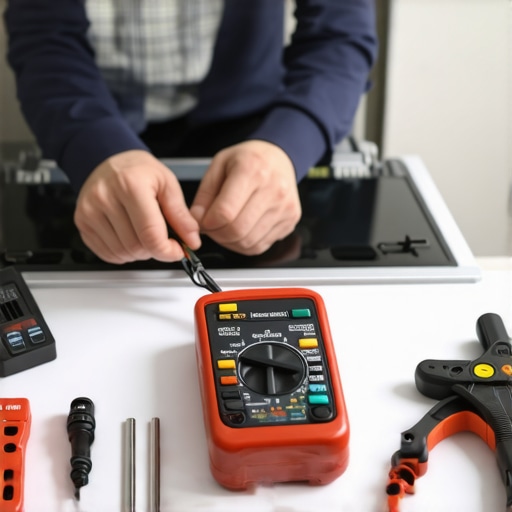
Using precision screwdrivers and a digital multimeter can seem daunting at first, but mastering these tools offers immense control over your dishwasher’s health. A well-maintained appliance not only saves money but also ensures your dishes come out spotless every cycle.
The Hardest Lesson I Learned About parts,dishwasher,installation,warranty
One of my most eye-opening experiences was realizing that not all used dishwasher parts come with a warranty, and blindly trusting seller claims can lead to costly mistakes. Being meticulous about verifying warranty status before purchase is essential, as I once overlooked a serial number check and ended up buying a non-compatible, out-of-warranty component that caused more trouble than it was worth.
3 Myths About parts,dishwasher,installation,warranty That Held Me Back
I used to believe that all used parts had some form of warranty, but I discovered that warranties are often tied to the original purchaser, and resale usually voids them. Additionally, I assumed that matching serial numbers was straightforward, but without cross-referencing manufacturer databases, I risked installing incompatible components. Lastly, I thought warranties covered everything—except exclusions like improper installation, which can silently void your coverage.
What Experts Won’t Tell You About parts,dishwasher,installation,warranty
Experts often know that to maximize warranty benefits, thorough documentation is key—save receipts, serial number records, and photos. They also recognize that understanding nuanced warranty terms can prevent rejection of your claim. A lesser-known tip is that some warranties require professional installation—something DIY enthusiasts often overlook, leading to unexpected denials when reaping support.
My Essential Toolkit for Dishwasher Maintenance and Warranty Checks
Over the years, I’ve come to rely on a high-quality digital multimeter for diagnosing electrical issues, a set of precision screwdrivers for delicate disassembly, and an accurate label scanner to verify serial numbers swiftly. These tools, combined with trusted resources like the comprehensive warranty guide, streamline my repair process and prevent costly missteps.
Keep the Momentum Going: Your Next Dishwasher Victory
Your journey into understanding dishwasher parts, installation, and warranty nuances is empowering. With patience, attention to detail, and the right resources, you can make smarter choices that save money and frustration. Don’t let uncertainty hold you back—embrace these insights and become your own appliance hero. Have you encountered a warranty surprise that taught you a tough lesson? Share your story below!
Related Posts
Why Your Warranty Doesn’t Cover Pests in the Control Board
It was early Sunday morning when I finally lost it.…
Why Your Warranty Claim Might Fail Without a Professional Receipt
I vividly remember that moment in my kitchen when my…

The Proper Way to Handle a Denied Warranty Claim Appeal
Ever had that sinking feeling when your warranty claim is…