
I remember the exact moment I realized I had made a rookie mistake that could have ended with a costly repair. I was knee-deep in a dishwasher installation, proudly saving a few bucks by reusing an old drain hose clamp. It seemed like a harmless shortcut, but within weeks, I faced a flooding nightmare. The leak was so bad it damaged my kitchen floor, and the repair costs quickly soared past $500. That lightbulb moment taught me the hard way—sometimes, small shortcuts lead to big expenses.
Why Reusing Drain Hose Clamps Can Backfire Big Time
If you’re tackling a dishwasher fix or installation, chances are you’ve come across the temptation to reuse existing clamps. It’s an easy choice—why buy new parts when the old ones seem fine? But what if I told you that this seemingly minor decision could void your warranty and cost hundreds in damages? The truth is, these clamps are engineered for a specific fit and tension. Reusing them often means risking leaks that silently worsen over time, leading to water damage, mold growth, and even structural issues.
The critical mistake I made early on was thinking all clamps are created equal. Not knowing that reusable clamps can degrade or lose their tension, I believed I was saving money. In reality, that decision set the stage for disaster. According to experts, poorly secured hoses can cause about 30% of dishwasher leaks, which can lead to expensive repairs and voided warranties. To avoid falling into this trap, I recommend checking out this comprehensive guide on installing parts correctly and ensuring long-term performance.
Are Reused Parts Actually Worth the Hype?
Trust me, I was skeptical at first. I thought, “Is it really that important?” Well, my experience proved otherwise. Reusing a drain hose clamp might seem like a tiny detail, but in the grand scheme, it’s an easy way to undermine your entire project. A small oversight like this can lead to significant costs, not just in repairs but also in the headache and stress from water damage. Avoid the mistake I made—invest in quality replacements and follow best practices for your dishwasher installation.
So, if you’re curious about how to properly secure your hoses and prevent leaks, stay tuned. I’ll walk you through the practical steps you need to take to avoid this hidden trap and keep your warranty intact, saving you money and trouble in the long run.
Choose the Right Parts from the Start
Begin by selecting high-quality, compatible parts for your dishwasher, especially hoses and clamps. Opt for stainless steel braided supply hoses instead of flexible plastic ones, as they resist kinks and leaks better. Use the top tips for selecting the right parts to ensure longevity and warranty compliance. During installation, double-check the model numbers and specifications to avoid mismatched components that could void your warranty.
Use the Correct Tools to Tighten Connections
Avoid Hand-Tightening
Likening your water line to a garden hose, if you overtighten, it can crack or damage the fitting. Always use a strap wrench or specific compression fitting tools to tighten connectors without excess force. I once used a pipe wrench—afterward, I noticed a tiny crack that later led to a leak, costing me repairs. Proper tools prevent overtightening, maintaining seal integrity and your warranty coverage.
Seal Fittings Without Teflon Tape
Many install guides advise avoiding Teflon tape on compression fittings, as it can interfere with proper sealing. Instead, lubricate rubber washers with a bit of plumber’s grease to create a watertight seal. Reusing old fittings or tape can cause micro-leaks that degrade performance over time. For detailed guidance, see this resource.
Secure the Drain Hose Correctly
Position the Loop at the Right Height
The drain hose must form a high loop—at least 20 inches above the floor—to prevent backflow and sewer gases. I once neglected this and experienced moldy dishes because water siphoned back. Measure carefully and avoid cheap plastic clips—use sturdy clamps that won’t slip or degrade. Proper placement ensures efficient drainage and preserves your warranty if plumbing issues arise.
Keep It Tight and Secure
Using adjustable clamps, tighten the hose connections evenly without overtightening. A loose connection can cause silent leaks, leading to water damage that might not be covered if improperly secured. Regularly inspect these fittings, especially if you notice water on the floor or moldy smells, which could indicate hidden leaks.
Test Before Finalizing Installation
Always run a test cycle after installing your dishwasher. Check all hoses and connections for leaks, especially around clamps and fittings. During my last install, I ran a short cycle and saw a tiny drip forming—a sign I had overtightened a clamp. Adjusting it promptly prevented water from leaking onto my hardwood floor, saving me money and maintaining my warranty eligibility.
Document Your Work
Keep detailed notes and photos of your installation process, particularly when replacing critical parts. This documentation can be invaluable if you need to file a warranty claim or prove your installation adheres to manufacturer requirements. Proper documentation also demonstrates your commitment to quality, which can support your case during service or warranty issues.
Many homeowners assume that installing a dishwasher is a straightforward process and that all parts are created equal, leading to complacency that can cost them dearly. In reality, the nuances involved in selecting, installing, and maintaining dishwasher components are far more complex than most believe. For example, a common misconception is that reusing old clamps or fittings is harmless—yet, this seemingly minor oversight can lead to silent leaks, water damage, and even voided warranties. Experts emphasize that using high-quality, compatible parts is crucial for long-term performance and warranty compliance.
Can You Truly Rely on Generic or Reused Parts Without Risks?
Contrary to popular belief, generic or reused parts often don’t meet the strict standards required for warranties and safe operation. Reusing a drain hose clamp, for instance, may seem cost-effective but can degrade over time, losing its tension and leading to leaks. Such micro-leaks might not be immediately visible but can cause mold growth, structural damage, or costly repairs. According to industry specialists, around 30% of dishwasher leaks stem from poorly secured hoses or cheap fittings, underscoring the importance of investing in quality components. For guidance, this resource offers detailed tips on selecting durable parts for your installation. Proper installation also involves understanding how features like secure connections and correct height positioning—such as forming a high loop for the drain—prevent backflow and sewer gases. Mistakes here are common and often overlooked, yet they can void warranties and cause bacteria buildup. For advanced readers, ensuring that your dishwasher’s electrical setup—like dedicated circuits—complies with manufacturer specifications is equally vital. Expert studies highlight that non-compliance increases the risk of damage and voids coverage, so consulting resources like this guide is recommended. Avoid the trap of assuming that all installation steps are universal; instead, follow detailed professional advice tailored to your model. Remember, even minor errors—such as overtightening fittings—can damage components or cause micro-fractures leading to leaks. Regular testing after installation helps identify issues early, preventing costly repairs later. Documenting your work, from photos to notes, not only aids in warranty claims but also demonstrates proper care and compliance. So, the next time you’re tempted to cut corners, ask yourself—am I overlooking the subtle yet critical details that protect my investment? Have you ever fallen into this trap? Let me know in the comments.
Maintaining your dishwasher’s performance over time requires the right tools and a proactive approach. As someone who’s navigated countless installations and repairs, I can confidently say that having specialized equipment at your disposal makes all the difference. For example, a strap wrench is indispensable for tightening fittings without risking damage—it’s my go-to tool when securing water supply lines, especially on delicate compression fittings. Unlike generic pliers, a strap wrench provides even pressure and prevents marring, helping preserve your warranty and ensuring a tight seal.
When it comes to inspecting and diagnosing issues, I rely heavily on a digital multimeter. Not just for electrical checks, but for testing continuity and detecting micro-leaks in fittings that might look sealed but have micro-cracks. Proper diagnostics saved me from unnecessary replacements and helped identify hidden problems early. Additionally, a diagnostic guide offers invaluable insights into interpreting these measurements, guiding effective repairs.
For routine maintenance, I recommend investing in a soft microfiber cloth and some gentle rubber-safe cleaner. Regularly wiping down door gaskets and visible seals prevents residue buildup and prolongs their elasticity. Discovering early signs of gasket fatigue or residue accumulation through visual inspection can preempt leaks, saving you from costly water damage or warranty disputes.
Looking ahead, advancements in digital diagnostics and smart tools are shaping the future of appliance maintenance. Devices that can connect to your smartphone to alert you about micro-leaks or filter clogging are becoming more accessible, making DIY upkeep even more feasible.
How do I keep my dishwasher working smoothly over the years?
One of my most effective ongoing strategies is to perform quarterly visual inspections of hoses, clamps, and seals, coupled with routine tests for leaks using a simple diagnostic approach. Additionally, replacing worn parts proactively—guided by manufacturer recommendations—helps prevent unexpected breakdowns. For example, replacing aging inlet valves before they fail can save you a lot of hassle and expenses. Regularly updating your tools and keeping abreast of new diagnostics tech ensures your maintenance skills stay sharp and your dishwasher remains in top shape.
If you haven’t already, try using a magnetic leak detector pen, which pinpoints tiny leaks before they become visible or cause damage. These simple yet effective devices are a game-changer in early leak detection, especially in hidden areas.
Remember, proper maintenance is an ongoing process. Setting a schedule and sticking to it with the right tools can extend your dishwasher’s lifespan significantly. To get started, review this guide on proper parts selection and overlay maintenance routines tailored for durability. Equip yourself with these tools, implement consistent checks, and you’ll enjoy trouble-free operation for years to come.
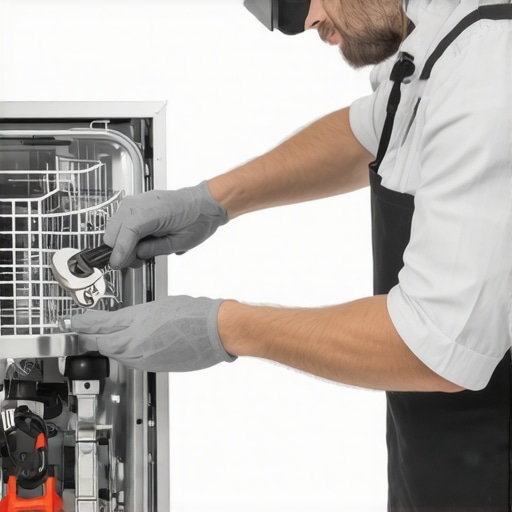
What I Wish I Knew Before Reusing Old Clamps
One of the most surprising revelations was realizing that not all clamps are created equal. Reusing an old clamp seemed convenient and cost-effective at the time, but I learned that material fatigue and loss of tension could silently lead to leaks. That tiny, overlooked detail could compromise warranty coverage and cause costly water damage. Trust me, investing in quality replacements from the start saves you enormous stress later.
How Overlooking Small Details Can Cost Big
During my early installations, I underestimated the importance of forming the perfect high loop and securing hoses tightly. Missing these details meant risking backflow issues and sewer gases seeping into my kitchen. The lesson? Precision and thoroughness in installation not only prolongs your dishwasher’s life but also protects your warranty and home from water mishaps.
Where Top-Tier Resources Make a Difference
Having trusted sources like this guide on installing parts correctly or this resource on warranty policies became invaluable. These expert opinions helped me avoid common pitfalls, select durable parts, and ensure my installation met manufacturer standards, ultimately safeguarding my warranty coverage.
Embrace the Power of proactive Maintenance
Regular inspections using tools like a digital multimeter or leak detection pens might seem trivial, but they keep my dishwasher performing optimally and catch tiny issues before they escalate. These proactive steps have extended the appliance’s lifespan and kept my warranty valid, proving that a little bit of preventative work pays off exponentially.
How Will You Elevate Your Dishwasher Care?
Understanding that meticulous installation and ongoing maintenance are key to performance and warranty protection has transformed my approach. Now, I see every component—like high-quality hoses and secure clamps—as an investment in peace of mind. Do you feel ready to implement these insights and prolong your dishwasher’s health? Share your experiences below or ask questions—I’m here to guide you toward smarter maintenance decisions.
Related Posts
Why Professional Leveling Is Critical for Door Seal Integrity
It was a quiet Saturday morning when I first experienced…
Why You Shouldn’t Use Extension Cords for Any Appliance
It was a Saturday afternoon, and I had just finished…

The Hidden Costs of Skipping Professional Installation Services
It was a morning like any other, until I opened…