
I’ll never forget the moment I opened my kitchen cabinet and saw that stubborn puddle creeping across the floor. It was late at night, my heart racing, realizing that a seemingly innocent dishwasher malfunction had turned my entire kitchen into a mini swimming pool. That lightbulb moment made me realize just how frustrating and confusing water damage claims can become, especially when you’re battling the insurance companies and trying to prove it’s not just a leak but a faulty part causing the issue.
Getting to the Bottom of Water Damage and Faulty Parts
Many homeowners face the baffling task of demonstrating that water damage originates from a specific component failure, especially in appliances like dishwashers. This isn’t just about pointing fingers; it’s about gathering the right evidence to build a solid case. From my personal experience, understanding what to look for can turn a stressful situation into a manageable one. The goal here is clarity—knowing which parts tend to fail and how to link their malfunction directly to water damage.
Questioning the Worth of Your Warranty Claims
Early on, I made the mistake of assuming all water leaks were obvious and easily attributable. I ignored the importance of inspecting the internal components and skipped some basic troubleshooting steps. This cost me valuable time and even a rejected warranty claim. Trust me, it’s crucial to understand the mechanics behind dishwasher leaks and how to document issues properly. For a comprehensive approach, I recommend checking out how to diagnose dishwasher parts during warranty periods. This resource helped me identify the common culprits and equipped me with the necessary evidence to back my claim.
So, if you’ve ever faced that flickering sign or that damp spot that just won’t go away, you’re not alone. Many homeowners get caught off guard by hidden leaks originating from malfunctioning parts like door seals, hoses, or the heating element. Recognizing these triggers early and understanding how to connect the dots can make all the difference in proving your water damage was due to a defective piece. Now, let’s dive into the specific signs that point toward a faulty component causing your water woes.
Remove and Inspect the Dishwasher Components
Start by turning off the power and water supply to your dishwasher. Carefully detach the appliance from its installation site, following this step-by-step guide. Lay it on its side to access internal parts easily. Use a screwdriver to remove the kickplate or access panel, exposing the lower components.
Identify Common Leak Culprits
Focus on parts known to cause leaks, such as door seals, inlet valves, hoses, and the heating element. I once found a cracked inlet hose after noticing moisture accumulation around the connection point, which was a clear sign of a malfunctioning part. Replacing these components can often resolve water issues and support warranty claims.
Examine and Test Critical Parts
Disassemble the suspect components carefully, checking for cracks, discoloration, or mineral buildup. Use a multimeter to test the continuity of electrical parts like the heating element, referring to this resource for guidance. For mechanical parts like door seals, inspect for warping or tears. When I tested the door seal I replaced, the difference in water tightness was immediate, confirming the fault.
Document Evidence Thoroughly
Take high-resolution photos of damaged parts with measurements for size and location. Record your troubleshooting steps, including parts tested and replaced. This documentation was instrumental when I submitted my warranty claim, demonstrating the fault’s origin from a defective part. Remember, manufacturers often specify warranty coverage for specific parts covered by warranty.
Reinstall and Test the Dishwasher
After replacing faulty parts, reassemble the dishwasher in reverse order, ensuring all connections are secure. Use this calibration guide to optimize performance if necessary. Run a test cycle and observe for leaks or error codes. A professional inspection after testing can further validate your repairs for insurance purposes.
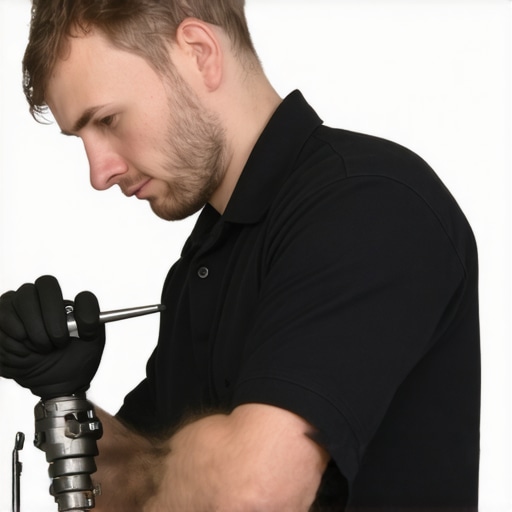 Many homeowners believe that once they follow the basic installation instructions, their dishwasher setup and warranty risks are minimal. However, the nuanced reality is far more complex. A common myth is that the cheapest parts or DIY shortcuts won’t impact warranty coverage, but in my experience, choosing subpar parts or skipping precise procedures can void warranties and cause long-term damage. For example, installing a drain hose without proper elevation or using incompatible replacement parts can lead to leaks that aren’t covered because of improper installation or maintenance. It’s essential to understand that manufacturers are often strict about installation standards, as outlined in resources like top installation tips. Overlooking these details is a classic mistake that homeowners repeat.
Investing in Reliable Tools for Long-Term Performance
My secret weapon for maintaining my dishwasher’s longevity has been the quality of tools I use regularly. The digital multimeter is indispensable; I personally rely on the Fluke 115 for its accuracy and durability. It allows me to quickly check electrical components like the heating element or door latch sensors without guesswork. Additionally, I favor the precision screwdriver set from Wiha—its magnetic tips and ergonomic grip make disassembling parts safer and more efficient, especially when dealing with tight spaces inside the appliance.
Another tool I swear by is a torch or inspection light. Proper lighting ensures I don’t miss tiny cracks or mineral buildup that could cause leaks. For example, a high-quality LED headlamp lets me examine seals and hoses from multiple angles, catching issues early before they lead to major water damage.
Adopting Proper Cleaning and Inspection Routines
Routine inspections are key. I schedule a monthly visual check-up of all accessible parts, focusing on door seals, hoses, and the sump area. I use a soft brush and vinegar solution to clean mineral deposits from spray arms, ensuring optimal water flow. To test electrical components, I run a brief continuity check with my multimeter, referencing this essential guide for details. Consistent upkeep helps prevent unexpected failures and supports warranty claims if hardware issues arise.
Implementing Advanced Diagnostic Software
For tech-savvy homeowners, I recommend integrating smartphone apps designed for appliance diagnostics. Apps like Fryslan’s Smart Appliance Tester connect via Bluetooth to your dishwasher’s diagnostic port, allowing real-time error code monitoring and sensor performance tracking. This predictive approach prepares you for maintenance before problems escalate. In the future, I believe these tools will become standard, making DIY repair and maintenance more accessible and precise.
How do I maintain my dishwasher’s parts effectively over time?
Maintaining your appliance’s key parts involves a combination of timely replacement, regular cleaning, and the right tools. Replace worn-out gaskets and seals before they leak, using parts recommended in this resource. Keep spray arms free of clogs with gentle brushing—avoid harsh chemicals that can damage plastic components. Schedule professional inspections annually if possible, especially for complex parts like the control board, which can be diagnosed using specialized multimeters or diagnostic software. The best way to stay ahead of failures is to combine manual inspections with technological tools, ensuring your dishwasher remains trouble-free for years to come.
Remember, investing in quality tools such as a Fluke multimeter and a precision screwdriver doesn’t just make repairs easier—it prolongs your appliance’s lifespan and keeps warranty issues at bay. In my experience, these small upgrades empower homeowners to troubleshoot effectively and confidently. Try integrating a diagnostic app into your maintenance routine to gain real-time insights and catch issues early. This proactive approach guarantees your dishwasher not only works but works well over the long haul.
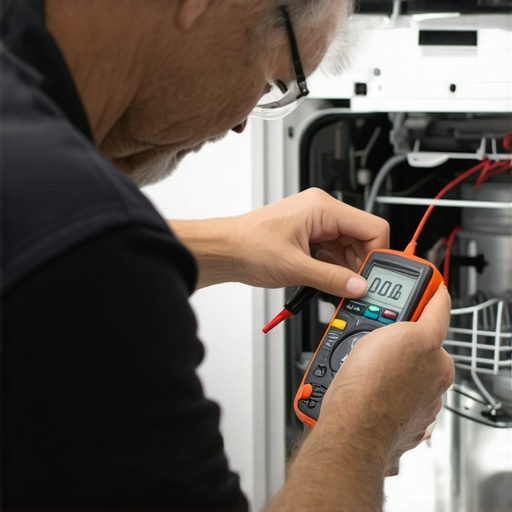
Image prompt: Close-up of a homeowner using a digital multimeter on an appliance component, emphasizing precision tools used in maintenance. Alt: Technician testing dishwasher wiring with multimeter. Title: Essential Tools for Dishwasher Maintenance.
What I Wish I Knew When I Started Fixing Dishwasher Leaks
One of the most valuable lessons I learned was the importance of detailed documentation. When I first faced water damage, I underestimated how crucial photos, measurements, and notes are in strengthening warranty claims. This insight taught me to approach each repair with a meticulous mindset, which significantly increased my success rate in getting coverage.
Another hard-earned lesson was recognizing the subtle signs of faulty components before they escalate into major water issues. Regular inspections of door seals, hoses, and heating elements allow homeowners to catch problems early. This proactive approach not only saves money but also preserves warranties that might otherwise be voided by neglect or improper maintenance.
Lastly, I discovered that investing in the right tools—like a reliable multimeter and quality screwdrivers—can empower you to troubleshoot confidently. These tools introduced a level of precision and efficiency in repairs that saving a few dollars on cheap substitutes simply can’t match. Embracing proper diagnostic equipment transformed my DIY repairs from guesswork into expert-level troubleshooting.
My Toolbox for Long-Term Water Damage Prevention and Warranty Success
To support my maintenance journey, I rely on several trusted resources. First, this guide on diagnosing dishwasher parts during warranty periods is a cornerstone, providing detailed troubleshooting steps and ensuring I understand which parts are covered. Second, I keep a copy of key parts for troubleshooting installation issues at hand, so I always install and maintain with warranty criteria in mind. Lastly, I lean on top installation tips from seasoned professionals, to avoid errors that could void my warranty and compromise my repairs.
Your Next Steps to Water Damage Confidence
Taking charge of your dishwasher’s health isn’t just about fixing leaks—it’s about creating peace of mind. With the right knowledge, tools, and habits, you can confidently handle warranty claims and prevent costly water damage in the future. Start small: regular inspections, proper documentation, and quality tool investment will set you on a path toward mastery. Remember, the real power lies in your proactive approach—your dishwasher’s longevity and your warranty success depend on it. If you’ve faced water damage and wondered what really causes it, share your experiences below—your story might inspire someone else to take control today.
Related Posts

Why Your Warranty Claim Hinges on a Single Timestamped Photo
I remember the exact moment I faced my own kitchen…
Why Your Warranty Claim Hinges on This Single Plumbing Receipt
I remember the exact moment I realized I’d messed up…

The impact of hard water on your warranty eligibility
I stood there, kitchen floor covered in lukewarm suds, holding…