Ever had that sinking feeling when your brand-new smart dishwasher starts acting up just weeks after installation? I remember the frustration all too well—spending hours troubleshooting, only to realize I overlooked something crucial about warranty coverage and parts compatibility. That lightbulb moment changed everything for me, and I want to save you the hassle.
Why Getting the Warranty and Parts Right Matters
When I first installed my dishwasher, I thought I could just follow the basic instructions and be done. But a few months in, I faced leaks and strange noises. Turns out, a simple misstep with parts selection or ignoring warranty details can turn a smooth install into a costly repair nightmare. If you’re like me, you want your investment to last and work reliably. The good news? With the right knowledge and a few expert tips, you can avoid those pitfalls entirely.
Have you ever faced a repair that could have been prevented?
Early on, I made the mistake of choosing generic parts without verifying their compatibility with my specific smart dishwasher model. That tiny oversight cost me a trip to the repair shop and weeks of inconvenience. Since then, I’ve learned that understanding warranty coverage and selecting the correct parts is essential for peace of mind and long-term performance. For a comprehensive overview, I recommend checking out this guide on dishwasher parts and warranty basics.
In this post, I’ll share practical tips to help you navigate warranty policies, choose trustworthy parts, and install your smart dishwasher with confidence. Whether you’re a DIY enthusiast or just want to understand the essentials, get ready to make smarter decisions that protect your investment and ensure lasting reliability. Now, let’s dive into what really matters when it comes to warranty and parts for your smart dishwasher.
Verify Your Warranty Coverage Before Starting
Start by reading your dishwasher’s warranty policy thoroughly. Look for specific details about parts coverage, installation requirements, and maintenance obligations. I once skipped this step and later faced a denied warranty claim because I used an incompatible part. To avoid this, visit this comprehensive guide for clarity on warranty essentials.
Choose Genuine and Compatible Parts
Selecting the right parts is crucial. Use trusted sources and verified parts lists to ensure compatibility. I remember a time I bought a generic water inlet valve that looked similar but caused leaks. After switching to OEM parts, my dishwasher ran smoothly for years. Think of it like fitting the right key into a lock—precision matters.
Diagnose and Inspect Parts Before Installation
Before installing, inspect each component for damage or defects. Use diagnostic tips to verify the integrity of critical parts such as the motor, pump, and sensors. During my last install, I discovered a cracked pump housing that could have caused a leak later. Catching issues early saves money and prevents warranty disputes.
Follow Proper Installation Procedures
Adhere to manufacturer instructions meticulously. Use professional installation tips to align and secure components properly. I once tried to shortcut this process and ended up with an uneven dishwasher that caused vibrations. Proper alignment is like tuning a guitar—small adjustments make a big difference.
Document Your Work and Keep Records
Take photos and keep receipts of all parts and installation steps. This documentation is invaluable if you need warranty service. I once had to prove I used OEM parts, which expedited my repair process significantly.
Test Thoroughly Post-Installation
Run your dishwasher through a complete cycle to check for leaks, noise, or errors. Use diagnostic techniques to identify potential issues early. During my last test run, I noticed a slight wobble caused by an unlevel installation, which I corrected before finalizing.
Maintain Regular Checks for Longevity
Regular inspections and timely part replacements ensure your warranty remains valid and your dishwasher performs reliably. Keep an eye on wear and tear indicators to catch issues early and prevent costly repairs.
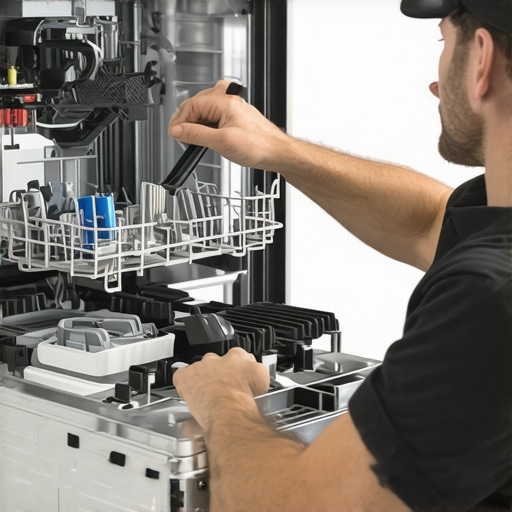
Many homeowners operate under misconceptions when it comes to maintaining their smart dishwashers, often believing that more affordable or generic parts will suffice, or that warranty policies are straightforward and always in their favor. However, these assumptions can lead to costly mistakes and voided warranties. Let’s dig into some of the most common pitfalls and reveal the nuanced truths that experts know.
Why Your Beliefs About Warranty Coverage Might Be Misleading
One widespread myth is that warranties cover all repairs and parts equally. In reality, warranty policies are often nuanced, specifying which parts are covered, under what conditions, and what might void the coverage. For instance, using non-approved parts or improper installation can quickly nullify your warranty. According to this detailed guide, understanding the fine print is crucial to ensure your repairs remain covered.
Moreover, many believe that warranty claims are automatic, but in practice, you must follow specific procedures, document everything, and sometimes even get pre-approval. Overlooking these precautions can leave you footing the bill for repairs that could have been covered.
Choosing Generic Parts Might Seem Cost-Effective, but It’s a Trap
Everyone says that generic parts save money, but in my experience, this often backfires. Generic or off-brand parts might look similar or even fit physically, but they rarely match the quality and compatibility standards of OEM (Original Equipment Manufacturer) components. Using inferior parts can cause leaks, sensor errors, or complete breakdowns, which might not be covered under warranty if they result from non-approved replacements. For a comprehensive understanding, check out this resource on selecting reliable parts.
Advanced Question: How Can I Ensure My Parts Don’t Void the Warranty?
For those looking to go beyond basics, the key is meticulous adherence to manufacturer guidelines and verifying parts compatibility before installation. This involves cross-referencing part numbers, choosing OEM or certified options, and keeping detailed records of all replacements and repairs. Experts emphasize that even seemingly minor deviations—like improperly installed sensors or using incompatible hoses—can compromise your warranty and lead to future failures. As noted in this guide, proactive verification and documentation are your best defense.
Have you ever fallen into this trap? Let me know in the comments. Remember, understanding these hidden nuances helps you make smarter decisions, saving money and extending the lifespan of your smart dishwasher.
Maintaining your smart dishwasher over time requires a mix of the right tools and a proactive approach. Over the years, I’ve found that investing in quality equipment not only simplifies troubleshooting but also extends the lifespan of your appliance. One of my go-to tools is a digital multimeter. I use it to accurately test electrical components like sensors and switches, which are often the first to fail. A reliable multimeter, such as the Fluke 117, has proven invaluable for diagnosing issues without unnecessary part replacements.
Beyond basic tools, I swear by a good set of screwdrivers—preferably magnetic and insulated—for safe and efficient disassembly. When working on delicate parts, I also keep a pair of precision tweezers handy to handle tiny screws and connectors. These tools help me avoid damage and ensure a proper fit during reassembly.
To keep the internal parts clean and functioning optimally, I recommend using compressed air to blow out dust and debris from vents and sensors. I also carry a small container of electronic contact cleaner to refresh switches and sensor contacts, which can become corroded over time. Regularly inspecting and cleaning these parts prevents unexpected failures and warranty voids.
Consistency in maintenance is crucial. I schedule a quarterly check-up, where I verify hoses, seals, and filters—especially the water inlet valve and drain pump. For long-term peace of mind, I also keep spare parts like O-rings and sensor caps on hand, following the advice from this guide on maintenance essentials.
Looking ahead, I believe the trend in dishwasher maintenance will shift toward smart diagnostic tools that connect directly to your phone. Imagine an app that alerts you to minor issues before they escalate, saving both money and downtime. As technology evolves, staying updated with the latest diagnostic software and firmware updates from manufacturers will become essential.
How do I maintain my dishwasher over time? I follow a strict routine—using the correct tools for each component, performing preventative cleaning, and keeping detailed records of repairs and part replacements. This approach not only helps me catch problems early but also ensures warranty coverage remains intact. I highly recommend trying out a multimeter if you haven’t already; it’s a game-changer for DIY diagnostics. For more detailed guidance, see this expert repair guide. Regular maintenance with the right tools will keep your smart dishwasher running reliably for years to come.
Lessons from the Trenches That Changed My Approach
One thing I learned the hard way was how crucial it is to verify every part’s compatibility before installation. I once replaced a water inlet valve with a generic model, thinking it would save me money, only to face leaks a few weeks later. That taught me to always cross-check OEM part numbers against manufacturer specifications. Another insight came from understanding that warranties often exclude damage caused by improper installation or non-approved parts—something I ignored initially, leading to voided coverage. Now, I document everything meticulously, from receipts to photos, which has saved me time and money during warranty claims. Lastly, I realized that regular proactive maintenance, like cleaning sensors and inspecting seals, extends the lifespan of my dishwasher and keeps the warranty valid. These lessons have made me more confident and helped me avoid costly surprises, and I want you to benefit from my experiences.
My Go-To Toolkit for Dishwasher Reliability
Over the years, I’ve curated a set of tools that make troubleshooting and maintenance more effective. First, a high-quality digital multimeter, such as the Fluke 117, helps me quickly diagnose electrical issues—saving me from unnecessary part replacements. Second, a set of magnetic, insulated screwdrivers makes disassembly safer and more precise. I also keep a pair of fine tweezers for handling tiny screws and connectors, which reduces the risk of damage during reassembly. For cleaning, I rely on compressed air to clear dust and debris from vents and sensors, and electronic contact cleaner to refresh switches and contacts. These tools, combined with a routine maintenance schedule, ensure my dishwasher runs smoothly and my warranty stays intact. Trust me, investing in the right tools can make a real difference in maintaining your appliance’s longevity.
Your Next Step Toward Confident Dishwasher Care
Now it’s your turn to take action. Embrace the knowledge that proper parts selection, adherence to warranty guidelines, and regular maintenance are keys to long-term reliability. Don’t wait for a breakdown to discover the importance of these steps—start today. With the right approach, you can enjoy a dependable dishwasher that serves you well for years to come. Remember, the more you learn about your appliance, the better equipped you are to protect your investment and avoid costly repairs. So, are you ready to apply these tips and become a smarter dishwasher owner? Let me know below if you’ve ever struggled with warranty or parts issues, and how you handled them. Your experience might just help someone else avoid the same pitfalls. Happy washing!
Related Posts
Is Your 2026 Dishwasher Warranty Valid? Check These 4 Parts
I still remember the moment I faced the dreaded leak…
Trusted Warranty & Parts Tips for Smart Dishwasher Repair Success in 2025
Have you ever found yourself staring at a malfunctioning dishwasher,…

Did You Sync the AI? Why 2026 Warranties Fail Without Cloud Logs
Imagine this: You're finally replacing your old dishwasher, feeling proud…