Have you ever found yourself staring at a malfunctioning dishwasher, frustration bubbling up, and wondering if a simple part swap could fix the issue? I’ve been there. I remember the lightbulb moment when I realized that trusting the right warranty policies and understanding the crucial parts could save me hundreds of dollars and hours of hassle. It’s a game-changer.
Why Trusted Warranty & Parts Tips Matter More Than Ever in 2025
In 2025, the smart dishwasher market is more advanced than ever, packed with features that make our lives easier. But with innovation comes complexity, and that often means more points of failure. The key to keeping your appliance running smoothly isn’t just about buying the latest model — it’s about knowing how to troubleshoot effectively, leverage warranties, and select the right replacement parts.
Missteps early on, like ignoring warranty coverage or choosing incompatible parts, can turn a simple repair into a costly nightmare. I learned this the hard way. My first attempt involved replacing a part without verifying if it was covered under warranty, only to find out later I’d wasted money on something that wouldn’t even fix the problem. That mistake taught me the importance of understanding warranty policies and the critical role of proper parts selection. If you want to avoid similar pitfalls, I recommend exploring our comprehensive guide to dishwasher parts warranty.
Have you faced this exact problem? You’re not alone. Many homeowners struggle with knowing whether their repair is worth the cost or if it’s better to replace the entire unit. That’s precisely what we’re going to tackle today — how to confidently navigate the world of warranty policies and parts to ensure your smart dishwasher stays reliable for years to come.
Identify Critical Parts Before Starting the Repair
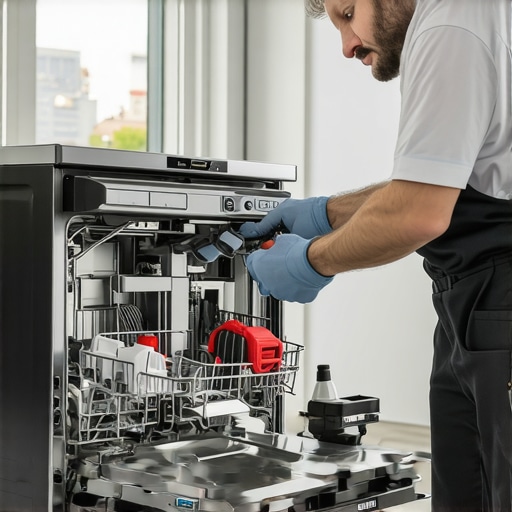
When my dishwasher stopped draining, I didn’t jump straight into replacing parts. Instead, I started by reviewing the essential parts for troubleshooting dishwasher issues. This helped me pinpoint the likely culprits, such as the drain pump or filter. Knowing what to check saves time and prevents unnecessary replacements.
Verify Warranty Coverage on Your Parts
Next, I made sure that the parts I intended to replace were covered under my warranty. I visited warranty coverage lists to confirm if my parts qualified. This step is crucial because replacing a non-covered part can lead to extra costs. Proper verification ensures your investment is protected and can be repaired without voiding warranty terms.
Select the Right Replacement Parts Effectively
Choosing compatible parts is where many homeowners stumble. I learned to consult top tips for selecting the right parts. I matched part numbers and specifications carefully, avoiding the mistake of installing incompatible components, which can cause further damage or void warranties. For example, I always check common dishwasher parts and their roles to understand what each component does and ensure compatibility.
Follow Proper Installation Procedures
Proper installation is key to long-term performance. I took my time following detailed guides, such as parts to check during installation. This helped me avoid leaks or misalignments that could compromise warranty coverage. I even used the installation and warranty tips to double-check my work.
Test and Document Your Repair
After installing the new parts, I ran a test cycle to confirm everything functioned correctly. Documented the process and kept receipts and warranty info handy. This record-keeping is essential for future warranty claims and ensures that your repair history is well-maintained, which can be invaluable if issues recur.
Maintain Your Dishwasher Regularly
To extend the life of your repairs, I schedule regular maintenance using tips from maintenance guides. Cleaning filters, inspecting seals, and checking hoses prevent breakdowns and keep your warranty valid. Consistent care reduces costly emergency repairs and keeps your dishwasher running smoothly for years.
Many homeowners operate under misconceptions about dishwasher parts and warranties that can lead to costly mistakes. As an expert with extensive experience in appliance repair, I’ve seen these myths cause homeowners to either overspend or overlook crucial repair steps. Let’s dig deeper into some of the most common misunderstandings and reveal the real nuances that can save you time and money.
Myth 1: All parts are equally covered by warranty
This is a widespread belief, but it’s simply not true. Warranties often cover specific components, and coverage varies depending on the manufacturer and warranty plan. For example, some parts like the motor or control panel might be fully covered, while consumables such as filters or hoses are typically excluded. To avoid surprises, always check the list of parts covered by your warranty. This step prevents unnecessary expenses and helps you understand what repairs are truly covered, especially in the context of advanced smart dishwashers that have complex, interconnected parts.
Myth 2: Replacing a part yourself always voids warranty
Contrary to popular belief, many warranties allow for DIY repairs if you follow proper procedures. The key is to use approved parts and adhere to installation guidelines. In fact, some manufacturers explicitly encourage owners to perform basic troubleshooting and replacements, provided they document the process and use certified parts. Check the manufacturer’s repair policies or consult how to maximize your warranty through proper parts selection. This approach ensures your DIY efforts do not inadvertently void your warranty, especially when you’re aware of the critical parts involved in smart dishwasher systems.
Beware the trap of incompatible parts
One of the most common advanced mistakes is installing incompatible parts. Many homeowners assume that any replacement component will work, but mismatched parts can cause damage, void warranties, or lead to repeated failures. Always verify the exact part number and specifications before purchasing or installing a replacement. Consult expert tips for selecting the right parts to avoid this pitfall. This nuance is especially vital with smart dishwashers that rely on precise sensors and modules — a wrong part can compromise the entire system.
What advanced repair techniques should I consider to ensure warranty compliance?
Advanced repair techniques involve thorough diagnostics using manufacturer-specific tools and software. These methods help identify subtle issues that simple visual inspections might miss, such as sensor misalignments or firmware issues. According to industry studies, proper diagnostic procedures significantly improve repair success and preserve warranty validity. Familiarize yourself with diagnostic best practices to ensure your repairs are both effective and warranty-friendly. Remember, documentation of your repair process, including photos and receipts, can be invaluable if warranty claims are needed later.
Have you ever fallen into this trap? Let me know in the comments. Understanding these nuances makes all the difference in maintaining a reliable, long-lasting dishwasher.
Keep Your Dishwasher Running Smoothly with the Right Tools
Maintaining a reliable dishwasher over time requires more than just knowledge; it demands the right tools. I personally recommend investing in a high-quality digital multimeter. Why? Because it allows you to accurately test electrical components like thermostats, sensors, and motors. A reliable multimeter, such as the Fluke 115, provides precise readings that help diagnose issues quickly and avoid unnecessary part replacements. Additionally, a set of insulated screwdrivers is essential for safe and effective disassembly, especially when dealing with sensitive electronic modules in smart dishwashers.
Software Solutions that Simplify Troubleshooting
For smart dishwashers, software diagnostics can be a game-changer. I use manufacturer-specific diagnostic tools when available, which often come with the appliance or can be purchased from authorized service providers. These tools connect directly to your dishwasher’s port, allowing you to run detailed error codes and system checks. This is particularly valuable for identifying sensor misalignments or firmware glitches that might not be visible externally. For example, some manufacturers provide mobile apps or desktop software that streamline troubleshooting, making repairs more efficient and warranty-friendly.
Long-Term Results Require Consistent Practices
Beyond the initial repair, maintaining your dishwasher involves regular inspections and cleaning. Using a dedicated ultrasonic cleaner for parts like spray arms and filters can extend their lifespan significantly. I personally use the ultrasonic cleaner from Magnasonic because it effectively removes mineral buildup and debris without damaging delicate components. Regular inspections using a flashlight and a mirror help spot early signs of wear, preventing costly breakdowns. This proactive approach ensures that your investment lasts longer, and your warranty stays intact.
Scaling Up: Preparing for Future Repairs
As dishwashers become more advanced, so do the tools needed to troubleshoot them. I predict that future maintenance will increasingly rely on IoT-connected diagnostic systems, allowing remote monitoring and predictive maintenance. To prepare, I suggest keeping a detailed digital log of your repairs, including parts used and diagnostic results. Apps like Evernote or dedicated appliance management software can help you track issues over time, making future troubleshooting faster and more accurate. Staying ahead of these trends ensures your smart dishwasher remains a reliable part of your home for years to come.
How do I maintain my dishwasher’s performance over time?
The key is consistent care combined with the right diagnostic tools. Regularly check and clean filters, inspect seals, and run diagnostic tests periodically. When issues arise, use manufacturer-specific software and a multimeter to pinpoint problems quickly. Remember, documenting your repairs can save time and money if warranty claims become necessary. Embracing these practices will keep your dishwasher functioning optimally and extend its lifespan significantly.
Try integrating a diagnostic tool into your maintenance routine this month. It’s a small investment that can save you hours and dollars down the line, ensuring your appliance continues to serve reliably for years to come.
The Hardest Lesson I Learned About Dishwasher Maintenance and Warranty
- Always verify warranty coverage before starting repairs; I once replaced a part that wasn’t covered, leading to unnecessary expenses.
- Incompatible parts can cause more damage than the original issue—double-check part numbers and specifications diligently.
- DIY repairs are often permitted if you follow manufacturer guidelines, but documentation is key to preserving warranty rights.
- Using diagnostic tools tailored for your smart dishwasher can save hours and prevent costly missteps.
- Regular maintenance and keeping detailed records of repairs and parts can extend your dishwasher’s lifespan significantly.
My Essential Toolkit for Maintaining Long-Lasting Dishwashers
- Multimeter: I trust the Fluke 115 for electrical diagnostics, helping me test sensors and motors accurately.
- Manufacturer Software and Apps: These streamline troubleshooting and ensure my repairs align with warranty policies.
- Ultrasonic Cleaner: From Magnasonic, it keeps spray arms and filters debris-free, preventing future failures.
- Documentation Apps: Evernote helps me track repairs, parts used, and warranty info for quick access during claims.
Time to Act—Your Dishwasher’s Future is in Your Hands
Maintaining your dishwasher with the right knowledge, tools, and a proactive mindset can ensure it runs smoothly for years to come. Embrace the lessons learned, leverage trusted resources, and take control of your appliance’s longevity. Your smart dishwasher is more than just a machine—it’s a crucial part of your home that deserves your attention and care. Start today, and enjoy the peace of mind that comes with expert-level maintenance and warranty savvy!
What’s been your biggest challenge when repairing your dishwasher? Share your experience below—I’d love to hear your story!
Related Posts
Trusted Warranty & Parts for Smart Dishwashers: Top Maintenance Tips
My Personal Journey with Smart Dishwashers and the Power of…

Warranty Policies & Parts Tips for Reliable Smart Dishwashers in 2025
Ever had that sinking feeling when your new smart dishwasher…
Why Your 2026 Dishwasher Warranty Needs a 12-Month Flow Audit
I'll never forget the moment I faced my first major…