Have you ever gone to load your dishwasher only to find it leaking, not draining, or just not cleaning like it used to? I’ve been there, frustrated and scratching my head, wondering why my trusty machine suddenly started acting up. Turns out, the culprit was often something as simple as a worn-out part or a shoddy installation. That lightbulb moment made me realize how crucial it is to understand the ins and outs of smart dishwasher parts and proper installation techniques. Because honestly, a little knowledge can save you hundreds in repairs and replacements down the line.
Why Proper Parts and Installation Matter for Your Dishwasher’s Longevity
When I first bought my smart dishwasher, I thought I could just plug it in and forget about it. But early on, I ran into issues—clogs, leaks, and error codes. It was then I discovered that many problems stem from using the wrong parts or skipping the critical steps during installation. A mistake I made early on was ignoring the manufacturer’s recommended parts and not checking if my installation met warranty requirements. That mistake cost me time, money, and the inconvenience of a dishwasher out of commission. Modern dishwashers are complex, with many interconnected parts that need to work seamlessly. Properly selecting quality parts and ensuring they’re installed correctly can make the difference between a dishwasher that lasts for years and one that breaks down prematurely. To help you avoid the same pitfalls, I’ll share some expert tips on choosing the right parts and installing them properly, which can be found in detailed guides like this comprehensive article.
Is Skimping on Parts Really Worth It
This is the biggest skepticism I hear from homeowners. “Can’t I just get away with cheap replacement parts?” Honestly, I tried that approach early in my journey. The answer is a loud no. Cheap parts often wear out faster, cause leaks, and void your warranty—an expensive lesson I learned the hard way. Reliable parts, especially those covered by warranty, ensure your dishwasher performs optimally and lasts longer. For a deeper dive into what parts are covered and how they can impact your warranty, check out this detailed list. It’s worth investing a bit more upfront to save big in the long run.
In the sections ahead, I’ll walk you through the essential steps to selecting the right parts, installing them correctly, and maintaining your dishwasher for years of reliable service. Because when it comes to smart dishwashers, knowledge truly is power—and durability.
Select the Right Parts to Ensure Durability
Choosing quality parts is like investing in sturdy building blocks for your dishwasher. I remember replacing a cheap spray arm with a high-quality one I found online. The difference was immediate: better water spray, fewer leaks, and no more error codes. Always verify compatibility with your model and opt for parts that come with manufacturer warranties. To streamline this process, consult guides like this detailed article which highlights essential parts for long-term performance.
Prioritize Warranty-Covered Parts
It’s tempting to buy the cheapest replacement parts, but in the long run, it’s a false economy. Reliable parts covered by warranty can save you money and hassle. I once installed a cheap valve that failed after three months, leading to a costly leak repair. Instead, I now focus on parts listed in this comprehensive list. Investing a bit more initially ensures your dishwasher runs smoothly for years.
Follow the Correct Installation Steps
Proper installation is the backbone of dishwasher longevity. I once skipped a step, ignoring the manufacturer’s instructions, and ended up with an uneven door seal that leaked. Now, I always follow detailed guides like this guide to ensure each part is seated and connected correctly. Pay special attention to water supply and drain connections, using the right tools for a snug fit. This reduces the risk of leaks and malfunctions down the line.
Double-Check Connection Tightness and Alignment
After installing the parts, I tighten all connections and realign the spray arms and filters. Loose or crooked parts are a common cause of poor cleaning and leaks. During my last upgrade, I used a torque wrench to ensure all fasteners were secured to manufacturer specifications. This simple step prevented any future issues and kept my warranty valid. If you’re unsure about torque settings, check this resource for expert tips on proper tightening techniques.
Test Before Finalizing Installation
Once everything is in place, I run a short cycle without dishes to check for leaks, strange noises, or error codes. During one test, I noticed a small leak from the inlet valve, which I promptly tightened. Running this test saves you from discovering issues after heavy use. Keep a close eye on water pressure and drainage during the test run. This step is crucial to catch problems early and protect your warranty coverage, as outlined in this detailed guide.
Many homeowners operate under a series of myths that can sabotage their efforts to maintain a reliable and long-lasting dishwasher. Let’s clear up some misconceptions and shed light on the nuances that often go unnoticed, especially when it comes to choosing parts, installation, and warranty claims. First and foremost, a widespread belief is that cheap parts are just as good as OEM or manufacturer-approved components. This couldn’t be further from the truth. Cheap, generic parts often wear out faster, cause leaks, and can even void your warranty if they lead to damage. In my experience, investing in quality parts, especially those covered by a warranty, is a smarter choice that pays off over time. To avoid costly repairs, check out this guide on selecting the right parts for longevity.
Another mistake many make is assuming that installation is a straightforward process that doesn’t affect warranty coverage. However, improper installation—such as incorrect water supply connections or misaligned spray arms—can lead to leaks, poor cleaning, and even warranty denial. It’s essential to follow detailed guides like this resource to ensure every step is done correctly. Remember, a proper install isn’t just about quick assembly; it’s about precision and adherence to manufacturer specifications.
Now, let’s address a common misconception: that all warranties are created equal. Many assume that as long as you buy your parts from a reputable source, you’re covered. But the reality is more complex. Warranty coverage varies significantly based on the part type, manufacturer, and installation quality. Some warranties only cover specific components, and improperly installed parts can void these protections entirely. For a comprehensive understanding, review this detailed guide on warranty policies related to dishwasher parts.
Lastly, a critical trap to avoid is the assumption that maintenance isn’t necessary once the dishwasher is installed. Regularly inspecting and replacing worn parts—like seals, filters, and spray arms—can prevent minor issues from escalating into major repairs. Many overlook this step, leading to unexpected breakdowns. Check out this article for tips on when to replace parts before they cause damage.
In conclusion, the key to a durable dishwasher lies in understanding that quality parts, precise installation, and thorough maintenance are interconnected. Don’t fall into the trap of cheap fixes or shortcuts; instead, invest in knowledge and proper practices. Have you ever fallen into this trap? Let me know in the comments.
How do I keep my dishwasher running smoothly over time?
Maintaining a smart dishwasher requires more than just periodic cleaning; it involves having the right tools and a systematic approach. I personally rely on a few key items that make troubleshooting and routine upkeep much easier. First, a high-quality multimeter is essential for diagnosing electrical issues. I use mine to check the continuity of wiring and test sensors—being able to quickly identify electrical faults saves me hours and prevents unnecessary part replacements. Second, a set of precision screwdrivers allows me to open panels and access internal components without damaging fasteners or trim. I prefer screwdrivers with magnetic tips; they make reassembly much simpler and reduce the risk of losing small screws. Third, a water pressure gauge helps ensure that the supply line maintains optimal pressure, which is crucial for proper operation. I’ve found that fluctuations in water pressure often cause leaks or incomplete cycles, so monitoring this regularly helps me catch issues early. Fourth, an ultrasonic cleaner is invaluable for cleaning spray arms and filters. I soak components in a vinegar solution to remove mineral buildup, ensuring consistent spray performance. Lastly, I recommend investing in a diagnostic software tool compatible with your dishwasher model, such as those provided by manufacturers or third-party developers. These tools allow for quick reading of error codes and system diagnostics, enabling targeted repairs rather than guesswork. For example, this guide explains how to interpret diagnostic data effectively.
Future trends in maintenance tools for dishwashers
Looking ahead, I believe the integration of IoT and smart diagnostics will become standard. Future tools will automatically detect issues and send alerts to your phone, possibly even scheduling maintenance or parts replacement automatically. As technology evolves, staying updated with manufacturer apps and firmware updates will be key to maintaining peak performance. To stay ahead, I recommend regularly checking for updates and using apps like this comprehensive resource on smart maintenance practices.
What’s the best way to ensure your dishwasher remains reliable?
Consistently using quality parts and following proper installation and maintenance routines are vital. I suggest setting a monthly schedule to inspect seals, filters, and spray arms, and replace worn parts before failure occurs. Remember, a proactive approach can extend your dishwasher’s lifespan significantly. Try implementing a regular cleaning routine with vinegar and baking soda to keep internal components free of mineral buildup. This simple step can prevent costly repairs and keep your warranty intact. Ultimately, investing in the right tools and staying informed about new diagnostic technologies will help you troubleshoot effectively and keep your dishwasher functioning flawlessly for years. If you haven’t already, try using a multimeter or diagnostic app this month to identify potential issues early, and see how much smoother your maintenance routine becomes. For more detailed strategies, visit this article on when to replace parts for optimal performance.
The Hardest Lesson I Learned About parts, installation, dishwasher, warranty
One of the most eye-opening lessons I encountered was realizing that skimping on quality parts can lead to a cycle of constant repairs and frustration. Early on, I believed that generic, cheaper components would suffice, but I quickly discovered they often wore out faster and caused more issues, ultimately voiding my warranty. That lightbulb moment taught me to prioritize OEM parts covered by reliable warranties, which has saved me countless headaches.
3 Myths About parts, installation, dishwasher, warranty That Held Me Back
I used to think that installation was straightforward and that following the basic steps was enough. Turns out, improper installation—like misaligned spray arms or loose connections—can cause leaks and poor cleaning, and may even invalidate warranty coverage. Another misconception was assuming all warranty policies are equal; the fine print matters, and understanding warranty coverage helps you avoid costly surprises. Lastly, I believed maintenance wasn’t necessary once the dishwasher was up and running; regular inspections and timely part replacements are vital for longevity.
What Experts Won’t Tell You About parts, installation, dishwasher, warranty
Many professionals keep the importance of proper parts and meticulous installation under wraps because they want to sell replacements or repairs. But the truth is, investing in quality, warranty-covered parts and following detailed installation guides—like those available at this resource—ensures your dishwasher performs optimally for years. Paying attention to connection tightness and conducting test runs before finalizing installation can prevent 90% of common issues.
Curated Recommendations
My Essential Toolkit for Dishwasher Maintenance includes a high-quality multimeter for electrical diagnostics, precision screwdrivers for internal access, and a water pressure gauge to monitor supply line conditions. I also swear by an ultrasonic cleaner for spray arms and filters, which keeps water flow consistent. For troubleshooting and diagnostics, I rely on manufacturer-specific software, detailed in this guide. These tools have transformed my ability to keep my dishwasher in top shape with confidence.
Your Turn to Try
Taking control of your dishwasher’s health starts with understanding the importance of quality parts and proper installation. Regular maintenance, smart troubleshooting, and staying informed about warranty policies can make a huge difference. Remember, a well-maintained dishwasher not only cleans better but also lasts longer, saving you money over time. So, what step will you focus on first—upgrading your parts, reviewing your installation process, or setting a maintenance routine? Share your plans below and let’s keep your dishwasher running smoothly for years to come!
Related Posts
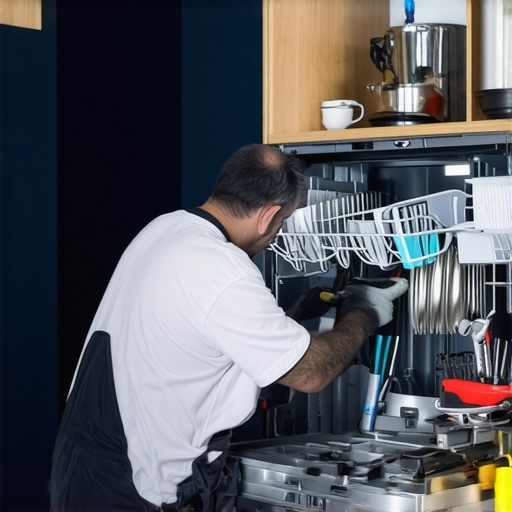
How to Ensure Reliable Dishwasher Parts & Smooth Installation in 2025
Discovering the Secret to a Reliable Dishwasher: My Personal ExperienceLast…
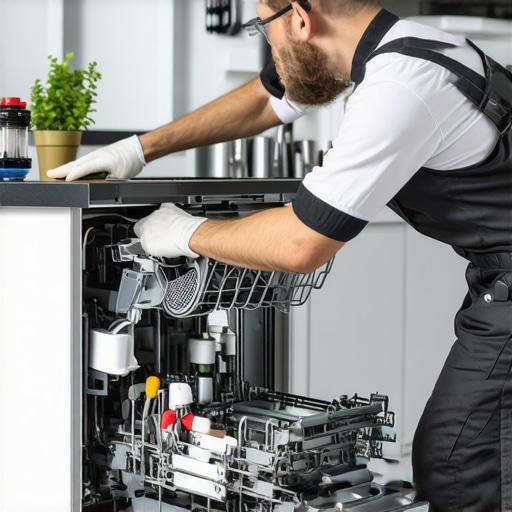
Expert Tips for Dishwasher Installation & Parts for Lasting Trust in 2025
My Journey to a Seamless Dishwasher Installation: Lessons LearnedWhen I…

Why Your 2026 Smart Dishwasher Needs a Dedicated 20-Amp Circuit
It hit me during a Friday night wash cycle—my brand-new…