Ever had that sinking feeling when your smart dishwasher suddenly stops working just after the warranty expires? I have. It’s frustrating, right? One moment, everything’s running smoothly, and the next, you’re staring at a costly repair bill. It was a lightbulb moment for me — realizing I’d overlooked the importance of understanding my dishwasher’s parts and how to maximize my warranty coverage. That’s when I decided to get serious about smart dishwasher maintenance, especially as models become more complex in 2025. Today, I want to share what I’ve learned so you can avoid the same pitfalls and keep your appliance humming for years to come.
Why Proper Parts Knowledge Saves You Money and Hassle
Let’s face it, appliances are more than just gadgets; they’re investments. When my dishwasher started acting up, I initially thought I could fix it myself. Turns out, I made a crucial mistake early on — ignoring the significance of knowing which parts are covered by warranty and how to replace them correctly. This led to unnecessary expenses and a longer downtime than I’d hoped. I’ve since learned that understanding your dishwasher’s internal components — like pumps, valves, and control boards — is essential. It’s not just about fixing problems; it’s about preventing them. For example, exploring understanding dishwasher parts provides a solid foundation, helping you identify issues before they escalate and ensuring your repairs are covered under warranty when needed.
Is Relying on Warranty Actually Worth It?
Many folks, including myself in the beginning, underestimate the true value of warranties. I once thought warranties were just a marketing gimmick until I faced a costly part failure shortly after the coverage ended. A key lesson? Not all parts are created equal. Some are covered, others aren’t, and knowing which is which can save you a lot of money. It’s tempting to skip reading the fine print, but trust me — that’s a mistake. My experience taught me to always consult detailed guides, like this list of warranty-covered parts. It’s a game-changer for making informed decisions and ensuring your investment pays off long-term.
Now, with models becoming smarter, the options for warranties and parts are more diverse than ever. I’ll walk you through how to choose the right parts and leverage your warranty to keep your dishwasher running smoothly, without unexpected costs or frustrations. Ready to take control of your appliance’s longevity? Let’s dive into the practical steps that will transform your maintenance routine in 2025.
Identify Your Dishwasher Parts with Precision
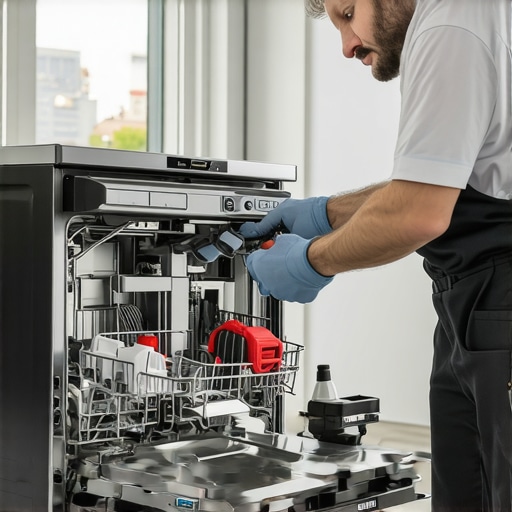
Begin by opening your dishwasher’s access panel and carefully inspecting the components. Focus on familiarizing yourself with the pump, control board, spray arms, and valves. For a detailed visual guide, check out understanding dishwasher parts. Take notes or snap photos to recognize these parts later. Remember, knowing what each part does helps you quickly diagnose issues and determine if a replacement is warranted.
Diagnose Issues During Warranty Period
If your dishwasher isn’t functioning properly, perform a systematic diagnosis. Turn off the power, then remove panels to access internal components. Look for signs of wear, cracks, or leaks. Use a multimeter to check electrical continuity on the control board and sensors. For a step-by-step process, consult this diagnostic guide. Document your findings with photos. If you identify a faulty part covered under warranty, contact your manufacturer promptly, referencing warranty coverage details.
Select the Right Replacement Parts Effectively
Choosing compatible parts is crucial. Use the model number to find exact matches. Focus on quality, opting for OEM parts for durability. For choosing reliable parts, review this expert guidance. When installing, ensure all connections are secure, and follow manufacturer instructions meticulously. Use top tips for installation to prevent future issues.
Install Parts Correctly for Long-Term Success
Proper installation is the backbone of reliability. Before starting, disconnect power and water supply. Use a socket wrench to tighten fittings without over-tightening, which can crack plastic parts. Confirm that spray arms spin freely and check for leaks. For detailed installation procedures, refer to this installation checklist. After installation, run a test cycle to verify everything functions smoothly. Keep a record of your installation date and the parts used for warranty tracking.
Leverage Your Warranty Like a Pro
Maximize warranty benefits by understanding coverage limits. Register your dishwasher and keep receipts of all parts purchased. When issues arise within warranty, document the problem thoroughly—photos, descriptions, and troubleshooting steps. Contact customer support immediately, referencing this warranty guide. Be persistent in following up and keep records of all communications. If a part replacement is authorized, ensure it’s a quality OEM part, and keep the warranty documentation safe for future reference.
Stay Proactive to Avoid Costly Repairs
Regularly inspect your dishwasher’s parts for early signs of wear. Clean spray arms and filters monthly to prevent clogs. Use manufacturer-approved detergents to avoid corrosion. When replacing parts, opt for timely replacements to prevent secondary damages. Schedule annual check-ups or use DIY diagnostics to catch problems early, saving money and extending your dishwasher’s lifespan.
Many homeowners operate under assumptions about dishwasher parts, installation, and warranties that can actually lead to costly mistakes. Let’s dig deeper into some of the most common misconceptions and reveal the hidden nuances that can make or break your maintenance efforts. First off, a widespread myth is that all parts are covered equally under warranty. In reality, not every component is protected. Some critical parts like control boards or pumps might have limited coverage or exclusions, which can catch you off guard if you’re unprepared. Understanding exactly what parts are covered helps you avoid unnecessary expenses and ensures you’re making informed decisions during repairs.
Next, many assume that installation is a straightforward process, but the devil is in the details. A common mistake is overlooking the importance of proper part selection and installation techniques. For instance, choosing incompatible parts or rushing installation can cause leaks, poor cleaning, or early failure. The nuances of aligning spray arms, securing fittings, and ensuring electrical connections are properly made are often underestimated. Skipping these steps can invalidate warranty coverage, so it’s worth following expert tips for reliable installation.
What about the belief that DIY repairs are always cheaper? Let’s challenge that. Without proper knowledge, you might end up replacing the wrong parts or damaging delicate components, which is an easy way to escalate costs. For example, focusing on the wrong troubleshooting steps can lead to unnecessary part replacements. Experts recommend diagnosing accurately and using trusted guides to avoid common pitfalls that turn a simple fix into a costly repair.
Advanced Insight: If you’re wondering, “How can I ensure my warranty remains valid after repairs?” the answer lies in meticulous documentation and adherence to manufacturer guidelines. Many warranties require proof of proper installation and the use of OEM parts. Knowing the fine print is crucial. Regular inspections, timely part replacements, and keeping records of all repairs can safeguard your warranty rights.
Have you ever fallen into this trap? Let me know in the comments. Remember, understanding these hidden nuances not only saves you money but also extends the lifespan of your smart dishwasher. It’s about being proactive and informed, not reactive and naive. Stay sharp, and your appliance will thank you for it!
Keeping your smart dishwasher running smoothly over time requires more than just occasional cleaning; it demands the right tools and a strategic approach. Over the years, I’ve refined my maintenance routine, relying on specific equipment and methods that ensure longevity and optimal performance. In this guide, I’ll share what I personally use and recommend, along with insights into where this trend is headed.
Invest in Precision Diagnostic Tools
One of the most valuable investments I made was a high-quality multimeter. Not all multimeters are created equal; I prefer models with auto-ranging capabilities and a protective rubber casing for durability. I use mine to quickly diagnose electrical issues on control boards or sensors, which are common points of failure in smart dishwashers. Additionally, I keep a dedicated ultrasonic cleaner for small parts like spray arms and filters. This device effectively removes mineral deposits and debris, restoring parts to near-original condition without risking damage. These tools save me hours of troubleshooting and prevent unnecessary replacements, especially when diagnosing during the warranty period. For detailed troubleshooting techniques, I refer to this diagnostic guide.
Leverage Software for Long-Term Monitoring
In 2025, digital tools are increasingly essential. I use a simple spreadsheet to log maintenance dates, parts replaced, and diagnostic results. This habit helps identify patterns—like recurring control board issues—that might not be obvious otherwise. For more advanced tracking, I recommend smart diagnostics apps provided by some manufacturers, which can analyze error codes and provide troubleshooting steps remotely. These apps often integrate with your home network and can alert you to potential problems before they escalate, allowing for proactive maintenance. As these tools evolve, expect even more integration with AI-driven diagnostics, making it easier to maintain appliances without expert intervention.
Essential Supplies for Quick Repairs
Having a kit of quality parts on hand is crucial. I prefer OEM replacement parts, as they fit perfectly and last longer. My kit includes control board fuses, replacement valves, and high-grade sealants. I also keep a set of precision screwdrivers and plastic pry tools to disassemble panels without damage. For ongoing maintenance, a silicone-based lubricant helps keep moving parts like spray arms functioning smoothly. Regularly replacing worn components before failure is a smart strategy, especially since many warranty policies require evidence of proper upkeep. For guidance on timing replacements, I consult this resource.
Adopt a Methodical Routine
My routine begins with monthly inspections: checking spray arms, filters, and seals with a flashlight and magnifier. I run a calibration cycle using diagnostic software to ensure sensors are functioning correctly. Whenever I replace a part, I record the details in my maintenance log, including serial numbers and installation dates, to protect my warranty rights. This disciplined approach minimizes surprises and extends the lifespan of my dishwasher.
Future Trends in Maintenance Tools
Looking ahead, I predict that AI-powered diagnostic systems will become standard. These systems will analyze real-time data from your dishwasher, predict failures, and even recommend specific parts for replacement. Augmented reality apps might guide DIY repairs step-by-step, reducing the need for professional service and saving costs. Staying ahead means investing in tools today that are compatible with these emerging technologies, ensuring your maintenance practices remain effective in 2025 and beyond.
Start by trying out a high-quality multimeter combined with regular diagnostic checks. This small investment can dramatically improve your ability to keep your dishwasher in top shape, safeguarding your warranty and saving money in the long run.
The Hardest Lesson I Learned About parts, installation, dishwasher, warranty
One of my biggest lightbulb moments was realizing that not all dishwasher parts are created equal when it comes to warranty coverage. I once replaced a control board only to find out it wasn’t fully covered, costing me more than I expected. That taught me to always double-check which parts are warranty-protected before buying or installing. Additionally, I underestimated how crucial precise installation is—rushing or choosing incompatible parts can void your warranty and lead to costly repairs. Finally, I learned that documenting every repair and part change isn’t just good practice; it’s essential for protecting your warranty rights. These lessons have saved me from many headaches and should do the same for you.
My Top Tools and Resources for Mastering Dishwasher Maintenance
Over the years, I’ve come to trust a few key tools that make maintenance easier. A high-quality multimeter with auto-ranging features helps diagnose electrical issues quickly. I also rely on OEM replacement parts, which fit perfectly and last longer. For troubleshooting, I recommend this diagnostic guide, which walks you through common issues step-by-step. When it comes to installation and part selection, these expert tips have saved me from many mistakes. Lastly, keeping a detailed maintenance log helps track parts and repairs, making warranty claims smoother and more successful.
You’re Capable of Long-Lasting Dishwasher Success
Now it’s your turn. By understanding the nuances of parts, installation, and warranties, you’ll be better equipped to keep your smart dishwasher running efficiently for years to come. Take small, consistent steps—inspect regularly, choose quality parts, document everything, and stay informed. The future of appliance maintenance is moving toward smarter diagnostics and proactive care, so investing in the right tools today will pay off in the long run. Remember, you don’t have to be a repair expert—just a committed homeowner willing to learn and stay proactive.
What’s your biggest challenge when it comes to maintaining your dishwasher? Let me know below—I’d love to hear your experiences and tips!
One Reply to “Maximize Your Warranty & Parts for Smart Dishwashers: Expert Tips for 2025”
Leave a Reply
Related Posts

Ensuring Long-Lasting Warranty & Parts for Smart Dishwashers
My Journey to a Reliable Dishwasher ExperienceWhen I first invested…
Trusted Warranty & Parts for Smart Dishwashers: Top Maintenance Tips
My Personal Journey with Smart Dishwashers and the Power of…
![Is Your 2026 Warranty Void? Check These 3 Hidden Parts [Tips]](https://appliancedoctorz.com/wp-content/uploads/2026/02/Is-Your-2026-Warranty-Void-Check-These-3-Hidden-Parts-Tips.jpeg)
Is Your 2026 Warranty Void? Check These 3 Hidden Parts [Tips]
Ever had that sinking feeling when your brand-new dishwasher suddenly…
Reading through this post really opened my eyes to how crucial understanding each component of a dishwasher is, especially when it comes to warranty claims. I used to think that replacing parts was straightforward, but I’ve learned the hard way that quality and compatibility make all the difference—OEM parts have saved me so much trouble. I also appreciate the emphasis on detailed diagnostics and record-keeping; it’s definitely a game-changer in making warranty processes smoother. One thing I’ve found helpful is setting a regular maintenance schedule for cleaning spray arms and filters, which prevents many issues before they start. My question is, have others found specific brands of diagnostic tools or diagnostic apps that integrate well with smart models? I’d love to hear recommendations as I look to upgrade my maintenance kit for 2025 and beyond.