I remember the moment clearly. My dishwasher stopped mid-cycle, water pooling at the bottom, and I was at a loss. It was frustrating, and I felt I was throwing money down the drain. That lightbulb moment made me realize just how critical quality parts and proper installation are for long-term reliability. For years, I thought replacing parts was just a fix, but I learned the hard way that it’s really about prevention and understanding what keeps your dishwasher running smoothly.
The Real Cost of Cutting Corners on Parts and Installation
Dishwashers are complex machines with many components working together. When I first started, I made the mistake of choosing cheap replacement parts without considering if they were compatible or covered under warranty. That led to more breakdowns, higher costs, and endless frustration. I soon discovered that investing in the right parts and proper installation techniques can save you a lot of headaches. Trust me, it’s worth the effort. Curious about what parts are essential? Check out this guide to essential troubleshooting parts.
Is Skimping on Quality Worth the Risk?
Early on, I overlooked the importance of warranty coverage and proper parts selection. I thought any generic part would do. Spoiler alert: it doesn’t. Using subpar parts or installing them incorrectly can void your warranty and lead to costly repairs down the line. Plus, some parts are covered under warranty — if you know what to look for. Learn more about which parts are covered by warranty.
Choose Quality Parts with Confidence
Start by selecting high-quality, OEM or manufacturer-recommended parts. Think of these as the foundation of a sturdy house; using cheap or generic components is like building on shaky ground. When I replaced my dishwasher’s water inlet valve, I opted for a part covered under warranty and verified for compatibility. This ensured my repair lasted longer and reduced the risk of leaks. For a comprehensive list of essential troubleshooting parts, check out this guide.
Double-Check Compatibility and Warranty Coverage
Before installing any part, confirm it matches your dishwasher model. Think of it as fitting a puzzle piece—if it doesn’t fit perfectly, the whole picture is compromised. Use resources like warranty coverage lists to verify if a part is eligible for replacement under warranty, saving you money and hassle.
Master Proper Installation Techniques
Proper installation is critical. Follow the manufacturer’s instructions meticulously, like assembling a complex piece of furniture—you want each screw and clip in the right place. When I installed my dishwasher’s door latch, I carefully aligned the components, ensuring the latch clicked securely. Use the checklist for installation to avoid common mistakes that lead to leaks or mechanical failure.
Secure Connections and Sealings
Ensure all water hoses are tightly connected and sealed with the proper clamps or gaskets. This is like sealing a boat—any leak can sink your efforts. I learned this the hard way when I skipped tightening a hose clamp, and water leaked underneath, causing a bigger problem. Use a torque wrench if necessary to tighten fittings without overdoing it.
Verify and Test Your Work
After installation, run a short cycle to check for leaks and proper operation. Think of this as a test drive—if something’s amiss, you catch it early. When I tested my dishwasher, I watched for drips and listened for unusual noises. If issues arise, revisit your connections or parts placement, referencing this diagnostic guide.
Document and Register for Warranty
Keep detailed records of your parts, installation receipts, and warranty registration. Think of this as your safety net—should a part fail, you’ll have proof to claim warranty coverage. I took photos of my installation and registered my parts online, which streamlined the warranty claim process when a valve started to leak months later.
Many homeowners operate under misconceptions when it comes to dishwasher parts, installation, and warranty coverage. As an expert, I’ve seen these myths trip up even seasoned DIYers. Let’s dig into some of the most common misunderstandings and reveal the hidden nuances that can save you money and headaches in the long run.
Myth: Cheap Parts Are Just as Good as OEM
It’s tempting to choose budget-friendly, generic parts to cut costs, but this often backfires. Low-quality components may seem like a bargain initially, but they lack durability and can void your warranty. OEM or manufacturer-recommended parts are designed to meet strict standards, ensuring compatibility and longevity. Skimping on quality can lead to frequent breakdowns, leaks, or even damage to your dishwasher’s more expensive internal parts. For critical replacements, it’s better to invest in trusted parts—check out this guide to parts and warranty for more details.
Installation Mistakes Often Overlooked
One common trap is rushing the installation process without verifying each connection. A tight water hose clamp or properly aligned door latch might seem minor, but these small details are crucial for performance and warranty validity. Incorrect installation can cause leaks or mechanical failure, and some warranties require professional installation or adherence to specific procedures. Use resources like installation checklists to avoid these pitfalls.
What Advanced Homeowners Often Overlook When Registering Warranty?
Registering your warranty isn’t just a formality. Many assume that as long as the part is covered, they’re protected. But the real nuance lies in documentation and following proper registration procedures. Keep detailed records, including photos and receipts, and verify that your installation meets all warranty requirements. Failing to do so can invalidate your coverage if a part fails. According to expert insights, thorough documentation is your best defense.
Why Proper Installation Is Key to Warranty and Longevity
Proper installation ensures your dishwasher runs efficiently and that your warranty stays valid. A misaligned spray arm or improperly sealed water inlet can cause performance issues or damage. Take the time to follow manufacturer instructions and double-check fittings. Consider using tools like torque wrenches for tight, secure connections. Remember, a small investment in proper installation techniques can pay off by avoiding costly repairs down the line.
Beware of the Hidden Trap: Overlooking Compatibility and Warranty Details
Many people buy replacement parts without confirming compatibility with their specific model. This oversight can lead to parts that don’t fit or function correctly, voiding warranties or causing damage. Always consult the detailed warranty coverage lists and verify model numbers before purchasing. It’s an extra step that can save you from a costly mistake.
Have you ever fallen into this trap? Let me know in the comments. Remember, understanding these hidden nuances can make all the difference between a quick fix and a long-lasting repair. The key is to stay informed and meticulous at every stage—from selecting parts to installing and registering your warranty.
Maintaining your dishwasher over time requires more than just replacing worn parts; it involves using the right tools and adopting proper techniques to ensure longevity and consistent performance. From specialized screwdrivers to diagnostic software, the equipment I recommend has proven invaluable in my experience. Investing in quality tools not only makes repairs easier but also reduces the risk of further damage.
Why a Quality Multimeter is a Must-Have
I personally rely on a high-quality multimeter to diagnose electrical issues accurately. A reliable multimeter allows me to test voltage, continuity, and resistance with precision, ensuring that electrical components like control boards and sensors are functioning correctly. Cheap multimeters often give false readings, leading to unnecessary replacements or missed faults. When choosing one, look for models with auto-ranging capabilities and durable probes — I recommend the Fluke 115 for its reliability and accuracy.
Power Tools That Save Time and Effort
For disassembling and reassembling components, I prefer cordless impact drivers and electric screwdrivers. They significantly speed up the process, especially when dealing with stubborn screws or tight spaces. I always keep a set of precision bits compatible with these drivers to avoid stripping screws. Using these tools, I can quickly access internal parts, check connections, and perform installations with confidence. If you’re serious about DIY repairs, investing in a versatile impact driver like the DEWALT DCF887 is a game changer.
Diagnostic Software for Advanced Troubleshooting
In recent years, diagnostic tools and apps compatible with smart dishwashers have become essential. These tools connect to your appliance via Wi-Fi or Bluetooth, providing real-time error codes and operational data. I use a dedicated diagnostic app recommended by manufacturers, which guides me through complex troubleshooting steps without guesswork. As smart home technology advances, I predict even more integrated diagnostic solutions will emerge, making maintenance more accessible.
How do I maintain my dishwasher over time?
Regular cleaning and inspection are key. Use a toothbrush and soft cloth to clean spray arms and filters, ensuring no debris blocks water flow. Check hoses and clamps periodically for leaks or wear, and replace any damaged parts promptly. Keeping software firmware up-to-date can also improve performance and security. Remember, following the manufacturer’s maintenance guidelines is crucial for warranty compliance and long-term reliability. For detailed advice on part inspection and replacement intervals, see this guide to parts replacement.
Finally, document your maintenance activities and keep receipts for parts and tools. This record-keeping helps during warranty claims and ensures you’re following best practices. By investing in the right tools and routines, you can keep your dishwasher functioning perfectly for years to come. Don’t forget to try out a digital diagnostic app to quickly identify issues before they escalate — it’s a smart move for any homeowner aiming for hassle-free maintenance.
Lessons That Changed How I Approach Repairs
- One of the biggest surprises was realizing how much a tiny detail, like tightening a hose clamp properly, can impact the entire lifespan of your dishwasher. It’s not just about replacing parts but doing it with care and precision.
- I learned the hard way that skipping warranty registration or neglecting to keep detailed records can leave you stranded when a repair fails. Documentation is your safety net in the DIY world.
- The most eye-opening moment was understanding that not all parts are created equal. Investing in OEM or manufacturer-recommended parts might cost more upfront, but it saves money and hassle in the long run.
Tools and Resources I Trust for Dishwasher Maintenance
- Fluke 115 Multimeter: Reliable and precise, essential for electrical diagnostics, trusted by professionals for its durability and accuracy. It’s worth every penny for the peace of mind it provides during troubleshooting.
- Impact Driver like the DEWALT DCF887: Speeds up disassembly and reassembly, especially in tight spots. It’s my go-to for efficient repairs, reducing frustration and saving time.
- Diagnostic Apps for Smart Dishwashers: Connecting your device via Wi-Fi or Bluetooth to get real-time error codes transforms complex troubleshooting into manageable steps. These tools are game-changers for modern appliances.
- Manufacturer’s Installation Checklists: Following these step-by-step guides ensures you don’t overlook crucial details, helping maintain warranty coverage and avoid leaks or mechanical issues.
Keep Moving Forward and Stay Inspired
Remember, mastering dishwasher maintenance isn’t just about fixing the machine — it’s about building confidence and understanding how each component plays a role in your appliance’s longevity. With the right parts, tools, and a meticulous approach, you can enjoy a reliable, long-lasting dishwasher that performs like new. Don’t let fear hold you back; every repair is a step toward becoming more self-sufficient and knowledgeable. Your journey to hassle-free appliance care starts now!
Related Posts
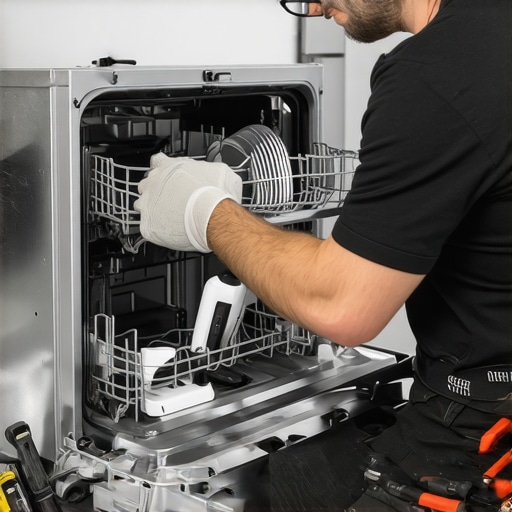
Parts & Warranty Tips for Reliable Smart Dishwasher Installation
Ever had that sinking feeling when your brand-new smart dishwasher…
![Replace This $19 O-Ring Before Your 2026 Dishwasher Install [Fix]](https://appliancedoctorz.com/wp-content/uploads/2026/04/Replace-This-19-O-Ring-Before-Your-2026-Dishwasher-Install-Fix.jpeg)
Replace This $19 O-Ring Before Your 2026 Dishwasher Install [Fix]
It was late evening when I realized—my brand-new dishwasher was…
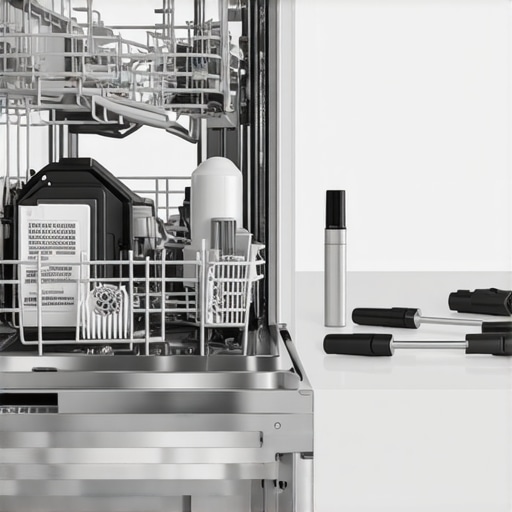
Top Dishwasher Parts & Warranty Tips for Reliable Installation in 2025
My Journey into Dishwasher Parts and Warranty Wisdom: A Personal…