Let me guess—you’re in the middle of washing dishes, and suddenly, your dishwasher starts acting up. Maybe it’s leaking, making strange noises, or just refusing to start. Frustrating, right? I remember a time when my own dishwasher stopped working right before a big family dinner. I was ready to pull my hair out, thinking I’d need a costly repair or even a replacement. But then, I realized that understanding the ins and outs of dishwasher parts and warranties could save me both time and money.
Why Knowing Your Dishwasher Parts Can Save the Day
I’ve learned from personal experience that a little knowledge about your dishwasher’s components can make all the difference, especially when it comes to troubleshooting and determining warranty coverage. Many folks don’t realize that most dishwasher parts are covered under warranty, but only if you know what to check and how to approach the repair process. For example, understanding the role of common parts like the float switch or the inlet valve can help you pinpoint issues faster. You can even avoid unnecessary service calls or downright bad repairs by being familiar with common dishwasher parts and their role in installation.
Have you ever faced a situation where a minor part failure led to a costly service call because you didn’t know if it was covered? If so, you’re not alone. Knowing your parts and warranty details empowers you to handle repairs confidently and properly, ensuring your dishwasher performs optimally and lasts longer.
Will This Really Save Me Money?
Absolutely. Research indicates that routine maintenance and understanding warranty policies can extend the life of major appliances by years. According to a survey by Consumer Reports, proper diagnosis and timely repairs can save consumers hundreds, even thousands, over the lifespan of an appliance. Plus, by being aware of warranty policies and parts coverage, you can ensure that repair costs stay minimal or even free. But, it isn’t just about money; it’s about peace of mind knowing you’re taking the right steps at the right time.
Understanding the basics of your dishwasher’s parts and your warranty rights is like having a trusted neighbor by your side—ready to guide you through any hiccup. In the next sections, I’ll show you exactly how to troubleshoot common issues, identify which parts typically need replacing, and navigate warranty claims without sweating the small stuff.
So, have you experienced a frustrating dishwasher breakdown that left you guessing? If yes, then stick around—I’m about to share what I’ve learned from years of trouble-shooting and repairing dishwashers, so you don’t have to face the same headaches alone.
Identify the Problem Areas in Your Dishwasher
Start by observing the symptoms—leaking, strange noises, or failure to start. Use a systematic approach similar to diagnosing a car engine—eliminate the obvious issues first. Remember, many common problems stem from specific parts, such as the float switch or inlet valve, which you can review in this troubleshooting guide on essential dishwasher parts. Take notes of what you see and hear to narrow down potential causes.
Check the Warranty Before Doing Any Repairs
Before you disassemble your dishwasher, verify what parts are covered under warranty. Think of warranty coverage as a safety net—knowing it exists prevents unnecessary expenses. Visit this comprehensive list of warranty-covered parts to see if your identified problem falls within coverage. Also, review your purchase date and warranty period, which can often be clarified through this detailed warranty guide.
Gather the Right Tools and Replacement Parts
Having the correct tools and compatible parts is critical. Think of it like using the right key to open a lock—forcing an incompatible part might cause further damage. Consult this checklist for installing dishwasher parts to ensure compatibility. If you need to replace a part, verify its compatibility and warranty eligibility by reviewing this guide on selecting reliable parts.
Disconnect Power and Remove the Faulty Part Carefully
Always disconnect power before working on the appliance—a safety essential. Use appropriate screwdrivers and tools to disassemble panels, akin to carefully unboxing a fragile item. When removing the defective component, document the process with photos; this aids in warranty claims and future reassembly. Keep the removed part intact to compare with the replacement or to send for inspection if needed. For more detailed disassembly tips, see disassembly instructions here.
Test the Repair and Confirm Functionality
After replacing the faulty part, restore power and run a test cycle. Observe for leaks, noises, or operational issues. Think of it as a test drive—making sure all systems are go. If issues persist, revisit the troubleshooting steps, as some problems may be wiring or connections rather than the part itself. Use the step-by-step diagnostic tips provided in this diagnostic resource.
File the Warranty Claim Correctly
If your repair qualifies under warranty, ensure you submit all required documentation—receipts, photos, and a detailed explanation of the issue—accurately and promptly. Think of warranty claims as a package you’re sending for a guaranteed refund; incomplete submissions delay resolution. Familiarize yourself with specific warranty policies documents to streamline the process. Keep copies of everything for your records.
Maintain and Document Your Repairs
After successful repair and warranty fulfillment, record the details—date, parts used, and technician notes. Consider this your maintenance journal, helping you identify recurring issues and inform future purchases or repairs. This proactive step can prevent bigger problems down the line and ensures your dishwasher continues to operate smoothly for years to come.
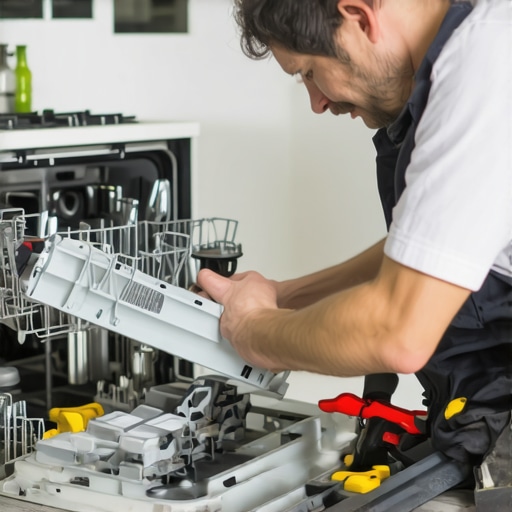 Even seasoned homeowners often fall prey to misconceptions about warranties and dishwasher parts, leading to costly mistakes. One common myth is that warranties cover all repairs, but in reality, coverage is often limited to specific parts or issues, and misuse or neglect can void your warranty altogether. For example, many assume that any part failure is warranted, yet some manufacturers exclude certain components like filters or minor seals, which can be surprisingly expensive to replace if overlooked. Understanding these nuances is crucial for effective maintenance and maximizing your warranty benefits.
Another overlooked point is the installation process itself. Proper installation isn’t just about following the manual; it requires attention to detail, including correct leveling, secure connections, and correct water line placement. An improper setup can cause premature part failures or operational issues that aren’t covered under warranty, as many warranties specify installation compliance as a prerequisite for coverage. Rushing through installation or assuming that professional installation isn’t necessary can lead to serious problems down the line.
Furthermore, many homeowners underestimate the importance of quality when selecting parts. Low-quality generic parts might be tempting due to lower costs, but they often lack the durability of OEM (original equipment manufacturer) components and may not be covered under warranty if they cause damage or fail prematurely. Opting for certified parts and understanding warranty coverage for replacements can save you money and headaches, especially if you plan to rely on your dishwasher for years.
A sophisticated question worth considering is: How do manufacturers’ warranty policies influence the long-term reliability and repair costs of dishwashers? Studies, such as those highlighted in consumer reports, indicate that appliances with transparent, comprehensive warranties tend to have fewer breakdowns because manufacturers are incentivized to ensure product longevity and quality. Conversely, limited warranties can encourage short-term fixes rather than durable solutions, increasing your maintenance expenses over time.
Avoid falling into the trap of underestimating these subtleties. Proper knowledge about warranty specifics, installation requirements, and quality parts can be your best defense against unexpected costs. Have you ever fallen into this trap? Let me know in the comments. To dig deeper into how warranties really work and how to leverage them, check out our detailed guide on warranty policies and parts coverage. Proper understanding here is what distinguishes a savvy homeowner from one always caught off-guard.
Investing in Precision Tools for Reliable Repairs
As someone deeply involved in dishwasher maintenance, I cannot stress enough the importance of using the right tools. A quality multi-meter, for example, is indispensable for testing continuity and voltage, ensuring that electrical components like control boards and sensors are functioning correctly. Personally, I prefer a digital multimeter with auto-ranging capabilities—it saves time and reduces error when diagnosing complex electrical issues. Additionally, a set of precision screwdrivers and nut drivers is crucial for safe and efficient disassembly, especially when working on tight spaces or delicate connectors. These tools help me avoid damaging sensitive components, which can be costly to replace and might void warranties if improperly handled.
For plumbing checks, a reliable leak detection spray and a set of adjustable wrenches are my go-to items. They allow me to tighten water fittings securely and identify leaks early on, preventing larger issues down the line. I also keep a magnifying glass handy for inspecting small parts like seals and gaskets, ensuring they’re not worn or cracked. Remember, using the correct tools not only makes repairs safer and faster but also preserves your manufacturer’s warranty by preventing accidental damage, especially if you’re working with OEM parts.
The Power of Software in Preventative Maintenance
Beyond physical tools, I recommend leveraging diagnostic software compatible with smart dishwashers. These programs can read error codes directly from the control module, giving precise insight into issues like inlet valve failure or motor faults. Connecting via a USB or Bluetooth adapter, you can monitor performance data and even run calibration routines, which extend the dishwasher’s lifespan. For example, some brands offer dedicated apps that notify you when maintenance is due, such as filter replacement or door latch inspection. Incorporating software diagnostics into your regular upkeep routine helps catch problems early, reduce downtime, and optimize long-term performance.
Anticipating Future Trends in Dishwasher Maintenance
As technology advances, I predict that maintenance tools will become more integrated with smart diagnostics, enabling remote troubleshooting and predictive alerts. Future systems may automatically inform you when parts like the float switch or inlet valve are nearing failure, prompting preemptive replacements. Staying ahead of these trends means investing in versatile tools today — like multi-functional diagnostic devices and repair apps — which will adapt to the evolving landscape of smart household appliances. Keeping your skills sharp and tools updated is essential now more than ever.
How do I keep my dishwasher running smoothly over time?
Consistent maintenance involves a mix of regular inspections, cleaning, and timely replacements. I recommend scheduling a comprehensive diagnostic check every six months, using your multimeter and diagnostic apps to verify electrical functions, and inspecting seals and hoses for wear. Also, always refer to manufacturer guidelines when replacing parts, ensuring compatibility and warranty coverage, which you can verify through this resource on parts selection. Moreover, documenting repairs and inspections helps you identify recurring issues early, saving money before they become costly repairs. Remember, a little proactive effort now can extend your dishwasher’s lifespan significantly, and investing in quality tools makes that effort much more effective. So, why not try the advanced diagnostic routines I mentioned today? They could be the game-changer in maintaining your appliance for years to come.
The Hardest Lesson I Learned About warranty,parts,installation,dishwasher
One of my biggest eye-openers was realizing that even a small oversight, like choosing the wrong replacement part, can void your entire warranty. I once replaced a gasket with a generic, cheap version, only to find out later that it wasn’t covered under warranty when it failed prematurely. That was a costly mistake that taught me the importance of sticking to OEM parts and verifying coverage details through official warranty lists.
Three Myths About warranty,parts,installation,dishwasher That Held Me Back
First, I believed that warranties covered every repair, which isn’t true; many exclude minor seals or filters. Second, I thought professional installation wasn’t necessary, but improper setup can lead to early failures not covered by warranty. Lastly, I assumed all parts were created equal; high-quality, OEM components are your best bet for reliability, supported by installment tips.
What Experts Won’t Tell You About warranty,parts,installation,dishwasher
Many technicians omit the fact that thoroughly documenting your repairs and keeping receipts can significantly streamline warranty claims. Also, understanding the fine print about warranty duration and covered issues empowers you to act swiftly. For comprehensive insights, I recommend reading this expert guide that breaks down the nuances, saving you time and money.
My Essential Toolkit for Reliable Dishwasher Maintenance
Over the years, I’ve come to trust a few key tools: a digital multimeter for electrical diagnostics, precision screwdrivers for careful disassembly, and leak detection spray for early issue spotting. These tools, combined with quality OEM parts from trusted suppliers, have helped me avoid costly repairs and preserve warranties, as suggested in this guide on parts selection.
Your Path to Peace of Mind Starts Here
Taking ownership of your dishwasher’s health through informed troubleshooting, proper installation, and strategic maintenance isn’t just smart—it’s empowering. By applying these lessons, you’re positioning yourself to extend your appliance’s lifespan and enjoy consistent performance. Remember, each repair or inspection is an investment in your home’s comfort and your confidence as a DIYer. Are you ready to take the next step towards mastering your dishwasher maintenance skills? If so, share your biggest challenge or question in the comments below, and let’s tackle it together!
.
2 Replies to “Dishwasher Parts & Warranty: Expert Installation Strategies”
Leave a Reply
Related Posts
Smart Dishwasher Parts & Installation Tips for Long-Lasting Trust
My Journey into Dishwasher Maintenance: A Personal TaleEver since I…
Guide to Reliable Dishwasher Parts & Installation for Lasting Trust
Ever had that sinking feeling when your dishwasher suddenly stops…
Smart Dishwasher Installation & Parts: Ensure Long-Lasting Trust
My Personal Journey Toward Reliable Dishwasher InstallationWhen I first decided…
This post really hits home for me! I remember one time my dishwasher stopped mid-cycle, and I was convinced it was a costly fix. After some research inspired by articles like this, I learned the importance of understanding my dishwasher’s parts and warranty details. It’s surprising how many minor issues can be self-diagnosed with the right knowledge, saving the hassle and expense of calling a technician. I especially agree with the tip about documenting repairs; I’ve started keeping a repair log, and it’s helped me identify patterns that prevent future breakdowns. What tools do others find most essential for troubleshooting at home? I’ve found a good multimeter and a leak detection spray to be game-changers. Looking forward to trying out some of these maintenance routines, especially with my older model—any tips on extending its lifespan even further? Glad to see practical guidance like this that empowers homeowners to take control of their appliances.
This article really emphasizes the importance of understanding our appliances beyond just pressing start and stop. I remember a few years ago, I tried to troubleshoot my own dishwasher after noticing it wasn’t draining properly. Thanks to some detailed guides and the right tools, I was able to identify a clogged inlet valve which was still under warranty. Replacing it myself saved me a service call, and I learned quite a bit about the internal parts.
One thing I’ve found useful is keeping a small repair kit with essential tools and spare parts, especially OEM components for key parts like the float switch or drain pump. This way, when problems arise, I can act quickly rather than waiting for a technician. Has anyone tried using diagnostic apps or remote monitoring for their dishwashers? I’ve been considering whether smart tech could help preempt issues before they become costly repairs. It’s fascinating how technology is evolving in household maintenance, and I’d love to hear others’ experiences or recommendations.