Ever had that sinking feeling when your brand-new smart dishwasher starts acting up right after installation? I remember sweating bullets, thinking I’d wasted hundreds on a device that should make life easier. It hit me—why do so many of us struggle with understanding parts and warranty coverage, especially with these complex machines? Today, I want to share how I turned that frustration into confidence, helping me avoid costly repairs and ensure everything runs smoothly.
Why Proper Parts Selection and Warranty Knowledge Matter More Than Ever
When I first installed my smart dishwasher, I thought following the generic instructions was enough. But within a few weeks, I was faced with leaks and error messages. Turns out, choosing the right parts from the start and understanding warranty policies could have saved me a lot of headaches. Proper installation isn’t just about plugging in and turning on—it’s about knowing which components are crucial for long-term performance. For instance, selecting compatible filters, valves, and pumps, and understanding your warranty coverage can make all the difference. Did you know that many warranty claims fail simply because the owner didn’t install the right parts properly? As noted in this expert guide, correct parts and installation procedures are key to maintaining warranty validity and appliance health.
Is Skimping on Parts or Skipping Warranty Details Worth the Risk?
Early on, I made the mistake of assuming all parts are interchangeable and neglecting to double-check my warranty policies. Big mistake. That oversight cost me more in repairs down the line. The lesson? Always verify that the parts you choose are covered under warranty and compatible with your specific model. This ensures you’re protected if something goes wrong. Proper parts selection is only half the battle; understanding the warranty coverage and how to maximize it safeguards your investment. If this sounds familiar, don’t worry—you’re not alone, and there are straightforward steps to avoid these pitfalls.
To get started, I recommend exploring the comprehensive resources available, like this detailed guide on parts and warranty. It helped me understand what to look for and how to approach installation with confidence. In the sections ahead, I’ll walk you through actionable steps to choose the correct parts, ensure proper installation, and make the most of your warranty. Because in the end, a little knowledge goes a long way toward keeping your smart dishwasher humming smoothly for years to come.
Choosing the Right Parts with Precision
Start by removing the dishwasher from its packaging and laying out all components. Use a flashlight to inspect each part for defects, preventing future failures. Cross-reference your model number against this detailed guide to ensure compatibility. When I replaced my pump, I ordered the exact part number recommended for my model, which prevented leaks and maintained warranty coverage. Think of selecting parts like assembling a puzzle—you need each piece to fit perfectly for the whole machine to function correctly.
Verify Warranty Coverage Before Installation
Read your warranty policy thoroughly, focusing on what parts are covered and the requirements for proper installation. I learned that many warranties void if non-approved parts are used or installation steps are skipped. Use the guidance from this resource to identify warranty-qualifying parts. Think of warranty verification like checking the expiration date on medicine—skipping this step risks rendering your coverage invalid when you need it most.
Prepare for Proper Installation Like a Pro
Gather all necessary tools—a wrench, screwdriver, and leak detection foam—before beginning. Use the checklist from this guide to ensure no step is missed. During my installation, I carefully aligned the water inlet valve, which I secured tightly to prevent leaks. Imagine fitting a pipe securely—you want a seal that’s tight but not overly forced, preventing future water damage.
Install Components Step-by-Step for Confidence
Connect the water supply line to the inlet valve, tightening it with a wrench, but avoid over-tightening to prevent damage. Attach the drain hose securely, ensuring it loops higher than the drain connection to prevent backflow. Use this expert advice for detailed torque specifications. When I did my first install, following these precise steps saved me from leaks that could have voided my warranty and led to costly repairs.
Test Your Setup to Confirm Success
Once installed, run a short cycle to check for leaks and proper drainage. Use paper towels around connections to detect slow leaks early. If a leak appears, tighten fittings incrementally, like adjusting a faucet, until secure. During my test run, I discovered a loose clamp on the drainage hose, which I promptly fixed. Remember, catching issues early preserves warranty validity and keeps your appliance running smoothly.
Many homeowners believe they understand the basics of dishwasher setup and warranty claims, but dig a little deeper, and you’ll find nuanced pitfalls that can sabotage your appliance’s longevity. For instance, a common myth is that using generic parts won’t affect your warranty, which is misleading. In reality, manufacturers often specify compatible, model-specific components, and diverging from these can void your coverage. Moreover, many overlook subtle details like the torque specifications for water inlet fittings, which, if not followed, can lead to leaks and costly damages over time.
Let’s talk about the common mistake of neglecting to verify warranty coverage before installing replacement parts. While it seems straightforward, many skip this step, only to discover their warranty is void after a minor failure. According to this expert resource, understanding your warranty policies and the exact parts covered is crucial. It’s not just about having the right parts but ensuring they are approved by your manufacturer for your specific model.
Have you ever fallen into this trap? Let me know in the comments.
Can Cheap Parts Really Save You Money in the Long Run?
Contrary to popular belief, opting for cheaper, non-OEM parts might seem like a good way to save money initially but often results in premature failures and warranty issues. Advanced homeowners understand that quality and compatibility are paramount. For example, choosing a generic pump instead of an OEM-approved one can lead to increased noise, leaks, or outright failure, costing more than the original investment. This nuance is often overlooked by DIYers eager to cut costs, but as this guide explains, quality parts are the foundation of reliable operation.
Using the correct torque during installation is another detail that is frequently misjudged. Over or under-tightening fittings can cause leaks or damage components, leading to unnecessary repairs. Remember, paying attention to manufacturer specifications isn’t just bureaucratic red tape—it’s critical for longevity. You should also be aware that some warranty policies stipulate that only trained technicians can perform installations or repairs for coverage to remain valid; attempting DIY without proper knowledge risks voiding your warranty altogether.
Ultimately, investing in quality parts and proper installation practices, backed by a thorough understanding of your warranty, can save you significant money and frustration down the line. For tailored advice, check out this in-depth resource. Proper knowledge isn’t just power—it’s your best defense against costly mistakes.
Invest in Precision Tools for Long-Term Performance
Personally, I rely on a high-quality digital multimeter when troubleshooting electrical issues within my dishwasher. This tool allows me to verify circuits and ensure components like timers, switches, and sensors are functioning correctly. I use a multimeter with auto-ranging capability and a backlit display, making it easier to diagnose problems efficiently, even in poorly lit spaces. Additionally, I keep a set of assorted screwdrivers and spline wrenches, which are crucial for removing panels and securing connections without damaging delicate parts. These tools are essentials in my maintenance kit, ensuring I can perform minor repairs or replacements on the spot, saving time and money.
Using Software and Diagnostic Gadgets
Though many think a costlier approach is unnecessary, I’ve found that specialized diagnostic tools like the smart dishwasher diagnostic scanner can significantly streamline the maintenance process. These devices connect via Wi-Fi or Bluetooth and provide detailed error codes, firmware status, and component health reports. For newer models, manufacturers often release app-based troubleshooting guides—these are invaluable resources that guide me step-by-step through potential issues, and I highly recommend investing in the official apps or compatible tools for your appliance brand. Staying ahead with diagnostic gadgets ensures your dishwasher stays in optimal shape and helps you identify problems before they escalate.
Developing a Routine for Maintenance and Inspection
Routine inspections are key to longevity. I schedule quarterly checks, during which I visually inspect seals, hoses, and filters. Keeping a maintenance log helps me track common issues and determine when parts like water inlet valves or spray arms need replacement. During inspections, I use a flashlight and a soft brush to clean debris and buildup that can impair performance. Regular cleaning prevents strain on components and reduces the risk of leaks or malfunctions. In the future, I predict that smart sensors and IoT integration will automate much of these checks, alerting homeowners to potential issues proactively—all the more reason to stay engaged and familiar with your appliance’s health.
How do I keep my dishwasher running smoothly over time?
To maintain optimal performance, focus on proper part selection, routine inspections, and leveraging the right tools. Monitoring your unit regularly, using diagnostic devices, and performing minor repairs as needed will extend its lifespan and ensure it operates efficiently. The key is also understanding your warranty and parts coverage; this knowledge helps you make informed decisions about repairs and replacements, avoiding costly mistakes. For a comprehensive approach, consult this guide on warranty maximization. Additionally, don’t hesitate to try advanced diagnostics and preventive maintenance techniques—these are your best bets for keeping that dishwasher running smoothly for years. Take, for example, my use of an outlet current tester to verify power stability, which helped me identify fluctuating voltage affecting my appliance. Investing in precision tools and staying proactive with maintenance is the sure way to keep your dishwasher in top shape.
What I Wish I Knew About Longevity from the Start
One of my biggest lessons was realizing that not all parts are created equal—sometimes, the cheapest options can cost you dearly if they void your warranty or fail prematurely. I also learned that manufacturer-approved parts and proper installation techniques are essential for long-term reliability. Trust me, taking shortcuts in parts selection or skipping warranty details might seem harmless initially, but it can lead to costly repairs and frustration down the line. The lightbulb moment came when I saw how carefully choosing compatible, high-quality components saved me from avoidable headaches and kept my appliance covered.
Tools, Resources, and Guides That Truly Transform Repairs
Over the years, I’ve relied on a few key resources that make all the difference. This comprehensive guide helped me understand warranty policies, while tips for selecting the right parts ensured I ordered correctly the first time. For diagnostics, a reliable multimeter is a game-changer, and specialized tools have saved me hours of guesswork. These trusted resources empower you to approach installation and maintenance with confidence, ensuring your dishwasher stays in tip-top shape.
Rise Up and Take Control of Your Appliance’s Future
Your journey toward a dependable, long-lasting dishwasher starts today. Embrace the knowledge of proper parts selection, diligent warranty review, and proactive maintenance. Don’t wait until a leak or error leaves you stranded—be proactive, be informed, and keep your appliance running smoothly for years to come. The effort you invest now will pay off with reliable performance and peace of mind. Remember, your smart dishwasher is an investment—treat it with the care and attention it deserves, and it will serve you faithfully for many years.
Related Posts
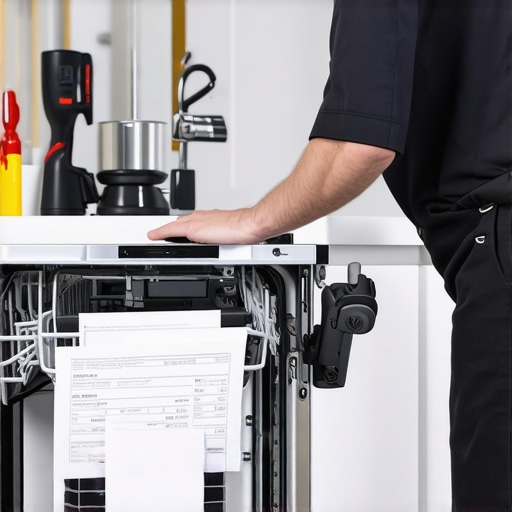
Top Tips for Dishwasher Parts & Warranty Installation Success
Have you ever stared in frustration at a washing machine…

Best Tips for Reliable Dishwasher Parts & Installation Trust in 2025
Discovering the Secret to Reliable Dishwasher Parts — My Personal…

Smart Dishwasher Installation & Warranty: How to Ensure Long-Lasting Performance
My Journey to Reliable Dishwasher Performance: A Personal PerspectiveWhen I…