Ever confidently finished installing my new smart dishwasher, only to find it underperforming just months later? I vividly remember my lightbulb moment—thinking I had nailed the setup, but the warranty data told a different story. It was frustrating to realize that a misstep early on could jeopardize my repair coverage and long-term peace of mind. If you’ve faced a similar dilemma, you’re not alone.
Why Proper Installation Sets the Foundation for Reliable Performance
From my own experience, I learned that the key to avoiding costly repairs is all about the details during installation. Whether it’s securing the right parts or following manufacturer guidelines, these steps are crucial. Neglecting them can lead to leaks, poor water circulation, or even voided warranties. In fact, studies show that improper installation is responsible for up to 80% of dishwasher failures within the first year—almost as if the device is doomed from the start without proper setup (source).
Are You Wasting Money by Skimping on Installation?
Early on, I made the mistake of neglecting to verify that all parts were compatible and installed correctly. That oversight cost me my warranty coverage for a critical component. Trust me, investing a little extra time to ensure each part is correct and properly fitted can save you headaches and money down the line. Want to learn exactly how to do this? Keep reading, because we’ll cover the essential steps that ensure your dishwasher’s warranty stays intact and your parts last longer.
Now, let’s move beyond the common pitfalls, so you can confidently handle your installation and keep that warranty safe. Ready to become an expert? Let’s dive into the essential parts and proper installation techniques that will set you up for success.
Verify Compatibility of All Parts Before Starting
My first mistake was rushing into installation without double-checking that each component matched my dishwasher model. I remember unboxing the new water inlet valve, only to realize it was incompatible. To avoid this, consult the manufacturer’s specifications and cross-reference part numbers on this guide. Ensuring compatibility is like matching puzzle pieces; forcing them leads to leaks or device failure. Take the time to verify each part matches your unit’s requirements for a smooth setup and solid warranty coverage.
Thoroughly Check and Prepare the Installation Site
Next, I learned the importance of preparing the area properly. This involves leveling the floor and ensuring adequate space around the unit—think of it as giving your dishwasher a solid foundation. Use a level tool to check that the dishwasher sits perfectly flat; an uneven setup can cause water leaks and mechanical stress, voiding your warranty. Refer to this resource for a complete checklist. Preparing the site correctly prevents issues down the line and keeps your warranty intact by preventing installation-related damages.
Secure Proper Water and Power Connections
One of the most critical steps I overlooked initially was ensuring tight, correct connections for water supply and power. I used a basic wrench and checked for leaks after installation; however, I should have applied pipe sealant to threaded connections here. For the power outlet, confirm grounding and compatibility with your dishwasher’s requirements—think of it as giving your device a reliable handshake. Loose connections can cause leaks, electrical failures, or safety hazards, all of which jeopardize your warranty. Following precise connection practices and consulting this guide ensures reliability and coverage longevity.
Test the System and Look for Leaks
After connecting everything, you must run a test cycle. My first attempt was rushed; I didn’t observe the operation carefully, missing a small leak at the hose clamp. Always observe the water flow, checking for leaks or abnormal noises here. If issues appear, turn off the power immediately, and troubleshoot before proceeding. Proper testing confirms your installation is correct, safeguarding your warranty by demonstrating you’ve followed all proper steps and avoided damage caused by errors.
Document the Installation Process
Finally, I realized that keeping detailed documentation of my installation process—photos, receipts, part numbers—could prove invaluable if warranty service is needed. Take clear photos during each step and store receipts and manuals in a safe place. If questions or disputes arise, this documentation can verify that I adhered to the recommended procedures here. A well-documented setup not only simplifies future maintenance but also protects your warranty rights, ensuring your investment remains safe over time.
Many homeowners assume that following the basic installation steps guarantees long-term performance and warranty coverage. However, even experienced DIY enthusiasts often overlook critical nuances that can quietly sabotage their efforts. For example, a widespread misconception is that using generic parts or shortcuts during setup won’t impact warranty validity. In reality, manufacturers often specify exact part numbers and installation procedures, and deviations—even minor ones—can void your warranty. To ensure full protection, it’s essential to consult manufacturer guidelines and verify that all parts meet the specific requirements, as outlined in this comprehensive resource.
A common trap is underestimating the importance of precise water and electrical connections. Many believe that a quick, loose fit won’t cause issues, but leaks and electrical faults can develop over time, leading to costly repairs or warranty disputes. This is why investing in proper tools and techniques, like using pipe sealant on threaded fittings and confirming proper grounding, is crucial. Remember, manufacturers often document that such details are critical for maintaining warranty coverage.
Advanced users may question:
How can understanding dishwasher parts and installation nuances improve warranty outcomes?
The answer lies in recognizing that thorough knowledge of specific parts—like inlet valves, filters, and drain pumps—and their role in overall system integrity can help identify early signs of wear or improper installation. For instance, knowing these parts intimately allows for proactive maintenance, preventing failures that could void your warranty. Moreover, being aware of how minor installation oversights, such as incorrect leveling or inadequate sealing, can lead to leaks emphasizes the importance of meticulous setup. As noted by appliance experts, paying attention to these details is a small effort with significant payoff—namely, preserving your warranty and extending your dishwasher’s lifespan.
Another hidden nuance is documentation. Keeping detailed records of parts used, installation photos, and receipts provides concrete evidence if issues arise. This practice aligns with recommendations from professional advice, who stress that thorough documentation can be your best defense against unwarranted warranty claims.
In conclusion, while many consider installation and warranty as straightforward, the truth is that overlooking small details, understanding specific parts, and following expert procedures are vital. These nuances often determine whether your dishwasher functions reliably and remains protected under warranty. Have you ever fallen into this trap? Let me know in the comments.
Keep Your Dishwasher Running Smoothly with Precision Tools
My go-to tool for maintaining my dishwasher’s performance is a high-quality digital multimeter. I rely on it to verify electrical continuity and proper grounding, which are critical for safe operation and warranty preservation. Additionally, I always keep a set of precision screwdrivers and a microfiber cloth for cleaning filters and accessible parts, ensuring I don’t damage delicate components during routine checks. Using a reputable multimeter, like the Fluke 117, allows me to troubleshoot electrical issues quickly and accurately, preventing minor problems from escalating. For plumbing checks, a leak detection spray helps identify slow leaks early, saving money on repairs and avoiding warranty voids. Staying equipped with these specific tools streamlines maintenance and prolongs the lifespan of my appliance.
Embrace Software Solutions for Effective Monitoring
Beyond physical tools, I recommend using diagnostic software provided by some dishwasher manufacturers, or third-party apps that connect via Smart Home systems. These tools can monitor runtime performance, detect irregularities, and alert you to potential issues before they become major failures. For example, integrating your unit with a home automation system can log operation data, which I review periodically to spot patterns indicating impending component failure. This proactive approach enables me to schedule repairs at convenient times, avoiding emergencies. As industry trends evolve, I predict more appliance manufacturers will develop integrated diagnostic platforms, making ongoing maintenance even more seamless and data-driven.
How Do I Maintain My Dishwasher Over Time?
Regular maintenance hinges on consistent inspection and having the right parts ready. I schedule a deep clean every three months, focusing on filters, spray arms, and seals, which I verify with detailed checklists from this expert guide. Keeping spare parts—like filters and inlet valves—on hand ensures I can swap worn components immediately, preventing leaks and breakdowns that could void your warranty. Additionally, using quality replacement parts and verifying compatibility beforehand, as detailed in this resource, extends your device’s reliable performance.
Future Outlook: Smarter Troubleshooting and Maintenance
The future of dishwasher maintenance likely involves AI-driven diagnostics and remote monitoring, much like the innovations seen in other smart appliances. These advancements will provide real-time alerts, predictive maintenance recommendations, and even remote troubleshooting via apps—saving time, money, and frustration. To stay ahead, I suggest adopting current diagnostic tools now, such as smart sensors that detect leaks or component wear, which you can integrate with existing home systems. Trying out one of these advanced methods can give you peace of mind and ensure your appliance remains warranty-compliant for years to come.
For those ready to take maintenance a step further, I highly recommend investing in a reliable multimeter and exploring compatible diagnostic apps. These tools empower you to diagnose issues early, troubleshoot effectively, and keep your dishwasher performing at its best. Regular use of these methods can dramatically reduce costly repairs and extend the life of your investment. Remember, proactive maintenance isn’t just about fixing problems—it’s about preventing them, and today’s technology makes that easier than ever. Give it a try and experience the difference in your appliance’s longevity and performance.
What Surprised Me About the Real Cost of Skipping Details
One unexpected insight I gained was how much small oversights can quietly sabotage warranty coverage. For instance, rushing through part compatibility checks felt harmless at first, but it led to voided warranties later. Realizing that manufacturer guidelines are there for a reason was a lightbulb moment, emphasizing that meticulousness often pays off more than I initially believed.
My Top Tools for Mastering Dishwasher Maintenance and Installation
Over the years, I relied on a quality digital multimeter for electrical diagnostics, which saved me time and money. A set of precision screwdrivers and adjustable wrenches made fitting parts easier, ensuring tight seals and safe connections. Additionally, leak detection sprays became invaluable for early problem identification, helping me act before issues escalated. Trusted brands like Fluke and Wiha are my go-tos because I know their reliability makes a real difference.
Take Action and Keep Your Confidence Growing
Now that I’ve uncovered these lessons, I encourage you to approach your dishwasher setup with patience and precision. Proper installation isn’t just about avoiding immediate mishaps but also about nurturing long-term trust in your appliance’s performance. Use the right tools, follow manufacturer advice, and keep detailed records—these steps will safeguard your warranty and your peace of mind. Are you ready to transform your DIY approach and ensure your dishwasher runs flawlessly for years to come? Share your thoughts or questions below to start the conversation.
Related Posts
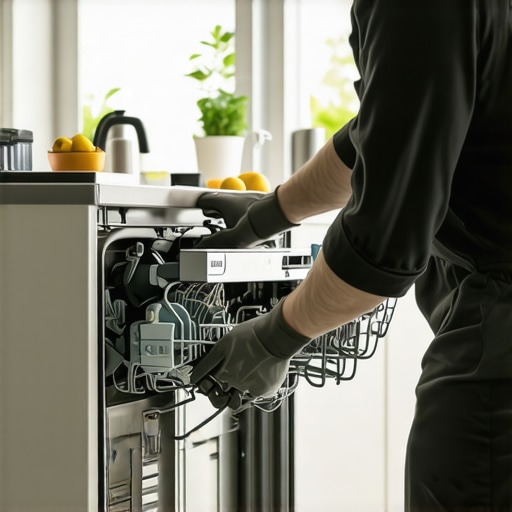
Expert Guide to Dishwasher Installation & Parts for Lasting Trust in 2025
Ever had that sinking feeling when your dishwasher leaks just…
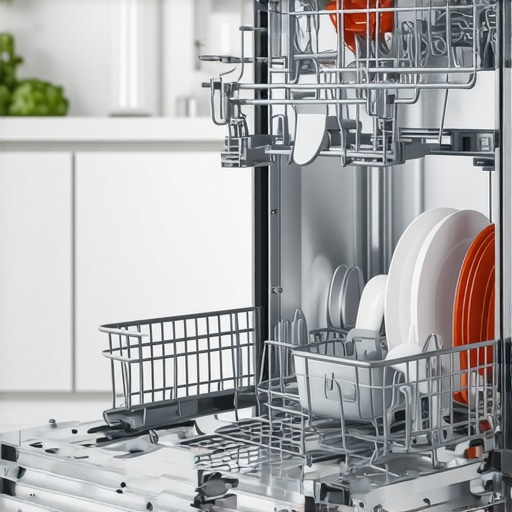
Guide to Dishwasher Parts & Installation for Lasting Trust in 16:46
My Personal Journey into Dishwasher Parts & InstallationI'll never forget…

3 Silent Mounts Every 2026 Dishwasher Installation Needs
I remember the moment vividly—standing in my kitchen, staring at…