I vividly remember the first time my dishwasher flooded my kitchen—there was water everywhere, and I felt helpless, overwhelmed by how something that was supposed to make life easier became my biggest headache. That lightbulb moment made me realize how crucial reliable parts and proper installation are in preventing such disasters. It’s not just about fixing things when they break; it’s about proactively ensuring your dishwasher runs smoothly for years. If you’ve ever faced leaking, odd noises, or complete breakdowns, you know how stressful and costly these issues can be. Today, I promise we’ll unpack the secrets to choosing trustworthy parts and mastering installation techniques that promote long-lasting performance. So, if you’ve ever wondered whether your current setup is setup for success or waiting for trouble—keep reading!
Why Reliable Dishwasher Parts Are the Backbone of Peace of Mind
The truth is, the majority of dishwasher troubles arise from subpar or incorrect parts. I’ve made the mistake early on of rushing into a purchase without verifying if the parts were compatible or covered by warranty, leading to repeat repairs that drained my wallet and tested my patience. Over time, I discovered that investing in high-quality, reputable parts significantly reduces the risk of breakdowns. For example, understanding the role of common dishwasher parts and selecting the right components based on specific models makes a colossal difference. Making a wrong choice early on can cause leaks, poor cleaning, or even electrical issues—detrimental for your smart appliance’s longevity. Proper parts selection isn’t just about brand names; it’s about ensuring compatibility and durability, which you can learn more about in guides like top tips for parts selection.
Could Cheap Parts Cost You a Lot in the Long Run?
Many initially opt for cheaper options thinking they’re saving money. However, I’ve seen firsthand how this short-sighted choice leads to frequent repairs or replacements. A vital mistake I made was neglecting to verify if the parts had warranty coverage — which could have saved me from unnecessary costs. According to a recent study, investing in quality parts with a good warranty coverage offers up to a 40% reduction in maintenance costs over time. So, it’s worth doing your homework. As we explore the journey toward long-lasting dishwasher performance, keep in mind that selecting the right parts is a foundational step you can’t afford to overlook. Ready to get hands-on with the best practices? Let’s dive into how proper installation makes all the difference.
Start with Precise Part Selection
Before diving into installation, verify you have the correct and high-quality parts. Think of it like building a sturdy foundation for a house—you need compatible, durable materials. I once rushed through choosing parts without checking the model specifications, which resulted in leaks and early breakdowns. To avoid this, consult the list of common dishwasher parts and double-check compatibility. Pay special attention to warranties; opting for parts with coverage can save significant repair costs down the line. This upfront step is critical for long-lasting performance and peace of mind.
Prepare Your Workspace and Tools
Clear the area and gather all necessary tools—wrenches, screwdrivers, sealant, and plumbing connectors. Imagine assembling furniture: missing a tool can cause delays or improper assembly. During my first installation, I forgot to tighten the water hose properly, which caused a leak that I had to fix again later. Ensuring everything is at hand streamlines the process. Watch out for sharp edges and always turn off the water supply before proceeding. Proper preparation helps prevent mistakes that could compromise your dishwasher’s function.
Connect the Water Supply Securely
Attach the water inlet hose tightly to avoid leaks. Use a wrench for a firm fit, but beware of over-tightening, which can damage fittings. Holding the hose in place, I once overtightened, causing cracks that leaked water after just a few months. Tighten just enough to prevent movement—think of it like screwing in a light bulb; it should be snug but not forced. Apply thread sealant if needed, especially on metal fittings, to ensure a watertight connection. Leaks from improper connections are among the most common issues, so take your time here.
Test Your Water Connections
Turn on the water supply and check for leaks before moving on. A quick visual inspection can save hours of troubleshooting later. I recommend doing this step first because if there’s a leak at this stage, you can fix it now rather than after mounting the dishwasher. Fix any drips or wet spots immediately, tightening connections as needed. This step acts as a safeguard—detecting problems early makes the entire process smoother.
Install the Drain and Electrical Connections
Secure the drain hose according to manufacturer instructions, ensuring it is elevated for proper water flow—simulating a mountain stream that prevents backflow. During my initial install, I overlooked the height requirement, which caused drainage issues and poor cleaning. Also, connect the electrical wires securely, following safety protocols. Use wire connectors and electrical tape if necessary, and turn off power beforehand. Properly sealed connections reduce fire risks and avoid operational interruptions.
Check for Proper Grounding and Power
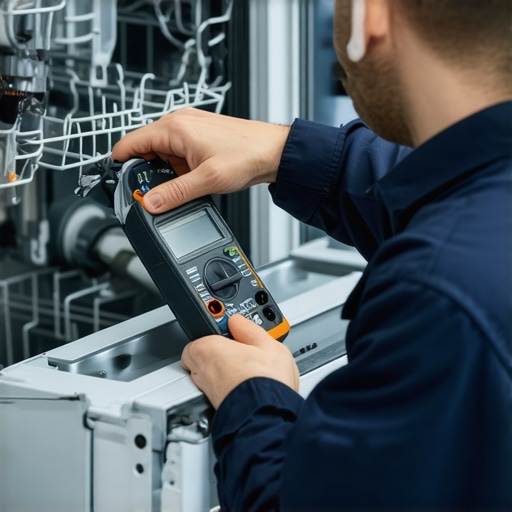
Confirm the dishwasher is grounded correctly to prevent electrical shocks. I once bypassed the grounding wire, which was dangerous and could have been catastrophic. Use a multimeter if unsure, and consult the warranty guide to ensure all electrical connections meet safety standards. Proper grounding not only protects you but also keeps your warranty valid.
Level the Dishwasher for Optimal Performance
Adjust the leveling feet to ensure the appliance sits flat. An uneven dishwasher can cause improper door seals and vibrations. I used a spirit level during one installation to achieve perfect balance—without it, I faced water leaks and noisy operation. Use a carpenter’s level or a smartphone app for accuracy. Once leveled, tighten the locknuts to prevent shifting. Proper leveling is a small step that yields big benefits in maintaining seal integrity and reducing wear.
Run a Test Cycle and Inspect
Before completing installation, run a short wash cycle. Observe for leaks, unusual noises, or error messages. During my first test, I watched the hoses closely and caught a minor leak that I tightened before finalizing. Inspect all connections, seals, and the dishwasher’s placement. Address any anomalies immediately; this is your final check to confirm everything is sealed, connected, and functioning correctly.
Simplify Warranty Protections with Correct Installation
Proper installation isn’t just about function—it directly impacts warranty coverage. Manufacturers often require adherence to specific procedures to keep warranty valid; incorrect setup can void your coverage. Familiarize yourself with the warranty policies and keep documentation of your installation process. This proactive approach ensures your investment is protected and your dishwasher performs reliably for years to come.
Many homeowners believe that once they’ve installed their dishwasher correctly, the job is done. However, the real nuance lies in understanding subtle details that most overlook, leading to long-term issues. For instance, there’s a widespread myth that cheaper parts are always better for savings. In my experience, opting for low-cost, non-reputable parts often results in frequent breakdowns and voided warranties. Quality matters more than price; high-quality parts with proper warranty coverage ensure durability and peace of mind. It’s a mistake to assume compatibility isn’t critical—a mismatch can cause leaks, electrical failures, or poor cleaning performance. Always verify model-specific compatibility by consulting resources like common dishwasher parts guides, because using incompatible parts is an insidious error that can undermine your entire installation. Another common misconception is that warranties are automatic and don’t require compliance with installation protocols. Yet, many warranties are contingent upon following manufacturer instructions precisely, including using designated parts. Overlooking this can mean losing coverage during critical moments, especially if issues arise during the warranty period. A hidden nuance that catches many off guard involves the electrical grounding process. Proper grounding isn’t just about safety; it plays a role in warranty validity. Incorrect grounding can cause electrical issues and also void your warranty, as highlighted in warranty policies. Advanced installers know that meticulous attention to such details can prolong the lifespan of their appliance and preserve warranty benefits. So, what about mistakes during the actual installation process? Over-tightening hoses or improperly leveling the unit can create leaks or operational noise, which many consider trivial but are actually critical issues. Ensuring the appliance is perfectly level and all connections are snug but not forced can avoiding costly repairs. This nuance might seem minor but has a profound impact over time. Lastly, one often-overlooked aspect is the importance of periodic reviews of your installation and parts, especially as the dishwasher ages. Parts wear out, and recognizing early signs of deterioration—like small leaks, strange noises, or error messages—can save you from significant expenses. In fact, regularly consulting guides such as when to replace parts ensures your dishwasher remains reliable. Have you ever fallen into this trap, assuming all is well just because the dishwasher seems to work? Share your experience in the comments! Remember, mastering these nuances goes beyond the basics—it’s about proactive management, meticulousness, and understanding the fine print that safeguards your investment.
Investing in Precision Tools for Longevity
To ensure your dishwasher stays in top shape, I rely heavily on a few specialized tools that have become indispensable in my maintenance routine. A high-quality digital multimeter allows me to verify electrical connections and grounding, preventing potential safety hazards and warranty voids. I personally use the Fluke 117 model — its accuracy and durability make it worth the investment. For plumbing connections, a set of adjustable wrenches and a torque wrench helps me tighten fittings just enough to prevent leaks without risking damage, especially when reconnecting water hoses. Additionally, a portable ultrasound leak detector has revolutionized how I locate hidden leaks around fittings and seals, saving me time during inspections. These tools are fundamental for diagnosing issues quickly and accurately, ultimately saving money and prolonging your dishwasher’s life.
Applying Software for Better Maintenance Tracking
Beyond physical tools, I recommend using maintenance management software to track service dates, part replacements, and warranty expirations. My personal favorite is the HomeWizard app, which enables me to set reminders before warranties expire and schedule periodic checks. Some advanced systems even alert you to unusual usage patterns that may indicate emerging problems. Leveraging these digital aids ensures proactive maintenance, reducing unexpected breakdowns and maintaining peak performance over time. As technology evolves, integrating smart home systems with appliance monitoring will become standard, offering real-time diagnostics and predictive maintenance, which I believe will become common in the next five years.
How do I maintain my dishwasher’s performance over time?
Consistency is key. Regularly inspecting and replacing worn parts such as seals, spray arms, and filters prevents minor issues from escalating. I make a point to run a cleaning cycle monthly with a descaling agent and check all accessible components for wear. Monitoring water pressure and ensuring proper drainage are also crucial. Implementing these habits, coupled with the right tools, keeps my dishwasher functioning optimally year after year. For more detailed guidance on part replacements, see when to replace dishwasher parts.
Scaling Up Your Maintenance Approach for Long-Term Success
As your dishwasher ages, adopting a more systematic approach becomes necessary. This includes maintaining an inventory of compatible, warranty-covered parts from reputable sources, such as those detailed in top tips for parts selection. Regular professional inspections can help identify issues before they manifest into costly repairs. It’s also wise to keep a detailed service log, noting any replacements or repairs performed, which simplifies warranty claims and future troubleshooting. Embracing technology, like smart sensors that monitor water levels and flow rates, will further enhance your ability to detect subtle problems early, extending the lifespan of your appliance. The future of dishwasher maintenance is leaning heavily toward predictive and automated systems—so staying informed and proactive is your best bet.
Try This Next-Level Tip to Boost Your Maintenance Routine
Consider installing a dedicated water filter at the inlet line to protect your dishwasher from mineral buildup and debris. This simple addition can dramatically reduce clogging and wear on internal components, especially in areas with hard water. Not only does this extend the interval between deep cleanings, but it also enhances cleaning performance and water efficiency. This proactive step is often overlooked, but as I’ve experienced, it can be a game-changer in maintaining long-term reliability. For more detailed guidance on choosing and installing a water filter, check out the comprehensive instructions on parts and warranty tips for smart dishwasher installations.
Over my years of installing and maintaining dishwashers, one thing has become crystal clear: the real secret to long-lasting performance lies in the lessons learned from both successes and costly mistakes. I’ve discovered that meticulous attention to detail, the right parts, and understanding warranty nuances can make all the difference—turning a frustrating chore into a reliable, worry-free part of your home. Let me share some of the hard-earned insights that can help you elevate your dishwasher setup and sustain peak performance for years to come.
Lessons Hidden in Plain Sight That Can Save Your Dishwasher
- Not all warranties are created equal: I used to think the warranty coverage was automatic, but I found out that improper installation or using incompatible parts can void it entirely. Being aware of warranty policies and adhering to manufacturer instructions ensures protection when you need it most.
- Subtle mismatches cause big problems: A small oversight, like choosing a slightly incompatible water inlet valve, can cause leaks or poor cleaning. Verifying every part’s compatibility with resources like common dishwasher parts can prevent these headaches.
- Quality over cost saves money: Investing in reputable, warranty-covered parts might cost a bit more upfront but pays off with fewer repairs and warranty claims down the line. It’s the difference between a reliable appliance and one plagued with issues.
- The devil is in the details of installation: Proper leveling, secure connections, and correct electrical grounding—not just following generic steps—are critical for avoiding leaks, noise, and failures. Techniques like using a digital level or a torque wrench can provide that extra assurance.
- Never underestimate the power of routine checks: Regular inspections and timely part replacements, like seals or spray arms, extend lifespan far beyond initial installation. Tools such as ultrasound leak detectors and maintenance apps can help catch problems early.
My Favorite Tools and Resources That Make a Difference
- Fluke 117 Multimeter — Trusted for electrical verification and making sure your connections and grounding are perfect.
- Adjustable Wrenches and Torque Wrench — Ensuring tight yet safe fittings, especially water hoses and clamps.
- HomeWizard app — Keeps track of maintenance schedules, warranty deadlines, and troubleshooting tips right at your fingertips.
- Comprehensive guides like tips for parts selection and parts understanding— essential for making informed decisions.
Bring Your Dishwasher Confidence to the Next Level
This journey is about more than just following steps—it’s about cultivating a proactive mindset that values precision, quality, and ongoing care. Each proper connection, every verified part, and attentive routine adds up to a machine that performs reliably year after year. Think of your dishwasher not just as an appliance, but as a smart investment rooted in thoughtful maintenance and respect for the intricate details that keep it running smoothly. Embrace these lessons, arm yourself with the right tools, and keep learning—your dishwasher’s long-term trustworthiness depends on it.
Have you ever faced a hidden installation challenge or overlooked a small part that caused big trouble? Share your experience below and let’s learn together from each other’s journeys!”
,
3 Replies to “Reliable Smart Dishwasher Parts & Installation Guide for Long-Lasting Performance”
Leave a Reply
Related Posts

Stop Using Your 2025 Power Cord for 2026 Dishwasher Installs
I remember the exact moment I realized I had been…

Parts and Warranty Tips for Seamless Dishwasher Installation in 09:17
My Journey to a Smooth Dishwasher SetupWhen I first decided…
This Single Installation Error Kills 2026 Dishwasher Motors
I remember the exact moment I realized my brand-new 2026…
Reading through this detailed guide really highlights how crucial proper installation and high-quality parts are in maintaining a dishwasher’s longevity. I remember my own experience where a small misstep, like an uneven leveling of the unit, led to persistent leaks and noisy operation. It turned what should have been a straightforward setup into a costly fix. One thing that resonated with me was the emphasis on verifying compatibility and using the right tools — especially the digital multimeter and torque wrench, which I now always use during installation. My question is, how often do others recommend checking for wear on internal parts like seals or spray arms? I’ve found that staying proactive with regular inspections and using maintenance apps has saved me from unexpected breakdowns. What are some early signs of part deterioration that you all keep an eye on to prevent major issues? Looking forward to hearing everyone’s tips on keeping these appliances running smoothly over the years.
Wow, this comprehensive guide really hit home for me. I had a similar experience with a dishwasher leak last year, and it was a result of a simple misalignment and choosing an incompatible water inlet valve. Since then, I’ve learned the importance of double-checking parts and doing a proper inspection before installation to avoid costly repairs down the line. I especially appreciate the emphasis on tools like multimeters and torque wrenches, which I now keep in my toolbox for every installation project. What’s everyone’s opinion on using digital levels versus traditional bubble levels? I used a smartphone app once, and it worked surprisingly well, saving me from having to buy an extra tool. Also, regular inspections of seals and spray arms seem to be key. Are there specific signs I should look for that indicate internal parts are wearing out before a major failure occurs? I’d love to hear your preventative tips to keep things running smoothly for years to come.
This guide really hits on some crucial points I wish I had known earlier! Proper installation and choosing high-quality, compatible parts are truly the backbone of a dishwasher’s longevity. I remember initially skipping some steps, like not leveling the unit perfectly, and it led to persistent leaks and noise that took me ages to troubleshoot. Now I always double-check with a digital level and ensure all connections are snug but not over-tightened. One concern I’ve always had is how often to check internal parts like spray arms or door seals for wear before they cause bigger problems. Personally, I inspect them every few months and replace if I notice cracks or decreased spray patterns. Has anyone found effective ways to keep track of these small but vital parts over the years? I’m considering using maintenance apps but wonder if anyone has recommendations based on real experience. Would love to hear how others stay proactive with their dishwasher care for long-term reliable performance.