I remember the frustrating moment when my dishwasher stopped mid-cycle, water pooling on the floor, leaving me scratching my head. It was a wake-up call—that tiny, stubborn leak wasn’t just a minor hiccup but a sign I hadn’t fully understood the importance of proper warranty coverage and selecting the right parts. That experience ignited my quest to master how to get the most out of my dishwasher’s warranty and ensure its longevity.
Why Protecting Your Dishwasher Investment Matters More Than Ever
Owning a dishwasher isn’t just about convenience anymore; it’s about safeguarding a significant investment. With modern dishwashers packed with advanced features, city living with limited space, and the rising costs of repairs, understanding how to maximize your warranty coverage can save you hundreds of dollars—and a lot of stress. A well-protected dishwasher doesn’t just work longer; it works smarter.
But here’s the kicker—many folks overlook the crucial role that choosing reliable parts and understanding warranty policies play in extending their appliance’s life. A small mistake in part selection or installation can lead to quicker wear and tear, affecting performance and warranty validity. Recognizing the significance of quality parts and proper installation strategies can make all the difference.
To get started, I recommend diving into the common dishwasher parts essential for installation and maintenance. Proper knowledge about those key components can prevent unnecessary breakdowns. For a comprehensive guide, check out [this resource](https://appliancedoctorz.com/common-dishwasher-parts-and-their-role-in-proper-installation) which explains how selecting the right parts influences durability.
Have you ever faced a sudden dishwasher malfunction and wondered if it could’ve been avoided? That’s exactly what prompted my deep dive into warranty maximization and smart parts selection. In the sections ahead, I’ll share practical tips from my personal experience and expert insights that will help you keep your dishwasher running smoothly and ensure your warranty works for you when needed.
Verify Compatibility Before Buying New Parts
Start by carefully matching replacement parts with your dishwasher model. Mistakes here can void warranties and cause damage. During my last repair, I double-checked part numbers and specifications against the manufacturer’s guide, preventing a mismatch that could have cost me dearly. Use the resource this guide to confirm you’re selecting compatible components.
Focus on Precise Installation Steps
Proper installation is crucial; think of it as assembling a puzzle where every piece must fit perfectly. Skipping bolts or misaligning water hoses can lead to leaks and early wear. I once hurried through a DIY install, ignoring the alignment, which resulted in a leaking seal that worked against my warranty coverage. To avoid this, follow this detailed installation process for best results.
Secure all connections tightly
Loose fittings are like loose screws—they cause problems down the line. Ensure every water inlet and drain hose is firmly attached. Use a torque wrench if needed to achieve manufacturer-recommended tightness, preventing leaks that could damage your warranty status.
Inspect Critical Parts Regularly
Think of your dishwasher like a car—it needs regular check-ups. Focus on the door latch, spray arms, and water inlet valves. During my last inspection, I found a clogged spray arm, which reduced cleaning efficiency and put unnecessary strain on the motor. Regularly check parts that wear out to catch issues early and maintain warranty coverage.
Document Everything and Follow Maintenance Schedules
Keep records of all parts purchased, receipts, and service dates. Take photos of installed components—this documentation helps if warranty claims become necessary. During a repair, I provided detailed records and photos, which expedited my warranty process. Follow the manufacturer’s recommended maintenance and inspection schedule to avoid voiding warranties.
Test After Repairs and Installations
Always run a test cycle after finishing installation or replacing parts to verify everything functions correctly. I once skipped this step and later discovered a minor leak. Testing allows you to catch issues early—saving time and preserving your warranty. Pay particular attention to water flow and drainage, ensuring no leaks or strange noises occur.
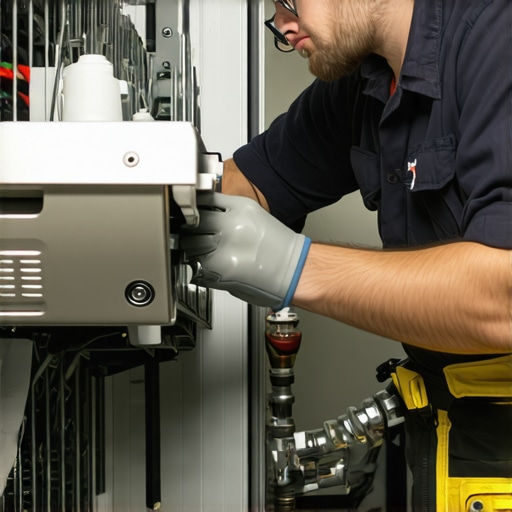 While many believe that choosing the right parts and proper installation guarantees warranty coverage, the reality is more nuanced. One crucial mistake is assuming that a quick DIY install or choosing low-cost parts won’t impact your warranty or dishwasher longevity. In my experience, these shortcuts often lead to more repairs and voided warranties. For example, using incompatible replacement parts, even if they seem similar, can cause leaks or motor strain, reducing your dishwasher’s lifespan and risking warranty denial. A common myth is that all replacement parts are equal; however, as highlighted in the comprehensive guide to parts compatibility, using genuine or manufacturer-approved components is vital for long-term performance and warranty validity. Another trap to avoid is neglecting precise installation steps—skipping torque specifications or ignoring manufacturer instructions can create hidden issues that only surface after warranty claims are made. It’s essential to understand that warranty policies often specify that improper installation or the use of non-approved parts can nullify coverage, even if the dishwasher malfunction is unrelated. An advanced tip for seasoned users is to regularly verify part wear and document installation details—this proactive approach can be critical when challenging warranty denials. For those seeking deep insights, consulting detailed guides like this troubleshooting resource sheds light on nuances that even experienced DIYers might overlook. Remember, a well-informed approach to parts selection, installation, and warranty policies isn’t just for peace of mind—it’s a strategic move that preserves your investment. Have you ever fallen into this trap? Let me know in the comments.Maintaining your dishwasher over the long term requires more than just routine cleaning; it demands the right tools and thoughtful methods to ensure durability and optimal performance. One tool I swear by is a high-quality digital multimeter. I use it not only to test electrical connections but also to verify the continuity of wiring harnesses—preventing potential surprises during repairs. For checking water pressure and leaks, a reliable pressure gauge is invaluable; it helps me identify issues with inlet valves before they cause damage or void warranty coverage. When it comes to parts inspection, a flexible inspection camera or borescope is a game-changer. It allows me to peer into tight spaces, such as behind spray arms or inside water intake channels, that are otherwise inaccessible. This practical approach saves me time and helps catch early signs of wear, like clogged spray arms or worn seals, consistent with recommendations found in this expert guide.
For software or diagnostics, many modern dishwashers have built-in error codes, but for older models, I rely on diagnostic tools like the [Yard Force Diagnostic Tester](https://appliancedoctorz.com/essential-parts-for-troubleshooting-dishwasher-installation-issues), which enables me to run specific tests on components such as the control board, sensors, and relays. Regular use of these tools helps maintain warranty eligibility by ensuring that parts function within specified parameters.
Looking forward, I predict that advanced diagnostic software integrated with smartphone apps will become standard, making maintenance even more accessible. Imagine receiving real-time alerts about potential issues before a breakdown occurs, just like a health app for your dishwasher.
**How do I maintain dishwasher performance over time?** One effective method is to incorporate a schedule for routine inspections using these tools—checking for leaks, listening for strange noises, and verifying electrical connections—before problems escalate. Regularly updating your knowledge base through expert resources ensures you’re aware of the latest maintenance techniques and warranty requirements.
Remember, investing in the right tools isn’t just about making repairs easier; it’s a proactive step that preserves your warranty coverage and extends your dishwasher’s lifespan. If you haven’t already, try using a flexible inspection camera during your next inspection—it’s a small investment that pays off by catching issues early and avoiding costly repairs.
Hidden Traps I Wish I Knew About Installing and Maintaining My Dishwasher
- One mistake I made early on was assuming that all compatible parts were identical. Turns out, genuine or manufacturer-approved components are crucial; using cheaper alternatives often voids warranty and leads to premature failures. This realization made me dive deeper into verifying parts compatibility (check this guide).
- Skipping detailed installation steps can be tempting when you’re eager to finish. However, unevenly tightened water fittings or misaligned spray arms caused leaks that damaged my warranty coverage. Following precise torque specifications (installation guide) helps prevent these issues.
- Regular inspections can reveal early warning signs like clogged spray arms or worn seals. Using simple tools like borescopes and pressure gauges (my favorite inspection tools) has saved me from costly repairs and protected my warranty.
- Document every repair, part replacement, and inspection with photos and receipts. When warranty claims arose unexpectedly, detailed records expedited my process and avoided unnecessary denial of coverage. It’s a small step with big rewards.
My Go-To Resources for Keeping My Dishwasher in Top Shape
- Comprehensive parts guides like this resource have been a game-changer for verifying compatibility and understanding each component’s role.
- Detailed installation tactics found in this step-by-step process ensure correct assembly, minimizing leaks and warranty issues.
- For ongoing diagnostics, trusted tools like multi-meters, borescopes, and pressure gauges (my preferred toolkit) help catch early problems before they escalate.
- Staying informed with expert articles such as this insightful piece keeps me ahead of the curve, ensuring I make smart choices and protect my investment.
Don’t Let Your Hard Work Go to Waste—Take Action Today
Related Posts
4 Water Inlet Valve Symptoms Your 2026 Warranty Actually Covers
I remember the first time my dishwasher started acting up—strange…
![3 Hidden Data Logs Your 2026 Dishwasher Warranty Requires [Fix]](https://appliancedoctorz.com/wp-content/uploads/2026/03/3-Hidden-Data-Logs-Your-2026-Dishwasher-Warranty-Requires-Fix.jpeg)
3 Hidden Data Logs Your 2026 Dishwasher Warranty Requires [Fix]
The day my brand-new dishwasher refused to start, I felt…

Denied Claim? Get Your 2026 Warranty Approved with This App Log
Last month, my brand-new dishwasher stopped mid-cycle, and I was…