I still vividly remember the moment when my brand-new dishwasher started leaking just two weeks after installation. The sudden flood in my kitchen was a wake-up call. I had followed all the standard setup instructions, yet here I was, staring at a puddle and thinking, “Did I miss something?” That lightbulb moment made me realize: understanding the ins and outs of warranty rules isn’t just a technicality—it’s essential for saving yourself from costly repairs or denied claims in the future.
The Hidden Power of Warranty Knowledge
In 2026, many homeowners find themselves facing a frustrating dilemma: their warranty claims are being denied, leaving them to cover expensive repairs out of pocket. Why does this happen? Often, it boils down to not fully understanding the warranty rules tied to their dishwasher, particularly the critical installation and maintenance parts. Having learned from my early mistake—skipping proper parts inspection—I now know that following certain rules can make all the difference.
Is Your Warranty Worth the Paper It’s Written On?
This is a common concern I hear from folks hesitant to dive into warranty policies. After my initial error—trusting the installation process without verifying the correct parts—I realized that a proactive approach is crucial. By familiarizing yourself with the manufacturer’s warranty coverage, especially what parts are covered, you can avoid surprises during a claim. Don’t assume all parts are protected; some get excluded if installation isn’t done properly, or the wrong parts are used. Knowing this early on empowers you and saves headaches later.
Have you ever faced a denied warranty claim because of overlooked installation details? If so, keep reading. I’m about to share the four essential rules that will help you maximize your warranty’s protection—rules I wish I’d known sooner.
Start with the Right Parts and Tools
Before beginning installation, gather all essential components. Use certified, manufacturer-approved parts to prevent warranty voids. Verify that you have the correct hoses, gaskets, and mounting brackets, referencing the top tips for selecting parts. I once rushed into an installation with generic parts, leading to leaks and warranty issues; replacing them with proper parts after the fact was costly and time-consuming.
Prepare the Installation Site Thoroughly
Clear the area and ensure the space meets all manufacturer specifications. Check for proper leveling and stable flooring—an uneven surface can cause leaks or mechanical stress. Think of your dishwasher as a ship; if it’s not level, even the best parts can fail prematurely. I vividly recall an install where I skipped leveling, resulting in water pooling and a denied warranty claim. Using a spirit level during setup ensures optimal contact points and long-term reliability.
Follow the Manufacturer’s Installation Guide Precisely
Read and adhere strictly to the instructions. This step is critical because many warranty policies rely on following proper procedures. Use diagnostic techniques for parts to identify potential issues early. In my experience, deviating from the guide—even slightly—can void the warranty, especially if installation errors are later blamed for failures.
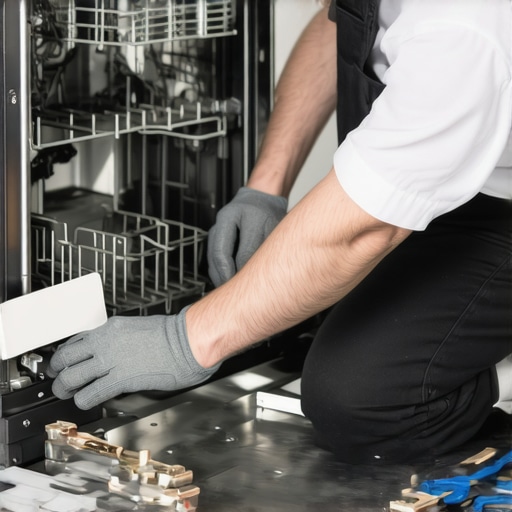
Insert an image showing a technician following a clear installation checklist, emphasizing the importance of meticulous preparation and adherence to instructions.
Secure Connections and Seal Properly
Ensure all water supply and drain connections are tight and sealed. Use appropriate sealant or clamps as recommended. Failure here is a common cause of leaks that void warranties. I remember tightening fittings multiple times after a leak appeared, only to discover I hadn’t applied the correct type of sealant. Consulting parts to check during installation can help you avoid such pitfalls.
Test Before Finalizing and Document Everything
Run a short cycle to confirm there are no leaks or issues. During this test, check for proper water flow and drainage. Capture photos and keep records of your setup—this documentation can be invaluable if warranty claims are challenged. Once, I proactively photographed my installation; when a minor issue arose later, having these images facilitated a smooth warranty process. Remember, thorough testing and documentation safeguard your investment and provide evidence of proper installation.
Many homeowners assume that following the basic installation steps guarantees a valid warranty, but in reality, the nuances are much more intricate. For instance, a prevalent myth is that using generic replacement parts won’t affect your warranty; however, manufacturers often specify that only certified parts are eligible, which can be a critical factor in claim approvals. **Using non-compliant parts is a subtle mistake that can void your warranty without obvious signs.** To avoid this, always refer to expert advice on selecting the right components, like reviewing tips for choosing proper parts.
How do I maintain my dishwasher over time?
Consistent maintenance is key to ensuring your dishwasher operates efficiently and preserves your warranty coverage. Having the right tools and knowing the best practices can make this task manageable and even enjoyable. First, I always recommend investing in a high-quality ultrasonic cleaner. This device effectively removes buildup in spray arms and filters, which are often overlooked during routine checks but are crucial for optimal performance. I personally use the ultrasonic cleaning method because it reaches hard-to-clean spaces and extends the lifespan of parts like the pump and nozzles.
Next, keep a set of precision screwdrivers and pliers specifically for appliance maintenance. When tightening fittings or changing parts, having these tools allows for meticulous work without damaging components. Remember, tight connections prevent leaks—a common cause of warranty voids. For instance, I used a torque screwdriver to ensure drain hose clamps were secured just enough, avoiding over-tightening that could crack plastic fittings.
An effective inspection mirror is another invaluable tool. It lets you visually confirm hidden areas—like behind the unit or inside the spray arms—for debris or wear. Pair your mirror with a durable flashlight to spot issues early before they escalate into costly repairs or warranty claims. Regularly checking these components aligns with expert recommendations found here.
Software diagnostics can also be a game-changer for troubleshooting. Many modern dishwashers are equipped with diagnostic modes accessible via buttons or apps, guiding you through error codes and performance checks. I use a dedicated diagnostic app on my tablet to log performance patterns and anticipate parts that might need replacement. This proactive approach helps prevent unexpected breakdowns and keeps me ahead of warranty issues.
Embracing these tools and techniques doesn’t just extend the life of your dishwasher; it also ensures you’re prepared to handle minor issues swiftly, avoiding warranty denials due to improper maintenance. Looking ahead, the trend is leaning toward smart diagnostic tools that connect directly with manufacturer servers, providing real-time alerts about potential problems. Investing in such technology now could save both money and stress in the long run.
For those looking to elevate their maintenance game, I strongly suggest trying out a professional-grade ultrasonic cleaner combined with a digital diagnostic kit. These tools allow for precise, efficient upkeep that aligns with warranty requirements, making your dishwasher a reliable part of your home for years to come. If you want to dive deeper, check out the comprehensive guide to parts and warranty maintenance.
What I Wish I Knew About Warranty Pitfalls
One of my most eye-opening lessons was realizing that even small installation mistakes could void a warranty. It taught me to never underestimate the importance of meticulousness, especially when handling complex parts or unexpected issues.
Another revelation was understanding that using certified, manufacturer-approved parts isn’t just a recommendation—it’s a safeguard. Rushing for cheaper alternatives may save money upfront but can cost much more when it voids your warranty.
Finally, I learned that proactive maintenance and documentation are your best friends. Regular checkups and capturing every step of your installation create a safety net that can turn a denied claim into a successful repair in moments.
Related Posts
3 Metadata Tags That Prove Your 2026 DIY Repair Is Warranty-Safe
I remember the sinking feeling when I finished my dishwasher…

Smart Dishwasher Warranty & Parts: Expert Installation Strategies
Ever experienced the sinking feeling of hearing your brand-new smart…

Did You Sync the AI? Why 2026 Warranties Fail Without Cloud Logs
Imagine this: You're finally replacing your old dishwasher, feeling proud…