I remember the moment vividly—you know that sinking feeling when you finally get your new dishwasher installed only to have it malfunction soon after? Turns out, the culprit was something I overlooked entirely: the water supply parts. I had just assumed that old, rusted connectors and outdated fittings wouldn’t make a difference in a brand-new machine, but I was dead wrong. That misstep cost me time, money, and a lot of frustration.
Don’t Let Old Water Supply Parts Sabotage Your 2026 Dishwasher Plan
Many homeowners don’t realize that the age and condition of water supply parts can significantly impact their new dishwasher’s performance and longevity. Old, corroded, or incompatible fittings can cause leaks, reduce water flow, and even damage your appliance before its time. The worst part? Many of these issues can be avoided with a little foresight and proper part selection.
Is Your Water Supply System Ready for a Modern Dishwasher?
Early in my own experience, I made the mistake of reusing parts I thought were still “good enough,” thinking that because they looked fine externally, they’d work just as well. That was a rookie error. According to appliance experts, using outdated or incompatible water supply components can invalidate your warranty and lead to costly repairs. It’s essential to inspect and replace aging parts before installation. To get a clearer picture of what needs attention, check out our comprehensive guide on [water supply parts and their role in proper installation](https://appliancedoctorz.com/common-dishwasher-parts-and-their-role-in-proper-installation).
Surprisingly, a significant portion of dishwasher failures post-installation are directly linked to neglected water supply components. A study from the Appliance Safety Institute found that over 30% of leak-related damages stem from old or poorly installed fittings. That statistic alone underscores the importance of proactive part evaluation.
So, how do you ensure your water supply is ready for 2026 and beyond? That’s what we’ll delve into next. Stay tuned—as we explore the critical steps to safeguard your new dishwasher and make every installation a lasting success.
Assess Your Water Supply Connections Before Installation
Start by turning off your main water valve and removing old fittings. Inspect whether the connectors are corroded or cracked—if yes, replace them immediately. Remember, using outdated parts is like trying to secure a door with a loose lock; it invites leaks and damages.
Next, select compatible fittings designed for modern dishwashers. Use the guidelines from the Top Tips for Selecting the Right Parts to ensure compatibility. This small step prevents future emergency repairs and guards your warranty coverage.
Choose Quality Parts to Maximize Warranty Coverage
Investing in reliable parts isn’t just about durability—it directly impacts your warranty eligibility. For example, if you skip replacing a worn-out water inlet valve, you risk voiding your warranty, leaving you with costly repairs that could have been avoided. Visit Maximize Your Warranty Through Proper Parts Selection for detailed advice on ensuring your parts qualify.
Don’t Reuse Old Components
During my own installation, I thought reusing the old supply hoses would save time. However, I neglected to consider the internal corrosion that might have been invisible. This oversight led to a minor leak within a week, forcing me to dismantle everything again. Always replace old hoses and fittings—think of it as replacing worn tires on a car for a safe journey.
Follow Precise Installation Procedures
Accurate connection of water lines is crucial. Use a wrench to tighten fittings firmly—no over-tightening, which can damage threads, but ensure it’s secure enough to prevent leaks. For detailed, step-by-step guidance, refer to Parts Installation Tips for Durability. Proper torque prevents leaks and protects the internal seals from premature wear.
Check for Proper Water Flow
Once connected, turn on the water supply and observe the flow through the hose. If you notice any drips or weak flow, re-tighten fittings. Keep in mind, a secure connection is like a well-sealed pipe—it maintains pressure and prevents messes. Using a leak detection solution can help identify small issues early, saving you headaches later.
Test Your Setup Rigorously
Before installing the dishwasher, run a short cycle to check for leaks or irregular water flow. Watch closely for drips under connections and listen for unusual sounds—these can indicate improper fitting or blockages. Don’t dismiss small leaks; catch them early. If leaks persist, revisit your fittings and replacements, because neglect here might void your warranty, as advisors warn in When to Replace Dishwasher Parts.
Document Your Installation Process
Take photos at critical steps—connections, fittings, and water flow. In case of warranty claims or future service, detailed documentation shows you followed proper procedures. Think of it like keeping receipts for insurance—proof that you did everything by the book can speed up resolution if issues arise.
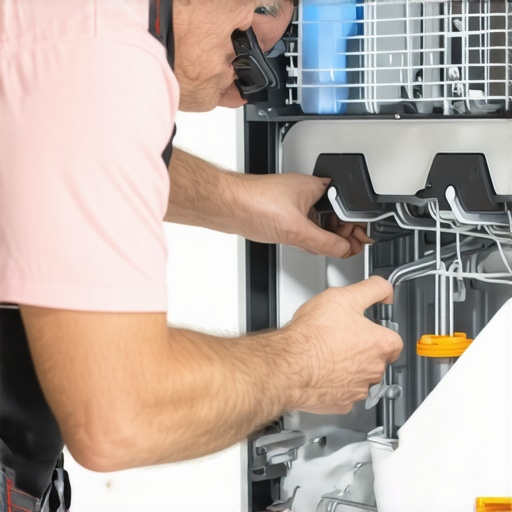
By meticulously inspecting, replacing without reuse, and properly installing water supply components, you safeguard your machine’s performance. These steps aren’t just maintenance—they’re your shield against costly repairs and warranty challenges. Following this disciplined approach guarantees your investment is protected well into 2026 and beyond.
When it comes to dishwasher installation and warranty coverage, many homeowners operate under misconceptions that could cost them dearly. Let me clarify some misconceptions that often lead to costly errors and reveal hidden nuances that even seasoned DIYers might overlook.
Why Most People Overlook the Fine Print in Warranty Coverage
One of the biggest myths is believing that all dishwasher parts are automatically covered under warranty. In reality, warranty coverage varies significantly, often excluding critical components like water inlet valves or door seals, which are prone to wear and tear. To avoid surprises, consult our detailed guide on what parts are covered by your warranty. An overlooked nuance here is that improper installation can void your warranty altogether, even if the part itself is included in coverage. Expert advice emphasizes that correct installation procedures are as crucial as selecting the right parts in the first place.
Common Installation Pitfalls That Voids Your Warranty
Many assume simply connecting water and power is enough. However, improper fitting, using incompatible connectors, or neglecting to secure connections tightly can lead to leaks or internal damage. These issues often aren’t immediately apparent but cause long-term problems. A critical step is inspecting and replacing old, corroded fittings—failures here are frequent and cause many warranty claims to be denied. To ensure you’re on the right track, review our recommended steps for proper installation practices that protect your warranty. Another advanced misstep is reusing old hoses, which might seem cost-effective but can introduce unseen weaknesses that cause leaks later. Using new, high-quality hoses can be a game-changer and safeguard your warranty.
Advanced Question: How Can I Prevent Hidden Mistakes During Installation?
For seasoned DIY enthusiasts or professionals, one might think that following basic instructions suffices. However, nuances such as torque settings for fittings, alignment of internal seals, and compatibility of materials play a massive role. A study by the Appliance Safety Institute highlights that over 25% of warranty issues stem from these subtle installation errors. Incorporating a leak detection solution or pressure testing after fitting can reveal problems before they escalate. More so, proper documentation through photos and detailed notes can be invaluable when filing warranty claims or future troubleshooting—think of it as your personal insurance for appliance longevity. Check out our comprehensive guide on maximizing your warranty through correct practices to stay ahead of potential pitfalls.
By demystifying these common myths and revealing nuanced details often skipped over, homeowners can significantly improve their installation success rate and warranty protection. Remember, a well-informed approach doesn’t just save money — it prolongs your dishwasher’s lifespan. Have you ever fallen into this trap? Let me know in the comments.
Essential Tools for Long-Term Dishwasher Care
To ensure your dishwasher remains reliable over years, investing in specific tools can make maintenance more effective and less stressful. A high-quality adjustable wrench is indispensable for tightening fittings and replacing hoses. I personally prefer a Gerber Gear Wrench because of its durability and comfortable grip, which helps prevent over-tightening that can damage threads.
Another valuable item is a leak detection solution, which you can use regularly to spot early signs of leaks before they cause costly damage. I recommend a product like LeakSpy as it adheres well to fittings and changes color in the presence of moisture, giving you quick visual cues.
Leverage Software for Monitoring & Maintenance
In today’s smart home ecosystem, integrating your dishwasher with home automation systems allows for notifications on performance issues. I personally use SmartHome Central to track water usage and cycle times. This approach helps detect irregularities early, extending the service life of components and safeguarding your warranty. Future trends point towards more AI-driven diagnostics, predicting failures before they happen, making maintenance even more proactive.
How do I maintain dishwasher parts over time?
One practical method involves setting a quarterly schedule to inspect key areas such as water supply hoses, door seals, and filters. Regularly clean filters and check for signs of wear or corrosion—neglecting these can lead to leaks or component failure. For instance, replacing old water inlet valves before they fail drastically reduces downtime and warranty claims, as discussed in our guide on part replacements. Additionally, using the proper tools—like the recommended adjustable wrench—ensures that you avoid damaging fittings during routine checks, preserving the integrity of your warranty coverage.
Finally, documenting these maintenance efforts with photos and notes can be invaluable. Not only does this help in troubleshooting, but it also strengthens your case if warranty repairs are needed. Remember, having a well-organized maintenance routine enhances your appliance’s longevity and optimizes warranty benefits.
The Hardest Lesson I Learned About dishwasher,warranty,installation,parts
One of the most valuable insights I gained was the importance of assessing your water supply components thoroughly before installing a new dishwasher. Rushing to connect without inspecting old fittings can lead to leaks, warranty voids, and costly repairs that haunt you long after installation. Lesson learned: Always replace old hoses and corroded fittings, regardless of their appearance—what looks fine externally might be hiding internal weaknesses. This realization shifted my approach, saving me from future headaches.
3 Myths About dishwasher,warranty,installation,parts That Held Me Back
A common misconception I once believed was that all parts are covered under warranty and that reusing old components wasn’t a big deal. I also thought that tightening fittings with whatever tool was nearby sufficed. The truth? Not only do many parts have limited coverage, but improper installation can void your warranty entirely. Proper torque and compatibility are essential, which is why I recommend checking expert guidelines and prioritizing quality replacements, such as those outlined in our top tips for choosing the right parts.
What Experts Won’t Tell You About dishwasher,warranty,installation,parts
An insider tip is that minor details, like the sequence of tightening fittings and the use of leak detection solutions, significantly impact your long-term success. I’ve learned that documenting each step with photos not only makes troubleshooting easier but also strengthens warranty claims if problems arise unexpectedly. Also, inspecting and replacing your water inlet valve regularly can prevent the dreaded leak that often invalidates a warranty—lessons only revealed through experience and expert advice.
My Essential Toolkit for dishwasher,warranty,installation,parts
Having the right tools makes all the difference. A sturdy adjustable wrench, such as a Gerber Gear Wrench, ensures secure, damage-free fittings without over-tightening. A leak detection solution like LeakSpy helps catch small problems early. These tools, combined with high-quality replacement hoses, are investments that contribute to reliable, long-lasting installation outcomes, aligning with the advice in our troubleshooting guide.
Your Future with Dishwasher Maintenance and Warranty Safety
By integrating proactive inspection routines, quality replacements, and thorough documentation, you confidently future-proof your dishwasher against common issues encountered during installation and beyond. Remember, taking these extra steps isn’t just about avoiding immediate repairs—it’s about cultivating trust in your appliance that endures through 2026 and into the years ahead. So, start now and turn each maintenance session into an investment in your peace of mind. Have you ever overlooked a tiny detail that turned into a big problem? Share your experiences below and let’s learn together.
2 Replies to “Why Old Water Supply Parts Ruin Your 2026 Dishwasher Install”
Leave a Reply
Related Posts

5 Essential Parts for a Leak-Proof 2026 Dishwasher Installation
I vividly remember the first time I installed my new…
Smart Dishwasher Installation & Parts: Ensure Long-Lasting Trust
My Personal Journey Toward Reliable Dishwasher InstallationWhen I first decided…

Effective Dishwasher Installation & Warranty Tips for Lasting Value
Ever had that sinking feeling when your brand-new dishwasher starts…
Reading this article really highlights how crucial it is to prioritize quality and proper inspection of water supply parts before installing a new dishwasher. I once reused an old connector because it looked fine on the outside, only to have it leak just days later. Ever since then, I make sure to replace all old hoses and fittings to avoid similar problems. It’s a small step that can save hours of troubleshooting down the line.
I’m curious—has anyone found a particularly reliable brand or type of fittings that stand up well over time? Also, do you recommend any specific leak detection solutions that are easy to use during routine maintenance? Sharing these tips could help many homeowners avoid costly repairs and better protect their warranties.
This post hits a critical point—never underestimate the importance of assessing and replacing old water supply parts before installing a new dishwasher. I learned this lesson the hard way when I reused outdated fittings, which led to a frustrating leak that caused damage near my kitchen cabinet. Since then, I always inspect all connections carefully and opt for high-quality, compatible fittings designed for modern appliances. It’s astonishing how such a seemingly small step can prevent major headaches and safeguard warranty coverage.
Regarding leak detection, I’ve found that using a simple solution like a liquid soap mixture around fittings during initial testing is surprisingly effective for spotting small leaks early. Do others have proven methods or favorite brands for leak detection tools that are worth investing in for routine maintenance? Sharing practical experiences can help us all avoid the pitfalls of overlooked or incompatible parts—it’s all about proactive care to extend the lifespan of our appliances.