It was late one evening when I finally decided to tackle that stubborn dishwasher leak. I thought, “How hard can it be?” I swapped a part, cleaned up the mess, and felt pretty proud of myself. But then, the dreaded call from customer service came—my warranty was voided. That moment hit me like a punch to the gut. I’d just spent hours troubleshooting, ordering parts, and installing them myself, only to realize I’d unknowingly sabotaged my warranty.
If you’ve ever faced this sinking feeling, you’re not alone. DIY repairs are satisfying, but they come with traps—especially when it comes to warranties in 2026. The worst part? Many folks, including myself at first, overlook simple mistakes that void coverage. And honestly, I learned the hard way that understanding the ins and outs of warranty policies and proper part installation can save you a fortune.
Today, I want to share what I wish I knew back then. We’ll explore how to safeguard your warranty while completing DIY repairs, particularly when swapping out dishwasher parts. Imagine fixing that leaky hinge or faulty motor without the fear of losing coverage. It’s not just about saving money; it’s about peace of mind. By the end, you’ll be armed with strategies to ensure your hard work doesn’t backfire, making your smart appliance last longer and perform better.
Have you already ran into this problem? Or are you just starting to get your hands dirty with repairs? Either way, understanding the critical steps to protect your warranty is key. Let’s dive into the common mistakes and how to avoid them, starting with a fundamental piece of knowledge: knowing your dishwasher parts.
Why Knowing Your Dishwasher Parts Is Crucial for Warranty Security
Identify Critical Components in Your Dishwasher
First, familiarize yourself with the main dishwasher parts, such as the pump, motor, spray arms, and door latch. I learned this the hard way when I mistakenly replaced the water inlet valve without understanding its role, causing a warranty issue. Refer to this guide to learn how each component impacts overall performance.
Examine Parts Before Purchasing or Installing
Before buying replacement parts, verify they match the exact model specifications. I once ordered a generic spray arm, thinking it would suffice, but during installation, I discovered it didn’t align properly, risking damage and voiding my warranty. Always double-check tips on selecting the right parts for your appliance.
Proper Installation Is Key
Follow manufacturer instructions meticulously, ensuring each part is secured correctly. I once skipped a step, tightening the door latch improperly, which caused a leak and alerted the warranty inspector to a purported installation flaw. Applying diagnosis techniques helps confirm proper installation and protects your coverage.
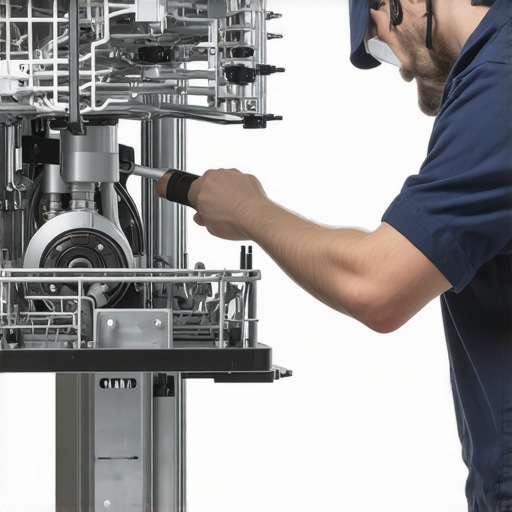
Use the right tools and verify each connection, especially water supply hoses and electrical connectors. Proper tightening prevents leaks, which are a common reason for warranty denial. Remember, loose fittings can be mistaken for poor installation, risking warranty claims. Check this checklist to ensure all parts are installed correctly for durability and coverage.
Keep Detailed Records of Repairs and Parts
Document every step: take photos during installation, keep receipts, and record serial numbers. When I replaced my motor, I snapped photos and kept receipts, which proved crucial during warranty reviews. This practice simplifies claims and ensures your efforts are recognized, especially when warranty policies evolve.
Regularly Inspect Components for Wear
Routine checks of seals, spray arms, and filters prevent small issues from escalating. Catching worn parts early preserves warranty eligibility by addressing problems before they become costly repairs. Consulting guides like this resource helps identify signs that parts need replacement.
While most homeowners believe they fully grasp how warranties and parts work, the reality is often more complex. A common misconception is that just purchasing authentic replacement parts automatically safeguards your warranty. In truth, many overlook that proper installation, certifications, and adherence to manufacturer guidelines are equally critical. For instance, using generic parts or improvising during installation without knowing the specific model requirements can inadvertently void your coverage, even if the part itself is compatible. This nuance is frequently missed because people focus solely on the part’s compatibility, neglecting the importance of correct installation procedures and compliance with warranty policies.
Another crucial aspect is the recognition of advanced mistakes that seem trivial but are major traps. For example, reusing old water supply hoses instead of installing new, certified connectors might seem harmless but can lead to leaks or pressure issues, ultimately voiding warranty coverage. A study from Appliance Repair Experts highlights that such seemingly minor oversights are among the top causes for warranty denial, emphasizing the need for meticulous adherence to installation protocols.
Furthermore, many believe that warranty coverage is static; however, it is often subject to oversight of specific installation steps, even minor ones. For example, failing to properly level the dishwasher or neglecting to plug in the unit correctly can cause functional failures that are blamed on user error, but they also are pitfalls that can void warranties if overlooked. It’s essential to follow detailed guides and verify each step—like examining critical components and using the right tools—since these are part of proper installation practices that safeguard your coverage.
A sophisticated question that many advanced DIYers ask involves understanding how external factors, such as local building codes or environmental conditions, influence warranty validity. While not always explicitly stated, some warranties require compliance with certain safety and installation standards. Failing to meet these can lead to warranty voidance, highlighting the importance of reviewing manufacturer and local regulations meticulously. Sources such as appliance repair professionals emphasize that awareness of these nuances can be the difference between successful coverage and costly disputes.
In essence, the hidden nuance is that warranties are not just about having the right parts but ensuring every step of installation conforms to strict guidelines and regional standards. Overlooking this can lead to unexpected voiding of your coverage and additional costs. To avoid this, always consult detailed guides on understanding dishwasher parts and checklist for installation. Remember, being an informed homeowner involves recognizing these subtle yet impactful details.
Have you ever fallen into this trap? Let me know in the comments.Maintaining your dishwasher’s performance over the long haul depends heavily on having the right tools and techniques. I personally rely on a quality digital multimeter to diagnose electrical issues quickly. For example, during a recent motor malfunction, I used my multimeter to check for continuity and voltage at various points, which helped me pinpoint the faulty component without guesswork. This tool pays for itself by saving me time and avoiding unnecessary parts replacement. Additionally, a stubby screwdriver set with magnetic tips has been invaluable for tight spots, ensuring secure connections during part installation, a step crucial for warranty protection. I’ve found that a good flashlight with adjustable brightness enhances visibility inside the dishwasher, making inspections thorough and reducing oversight. As appliances become more complex, software diagnostic tools like the Bosch Dishwasher Diagnostic App are gaining popularity—these apps connect via Bluetooth to monitor performance data in real-time, predicting potential issues before they escalate. Looking ahead, I predict that integrating IoT sensors will become standard, providing continuous data streams that notify homeowners of issues proactively.
**How do I maintain my dishwasher over time?** Regularly inspecting hoses and seals for signs of wear is essential. I recommend checking the water inlet and drain hoses monthly for cracks or leaks, replacing any suspect parts promptly. Proper cleaning of filters and spray arms prevents clogs and maintains optimal cleaning performance, which is vital to preserve warranty coverage. Remember, keeping detailed records of repairs and parts used makes future troubleshooting or warranty claims easier. Finally, always verify that the tools and parts you use meet manufacturer specifications, such as referencing the official guide to dishwasher parts. Implementing these practices not only prolongs the lifespan of your dishwasher but also safeguards your coverage against common pitfalls.
Lessons Only the Wise Homeowner Learns About Warranty and DIY Repairs
One major revelation I encountered was that even seemingly minor mistakes during installation can jeopardize warranties—something I ignored until it was too late. I realized that reusing old hoses or skipping manufacturer guidelines isn’t just risky; it can void years of coverage in an instant. A real lightbulb moment was understanding that proper documentation, like taking detailed photos during repairs, isn’t just for records but could be life-saving during warranty disputes. Trust me, paying attention to the nuanced differences between generic and certified parts, and knowing exactly how to install them, makes all the difference in safeguarding your coverage.
Another lesson I learned is never to underestimate the importance of regional standards and manufacturer instructions—they’re there for a reason, and ignoring them can turn your DIY project into a warranty nightmare. It’s tempting to think that black-and-white rules don’t matter, but the reality is that cutting corners often costs more than any savings on parts. Carefully verifying each step, understanding your appliance’s core components, and following detailed guides (like those at this resource) keeps your warranty intact and your dishwasher humming smoothly.
My Go-To Tools and Resources for Reliable Repairs
- Digital Multimeter: Essential for diagnosing electrical issues accurately, saving time and preventing unnecessary part replacements.
- Magnetic-Tip Screwdriver Set: Perfect for tight spots, ensuring secure connections crucial for warranty protection.
- Inspection Flashlight: Visibility is key—I rely on it to spot leaks or worn parts early, avoiding costly repairs later.
- Official Guides and Websites: Resources like this guide and this reputable site help ensure my repair process aligns with manufacturer standards.
Your Next Step Toward Confident DIY Dishwasher Maintenance
Taking control of your dishwasher’s longevity begins with informed, careful work that respects manufacturer policies and regional regulations. Every time you repair, think of it as a chance to improve your skills and protect your investment. Remember, being diligent with parts, tools, and documentation doesn’t just boost your success rate—it also guarantees your warranty coverage remains rock solid. So, gear up with the right knowledge and tools, and don’t shy away from taking on that repair—your future self will thank you.
What’s been your biggest lesson or challenge in DIY dishwasher repairs? Share your story below—I love hearing real-world experiences that help us all become better homeowners!
2 Replies to “DIY Repair Proof: How to Save Your 2026 Warranty After a Part Swap”
Leave a Reply
Related Posts
Maximize Your Dishwasher Warranty & Parts for Reliable Smart Appliance Performance
Ever had your dishwasher break down right after the warranty…
Warranty & Parts Tips for Reliable Smart Dishwashers in 2025
Ever had that sinking feeling when your brand-new smart dishwasher…
Warranty & Parts Tips for Seamless Smart Dishwasher Repairs 2025
My Journey to Understanding Dishwasher Warranties and PartsI still remember…
Reading about the importance of detailed documentation really resonated with me. I once had a small leak in my dishwasher, and because I kept detailed notes and took photos during my repair, my warranty claim went smoothly without any disputes. It’s surprising how many homeowners overlook this simple step, yet it can be a game-changer. I also found that using the proper tools, like a magnetic screwdriver and a digital multimeter, really makes a difference in ensuring a professional-grade repair. From your experience, what other tools or tricks have you found invaluable for avoiding warranty pitfalls during DIY repairs? I think that sharing these practical tips can help others feel more confident when working on their appliances and ensure they don’t accidentally void their coverage.
This post really hits home for me. I remember a time when I thought I was doing everything right—carefully replacing a faulty motor in my dishwasher, documenting everything, and following instructions to the letter. Still, I overlooked one small detail: ensuring that I used the exact model-specific parts and properly testing connections afterward. Turns out, that tiny oversight led to a warranty claim denial. Ever since, I’ve learned the importance of verifying your parts’ compatibility and double-checking every connection with a multimeter. Also, I started keeping a detailed repair log with photos and receipts, which has proved invaluable during warranty reviews.
A question I have for others here: How do you keep yourself organized when performing multiple repairs? Do you use any specific apps or folders to track your repairs, parts, and warranties? I think sharing these tips could help many homeowners avoid the same pitfalls I faced. Proper preparation and organization not only save time but also make the entire warranty process much smoother. Looking forward to hearing what tools or systems others swear by for DIY appliance maintenance!” ,