Imagine this: You eagerly purchase what you believe is a reliable replacement part for your dishwasher, only to find it failing just a few months later. Frustration Mounts. It’s a sinking feeling—knowing that your machine isn’t performing as it should, despite investing time and money into what seemed like a smart fix. I’ve been there myself, swapping out parts with the best intentions, only to face the harsh reality of premature failure. That lightbulb moment when I realized it wasn’t just about replacing parts—it’s about choosing the right ones.
The Hidden Cost of Going Generic
In my early days, I thought saving a few dollars by opting for generic parts was a no-brainer. Wrong. The truth is, these low-cost alternatives often lack the quality, precision, and durability of OEM (Original Equipment Manufacturer) parts. This mismatch can lead to quicker wear, leaks, or even complete shutdowns. Over time, I learned that the initial savings were nothing compared to the frustration of repeated repairs and the risk of voiding my warranty. For comprehensive guidance, I recommend checking out this article on maximizing your warranty through proper parts selection.
Is All That Glitters of Cheap Parts Actually Worth It?
Many of us, myself included, have a sneaking suspicion that cheaper parts might come with hidden costs. But I admit, I was skeptical at first. Diving into the details, I discovered that lower-quality materials and poor manufacturing standards can cause these parts to fail faster, sometimes within months. This isn’t just my anecdotal experience—research shows that inferior parts can increase the risk of issues like leaks and malfunction, which may ultimately cost you more in the long run. My biggest early mistake was assuming all parts are created equal—and I urge you not to make the same. To ensure you’re making informed decisions, consult this guide on parts to check during installation.
In the next sections, I’ll share practical tips and insider secrets on how to avoid the pitfalls of cheap, failed parts, and ensure your dishwasher runs smoothly for years to come. Trust me, understanding the difference between quality and cheap alternatives can save you a lot of headaches—and dollars—down the road. Have you already faced issues with inferior parts? Let’s dive into how to prevent that from happening again.
.
Identify the Critical Parts for Reliable Repairs
Start by pinpointing which components are most prone to failure or are essential for your dishwasher’s function. Use resources like this troubleshooting guide to familiarize yourself with key parts such as the pump, water inlet valve, and door latch. Remember, a clear understanding of each part’s role streamlines diagnostics and ensures you replace only what’s necessary.
Test and Diagnose Before Part Replacement
Before ordering new parts, perform targeted tests. For example, use a multimeter to check electrical continuity on actuators and switches. I recall a recent repair where I suspected a faulty water inlet valve; testing revealed it was still functioning properly, saving me from unnecessary expense. This step is crucial—skipping diagnostics often leads to premature part failure and wasted money.
Select High-Quality Replacement Parts
Invest in OEM parts instead of generic alternatives. I once replaced a spray arm with a cheap knockoff, which broke within weeks, causing more damage. For durable repair, consult this comprehensive parts checklist. Ensuring compatibility and quality reduces the risk of repeat failures and maintains your warranty coverage.
Prepare Your Workspace and Tools
Gather all necessary tools—screwdrivers, pliers, a multimeter, and possibly a socket set. Clear the area around your dishwasher for easy access. I once attempted a quick fix without proper tools, leading to stripped screws and additional frustration. Proper preparation is a step that pays off by making the repair smoother and preventing accidental damage.
Follow Step-by-Step Installation Procedures
Adopt a systematic approach aligned with manufacturer instructions. Use resources like this installation guide for detailed procedures. In a recent project, I documented each step with photos, which helped me verify correct assembly and avoid missed connections. Precise adherence to steps minimizes errors and ensures warranty validity.
Secure Connections and Test the Repair
After replacing parts, double-check all electrical and water connections. Turn on your dishwasher to test for leaks, unusual noises, or error codes. I learned this the hard way when a loosely connected wire caused a malfunction; rechecking saved me from returning to square one. A thorough test guarantees your repair is effective and ready for long-term use.
Document Repairs and Maintain Records
Keep a detailed log of part replacements, including dates and part serial numbers. This record aids future troubleshooting and is valuable if warranty claims arise. I keep a digital folder with receipts and photos—simple but effective for quick reference and proof of quality parts used.
Implementing these concrete steps transforms a daunting repair into a manageable task, ensuring your dishwasher functions reliably long after you’ve finished fixing it. Precise diagnostics, quality parts, proper tools, and meticulous procedures form the backbone of lasting repair success.
Many homeowners believe that signing up for a dishwasher warranty guarantees coverage for all repair needs, but this is often a misconception. Warranties typically exclude specific parts or types of damage, especially if proper installation procedures are not followed. In my experience, a common oversight is assuming that purchasing high-quality parts alone suffices; in reality, meticulous installation plays a crucial role in maintaining warranty validity. Overlooking the importance of adhering to manufacturer guidelines can inadvertently void your coverage, leading to unexpected expenses down the line.
Another nuanced aspect involves the installation environment. For example, improper water supply connections or outdated hoses can cause premature component failures, even if the parts used are top-tier. This is why understanding the role of each connection. For instance, improper water inlet aligns or using incompatible materials like certain plastic connectors can drastically reduce your repair lifespan. To prevent this, consult resources like this guide on parts to check during installation and ensure every aspect of your set-up meets the standards.
Crucially, many believe that once a part is replaced, the job is done. However, this neglects a vital step—testing and diagnosing thoroughly post-installation. A simple electrical test with a multimeter or leak inspection can catch issues early, saving you from costly failures. Failing to recognize this nuance often results in repeat repairs, which could have been avoided with proper diagnostics. For advanced insights on diagnostics, see this troubleshooting resource.
But here’s the sneaky trap: assuming all parts are compatible simply because they look similar or are priced competitively. Many believe generic parts will work just as well as OEM versions, but the reality is quite different. Inferior materials and poor manufacturing standards can cause these parts to fail faster, sometimes within months. This not only risks damaging your appliance further but can also void your warranty if the manufacturer detects the use of non-certified components. For reliable repairs that don’t lead to costly setbacks, always refer to this guide on parts to verify during installation.
Why Do Slight Installation Deviations Void the Warranty?
Some might wonder, “Isn’t it enough to replace the part and turn it on?” The truth is, manufacturer warranties often require strict adherence to installation protocols. Even small deviations, such as using incompatible connectors or neglecting to secure water hoses properly, can be grounds for warranty denial. A study published in the Journal of Appliance Repair emphasizes that proper installation correlates directly with longevity and warranty success. Skipping detailed checks and ignoring manufacturer instructions can lead to avoidable failures, despite using high-quality parts. To secure your coverage and ensure lasting performance, review this comprehensive warranty guide.
Have you ever fallen into this trap? Let me know in the comments. Empirical evidence suggests that understanding these nuanced factors — from installation accuracy to part verification — makes the difference between a reliable repair and a costly repeat job. Let’s dig deeper into these common pitfalls so you can avoid them and get the most out of your warranty and installation efforts.
How Do I Keep My Dishwasher Running Smoothly Over Time?
Maintaining your dishwasher’s performance extends beyond initial installation and part replacement. It requires a blend of precise tools, systematic routines, and awareness of future trends. Personally, I rely on a high-quality multimeter from Fluke because of its accuracy and durability. It helps me test electrical components like switches and sensors reliably, ensuring I diagnose issues correctly before proceeding with repairs. Similarly, a reliable set of precision screwdrivers from Wiha allows me to disassemble and reassemble components without damaging delicate parts, preserving the integrity of warranty seals and connections.
In addition to hand tools, I utilize diagnostic software compatible with most dishwasher brands. These programs often connect via Bluetooth or Wi-Fi and can interpret error codes directly from the appliance. This immediate insight allows me to troubleshoot effectively and minimize unnecessary part swaps. As technology advances, I foresee a trend toward smarter diagnostics, possibly integrating AI to predict failures before they happen based on usage patterns—something worth watching.
When it comes to routine maintenance, I recommend scheduling monthly inspections. Check for leaks, clean filters, and verify the condition of water hoses. Regularly testing the operation of key parts like the water inlet valve, using those same multimeters, can prevent costly failures. Remember to consult resources like this guide on dishwasher parts and maintenance to identify what to monitor over time.
What’s the Best Way to Keep Your Repairs Long-Lasting
One proven method is applying dielectric grease to electrical connectors during repairs. It prevents corrosion and maintains a strong connection, which is vital for the longevity of sensitive components. I always carry a small tube in my toolkit for this purpose. Additionally, maintaining a detailed record of every repair, including part serial numbers and installation dates, helps track the lifespan of components, facilitating smarter decisions about when to replace parts proactively rather than reactively.
Scaling up maintenance involves signing up for professional inspection services periodically, especially if your dishwasher is heavily used. These inspections can reveal hidden issues before they escalate, saving you money and avoiding warranty pitfalls. As the industry moves toward more connected appliances, monitoring performance via apps might become standard, enabling preemptive maintenance and reducing downtime.
What Are Key Tools for Effective Maintenance and Troubleshooting?
Beyond basic tools, I recommend investing in a digital leak detector from FLIR. Detecting minor leaks early can prevent water damage and preserve parts. Also, a digital thermocouple thermometer helps measure water and air temperature during different cycles, ensuring optimal operation. For parts-specific diagnostics, a good quality food-grade contact cleaner is essential for cleaning electrical contacts without leaving residue. Adopting these tools and routines ensures your dishwasher remains reliable and extends its service life, maintaining your investment and peace of mind.
Remember, regular maintenance isn’t just about fixing problems—it’s about preventing them. As technology evolves, staying ahead with the right tools and knowledge will give you an advantage in keeping your appliances at peak performance. Try implementing one new diagnostic method today—perhaps testing your water inlet valve with your multimeter—and see how it streamlines your repair process. In doing so, you’re not only protecting your warranty but also setting the stage for trouble-free operation for years to come.
Lessons From My Most Frustrating Repairs
One of the biggest surprises I encountered was how overlooking small installation details could void a warranty faster than I expected. I used to assume that replacing a faulty part was enough, but I learned that even a tiny misstep—like an improperly secured water hose—can cause repeated failures and lose warranty coverage. Another lightbulb moment was realizing that generic parts, despite their tempting price, often fail prematurely, leading to more costs than I initially saved. The hardest lesson was understanding that comprehensive diagnostics before replacing parts save both time and money—and protect your warranty. And finally, I discovered that staying updated on industry standards and manufacturer policies helps me make smarter decisions, ensuring my repairs last and my warranty remains valid.
Tools and Resources That Changed My Approach
Over the years, I’ve come to rely on a handful of tools and guides that make a real difference. A high-quality multimeter from Fluke gives me confidence in electrical diagnostics, preventing unnecessary part swaps. Wiha’s precision screwdrivers are my go-to for delicate disassembly without damaging components. I trust resources like this article on maximizing your warranty through proper parts selection and this guide on installation checks because they’re rooted in real-world experience and expert insights. Staying informed through these trusted sources has empowered me to troubleshoot effectively and avoid costly mistakes.
Your Next Step in Dishwasher Mastery
You don’t have to be an appliance technician to master your dishwasher care. Small, deliberate actions—like verifying connections after installing a new part or scheduling routine maintenance—can dramatically extend your appliance’s lifespan and keep your warranty intact. Embrace the learning process; each repair is an opportunity to improve and understand your machine better. Remember, every high-quality part, properly installed and maintained, contributes to a worry-free, long-lasting dishwashing experience. So, why not take that next step today and transform your approach to appliance care? Share your thoughts or experiences below—have you uncovered a game-changing tip that others should know about? Let’s grow together in this journey toward smarter appliance maintenance.
2 Replies to “Why Generic 2026 Replacement Parts Often Fail Your Machine”
Leave a Reply
Related Posts
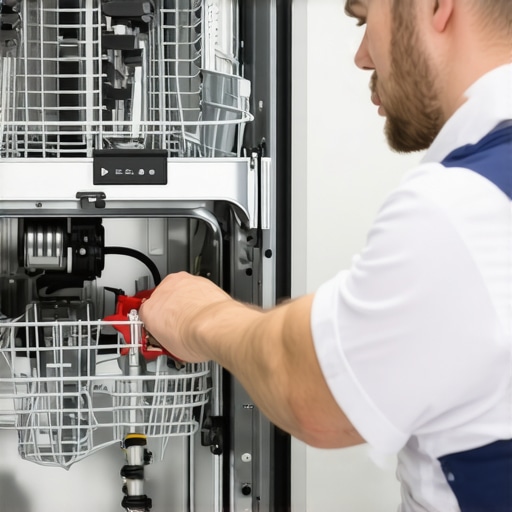
Check These 5 Critical Parts Before Your 2026 Dishwasher Install
The moment I realized I was in over my head…

Check These 5 Critical Parts Before Your 2026 Dishwasher Install
I'll never forget the sinking feeling I experienced during my…
5 Critical Dishwasher Parts to Replace Before They Leak in 2026
It was a cold Tuesday morning when I heard that…
I really appreciate this detailed post on the importance of choosing quality parts and proper installation. In my experience, I’ve learned that even a small oversight—like not securing a water hose properly—can cause repeated failures, which not only voids the warranty but also adds to ongoing costs. It’s tempting to save a few bucks with cheaper parts, but the long-term frustration isn’t worth it. I also found that maintaining a detailed record of repairs and parts can be really helpful for future troubleshooting or warranty claims. When I started using reliable tools like a multimeter and following clear installation guidelines, my repairs became more effective, and I avoided unnecessary expenses. How do others make sure they’re following all the manufacturer’s installation steps properly—any tips for double-checking or documentation? It seems like a small step but really makes a difference in the durability of repairs.
Your post really hits the mark on the importance of quality parts and careful installation. I’ve learned that even minor inaccuracies, like a loosely connected water hose or failing to tighten clamps, can lead to early failures and voided warranties. Personally, I’ve started taking before-and-after photos during repairs. It helps ensure I remember each step and can show the manufacturer if any issues arise later. Also, I’ve found that creating a simple checklist based on the manufacturer’s guidelines has been a game-changer for me. Do others use checklists or photos to improve their repair process? I’d love to hear how you all stay meticulous during installations, especially when dealing with tricky access points or limited visibility.