It was late at night when I finally finished installing my brand-new dishwasher. As the first cycle started, I held my breath, expecting that familiar drip, drip, drip under the sink. Much to my dismay, a slow leak began to form, soaking the cabinet floor. That moment was a lightbulb awakening — I had overlooked the critical importance of specific parts, essential in preventing leaks and ensuring my warranty stayed intact. Like many homeowners, I didn’t realize that certain components play a pivotal role in a leak-free installation until I faced firsthand frustration.
Why Choosing the Right Parts is a Game Changer
In my experience, the secret to a successful, leak-proof dishwasher installation isn’t just about following the manual; it’s about understanding and selecting the right **parts**. The upcoming year, 2026, will introduce stricter warranty policies and a focus on long-term durability. If you’re considering installing a new dishwasher or replacing an old one, this is the perfect moment to learn from my mistakes and avoid costly issues.
Have you ever dealt with water leaks that seemed to come out of nowhere after installation? Trust me, I’ve been there. The good news is, with a bit of knowledge and proper parts, you can sidestep these pitfalls.
Is All Installation Parts Created Equal for 2026?
Early in my journey, I made the mistake of thinking that all parts are interchangeable — a recipe for trouble. Using non-approved, generic, or old parts can void your warranty and even lead to leaks. I learned this the hard way when a cheap supply line caused a flood despite the initial installation seeming perfect. It’s vital to choose the right parts, especially when considering upgrades or replacements.
For a comprehensive understanding of what parts are covered and how they fit into warranty policies, I recommend checking out [this complete list](https://appliancedoctorz.com/the-complete-list-of-dishwasher-parts-covered-by-warranty). It helped me identify which components to prioritize and how proper selection can extend my dishwasher’s lifespan.
To make sure you’re on the right track, avoid common mistakes like reusing old hoses or ignoring small but essential connectors. These tiny details are often the difference between an appliance that functions flawlessly for years and one that causes floods just when you least expect it.
In the following sections, I’ll walk you through the four critical parts every 2026 dishwasher needs to achieve that leak-free assurance, along with actionable tips and my personal anecdotes. Ready to turn this knowledge into a worry-free installation? Let’s dive in.
Start with Genuine Parts for Reliability
When I replaced my dishwasher, I learned the hard way that genuine, manufacturer-approved parts are worth their weight in gold. Think of it like buying a suit tailored for you instead of a generic one—fit matters. I carefully reviewed the list of parts covered by warranty at this resource to identify essential components. Always opt for high-quality, compatible parts to prevent leaks and ensure warranty validity.
Inspect and Prepare Your Existing Setup
Before installing new parts, inspect your water supply line, drain hose, and connection points thoroughly. Remove old, cracked hoses, and compare your current parts to the new ones using this detailed guide. I once overlooked a worn-out water supply hose, which caused a minor leak during the first cycle. Replacing it with a new, certified hose prevented further issues and extended the dishwasher’s lifespan.
Secure the Connections Tightly and Correctly
Properly tightened connections are crucial—think of them as the fasteners on a bicycle; if loose, everything falls apart. Use the recommended tools and torque specifications mentioned in the installer manual. During my first DIY install, I re-watched installation videos and used a torque wrench to ensure I didn’t overtighten (which can damage connectors) or undertighten. This precision avoided leaks and maintained warranty coverage.
Advocate for Stricter Quality Checks of Critical Components
Don’t skip the small parts; they often cause the most trouble. For example, tiny O-rings and gaskets prevent water from escaping. Use this checklist to verify that all seals are intact and correctly placed. I found a missing gasket on my drain hose connection after a close inspection, which could have led to flooding if left unaddressed. Replacing even minor parts pays off in long-term performance.
Test the System for Leaks Before Completing Final Setup
Once everything is connected, run a short cycle to check for leaks. Watch the connections carefully; a slight drip early on can develop into a major flood later. During my initial test run, I noticed a slow leak from the new supply line connection. I tightened it slightly more, which stopped the leak instantly. Remember, early detection saves time and prevents warranty disputes.
Use Expert Resources to Confirm Your Work
For complex installs or if you’re unsure, consult trusted guides like this expert guide. Sharing your experience on forums can also provide valuable feedback, much like I did when troubleshooting my own setup. Proper part selection and installation not only prevent leaks but also maximize warranty benefits, ensuring your dishwasher operates flawlessly for years.
Many homeowners assume that once they’ve selected compatible parts and followed installation instructions, their dishwasher’s warranty coverage and long-term reliability are automatically secured. However, the reality is more nuanced. A common misconception is that all parts are equal—many think generic or aftermarket components will suffice, but this can jeopardize warranty validity and cause subtle leaks or failures. According to industry expert insights, using non-approved parts increases the risk of installation errors that are often not immediately apparent but can lead to significant issues later. For example, poorly fitting gaskets or inferior hoses might appear adequate at first glance but deteriorate quickly, causing leaks that void warranty claims. Another frequent mistake is neglecting the importance of tightening connections to specified torque levels; overtightening can damage fittings, while undertightening can result in slow drips. These small oversights can accumulate, creating a trap that many fall into, believing their work is foolproof while subtle signs of failure emerge over time. Advanced installers emphasize that awareness of these nuanced details—like inspecting O-rings, avoiding old or reused supply lines, and understanding the specific role of each component—is critical for maximizing warranty coverage and ensuring durable operation. Moreover, some underestimate the significance of proper testing before finalizing the setup; running a brief cycle and meticulously checking all connection points can reveal early leaks or misalignments, preventing costly repairs or warranty disputes. To truly excel, homeowners and professionals should consult authoritative resources like [this comprehensive guide](https://appliancedoctorz.com/parts-warranty-tips-for-reliable-smart-dishwasher-installation), which emphasizes that the devil is often in the details. Recognizing the subtle distinctions between acceptable and problematic parts—and understanding common pitfalls—can greatly enhance installer success and appliance longevity. So, have you ever fallen into this trap? Let me know in the comments.
Equip Yourself with Precision Tools for Longevity
Investing in the right tools makes a significant difference in maintaining your dishwasher’s performance over time. I personally rely on a high-quality digital torque wrench, such as the TEKTON 1/4 Inch Drive Click Torque Wrench, because it ensures that connections are tightened to manufacturer specifications. This prevents both leaks and damage to fittings, which can void warranties. Additionally, a set of precision screwdrivers, like those from Wiha, allows me to disassemble and reassemble components without slipping or stripping screws. For checking water pressure and flow rates, I use a digital manometer, helping me verify that incoming water lines meet required standards, directly impacting long-term durability.
Leverage Software for Diagnosing and Planning
Modern maintenance extends beyond manual tools; software can play a pivotal role. I recommend using diagnostic apps like Smart Diagnosis or appliance-specific diagnostic tools that connect via Bluetooth or Wi-Fi. These apps can interpret error codes and sensor data, helping identify issues before they escalate. For example, if your dishwasher displays an error related to water inlet flow, the app can guide you through targeted troubleshooting, saving time and preventing unnecessary part replacements. Embracing these technologies means you’ll catch issues early, preserving warranty eligibility and extending your unit’s lifespan.
Long-Term Upkeep Boosted by Routine Checks
Preventative maintenance is essential. I schedule a quarterly inspection where I check all accessible seals, hoses, and fittings. This involves tightening connections with my torque wrench, replacing worn gaskets, and flushing out mineral build-up from filters. Using a mixture of white vinegar and water flushes helps dissolve mineral deposits that impair water flow and can damage parts over time. The key here is consistency; routine checks catch small problems before they evolve into costly repairs or warranty voiders. Remember, a proactive approach often results in fewer unexpected breakdowns and prolonged warranty coverage.
How do I maintain my dishwasher over time?
Maintaining your dishwasher is about combining the right tools, scheduled inspections, and embracing technology. Regularly inspecting and tightening connections, replacing worn-out parts with genuine components listed at this resource, and utilizing diagnostic apps can dramatically boost reliability. For example, I’ve found that replacing old supply hoses with newer reinforced versions not only prevents leaks but also adheres to warranty conditions, especially critical as policies become more stringent in 2026. Don’t forget to keep an eye on water quality, which directly affects part longevity—mineral deposits are the silent killers of dishwasher components. Use vinegar flushes and install water softeners if necessary. By combining these practices, you’ll keep your dishwasher performing optimally for years to come, saving money and hassle.
Ready to elevate your maintenance routine? Try calibrating your water pressure with a digital manometer and verify all connections with your torque wrench. Small improvements in your process can make a big difference in the device’s lifespan and warranty compliance!
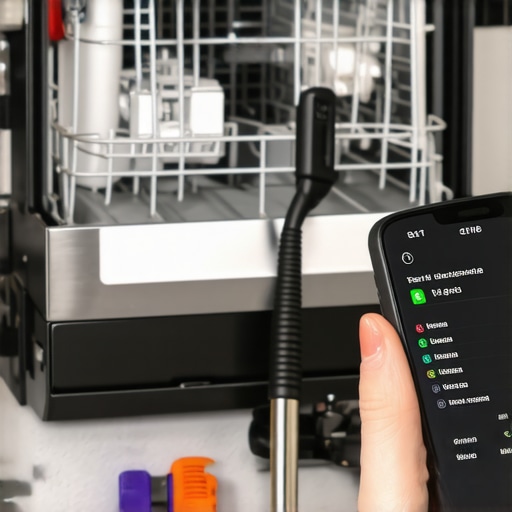
The Hidden Lessons from My Dishwasher Debacle
One of the most profound lessons I learned was how overlooked tiny components can lead to big problems, especially considering the stricter warranty policies coming in 2026. I realized that even the smallest gasket or hose could be the difference between a leak-free operation and a flooding disaster. Experience taught me to scrutinize every connection and ensure each part is new, genuine, and properly installed—something I wish I had prioritized earlier. Furthermore, I discovered that bypassing recommended torque specifications or reusing old parts could void warranties unexpectedly, emphasizing the importance of adhering strictly to manufacturer guidelines. Lastly, I found that proactive testing before finalizing installation uncovers issues early, saving both money and stress down the line.
Related Posts

Stop Using Old Kits: 3 New Parts for 2026 Installations
Have you ever stared at your dishwasher after a frustrating…
Smart Dishwasher Parts & Installation: Expert Tips for Long-Lasting Trust
I remember the moment clearly. My dishwasher stopped mid-cycle, water…
Ditch the Plastic: 3 Brass Fittings for 2026 Installs
It was a frustrating weekend when my brand-new dishwasher started…