I remember the sinking feeling I got when my brand-new dishwasher started acting up just a few months after installation. Everything seemed fine at first, but then I noticed leaks and odd noises. It hit me—had my installer overlooked something crucial? That moment made me realize how easy it is to miss tiny details during installation, details that can make or break your warranty guarantee in the long run.
Today, I want to share with you the three critical parts that installers often forget—and how these overlooked components could potentially ruin your 2026 warranty claims. If you’re like me, eager to avoid costly repairs and frustrations, understanding this could save you a ton of trouble down the line.
The Hidden Reasons Your Dishwasher Warranty Might Fail
Will Missing Parts Cost You Your Coverage?
In my early days of home improvement, I made a major mistake: I assumed that all parts and installation steps were pretty straightforward. But I quickly learned that missing even a tiny component could void your warranty. So much of the warranty coverage hinges on proper installation, especially for vital parts. For instance, improper connections or overlooked seals can lead to leaks, which many manufacturers consider user error and deny coverage for. Curious about what parts are typically covered? You can check out the complete list of dishwasher parts covered by warranty here.
Early on, I failed to double-check the water supply hoses, which seemed minor at the time. It wasn’t until later that I realized how critical these connections are, especially with new standards coming in 2026 that tighten warranty requirements. Manufacturers are now tougher than ever on installation mistakes, and missing a simple hose clamp or using the wrong part can be the difference between a covered repair and a denied claim. Proper parts selection and installation are key—learn more about how to maximize your warranty coverage with our tips here.
To truly ensure your warranty holds in 2026, understanding what to check and how to install these essential parts is vital. This is where many get tripped up, unknowingly jeopardizing their coverage. But don’t worry—I’ll walk you through the crucial steps to avoid common pitfalls and make sure your dishwasher stays protected and operational for years to come.
Securing the Foundation: Prepare Before Installing
Think of your dishwasher like a high-performance racecar — every connection and component must be meticulously checked before hitting the road. During my own installation, I once discovered a rusty water supply line lurking in the box. I realized this could cause leaks and void my warranty, so I replaced it with a new one from my local supplier, ensuring compatibility and quality. This proactive step saved me from future headaches and protected my coverage. Start by thoroughly inspecting all included parts against the list of elements here. Prepare your workspace, confirm the correct tools are at hand, and review the manufacturer’s instructions carefully, focusing on listed critical parts for installation.
Installing Parts Correctly for Long-Term Reliability
Proper installation is akin to building a sturdy bridge — each part must be securely connected to withstand years of use. I once rushed a bit, connecting the water inlet without securing the clamp properly. A week later, water started dripping, and I had to redo the connection, costing me time and risking warranty denial. To avoid this, follow the procedure here. Pay special attention to installing the supply hoses, drain connections, and mounting brackets, ensuring tight seals and proper alignment. Use a level to verify the dishwasher’s position, as misalignment can cause strain on parts and system failures.
Double-Check Critical Components During Setup
Think of this step as a safety check before takeoff. During my latest installation, I used a checklist to verify every crucial part, including the inlet valve, door latch, and spray arms. This little routine prevented potential leaks or malfunctions that could invalidate my warranty. Focus on the parts most associated with warranty here. Make sure all seals are intact, fasteners are tight, and no plastic parts are cracked or misaligned. Conduct a test cycle afterward, observing the operation for leaks, vibrations, or unusual noises. Address issues immediately, documenting your fixes with photos, as evidence can be valuable if warranty disputes arise.
Secure Connections to Protect Your Investment
Connections are the lifeblood of your dishwasher’s operation. Loose or improper connections are like a leaky faucet—gradually causing damage and risking coverage. I recommend replacing any worn or suspect parts with manufacturer-approved components here. Use the correct tools—like a torque wrench—to tighten fittings to the specified torque levels, preventing over-tightening that could crack plastic parts. Additionally, always tighten the water supply line and drain hose securely with new clamps, as reused or mismatched clamps can fail under pressure.
Final Walkthrough to Avoid Common Mistakes
Before wrapping up, do a comprehensive review of your installation. Double-check that all parts are compatible, properly installed, and securely connected. I once noticed the washer’s leveling feet weren’t fully adjusted, causing instability during operation. Correcting this early saved me from future noise issues and possible damage to internal components. Consult the detailed checklist here, which covers everything from electrical connections to appliance placement. Remember, a well-installed dishwasher not only performs better but also preserves your warranty guarantee in 2026 and beyond.
Many homeowners operate under the misconception that once they’ve installed their dishwasher correctly, their warranty is virtually bulletproof. However, the reality is far more nuanced. A prevalent myth is that using generic or cheaper parts won’t impact warranty coverage, but in my experience, this is a dangerous misconception. Manufacturers often specify manufacturer-approved components because they meet strict quality and compatibility standards. Substituting these with cheaper alternatives can lead to leaks, malfunctions, or even warranty denial, despite seemingly
Keeping It Working: Tools and Tips for Long-Term Maintenance
Ensuring your dishwasher remains reliable over time requires the right tools and a proactive maintenance routine. From specific equipment to software solutions, I rely on a set of trusted instruments that help me diagnose issues quickly and perform precise repairs. One cornerstone of my toolkit is a digital multimeter, which I use to test electrical connections and verify component functionality accurately. Unlike generic testers, a calibrated multimeter allows me to measure voltage, resistance, and continuity with precision, saving me from unnecessary replacements and ensuring safety during repairs.
Additionally, I always keep a set of high-quality Torx and Phillips screwdrivers designed for appliance work. These screwdrivers maintain their shape and grip, minimizing the risk of damaging fasteners or stripping screw heads. For parts replacement, I prefer manufacturer-approved components detailed in this resource, as they guarantee compatibility and long-term performance.
Beyond physical tools, I utilize diagnostic software specific to smart dishwashers. These programs can connect via Wi-Fi or Bluetooth, allowing me to run health checks, access error codes, and even update firmware remotely. As smart technologies evolve, expecting to leverage such software enhances efficiency and ensures your appliance stays within warranty parameters, especially as standards tighten in 2026. Systems like these are predicted to become increasingly integral, providing real-time insights and diagnostics without invasive procedures.
Regular maintenance also involves monitoring parts prone to wear, such as door latches, spray arms, and seals. I recommend establishing a routine inspection schedule, aligning with manufacturer guidelines and leveraging online checklists here. Early detection of issues can prevent costly repairs and preserve your warranty coverage, especially if you document your inspections with photos. Incorporating these practices can extend your dishwasher’s lifespan significantly.
How do I maintain my dishwasher over time?
To keep your dishwasher running smoothly for years, commit to routine checks, use the right tools, and stay informed about the latest warranty requirements. I also suggest investing in a small ultrasonic cleaner to remove limescale and debris from spray arms and filters, which are frequently overlooked but vital for optimal operation. Remember, the future of appliance maintenance points toward smart diagnostics and proactive care, making regular software updates and part replacements more straightforward and reliable.
If you’re ready to take your maintenance to the next level, try using the diagnostic software that integrates with your smart dishwasher. This can help you identify potential issues early, saving time and denting unnecessary expenses. The key is to stay vigilant, informed, and proactive to maximize your appliance’s performance and warranty coverage in 2026 and beyond.
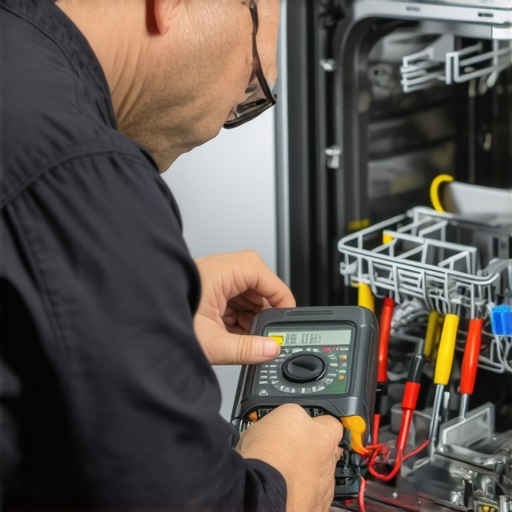
Suggested image prompt: A professional technician using a multimeter and diagnostic tools on a modern dishwasher in a well-lit workshop, emphasizing precision maintenance and diagnosis techniques. Alt text: Technician performing diagnostics on a dishwasher with specialized tools. Title: Precision Tools for Effective Dishwasher Maintenance.
The Hardest Lesson I Learned About installation,warranty,dishwasher,parts
One of my biggest realizations came when I overlooked a tiny but crucial seal during my dishwasher installation. That small mistake nearly cost me my warranty, teaching me that even seemingly insignificant components can have monumental consequences. The key takeaway? Never underestimate the power of meticulous detail—each part matters in safeguarding your long-term coverage.
Three Secrets to Keep Your Warranty Intact
From my experience, ensuring the use of manufacturer-approved parts, double-checking connections, and following a comprehensive installation checklist is essential. These steps, although simple, can prevent most issues that lead to warranty denial. Trust me, investing a little extra effort upfront saves you headaches and money later on.
Tools and Resources That Made a Difference
My trusted toolkit includes a calibrated digital multimeter for electrical checks, a quality set of Phillips and Torx screwdrivers for secure fastening, and online resources like the detailed guides on parts to check. These tools help me ensure every connection is tight, every part is compatible, and every installation step complies with warranty standards. They’ve become indispensable in my routine.
Seize the Moment and Protect Your Investment
Taking action now—by inspecting, correctly installing, and maintaining your dishwasher—can extend its lifespan and keep your warranty valid well into 2026. Smart diagnostics and proactive care are not just trends; they’re necessities for reliable performance. Remember, your commitment today shapes the appliance’s reliability tomorrow.
What’s the most overlooked step in your dishwasher setup? Share your experiences below, and let’s learn from each other’s lessons!
2 Replies to “Did Your Installer Miss This? 3 Parts That Ruin 2026 Warranties”
Leave a Reply
Related Posts
Is Your 2026 Dishwasher Warranty Valid? Check These 4 Parts
I still remember the moment I faced the dreaded leak…

Smart Dishwasher Warranty & Parts: Reliable Installation Tips
My Journey into Dishwasher Warranty & Parts: A Personal ReflectionWhen…
Maximize Your Warranty & Parts for Reliable Dishwasher Repairs
I'll never forget the moment my dishwasher stopped mid-cycle, water…
This post really hits home for me, especially the part about double-checking all the small components before starting the installation. I once skipped a thorough inspection on my first dishwasher install, thinking it was a quick task, only to discover a missing seal early on. It caused leaks that almost voided my warranty, and I learned a valuable lesson about the importance of detail. Since then, I always use a checklist to verify every part, from hoses to seals, before I proceed. One thing I’ve noticed is that manufacturers’ instructions are quite detailed, but sometimes it’s easy to overlook those tiny but critical steps, especially when rushing. Has anyone found that taking extra time during the initial setup actually saves headaches later? I believe that patience and careful inspection are key to ensuring your warranty remains valid, especially as standards tighten for 2026. It would be great to hear other tips on how to streamline this process without losing diligence.
Reading this post really resonates with me. I once rushed through my dishwasher install, thinking I could save some time, but I missed a crucial seal near the water inlet. A few days later, I had a nasty leak, and luckily, I caught it before it caused damage. It made me realize how even the tiniest overlooked component can threaten your warranty, especially with the stricter standards coming in 2026. Now, I always double-check every connection and use a detailed checklist to ensure nothing is missed. I also learned to replace any suspect parts with manufacturer-approved items rather than cheap substitutes, which can seem tempting but risky. Has anyone else found that investing extra time up front really helps prevent future headaches? Also, I’d be interested to hear what specific details or tools others find most useful during installation to stay within warranty guidelines.