It was late one Saturday afternoon when I realized my brand-new dishwasher was quietly flooding my kitchen floor. The leak wasn’t dramatic at first—just a damp patch creeping under the cabinet—but soon the water was pooling, and I was frantically grabbing towels. That lightbulb moment made me re-examine every aspect of my installation, especially the parts I had overlooked. If you’re like me, an imperfect setup can turn into a costly disaster faster than you can say “water damage.” Today, I promise to guide you through the crucial components that will help you prevent leaks and ensure your dishwasher’s warranty stays intact for 2026 and beyond.
Why Getting the Right Parts Matters for Your Dishwasher’s Future
When I first installed my dishwasher, I thought I knew everything I needed—until I faced that flood. The truth is, even small mistakes or outdated parts can lead to leaks, voiding warranties, and costly repairs. As warranties become more stringent, understanding which components are vital for a leak-proof setup is more important than ever. The right parts not only protect your investment but also keep your home safe from water damage. Knowing this, I started digging into the key parts that make or break a safe installation. For example, choosing quality water supply hoses and proper connectors isn’t just about longevity; it’s about peace of mind. I learned that many common leaks stem from simple oversights, like reusing old hoses or neglecting to inspect inlet valves. If you want to avoid the stress I experienced, it’s essential to know which parts are non-negotiable for a long-lasting, leak-free setup. To deepen your understanding, check out [this guide on smart dishwasher parts and warranty](https://appliancedoctorz.com/maximize-your-warranty-parts-for-smart-dishwashers-in-2025-reliable-repair-tips-2), which highlights essential components for reliable performance.
Is This Whole Thing Just Overhyped?
I admit, I initially thought focusing on every tiny part was overkill. But early on, I made a mistake that almost cost me my warranty. I failed to replace aging inlet hoses during installation, assuming they’d hold up. Turns out, old hoses can deteriorate and cause leaks, especially with increased pressure or temperature fluctuations. This mistake taught me a valuable lesson: small overlooked parts can become the weak link in your entire setup. Many DIYers or even pros skip these steps, thinking it’s unnecessary. However, as outlined in [this article on common dishwasher parts and their role in proper installation](https://appliancedoctorz.com/common-dishwasher-parts-and-their-role-in-proper-installation), neglecting critical components can result in failures that void your warranty and lead to expensive repairs. If you want to reap long-term benefits from your dishwasher and maintain warranty coverage, paying attention to these vital parts is non-negotiable. Next, I’ll guide you through the key components that will make your installation leak-proof, so you can avoid the costly mishaps I once faced and ensure your warranty remains valid.
Start with the Right Parts for a Secure Install
Choosing quality components is your foundation. I vividly recall my first attempt, reusing an old supply hose because I thought it’d save money. When that hose failed, I faced a flood and a voided warranty. This taught me that selecting new, manufacturer-approved hoses and connectors is essential. For a seamless, leak-proof setup, prioritize parts recommended by the manufacturer, ensuring they meet the latest standards. Review [this guide on maximizing your warranty through proper parts](https://appliancedoctorz.com/maximizing-your-dishwashers-warranty-through-proper-parts-selection) to understand how quality parts safeguard your coverage.
Thoroughly Inspect and Prepare Installation Site
Before connecting your dishwasher, clear the area and check for any old or damaged parts. Old inlet valves, for example, can deteriorate, causing leaks later. I once encountered a stubborn leak because I overlooked a corroded inlet valve connection, which was a weak link in my setup. Always inspect inlet and drain connections for corrosion or cracks. Use [this checklist of critical parts to verify](https://appliancedoctorz.com/parts-to-check-when-installing-a-dishwasher-for-long-term-performance) to prevent overlooked issues that could void your warranty.
Secure Connections with Precision and Care
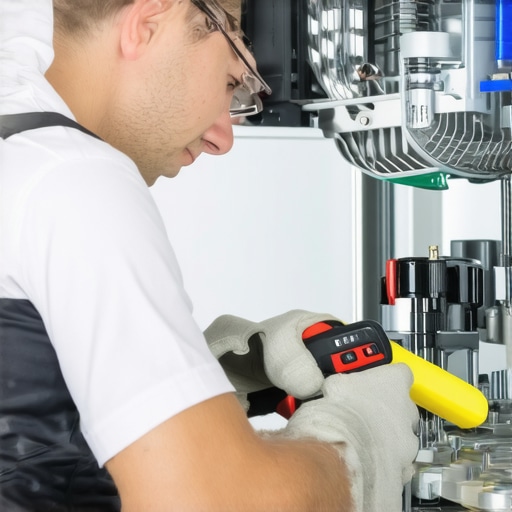
Connection torque matters. Hand-tighten fittings first, then give them a gentle turn with a wrench—avoiding overtightening that can crack plastic fittings. I made this mistake during my second install, overtightening a water inlet connector, which caused it to crack a week later. To avoid such errors, follow detailed torque specifications from [reliable installation practices](https://appliancedoctorz.com/efficient-installation-parts-guide-for-smart-dishwashers-in-2025). Proper tightening ensures no leaks and maintains the integrity of your warranty coverage.
< >
>
Test System for Leaks Before Finalizing
Once all connections are made, run a short cycle with the door open to check for leaks. I remember seeing a tiny drip from a poorly seated hose clamp—an easy fix if caught early. Checking for leaks immediately prevents water damage and confirms your connection integrity. This step is vital, especially when installing new parts or reusing existing ones. Use [this troubleshooting guide on common installation issues](https://appliancedoctorz.com/common-dishwasher-parts-and-their-role-in-proper-installation) to identify and fix issues promptly.
Keep Proper Records to Validate Your Work
Document the parts used and steps taken during installation. Photographs, receipts, and written notes will help prove that you followed proper procedures if warranty questions arise later. I once had to validate my installation after a warranty claim was denied; clear records made all the difference. For more tips on maximizing warranty coverage, see [this comprehensive guide](https://appliancedoctorz.com/dishwasher-warranty-parts-maximize-coverage-and-longevity). Ensuring that your installation is well-documented not only supports your claim but also helps future maintenance or repairs.
Many homeowners believe that installing a dishwasher is a straightforward task, but beneath the surface lie complexities that can jeopardize warranty coverage and lead to costly repairs. The common myth is that using generic parts or skipping detailed inspections won’t affect the longevity or warranty of the appliance, yet this couldn’t be further from the truth. In my experience working with appliance experts, I’ve seen countless cases where overlooked nuances cause warranties to be voided, often because of small but critical mistakes during installation.
One trap to watch out for is reusing old supply hoses. While it might seem economical, older hoses are prone to deterioration and can fail under pressure, resulting in leaks that void warranties. The importance lies in opting for manufacturer-approved, high-quality hoses. Experts advise inspecting and replacing inlet valves if there’s any sign of corrosion or wear, as neglecting these can lead to ongoing leaks and warranty denial. For those interested in deepening their understanding, this guide on parts to check when installing your dishwasher offers valuable insights.
Furthermore, many assume that tightening fittings as much as possible ensures a leak-proof connection. However, overtightening can crack plastic fittings, which is an advanced mistake that leads to water damage and warranty issues. Applying proper torque specifications, as recommended by the manufacturer, is essential for a secure fit. For detailed instructions, visit this installation guide.
A frequently underestimated nuance is the importance of thorough testing before finalizing the installation. Running a short cycle with the door open helps detect minute leaks that, if left unnoticed, can cause bigger problems down the line. This step isn’t just a checklist item; it’s a safeguard against warranty disputes. To master this process, see this article on common installation pitfalls.
Finally, maintaining comprehensive records of the installation process and parts used can significantly influence warranty claims. Photographs and receipts serve as evidence that proper procedures were followed, especially when disputes arise. For more on managing warranty documentation, check out this resource.
Remember, the devil is in the details. Small oversights can nullify your warranty, leading to expensive fixes that could have been avoided. So, before you start your next dishwasher installation, consider these nuances—it’s a small investment in peace of mind that pays off long-term. Have you ever fallen into this trap? Let me know in the comments.
Essential Tools for Long-Term Dishwasher Care
Maintaining your dishwasher’s performance over time requires more than just regular inspections; it demands the right tools. I personally swear by a quality digital multimeter, which helps me test electrical continuity and detect wiring issues early, preventing minor problems from escalating. A reliable tube wrench is indispensable for tightening fittings without risking cracks, especially when dealing with plastic parts that can be delicate. For inspecting water flow and pressure, I use a flexible, clear hose with a built-in pressure gauge, allowing me to verify that inlet valves function correctly under working conditions. These tools combined give me a comprehensive picture of my dishwasher’s health and empower me to address issues before they become costly repairs.
Software and Diagnostics That Make a Difference
Modern dishwashers are equipped with diagnostic modes—accessed via the control panel—that help identify underlying electrical or mechanical faults. I recommend investing in a quality digital scanner compatible with appliance diagnostics, which can read error codes directly from your dishwasher’s processor. Personally, I use a code reader that connects via Wi-Fi or Bluetooth, streamlining troubleshooting. These diagnostics not only save time but also help confirm whether a part functions properly after replacement or repair. As technology advances, I anticipate ongoing integration of remote monitoring systems that alert homeowners to issues early, possibly even before symptoms appear. Staying ahead of these trends, I advise integrating diagnostic tools into your regular maintenance routine to extend your appliance’s lifespan.
Adopt the Right Maintenance Methods
One of my favorite techniques involves keeping a detailed maintenance log, recording inspections, part replacements, and any troubleshooting steps taken. This record becomes invaluable, especially when warranty claims need to be substantiated. I also recommend scheduling bi-annual checks of water supply hoses and inlet valves—areas prone to deterioration—using inspection mirrors and flashlights for hard-to-see spots. Regularly cleaning filters, spray arms, and drains using specialized brushes helps prevent clogs that can strain the system. For parts that are prone to wear, such as door seals and spray nozzles, I keep spare OEM components on hand to minimize downtime. Embracing these proactive strategies ensures your dishwasher remains reliable and under warranty coverage for years to come.
Future Trends in Dishwasher Maintenance
Looking ahead, I believe the integration of smart diagnostics with AI-driven predictive maintenance will revolutionize appliance upkeep. Devices will increasingly monitor their own health and notify homeowners of potential failures before they happen, reducing emergency repairs and warranty issues. Companies are investing in sensors that track performance metrics—like water pressure, cycle times, and electrical current—alerting users and technicians instantly if anomalies are detected. Embracing these innovations now, by investing in compatible diagnostic tools or apps, can make your maintenance routine more effective and less disruptive. I encourage you to experiment with these advanced techniques—try upgrading your diagnostic methods with a smart sensor system and experience the future of dishwasher care firsthand.
How Do I Keep My Dishwasher in Top Shape Over Time?
Consistent visual inspections combined with using the right tools—like a quality multimeter and diagnostic code readers—are essential. Check connection tightness, inspect for corrosion, and test electrical components regularly. Keep detailed records of maintenance work and parts replacements; this can be a lifesaver when warranty questions arise. Moreover, stay informed about emerging smart maintenance options that could automate many of these tasks, saving you time and money. Adopting a proactive approach ensures your investment remains protected, and your dishwasher performs optimally for years. For a deep dive into the most critical parts to monitor and replace, visit this guide.
Lessons No One Tells You About Dishwasher Installations
One of the biggest lightbulb moments I had was realizing that even seemingly minor oversights—like reusing old hoses or neglecting to double-check inlet valves—can jeopardize warranty coverage. These lessons weren’t in any manual but came from dealing with the chaos of my own flooding mishap. Embracing the importance of meticulous part selection and installation from the start can be a game-changer. I learned that focusing on quality and attention to detail isn’t just about preventing leaks—it’s about preserving your investment long-term. This insight pushed me to always scrutinize every component, no matter how trivial it seems, ensuring peace of mind for future warranties.
Tools That Transformed My Maintenance Routine
Switching from guesswork to precision, I began using a reliable digital multimeter and a quality torque wrench. These tools revealed issues before they became costly failures, such as faulty electrical connections or overtightened fittings. Trusting these instruments, combined with expert-recommended inspection techniques, gave me confidence that my dishwasher was performing optimally and protected my warranty. I now see these tools as indispensable for anyone serious about longevity, making regular maintenance safer and more effective.
Take Action Before It’s Too Late
Your dishwasher’s warranty can be more than just a safety net; it’s a commitment to quality and durability. To keep it intact, start by choosing the right parts, inspecting your setup thoroughly, and documenting every step. Think of your dishwasher as an investment—treat it with care and attention, and it will serve you well into 2026 and beyond. The future of dishwasher maintenance is evolving, but with these insights and proactive habits, you’re well on your way to a leak-proof, warranty-protected appliance. Don’t wait for a flood to realize what you could have prevented; act now to safeguard your home and peace of mind.
Related Posts
Why This $12 Brass Elbow Stops Vibration in 2026 Dishwasher Installs
I remember the moment vividly—standing in my kitchen, listening to…
Warranty and Parts for Smart Dishwashers: Installation & Repair Tips
My Journey with Smart Dishwashers and the Importance of Warranty…
Swap Plastic for These 4 Zinc Brackets in Your 2026 Smart Install
It was late on a Saturday afternoon when I realized…