I remember the moment clearly—a drip, drip, drip beneath my brand-new dishwasher turned into a full-blown leak during my first load. It was late on a Saturday night, and I felt like a DIY disaster. Turns out, what I overlooked was a tiny but crucial detail: the right specifications for my 5 Flex-Hose components. That lightbulb moment made me realize how a small mismatch in parts can cause big headaches and void warranties.
Why Getting the 5 Flex-Hose Specs Right Matters Big Time
Choosing the correct 5 Flex-Hose specifications isn’t just about compatibility—it’s about peace of mind, flood prevention, and warranty protection. If you’re installing a Pro 2026 dishwasher, understanding these specs can save you from costly repairs and the headache of warranty denials. I’ve learned this the hard way, and I want to help you avoid my mistakes.
Is Overthinking the Flex-Hose Specs Really Necessary?
Trust me, I once thought a generic hose was good enough—until I faced a leak that undermined my entire setup. Early on, I made the mistake of reusing old fittings and ignoring manufacturer guidelines. That slip nearly cost me my warranty. According to appliance experts, selecting the right parts and matching specifications ensures your installation is durable and warranty-compliant. For a comprehensive understanding, check out this guide.
Now, let’s dig into what exactly makes up those essential specs and how to choose the best parts for your setup—so you don’t have to learn by the plumbing flood instead of the manual.
Confirm the Right Flex-Hose Size and Material
Start by measuring your existing hoses or reviewing your dishwasher’s manual to identify the correct diameter, usually 3/8 inch or 1/2 inch. I once used a generic 1/2-inch hose on a 3/8-inch fitting, which led to leaks. To avoid this, use a caliper or reference the manufacturer specs. Then, select a hose made of reinforced stainless steel or grade-appropriate rubber, ensuring durability and compatibility. This fundamental step prevents mismatched connections that can cause leaks or damage, enhancing your warranty protection.
Gather the Compatible Fittings and Clamps
Identify the fittings that match your hose and dishwasher connection points. Brass fittings are often preferred due to their corrosion resistance, much like the reliable fittings in a plumbing system. Use the correct tension rings instead of reusing old clamps, which can cause slippage or leaks. I learned this when I replaced a rusty clamp with a tension ring recommended by the manufacturer; it held securely, preventing future leaks and ensuring compliance with warranty standards. For comprehensive guidance, explore this resource.
Verify the Ratings and Specifications
Check that the hoses and fittings are rated for your area’s water pressure, typically 120 psi. Using a hose with a pressure rating below your home’s pressure can result in bursts. I once overlooked this detail, and a pressure spike caused a leak at the connection. Always consult your local building codes or your dishwasher’s manual; this small step saves big on potential water damage and voided warranties. Incorporate a pressure regulator if necessary, especially in high-pressure zones.
Test Fit Before Final Installation
Before sealing everything permanently, do a dry-fit. Attach the fittings, tighten clamps, and turn on the water supply to check for leaks. I did this with a new hose assembly, and spotting a minor leak allowed me to tighten the fitting further before applying sealant or final tightening. This proactive check is crucial; small leaks during installation can escalate quickly, risking warranty claims or water damage. Use a paper towel to catch drips and observe for 10-15 minutes.
Document Your Work Thoroughly
Keep detailed records of the parts used, installation photos, and date of setup. This documentation acts like proof during warranty claims, similar to keeping a receipt for a high-value purchase. I took timestamped photos of my connections and documented part serial numbers, which proved invaluable when my warranty was questioned. For an audit trail, consider scanning receipts and saving digital copies in a dedicated folder. This practice aligns with advice from this guide.
Regular Maintenance Checks
Schedule routine inspections of your hoses, fittings, and clamps every 6-12 months. Look for signs of wear, cracks, or looseness. In my experience, inspecting connections after heavy use prevented unexpected leaks, especially during seasonal water pressure fluctuations. Replace any worn parts immediately, adhering to manufacturer guidelines, to sustain warranty coverage and prevent costly repairs. Refer to this resource for detailed maintenance intervals.
Many homeowners believe that selecting parts for their dishwasher is straightforward, but in reality, this area is riddled with nuanced pitfalls that can undermine your warranty and cause long-term damage. One widespread misconception is thinking that generic or cheaper parts are sufficient; however, as experts stress, not all parts are created equal, and using subpar components can void warranties and lead to costly repairs. To truly safeguard your investment, it’s essential to understand the subtle distinctions in quality, compatibility, and rated specifications—details often overlooked by DIY enthusiasts. For instance, choosing hoses without verifying their pressure ratings or material resilience can result in leaks or burst pipes that invalidate warranties and damage your home. Dive into this guide for an in-depth understanding of how different parts function and what to look for during installation.
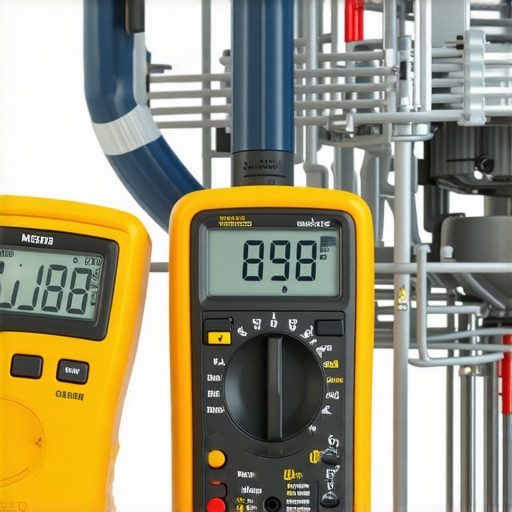
Maintaining your dishwasher over the long term requires the right tools and a disciplined approach. When I first started, I quickly learned that having a few specialized tools made all the difference in diagnosing issues early and ensuring smooth operation. For example, a high-quality digital multimeter is indispensable for testing electrical components like sensors and door latches, helping prevent unnecessary replacements and keeping warranties intact. I personally rely on a Fluke 115 Multimeter due to its accuracy, durability, and user-friendly interface.
Essential Tools I Use Regularly
Aside from a multimeter, a digital ultrasonic leak detector has become my go-to for pinpointing elusive leaks without dismantling the entire panel. It’s highly sensitive and can detect minute vibrations indicating leaks or weak joints—saving time and preventing water damage.
For more routine checks, I swear by a set of precision screwdrivers and a torque wrench calibrated to the manufacturer’s specifications. Proper torque is crucial when tightening fittings and clamps; over-tightening can deform components or strip threads, while under-tightening risks leaks and warranty issues. My advice is to always use a torque screwdriver with digital readout to ensure you meet those exact manufacturer torque values.
Tools for Installation and Troubleshooting
When installing or replacing parts, I turn to specialized wrenches like the Basin Wrench or a set of adjustable pliers with rubberized grips. These allow access in tight spaces without damaging delicate hoses or fittings. Additionally, magnetic ESD-safe screwdrivers help prevent electrostatic discharge that could harm sensors or circuit boards—guarding your investment and warranty coverage.
Looking ahead, the trend in dishwasher maintenance leans toward smart diagnostics. IoT-enabled sensors and diagnostic apps will soon allow homeowners to monitor their appliances remotely, predicting failures before they happen. This foresight minimizes downtime and extends device longevity.
How do I keep my dishwasher functioning smoothly over time?
Routine maintenance is key. Regularly inspecting hoses, cleaning filters, and checking for wear ensures your dishwasher operates efficiently and maintains its warranty. Implement a schedule to run these checks every 6 to 12 months, just like I do, and document the work thoroughly. Keeping detailed records of your maintenance, including photos and dates, can be invaluable if warranty service becomes necessary. For detailed guidance, refer to this comprehensive resource.
As technology advances, tools like leak detectors and diagnostic apps will become more accessible, allowing homeowners to perform proactive maintenance. I recommend trying out a digital leak detector or temperature sensor integration—these small investments can save you from costly repairs and keep your warranty valid. Don’t wait for a leak to happen—preemptive care keeps your dishwasher running flawlessly for years to come.
What I Wish I Knew Before Compiling Parts
One of my biggest revelations was realizing how tiny mismatches in Flex-Hose specifications could undermine an entire dishwasher setup. It taught me to double-check all measurements and compatibility notes—don’t assume generic parts will do the trick. The small details, like correct diameter and material grade, have a huge impact on long-term performance and warranty safety.
I also learned that reusing old fittings and clamps is a shortcut that often backfires. Upgrading to manufacturer-approved clamps and brass fittings, even if it means spending a bit more upfront, ensures a tighter seal and peace of mind. This lesson has saved me countless hours of troubleshooting leaks later.
Perhaps most importantly, I discovered the value of thorough documentation—photos, serial numbers, and detailed receipts. During warranty claims, this documentation became my strongest evidence, preventing unnecessary disputes. These insights turned a DIY headache into a straightforward, confident process.
My Go-To Tools for Flawless Installation and Maintenance
Over the years, I’ve curated a toolkit that makes all the difference. A high-quality digital multimeter helps me diagnose electrical issues quickly, preserving warranty coverage. A digital ultrasonic leak detector is invaluable for pinpointing elusive leaks without dismantling everything, saving time and avoiding water damage risks.
For precise assembly, I rely on a calibrated torque screwdriver—over-tightening can ruin fittings, while under-tightening causes leaks. A set of quality, rubberized pliers and specialized wrenches helps me access tight spaces safely and efficiently. For ongoing maintenance, these tools ensure every connection remains secure, preserving the integrity of my installation and warranty eligibility.
Harnessing the Power of Smart Monitoring Tools
Looking ahead, I’m excited about smart sensors and IoT gadgets that monitor water pressure and detect leaks in real-time. Investing in a digital flow sensor or pressure gauge, linked with maintenance apps, not only protects your dishwasher but also guarantees ongoing warranty compliance. These proactive tools allow me to catch issues early, minimizing downtime and costly repairs.
Reminding myself of routine checks—like inspecting hoses and clamps every 6-12 months—has been key to long-lasting performance. Combining regular manual inspections with smart technology creates a robust defense against leaks, safeguard warranties, and keep the dishwasher running smoothly year after year.
Have you ever faced unexpected leaks because of overlooked specs or improper fittings? Share your story below—I’d love to hear how you’ve made your installation leak-proof and warranty-friendly!
Related Posts
Smart Dishwasher Parts & Installation Tips for Long-Lasting Trust
My Journey into Dishwasher Maintenance: A Personal TaleEver since I…
Warranty and Parts Guide for Dishwasher Installation Success
My First Dishwasher Woes and the Power of Proper PartsWhen…

Stop Using Old Kits: 3 New Parts for 2026 Installations
Have you ever stared at your dishwasher after a frustrating…