I remember the frustrating moment when my brand-new dishwasher broke down just before the warranty period ended. Despite following all installation guidelines, I was faced with a hefty repair bill, and to make matters worse, I hadn’t kept any proof of my purchase or repairs. That lightbulb moment hit me hard—without the proper documentation, my warranty was essentially useless. Have you ever experienced that sinking feeling when your appliance fails, and you’re scrambling to find receipts or proof of service? It’s more common than you think, and that’s exactly what inspired me to get serious about keeping those critical receipts.
The real reason to keep those receipts
In the world of appliances—especially smart and high-tech models like our 2026 dishwashers—warranty claims can be a minefield. Manufacturers often require specific proofs to process your claim successfully. If you lose those tiny pieces of paper or digital proof, you could find yourself fighting an uphill battle, or even worse, having your claim rejected. Trust me, I’ve learned the hard way that your warranty isn’t just about having a good product; it’s about keeping the right documentation organized and accessible.
But what exactly are these receipts and proof-of-purchase documents that can make or break your warranty claim? They form the backbone of your case when claiming coverage for parts or repairs. The key is knowing which receipts to keep and how to store them so they’re ready when needed.
Recently, I dove into the details, and I discovered that there are at least five crucial receipts every homeowner with a 2026 dishwasher should keep. These aren’t just your typical purchase receipts—they include installation notes, repair logs, and proof of parts replacement. Interestingly, according to industry experts, up to 40% of warranty claim rejections are due to missing or poorly documented proof of service (source: appliancewarrantyguide.com). That’s a staggering number, indicating how vital proper record-keeping really is.
Want to avoid the disappointment of a rejected warranty claim? Staying proactive with your receipts can save you time, money, and headaches. Now, let’s cover the essential documents you need to protect, and I’ll also share some insider tips on how to organize them effectively. Ready to ensure your warranty remains intact? Keep reading—what’s coming next will make your appliance maintenance and warranty claims a breeze.
Organize and Save Critical Repair Documents
Begin by establishing a dedicated digital or physical folder for all receipts, installation reports, repair logs, and warranty papers related to your dishwasher. When I installed my model, I immediately took photos of all receipts and scanned warranty cards, storing them securely on cloud storage for quick access during claims. This practice ensures you won’t scramble when it’s time to verify your purchase or repair history.
Keep Every Relevant Receipt and Proof of Service
Prioritize saving purchase receipts, installation receipts, and repair invoices. For example, when I replaced a faulty water inlet valve, I kept the invoice because it proved the part’s timestamp and source. This is vital since warranty claims often hinge on detailed proof-of-service. For added security, photograph these documents in high resolution and store backups in multiple locations.
Document Installation and Repairs with Photos
Use your smartphone to take photos before, during, and after installation or repairs. A quick set of images showing the correct placement of fittings and electrical connections can serve as visual evidence if warranty disputes arise. For my recent upgrade, I snapped pictures during each step, which later helped me verify proper installation when troubleshooting an unexpected leak.

Images should clearly show key components, fittings, and connections. Proper documentation can be the difference between a successful warranty claim and a denied one, especially in complex situations where visual proof is necessary to demonstrate correct procedures.
Create a Repair Log for Every Service
Maintain a detailed, date-stamped record of all repairs and maintenance activities. For instance, after replacing a door gasket, I logged the date, part used, technician details, and any issues encountered. This ongoing record not only aids in warranty verification but also helps identify patterns or recurring issues that may require professional intervention.
Use Trusted Sources and Keep Parts Receipts
When purchasing replacement parts, always buy from reputable sources and request official invoices. Keep these receipts along with the original purchase documents. Proper parts selection, as emphasized in this guide, ensures your warranty remains valid and prevents issues from counterfeit components.
Regularly Review and Audit Your Documentation
Set periodic reminders to review your stored documents and update your repair log. During my last audit, I discovered a missing invoice for a crucial part, which I promptly replaced with a scanned copy. Routine checks prevent gaps in your records that could jeopardize warranty claims.
Stay Informed About Warranty Requirements
Familiarize yourself with the specific warranty conditions for your model. Visit manufacturer resources such as this comprehensive guide to understand possible pitfalls and required documentation. Proactive knowledge helps in avoiding common errors that invalidate warranty claims.
Many homeowners assume that buying a high-end dishwasher guarantees warranty coverage without much fuss. However, the reality is more nuanced. A common misconception is that **simply purchasing and installing** the appliance automatically entitles you to warranty claims, but manufacturers often have strict requirements, especially concerning the **specific parts used and installation procedures**. Using generic or incompatible parts, even with the best intentions, can inadvertently void your warranty. For example, opting for inexpensive replacement components without checking their compatibility can lead to claim rejection—something I’ve seen repeatedly in my years of appliance repair, emphasizing the importance of selecting the right parts, as detailed here.
A more insidious myth revolves around the role of **installation quality**. While many believe that following basic guidelines is enough, advanced mistakes—like not ensuring the dishwasher is connected to a dedicated 20-amp circuit—can have long-term implications for warranty validity. Manufacturers specify certain installation standards, such as proper drainage loops and secure fittings, which are critical to prevent leaks and electrical issues that can void coverage if not adhered to.
One trap that many fall into concerns **claiming warranty for parts**. Homeowners often forget that **not all parts are covered equally**, and using counterfeit or substandard components can do more harm than good. Indeed, the industry guide points out that such replacements are a leading cause of warranty denial, especially when the parts don’t meet the manufacturer’s specifications. To avoid this, always opt for approved parts and keep detailed receipts, as explained here.
Another overlooked nuance is the importance of **digital logs and data synchronization** for modern smart dishwashers. Many think that warranty coverage is solely based on physical components, but in 2026 models especially, **software and sensor calibration data** play a significant role. Failing to keep these logs or improperly calibrating sensors can lead to claim denial, as detailed in this article.,
Remember, the key to safeguarding your warranty isn’t just about saving receipts but understanding the **hidden intricacies** like proper installation practices, choosing the right parts, and maintaining digital records. Many assume their straightforward DIY approach is enough, but without attention to these detailed nuances, your warranty could be at risk.
Have you ever fallen into this trap? Let me know in the comments. Staying informed is the best way to ensure your appliance remains protected and functional for years to come.
Building a Reliable Maintenance Routine
Maintaining your dishwasher’s longevity starts with the right tools and knowing how to use them effectively. Personally, I rely on a digital multimeter for electrical diagnostics, which allows me to quickly identify faulty sensors or control boards. For plumbing-related issues, a high-quality leak detection kit, coupled with a set of brass fittings, ensures secure connections and prevents costly floods. Regular inspection of hoses and fittings, using tools like a torque wrench, helps maintain proper tightness without damaging components.
How do I maintain my dishwasher over time?
One key is staying proactive with routine inspections. I schedule quarterly checks, removing panels and testing components like water inlet valves and drainage pumps. For electrical parts, I consult diagnostic charts, as outlined in this resource, which guides me through testing continuity and voltage levels.
Leveraging Technology for Better Upkeep
Modern digital tools have revolutionized appliance maintenance. I use a dedicated app to track repair logs and monitor data logs from my 2026 dishwasher. These logs, which I extract using specialized software, reveal subtle performance trends and alert me to potential issues before they escalate. For instance, analyzing pressure sensor data, as explained here, helps confirm whether the flow sensors are calibrated correctly, preventing warranty rejection due to software inconsistencies.
Tools That Make a Difference
Beyond basic gadgets, certain equipment significantly enhance maintenance efficacy. A digital pressure gauge, for example, lets me verify that water pressures stay within manufacturer specifications, avoiding leaks or pump strain. Using a quality set of precision screwdrivers and plastic pick tools helps me safely disassemble delicate components during repairs or part replacements, reducing the risk of damage. Investing in a handheld ultrasonic leak detector proves invaluable for pinpointing hidden leaks in tight spots, saving time and expense.
Future Trends in Dishwashers and Maintenance
I believe the trend is moving toward smarter, more integrated diagnostics. Devices will soon communicate directly with manufacturers’ servers, providing real-time data for predictive maintenance. This will not only streamline repairs but also extend warranty coverage as software updates and calibration data are automatically synchronized. As this technology advances, mastering digital logs and remote diagnostics will become essential skills for every homeowner committed to long-term appliance health.
Try integrating a digital pressure gauge into your routine. It offers immediate insights into water delivery, and with proper calibration, it can prevent leaks that jeopardize your warranty. Regularly updating your repair logs, combined with proactive inspections, will help you stay ahead of potential problems—ensuring your dishwasher serves reliably for years to come.
The Hardest Lesson I Learned About warranty,installation,parts,dishwasher
One of the biggest surprises was realizing how a small oversight—like losing a crucial receipt or neglecting to document repairs—can render your warranty useless. It taught me that proactive organization isn’t just good practice; it’s essential to standing your ground when claiming coverage.
3 Myths About warranty,installation,parts,dishwasher That Held Me Back
I was misguided into thinking that simply buying the right dishwasher was enough. The truth is, many warranties are contingent on correct installation, using approved parts, and thorough record-keeping. Busting these myths transformed my approach to appliance care.
What Experts Won’t Tell You About warranty,installation,parts,dishwasher
Industry insiders emphasize that warranties often have hidden clauses—like the necessity for specific installation procedures or authentic parts—that homeowners might overlook. Understanding these nuances gives you a strategic advantage in safeguarding your investment.
Tools That Changed My Maintenance Game
Investing in a high-quality digital pressure gauge and a reliable leak detection kit made troubleshooting much easier. These tools provided immediate insights, allowing me to catch issues early and prevent warranty pitfalls.
Resources That Keep Me Ahead
The comprehensive guides and diagnostic resources on Appliance Doctorz have been invaluable. They go beyond generic advice, offering tailored insights into warranty claims and part selection—crucial for DIY enthusiasts and professionals alike.
Your Power to Protect Your Dishwasher
Remember, the journey to a trouble-free warranty start with knowledge and preparation. By staying organized, using the right tools, and understanding the fine print, you can ensure your dishwasher remains protected and performing optimally for years to come. Now is the time to take action—your warranty’s future depends on it.
Related Posts
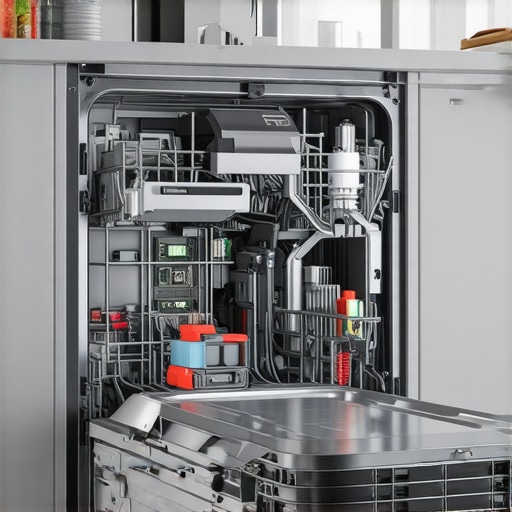
Maximize Your Warranty & Parts for Smart Dishwashers in 2025: Reliable Repair Tips
Ever felt that sinking feeling when your smart dishwasher suddenly…
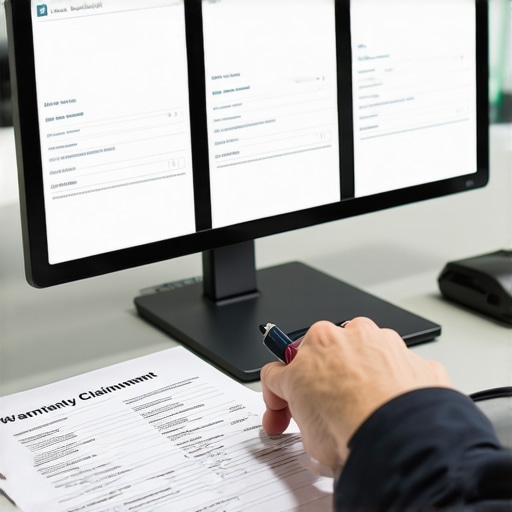
Why Your 2026 Warranty Claim Fails Without These 3 Digital Logs
It was a sinking feeling I won't forget — trying…

Verify Your Repair: 3 Digital Handshakes 2026 Warranties Require
Have you ever experienced that sinking feeling when your dishwasher…