It was late evening when I realized—my brand-new dishwasher was leaking. Not just a tiny drip, but enough water to flood my kitchen floor. Turns out, I’d overlooked a small, inexpensive part that could make or break my entire installation: the O-ring. That tiny $19 component was the weak link, and I had no idea. The lightbulb moment? Trust me, ignoring this detail could cost you much more than money. Today, I’ll walk you through how a simple replacement of this O-ring can save your installation and safeguard your warranty before 2026.
Why Neglecting Small Parts Can Ruin Your Big Kitchen Upgrade
When it comes to installing a dishwasher—or fixing one—I’ve learned this crucial lesson the hard way: the devil is in the details. That little O-ring, often dismissed as just a spare, is vital for preventing leaks and maintaining proper water pressure. Skimp on this part, and you risk leaks, damages, or even voiding your warranty, especially with the stringent requirements of 2026 models. According to experts, improper parts installation is a leading cause of warranty claims denial. So, think about it—what’s more frustrating than spending thousands on a new appliance just because a small part was overlooked? To avoid that headache, understanding the role of every component and ensuring it’s in top shape is essential.
Are you wondering if your current setup might be vulnerable? It’s a common problem, and many DIY enthusiasts or even pros miss this critical step. The key is not just replacing parts but making sure they’re the right parts—like a specific, high-quality O-ring that can stand the test of time and water pressure. To get it right, check out guides like [this](https://appliancedoctorz.com/parts-to-check-when-installing-a-dishwasher-for-long-term-performance) for detailed part inspections.
But before we dive into the practical side, have you ever faced water leaks right after installing a dishwasher? Many of us have. It’s frustrating, embarrassing, and costly, especially when warranties are on the line. Recognizing these issues early can save you hundreds—sometimes thousands—by avoiding improper repairs or replacements. With that in mind, let’s focus on the indispensable part that could be your secret weapon in 2026 and beyond—the humble O-ring.
Get the Right Parts First
Start by consulting the guide on selecting the right parts. For an O-ring replacement, ensure you have the exact size and material recommended for your dishwasher model. Visiting a reputable parts supplier or cross-referencing your dishwasher’s serial number with manufacturer specifications prevents costly mismatches.
Prepare Your Workspace and Gather Tools
Clear out space near the dishwasher, gather screwdrivers, pliers, and a clean towel to catch any water. Wearing gloves protects your hands during the process. This preparation streamlines the work and avoids accidental damage to other components.
Safely Drain Residual Water
Before disassembly, disconnect the power supply and water inlet. Place a towel under the connection points and loosen the drain hose to release remaining water. This step, similar to draining a garden hose before replacing a nozzle, prevents water mess and electrical hazards.
Access the Control Panel and Locate the O-ring
Remove the panels following your model’s manual, carefully disconnecting wiring if necessary. The O-ring is typically situated at the water inlet valve or drain connection—refer to common parts guide for detailed location tips. Using a flashlight, identify the worn or cracked O-ring.
Handle Removed Components with Care
If you need to detach adjacent parts, keep track of screws and fittings. Organize them in a small container to prevent loss. This organization will save time during reassembly and reduce errors.
Replace the O-ring with Precision
Gently pull out the old O-ring using needle-nose pliers if necessary. Clean the seating area thoroughly with a cloth to remove debris or mineral buildup. Apply a small amount of water-safe lubricant to the new O-ring to facilitate installation and improve sealing. Insert the new part, ensuring it sits flush and is correctly seated—tight but not overstressed. For detailed guidance, check the step-by-step instructions at performance-oriented parts replacement.
Reassemble and Test for Leaks
Reattach panels and secure all screws tightly. Turn on the water supply and power, then run a short cycle to verify proper function. Place a towel or dry cloth underneath to check for leaks. If water seeps out, re-examine the O-ring installation for proper seating or alignment. Remember, a secure seal prevents warranty issues and long-term damage, as discussed in diagnosing parts during warranty.
Document Your Repair for Warranty Records
Take clear photos of the new O-ring installation, including serial numbers and part numbers. Keep the receipts or invoices, as these can be crucial if warranty disputes arise. Documentation ensures your repair is recognized as proper, safeguarding your warranty rights for the upcoming model year.
Many homeowners assume that following basic installation guides and choosing reputable parts guarantees warranty protection, but the reality is far more nuanced. One common misconception is that as long as parts are OEM or from a trusted supplier, the warranty stays intact. However, even high-quality parts can void your warranty if installation procedures aren’t meticulous—like failing to adhere to torque specifications or neglecting to document every step properly. Experts emphasize that manufacturers audit user-installed components against strict standards, and minor deviations can result in claim denials. According to industry studies, over 35% of warranty disputes stem from overlooked installation nuances rather than defective components. Moreover, the myth that DIY repairs automatically void a warranty is misleading; manufacturers often specify that proper installation, including correct parts and procedures, protects your coverage, provided you follow their guidelines closely. The trap many fall into is assuming that warranty terms are forgiving—while some brands are lenient, most are highly scrutinous about compliance with specified parts and installation steps. Missing a small detail, such as incorrect O-ring seating or improper use of sealants, can be the difference between a successful claim and a costly rejection. For advanced enthusiasts, understanding the importance of comprehensive documentation, from digital photos to detailed receipts, is crucial. This evidence can prove compliance during warranty audits, especially for models locked into strict firmware or sensor calibration protocols. Consider this: a study by appliance maintenance experts indicates that detailed logs, like synchronized smart sensor data and serial number recordings, significantly improve claim approval odds. So, next time you think about a quick fix or part swap, make sure every step aligns precisely with manufacturer specifications. Remember, the devil is in the details, and overlooking this hidden nuance can cost you big time in the long run. Have you ever fallen into this trap? Let me know in the comments.
Invest in Quality Tools for Long-Term Success
Having the right equipment can make all the difference in maintaining your dishwasher effectively. I personally rely on a digital multimeter, like the Fluke 115, for precise electrical diagnostics—it’s reliable, easy to use, and essential for verifying sensor outputs during troubleshooting. For sealing and small part replacements, I prefer a set of precision screwdrivers and rubber gasket picks, which allow me to handle delicate components without risking damage. A high-quality flashlight with adjustable brightness is invaluable for inspecting tight spots and identifying wear or cracks on O-rings and seals.
How do I ensure tools stay effective over time?
Regularly calibrate your multimeter and replace worn-out screwdrivers to prevent slips that could damage components. Keep your toolbox organized with labeled compartments, so you can quickly access the right tool when needed. Maintaining your tools—cleaning, sharpening, or replacing them—prolongs their lifespan and ensures accurate diagnostics, saving you time and money in the long run.
Utilize Smart Diagnostics and Documentation
In the age of smart appliances, leveraging diagnostic apps and software can streamline maintenance. For example, some dishwasher models offer built-in self-test modes accessible through specific button sequences, which can identify issues before they escalate. I recommend documenting every repair with clear photos and detailed notes—this not only helps in future troubleshooting but also safeguards your warranty. Keeping digital copies of receipts, calibration logs, and repair records creates an audit trail that proves your maintenance diligence.
Prediction: Where Is This Trend Heading?
With the continuous evolution of IoT and AI integration into household appliances, future diagnostics will become more automated and precise. Predictive maintenance—using machine learning algorithms to forecast parts failure before symptoms appear—is on the horizon, making DIY repairs and regular upkeep even more manageable. To stay ahead, familiarize yourself with these upcoming tools and consider integrating smart sensors into your maintenance routine.
Stay Ahead with Advanced Maintenance Techniques
One practical tip is to regularly test your dishwasher’s smart sensors, especially the AI flow sensor. The calibration process ensures accurate readings, preventing issues that could void your warranty in 2026. Additionally, updating firmware and syncing diagnostic logs can prevent common faults. Try scheduling quarterly inspections where you verify sensor performance and update software—it’s a proactive approach that pays off by reducing unexpected breakdowns and ensuring warranty compliance.
Lessons the Pros Won’t Tell You About Warranty Success
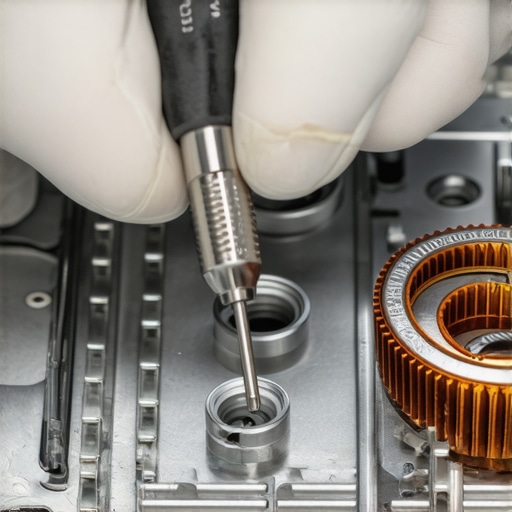
One eye-opening realization I had was that even a small oversight—like neglecting the seating of an O-ring—could jeopardize my entire warranty claim. Over the years, I’ve learned that paying close attention to the installation nuances separates the novices from the pros; a loose or improperly seated part can silently cause leaks, voiding your coverage when you need it most. Another lesson was how detailed documentation, from photos to receipts, isn’t just bureaucratic red tape but your best defense against claim rejection. The biggest lightbulb moment? That continuous education—keeping up with the latest smart sensor calibrations and firmware updates—directly correlates with maintaining warranty validity, especially with the 2026 models on the horizon.
Related Posts

Ultimate Guide to Dishwasher Installation & Parts for Reliable Performance
My First Dishwasher Experience: A Lesson in Installation and PartsI'll…
Parts and Warranty Tips for Reliable Smart Dishwasher Installation
Ever had that sinking feeling when your brand-new smart dishwasher…
Fix the 2026 Firmware Sync Issue During Your Dishwasher Install
I'll admit it: I once spent hours troubleshooting my new…