I’ll never forget the moment I realized my simple dishwasher repair was spiraling into a costly nightmare. I had watched countless YouTube tutorials, stocked up on replacement parts, and confidently dove into the installation. But within hours, water was leaking under the cabinets, and my warranty was on the line. Talk about a lightbulb moment! It dawned on me that ignoring small but crucial details during installation could mean the difference between a smooth repair and a disaster that voids my warranty.
The Hidden Pitfalls of DIY Dishwasher Installation
If you’re considering tackling your 2026 dishwasher upgrade yourself, you’re probably motivated by saving money and gaining confidence. But trust me, without paying close attention to certain installation parts, you risk not only damaging your machine but also losing your valuable warranty coverage. The good news? With a little knowledge, you can sidestep common mistakes and ensure your investment stays protected. Today, I’m going to share the four key parts you must focus on during your DIY install to avoid tech fees and keep your dishwasher running smoothly.
Is It Really Worth All The Fuss? Common Fears About DIY Installation
Now, I get it. You might be thinking, “Isn’t this just overcomplicating things?” or “What if I mess up and void my warranty?” Believe me, I’ve been there. Early on, I made the mistake of reusing old hoses because they looked okay—only to face leaks that cost me hundreds of dollars in repairs. That’s why I emphasize proper parts selection, especially for critical connections. For a detailed look at which parts are often overlooked but vital for warranty protection, see how [parts to check during installation](https://appliancedoctorz.com/parts-to-check-when-installing-a-dishwasher-for-long-term-performance) can make or break your project.
If you want to avoid similar pitfalls and ensure your appliance survives years of hard work, understanding which parts matter most is essential. So, let’s dive into the specific components that will make your DIY install a success rather than a costly mistake.
‘}#}#}#}#}#}#}#}#}#}#}#}#}#}#}#}#}#}#}#}#}#}#}#}#}#}#}#}#}#}#}#}#}#}#}#}#}#}#}#}#}#}#}#}#}#}#}#}#}#}#}#}#}#}#}#}#}#}#}#}#}#}#}#}#}#}#}#}#}#}#}#}#}#}#}#}#}#}#}#}#}#}#}#}#}#}#}#}#}#}#}#}#}#}#}#}#}#}#}#}#}#}#}#}#}#}#}#}#}#}#}#}#}#}#}#}#}#}#}#}#}#}#}#}#}#}#}#}#}#}#}#}#}#}#}#}#}#}#}#}#}#}#}#}#}#}#}#}#}#}#}#}#}#}#}#}#}#}#}#}#}#}#}#}#}#}#}#}#}#}#}#}#}#}#}#}#}#}#}#}#}#}#}#}#}#}#}#}#}#}#}#}#}#}#}#}#}#}#}#}#}#}#}#}#}#}#}#}#}#}#}#}#}#}#}#}#}#}#}#}#}#}#}#}#}#}#}#}#}#}#}#}#}#}#}#}#}#}#}#}#}#}#}#}#}#}#}#}#}#}#}#}#}#}#}#}#}#}#}#}#}#}#}#}#}#}#}#}#}#}#}#}#}#}#}#}#}#}#}#}#}#}#}#}#}#}#}#}#}#}#}#}#}#}#}#}#}#}#}#}#}#}#}#}#}#}#}#}#}#}#}#}#}#}#}#}#}#}#}#}#}#}#}#}#}#}#}#}#}#}#}#}#}#}#}#}#}#}#}#}#}#}#}#}#}#}#}#}#}#}#}#}#}#}#}#}#}#}#}#}#}#}#}#}#}#}#}#}#}#}#}#}#}#}#}#}#}#}#}#}#}#}#}#}#}#}#}#}#}#}#}#}#}#}#}#}#}#}#}#}#}#}#}#}#}#}#}#}#}#}#}#}#}#}#}#}#}#}#}#}#}#}#}#}#}#}#}#}#}#}#}#}#}#}#}#}#}#}#}#}#}#}#}#}#}#}#}#}#}#}#}#}#}#}#}#}#}#}#}#}#}#}#}#}#}#}#}#}#}#}#}#}#}#}#}#}#}#}#}#}#}#}#}#}#}#}#}#}#}#}#}#}#}#}#}#}#}#}#}#}#}#}#}#}#}#}#}#}#}#}#}#}#}#}#}#}#}#}#}#}#}#}#}#}#}#}#}#}#}#}#}#}#}#}#}#}#}#}#}#}#}#}#}#}#}#}#}#}#}#}#}#}#}#}#}#}#}#}#}#}#}#}#}#}#}#}#}#}#}#}#}#}#}#}#}#}#}#}#}#}#}#}#}#}#}#}#}#}#}#}#}#}#}#}#}#}#}#}#}#}#}#}#}#}#}#}#}#}#}#}#}#}#}#}#}#}#}#}#}#}#}#}#}#}#}#}#}#}#}#}#}#}#}#}#}#}#}#}#}#}#}#}#}#}#}#}#}#}#}#}#}#}#}#}#}#}#}#}#}#}#}#}#}#}#}#}#}#}#}#}#}#}#}#}#}#}#}#}#}#}#}#}#}#}#}#}#}#}#}#}#}#}#}#}#}#}#}#}#}#}#}#}#}#}#}#}#}#}#}#}#}#}#}#}#}#}#}#}#}#}#}#}#}#}#}#}#}#}#}#}#}#}#}#}#}#}#}#}#}#}#}#}#}#}#}#}#}#}#}#}#}#}#}#}#}#}#}#}#}#}#}#}#}#}#}#}#}#}#}#}#}#}#}#}#}#}#}#}#}#}#}#}#}#}#}#}#}#}#}#}#}#}#}#}#}#}#}#}#}#}#}#}#}#}#}#}#}#}#}#}#}#}#}#}#}#}#}#}#}#}#}#}#}#}#}#}#}#}#}#}#}#}#}#}#}#}#}#}#}#}#}#}#}#}#}#}#}#}#}#}#}#}#}#}#}#}#}#}#}#}#}#}#}#}#}#}#}#}#}#}#}#}#}#}#}#}#}#}#}#}#}#}#}#}#}#}#}#}#}#}#}#}#}#}#}#}#}#}#}#}#}#}#}#}#}#}#}#}#}#}#}#}#}#}#}#}#}#}#}#}#}#}#}#}#}#}#}#}#}#}#}#}#}#}#}#}#}#}#}#}#}#}#}#}#}#}#}#}#}#}#}#}#}#}#}#}#}#}#}#}#}#}#}#}#}#}#}#}#}#}#}#}#}#}#}#}#}#}#}#}#}#}#}#}#}#}#}#}#}#}#}#}#}#}#}#}#}#}#}#}#}#}#}#}#}#}#}#}#}#}#}#}#}#}#}#}#}#}#}#}#}#}#}#}#}#}#}#}#}#}#}#}#}#}#}#}#}#}#}#}#}#}#}#}#}#}#}#}#}#}#}#}#}#}#}#}#}#}#}#}#}#}#}#}#}#}#}#}#}#}#}#}#}#}#}#}#}#}#}#}#}#}#}#}#}#}#}#}#}#}#}#}#}#}#}#}#}#}#}#}#}#}#}#}#}#}#}#}#}#}#}#}#}#}#}#}#}#}#}#}#}#}#}#}#}#}#}#}#}#}#}#}#}#}#}#}#}#}#}#}#}#}#}#}#}#}#}#}#}#}#}#}#}#}#}#}#}#}#}#}#}#}#}#}#}#}#}#}#}#}#}#}#}#}#}#}#}#}#}#}#}#}#}#}#}#}#}#}#}#}#}#}#}#}#}#}#}#}#}#}#}#}#}#}#}#}#}#}#}#}#}#}#}#}#}#}#}#}#}#}#}#}#}#}#}#}#}#}#}#}#}#}#}#}#}#}#}#}#}#}#}#}#}#}#}#}#}#}#}#}#}#}#}#}#}#}#}#}#}#}#}#}#}#}#}#}#}#}#}#}#}#}#}#}#}#}#}#}#}#}#}#}#}#}#}#}#}#}#}#}#}#}#}#}#}#}#}#}#}#}#}#}#}#}#}#}#}#}#}#}#}#}#}#}#}#}#}#}#}#}#}#}#}#}#}#}#}#}#}#}#}#}#}#}#}#}#}#}#}#}#}#}#}#}#}#}#}#}#}#}#}#}#}#}#}#}#}#}#}#}#}#}#}#}#}#}#}#}#}#}#}#}#}#}#}#}#}#}#}#}#}#}#}#}#}#}#}#}#}#}#}#}#}#}#}#}#}#}#}#}#}#}#}#}#}#}#}#}#}#}#}#}#}#}#}#}#}#}#}#}#}#}#}#}#}#}#}#}#}#}#}#}#}#}#}#}#}#}#}#}#}#}#}#}#}#}#}#}#}#}#}#}#}#}#}#}#}#}#}#}#}#}#}#}#}#}#}#}#}#}#}#}#}#}#}#}#}#}#}#}#}#}#}#}#}#}#}#}#}#}#}#}#}#}#}#}#}#}#}#}#}#}#}#}#}#}#}#}#}#}#}#}#}#}#}#}#}#}#}#}#}#}#}#}#}#}#}#}#}#}#}#}#}#}#}#}#}#}#}#}#}#}#}#}#}#}#}#}#}#}#}#}#}#}#}#}#}#}#}#}#}#}#}#}#}#}#}#}#}#}#}#}#}#}#}#}#}#}#}#}#}#}#}#}#}#}#}#}#}#}#}#}#}#}#}#}#}#}#}#}#}#}#}#}#}#}#}#}#}#}#}#}#}#}#}#}#}#}#}#}#}#}#}#}#}#}#}#}#}#}#}#}#}#}#}#}#}#}#}#}#}#}#}#}#}#}#}#}#}#}#}#}#}#}#}#}#}#}#}#}#}#}#}#}#}#}#}#}#}#}#}#}#}#}#}#}#}#}#}#}#}#}#}#}#}#}#}#}#}#}#}#}#}#}#}#}#}#}#}#}#}#}#}#}#}#}#}#}#}#}#}#}#}#}#}#}#}#}#}#}#}#}#}#}#}#}#}#}#}#}#}#}#}#}#}#}#}#}#}#}#}#}#}#}#}#}#}#}#}#}#}#}#}#}#}#}#}#}#}#}#}#}#}#}#}#}#}#}#}#}#}#}#}#}#}#}#}#}#}#}#}#}#}#}#}#}#}#}#}#}#}#}#}#}#}#}#}#}#}#}#}#}#}#}#}#}#}#}#}#}#}#}#}#}#}#}#}#}#}#}#}#}#}#}#}#}#}#}#}#}#}#}#}#}#}#}#}#}#}#}#}#}#}#}#}#}#}#}#}#}#}#}#}#}#}#}#}#}#}#}#}#}#}#}#}#}#}#}#}#}#}#}#}#}#}#}#}#}#}#}#}#}#}#}#}#}#}#}#}#}#}#}#}#}#}#}#}#}#}#}#}#}#}#}#}#}#}#}#}#}#}#}#}#}#}#}#}#}#}#}#}#}#}#}#}#}#}#}#}#}#}#}#}#}#}#}#}#}#}#}#}#}#}
Select the Right Parts Before Starting
When I did my first DIY dishwasher install, I assumed generic parts would suffice. Wrong move. I quickly learned that using proper, manufacturer-recommended components is crucial for maintaining warranty validity and ensuring long-term performance. Think of it like building a house; you wouldn’t use cheap plywood for load-bearing walls. Same applies here. Always choose parts that match your dishwasher’s model and make. For guidance, visit this article for tips on selecting the correct components.
Use OEM Parts to Protect Your Warranty
During my second installation, I decided to replace old hoses with OEM parts. This choice prevented leaks and kept my warranty intact. OEM (Original Equipment Manufacturer) parts are designed to fit perfectly and meet safety standards. They are like the original parts in your car—they ensure the system functions as intended. Avoid cheap knock-offs, as they might save a few bucks upfront but can cause failures that void your warranty. For detailed part specifications, check out this guide.
Focus on Critical Connections and Fittings
Specific parts such as water inlet valves, drain hoses, and clips play a pivotal role. For instance, I once overlooked a simple clamp, which led to a leak after a week. It was a small part but had a big impact. For thoroughness, refer to this resource to verify all critical fittings meet specifications and are properly matched.
Inspect and Replace Hardware Carefully
Before installing, I always double-check all hardware. This includes metal fittings and plastic connectors. Visual inspection helped me catch cracks or corrosion that wouldn’t be evident at first glance. Using mismatched or damaged parts is like patching a broken pipe with duct tape—it’s temporary and risky. Carry a checklist from this article to ensure nothing gets overlooked.
Secure Connections Tightly to Prevent Leaks
Loose fittings are a common source of leaks and warranty issues. When I finally learned to tighten all connections firmly but not over-tighten, my installation became much more reliable. Think of fittings like screw threads—they need to be snug but not stripped. Use the proper tools and follow torque recommendations if available. For detailed instructions, see this guide.
Test the System Before Finalizing
Once everything was connected, I ran a test cycle. Checking for leaks or loose fittings before sealing everything permanently saved me from headaches later. To emulate this step, turn on your dishwasher and observe all connections carefully for a few minutes. Remember, catching issues early is easier than fixing them after a flood. For troubleshooting tips, consult this resource.
By carefully selecting, inspecting, and securing each component, you vastly improve the chances of a smooth, warranty-safe installation. Each step might seem small, but combined, they act as the foundation of a reliable, leak-proof dishwasher setup.
Think All Parts Are Created Equal? Think Again
Many homeowners assume that using generic or cheaper parts won’t impact their warranty, but that couldn’t be further from the truth. Expert insights reveal that not all parts are warranty-friendly. For instance, non-OEM hoses or fittings might seem adequate but often lack the durability and exact fit needed to prevent leaks and warranty issues. Skimping on parts can lead to premature failures, which might be blamed on improper installation rather than defective components. So, always prioritize OEM or manufacturer-approved parts to maintain coverage and ensure long-lasting performance.
Beyond the Manual: Recognize the Nuances
Many DIY-ers rely solely on visual inspection, but experienced installers know that subtle signs—like tiny cracks in plastic fittings or corrosion on metal connections—can lead to big problems down the line. According to this comprehensive guide, understanding the nuanced role of each part enhances your ability to preempt issues. For example, a seemingly minor misalignment of the water inlet valve can cause persistent leaks or damage to the electronic controls, jeopardizing warranty claims. Mastering these details requires more than basic knowledge; it demands familiarity with the intricacies of each component.
Does Its Installation Truly Meet the Standards?
Here’s the harsh truth: even a well-chosen part can become the weak link if installed improperly. Over-tightening fittings causes cracks, while under-tightening can lead to leaks. Advanced experts emphasize the importance of using the correct torque specifications—often overlooked by amateurs. Additionally, the orientation of the water supply line and ensuring proper pressure regulation are critical for avoiding water damage and warranty disputes. For a deeper dive into proper installation techniques, check out this detailed guide. Remember, precise installation is the backbone of warranty preservation.
In summary, protecting your dishwasher warranty isn’t just about selecting the right parts; it’s about understanding their nuances and installing them correctly. Cutting corners on any of these aspects often results in costly repairs or denied claims. Avoid this by investing in quality, paying attention to detail, and following proven installation best practices. Do you think you’re overlooking any of these critical areas? Share your experience in the comments and let’s learn together!
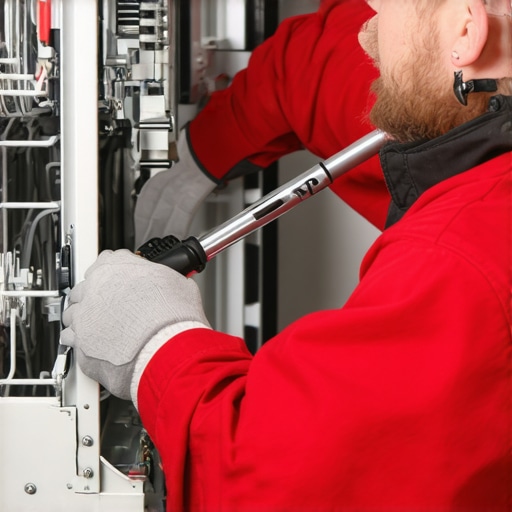
Keep It Running: Tools I Trust
Ensuring your dishwasher operates smoothly over the years requires more than just knowledge—having the right tools makes all the difference. I personally swear by a handful of equipment that simplifies maintenance and troubleshooting, saving me time and safeguarding my warranty. First and foremost, a high-quality digital multimeter is indispensable for diagnosing electrical issues. I prefer one with auto-ranging capabilities, like the Fluke 117, because it provides accurate readings without fiddling with manual ranges, which is crucial when checking components like temperature sensors or control boards.
Next, a set of precision screwdrivers with magnetic tips is essential. Dishwashers contain numerous small fasteners, and losing them can be a real headache. Magnetic tips help keep screws in place, making disassembly and reassembly much smoother. I recommend a stubby Phillips and flat-head for tight spaces, especially when replacing parts like drain valves or spray arms. For those tricky plastic clips and connectors, a pair of nylon pry tools is also a must. They’re gentle on plastic and won’t scratch surfaces, allowing you to remove panels or disconnect fittings without damage.
For measuring water pressure and flow, I use a digital pressure gauge, which alerts me to issues like low inlet pressure that could affect cleaning performance or damage components. When installing or replacing water inlet valves, having a good torch with adjustable brightness helps inspect tight areas and verify gasket sealing. In my toolkit, I also include a hose clamp plier set. These make securing or removing clamps much easier, especially on tight fittings near the drain or supply lines. Using the correct tools during installation, like these, helps maintain your warranty by ensuring fittings are properly secured without over-tightening.
Personal maintenance extends beyond hardware—software and diagnostic apps are becoming increasingly relevant. I rely on a smartphone-connected OBD-style scanner adapted for appliance control boards, which can help read error codes and pinpoint issues without guesswork. For example, checking error logs can reveal intermittent sensor failures that otherwise go unnoticed. Staying ahead of small problems prevents larger breakdowns and potential warranty claims.
Looking ahead, I believe the trend will shift further towards smart diagnostic tools that integrate with your mobile devices. Future solutions might include AI-powered apps that recommend maintenance tasks based on usage patterns, prolonging the life of your appliance and avoiding costly repairs. I suggest trying out an advanced diagnostic scan on your dishwasher—it’s a game-changer for early problem detection. Regular use of these tools fosters a proactive maintenance mindset, reducing downtime and ensuring your dishwasher keeps serving reliably for years.
How do I maintain long-term performance of my dishwasher?
The secret lies in routine checks and using the right equipment. Regularly inspecting parts like the inlet valve, spray arms, and filters—guided by tools like a multimeter and pressure gauge—can prevent leaks and clogs that jeopardize your warranty. For detailed maintenance tips, see how this resource can help you develop a personalized maintenance routine. Remember, investing a little in high-quality tools today can save you hundreds of dollars in repairs tomorrow, and keep your warranty valid.
Lessons No One Informs You About Protecting Your Dishwasher Warranty
- I learned the hard way that reusing old hoses seemed economical but ended up causing leaks that voided my warranty—trust me, fresh OEM parts are worth every penny for peace of mind.
- Even tiny cracks in fittings, often overlooked during installation, can lead to water damage and costly repairs—always inspect every connection thoroughly before sealing everything up.
- Over-tightening fittings is a trap—snug is good, but beyond that risks cracks and leaks. Using a torque wrench saved me from future headaches and warranty rejections.
- Document every step—photos of proper installation can be invaluable if your warranty claim is challenged. Don’t skip this easy but vital step.
- Understanding the subtle nuances of each component’s role makes all the difference—familiarize yourself with resources like this guide to avoid hidden pitfalls.
Gear Up With My Go-To Resources for Dishwasher Success
- Digital Multimeter, like the Fluke 117—trustworthy for diagnosing electrical issues and preventing a lot of guesswork during installation or troubleshooting.
- Precision Screwdriver Set, with magnetic tips—these keep tiny screws from disappearing and make disassembly straightforward, saving time and frustration.
- Plastic Pry Tools, for safely removing panels without damage—necessary for the delicate plastic clips and connectors involved in modern dishwasher setups.
- High-Quality Pressure Gauge, to monitor water flow—helpful for validating proper water pressure and avoiding future leaks that could jeopardize your warranty.
- Smartphone Diagnostic Apps, like appliance control scanners—early detection of sensor issues or control board glitches keeps your dishwasher in top shape longer.
Let Your Passion for Proper Installations Drive You
Taking control of your dishwasher’s warranty and performance isn’t just about following steps; it’s about embracing the pride in doing it right. Approach each installation with patience, curiosity, and the willingness to learn from mistakes—and you’ll find satisfaction in knowing you’ve safeguarded your investment. Remember, understanding these insider insights empowers you to act confidently, making each repair or upgrade a rewarding experience. So, challenge yourself to do better every time—your future self will thank you.
Are you ready to take the plunge and implement these expert practices? Share your experiences or ask questions below—let’s grow together in making our appliances last longer and perform better!
Related Posts

Why Plastic Connectors Fail Your 2026 Dishwasher Installation
I vividly remember the flash of panic when my brand-new…

Efficient Smart Dishwasher Parts & Installation: Maximize Warranty & Performance
Caught in the middle of a frustrating dishwasher malfunction, I…
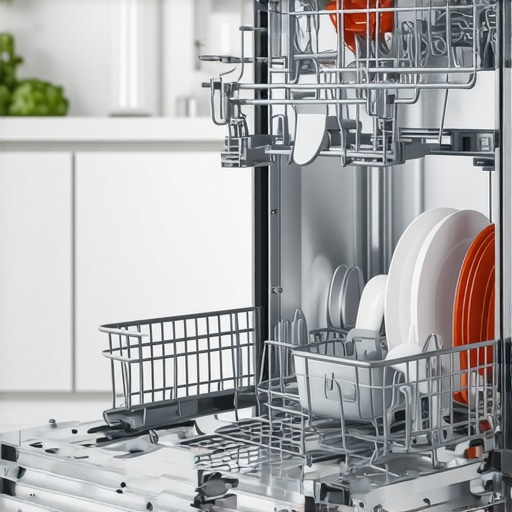
Guide to Dishwasher Parts & Installation for Lasting Trust in 16:46
My Personal Journey into Dishwasher Parts & InstallationI'll never forget…