Ever had that sinking feeling when your dishwasher suddenly stops working right after a new installation? I remember the first time I tried setting up my smart dishwasher. I was eager to get it running smoothly, but within days, I faced leaks, error codes, and a frustrating sense of helplessness. That lightbulb moment made me realize something crucial: the right parts and proper installation are the backbone of a reliable dishwasher. If you’ve experienced similar headaches, you’re not alone—and today, I promise to share what I’ve learned from my mistakes and successes.
Why Choosing the Right Parts and Installing Them Properly Can Save You a Ton of Headaches
Smart dishwashers are marvels of modern convenience, but they’re also sensitive to the quality of parts and the precision of installation. I’ve seen firsthand how a simple wrong part or a hurried setup can lead to leaks, poor cleaning, or even complete breakdowns. Trust me, the difference between a dishwasher that lasts for years and one that needs frequent repairs often boils down to the parts used and the way they’re installed. The good news? With just a bit of guidance, you can avoid the common pitfalls and ensure your appliance performs at its best for years to come. If you’re wondering how to get started, I’ve got you covered.
Is It Really Worth Investing in Quality Parts and Expert Installation?
Early in my journey, I made the mistake of rushing through the installation process with generic parts. The result was a dishwasher that misbehaved from day one. I learned the hard way that cheap parts can cost you more in the long run—causing damage, voiding warranties, and leading to costly repairs. According to industry experts, using the correct parts and following proper installation protocols can extend your dishwasher’s lifespan significantly. You can read more about the importance of selecting the right parts at this guide. It’s worth investing in quality components and professional help if you want peace of mind and a machine that reliably gets the job done.
So, if you’ve ever felt unsure about which parts to choose or worried about the installation process, you’re in the right place. Next, we’re diving into the specific parts that matter most and how to install them correctly for long-term performance. Ready to make your dishwasher work flawlessly? Let’s go!
Choose Your Parts Like a Pro
When I installed my dishwasher, I quickly realized that selecting quality parts is crucial. Think of it like building a sturdy house—using cheap nails or weak wood can compromise the entire structure. Start by consulting the comprehensive guide on dishwasher parts to understand which components are essential for durability and performance. Make sure to match the parts exactly to your model, avoiding generic replacements that might fit but won’t last.
Prioritize the Right Water Supply and Drain Hoses
During my first attempt, I used a cheap hose for water supply, which soon developed a leak. I learned that high-quality, reinforced hoses with secure fittings are non-negotiable. Use flexible, braided stainless-steel supply lines and sturdy drain hoses designed for dishwasher use. These prevent leaks and withstand temperature fluctuations. Check the parts checklist for long-term performance to ensure you’re using the best options.
Proper Installation Techniques Save the Day
My mistake was rushing the installation without following the correct steps. Think of installation like setting a tent: if the stakes aren’t driven deep or the ropes are slack, it won’t hold. Follow the specific top tips for installation to position your dishwasher level, connect water lines firmly, and secure electrical connections properly. Use a level to ensure perfect alignment, which prevents leaks and ensures efficient operation.
Secure Connections and Test for Leaks
After connecting water and drain lines, turn on the water supply and run a short cycle. This step is like a test drive—if you detect leaks, stop and tighten connections immediately. I once missed a loose clamp, leading to water pooling under the dishwasher. Tighten all fittings securely, and double-check the manufacturer’s torque specifications to avoid over-tightening, which can damage fittings.
Leverage Professional Help When Needed
If you’re unsure, don’t hesitate to hire a professional. Think of it as calling an experienced mechanic for a complex engine repair—sometimes, expert hands save time and prevent costly mistakes. Professionals are familiar with manufacturer specifications and can ensure your installation meets warranty standards. This extra step can protect your investment and give you peace of mind.
Keep Your Parts Covered
Finally, always verify your parts are covered under warranty. This way, if a component fails prematurely, you’re protected. Check the warranty coverage list to know your options and keep documentation handy for future reference. Proper parts selection combined with meticulous installation techniques is the foundation of a dishwasher that performs reliably year after year.
Many homeowners believe that choosing any generic part or rushing through the installation process won’t impact their dishwasher’s longevity. However, this is a misconception that can lead to costly repairs and reduced appliance lifespan. The truth is, most people overlook the nuanced details that make a significant difference—especially when it comes to selecting the right components and understanding the complexities of proper installation. Let’s dig deeper into what often gets misunderstood and how to avoid these pitfalls.
Why Skimping on Quality Parts Can Backfire
Everyone says to buy affordable, generic parts to save money, but in my experience, this advice is dangerously misleading. Cheap, non-branded components might fit temporarily, but they often lack the durability required for long-term use. For instance, a low-quality water inlet valve might work initially but can cause leaks or even damage your cabinet over time. Industry experts emphasize that using properly rated, high-quality parts tailored for your specific model is crucial. These parts are designed to withstand water pressure, temperature fluctuations, and wear, significantly reducing the risk of premature failure.
The Hidden Danger of Improper Seals and Fittings
One of the most overlooked aspects during installation is ensuring the integrity of seals and fittings. Many assume that tight connections are enough, but over-tightening can deform rubber gaskets or crack fittings, leading to leaks. Conversely, under-tightening leaves gaps that cause water damage and mold. Advanced installers use torque specifications provided by manufacturers, which is a detail most DIYers miss. This nuance can prevent the infamous leak that can ruin your kitchen floor. Remember, proper installation techniques include precise tightening and testing for leaks before completing the setup.
Are You Overlooking the Importance of Correct Water Supply and Drain Setup?
Many assume that connecting water lines is straightforward, but the nuances are often ignored. Flexible, reinforced hoses with secure fittings are non-negotiable. Using inferior hoses or failing to clamp connections properly can lead to leaks that damage your cabinetry. Additionally, incorrect drain setup can cause backflow issues or standing water, which may seem minor but can drastically reduce washing efficiency and cause odors. An advanced mistake is neglecting to check the slope of the drain hose—too flat, and water won’t drain properly; too steep, and it may cause siphoning. For detailed guidance, check these installation tips.
What About Warranty and Long-Term Performance?
Many overlook the importance of choosing parts covered by warranty or understanding the warranty policies. Using parts outside the manufacturer’s specifications can void your warranty, leaving you unprotected when repairs are needed. An advanced mistake is assuming that all parts are interchangeable; in reality, warranty coverage varies, and selecting the right parts ensures your investment is protected. Regularly inspecting parts and following manufacturer guidance can extend your dishwasher’s lifespan and maintain optimal performance.
Have you ever fallen into this trap? Let me know in the comments. Making informed choices about parts and installation techniques is key to a reliable, long-lasting dishwasher. Don’t let common myths or overlooked nuances undermine your efforts—arm yourself with knowledge and expert tips to ensure success.
Keeping Your Dishwasher in Top Shape with the Right Tools
Maintaining a dishwasher isn’t just about occasional cleaning; it requires specific tools that can make the process efficient and effective. Personally, I swear by a high-quality multimeter for diagnosing electrical issues. It helps me quickly pinpoint faulty wiring or sensors, saving me time and money. Additionally, a set of precision screwdrivers is indispensable for removing panels and access points without damaging delicate components. For routine maintenance, a flexible, nylon brush is perfect for cleaning filters and spray arms without scratching surfaces. These tools have become my go-to arsenal for ensuring my dishwasher operates smoothly over the years.
Why I Trust Professional-Grade Equipment
Investing in professional-grade tools like a digital leak detector has transformed how I approach maintenance. This device helps me identify hidden leaks early, preventing potential water damage or costly repairs. I also use a silicone-based lubricant for moving parts, which reduces wear and prolongs component life. I recommend avoiding cheap alternatives, as they often lack precision or durability, leading to false readings or even damage. Over time, I’ve seen how the right tools can extend the lifespan of your appliance, making maintenance routines more straightforward and less stressful.
How do I maintain my dishwasher over time?
Consistent maintenance is key. Regularly inspecting and replacing worn parts, such as door seals and spray arms, prevents issues from escalating. I follow a schedule to check the main components and replace them before they fail. Using diagnostic tools periodically ensures everything functions as it should, especially before warranty periods expire. For long-term results, I also keep detailed records of repairs and replacements, which helps identify recurring issues and plan future maintenance. As technology advances, I predict smart diagnostic tools that connect to apps will become standard, providing real-time alerts and maintenance reminders—making upkeep even easier.
Why choose specialized tools for troubleshooting
When troubleshooting complex issues, specialized tools provide clarity that generic equipment can’t. For instance, I rely on a pressure tester to verify water flow and a multimeter with a data logging feature to monitor voltage fluctuations over time. These tools allow me to diagnose problems accurately without guesswork. Using the right equipment not only speeds up repairs but also reduces the risk of further damage. If you’re serious about keeping your dishwasher running perfectly, investing in these advanced tools is a game-changer. Try calibrating your sensors with a digital multimeter today; it’s a simple step that can save you from future headaches.
As the trend moves toward smarter appliances, I believe maintenance tools will evolve to include wireless diagnostics and AI-assisted troubleshooting. Staying ahead by adopting the latest equipment ensures your dishwasher remains reliable for years to come. Remember, proper maintenance starts with the right tools, so don’t skimp—your appliance and your wallet will thank you!
Lessons I Wish I Knew Before Installing My Dishwasher
- One of the toughest lessons I learned was that cutting corners on parts or rushing installation can turn a simple setup into a recurring headache. Investing in high-quality components might seem costly initially, but it saves so much trouble down the line.
- Another insight was that even small details, like ensuring the correct torque on fittings, make the difference between a leak-free operation and water damage. It’s those nuances that separate pros from amateurs.
- Finally, I discovered that professional installation isn’t just about convenience; it’s about peace of mind. Skilled technicians follow manufacturer specs precisely, ensuring your dishwasher’s long-term performance and warranty coverage.
Tools and Resources That Made a Difference
- Digital Leak Detector: This tool helped me catch leaks early, preventing costly repairs and water damage. It’s a game-changer for proactive maintenance.
- High-Quality Multimeter: Diagnosing electrical issues became straightforward, saving time and money. I trust brands like Fluke for accuracy and durability.
- Comprehensive Installation Guides: The detailed resources at this site offered step-by-step instructions that ensured I didn’t miss any critical steps.
- Warranty Coverage Lists: Knowing which parts are covered under warranty at this link gave me confidence in my choices and protected my investment.
Seize the Moment and Keep Your Dishwasher Running Strong
Taking control of your dishwasher’s performance through informed parts selection and meticulous installation is empowering. Remember, a reliable dishwasher isn’t just about convenience; it’s about creating a stress-free kitchen experience. Equip yourself with the right tools, knowledge, and a little patience, and you’ll enjoy years of trouble-free operation. Your smart appliance deserves your best effort—start today and make every wash cycle count!
One Reply to “Best Parts & Installation Tips for Reliable Smart Dishwashers”
Leave a Reply
Related Posts
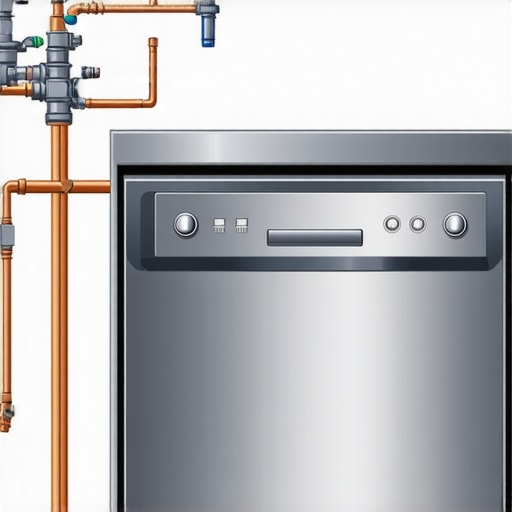
Why Your 2026 Dishwasher Install Needs a Pressure Regulator
I remember the moment my new dishwasher flooded our kitchen,…
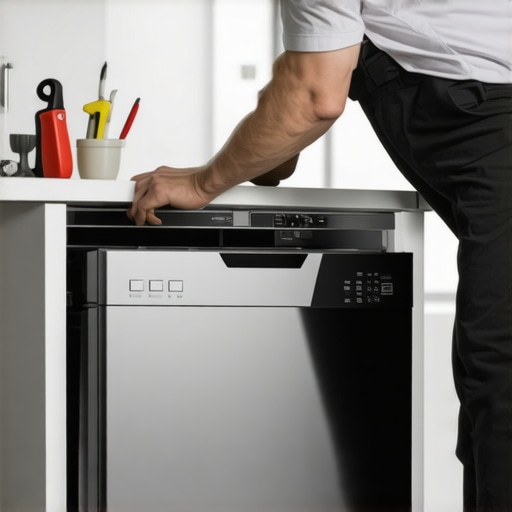
Smart Dishwasher Installation: Trusted Tips for Lasting Warranty
Ever felt that sinking feeling when your shiny new smart…

Efficient Installation & Parts Guide for Smart Dishwashers in 2025
Ever had that sinking feeling when your brand-new dishwasher refuses…
This post resonates with me because I’ve gone through the frustration of poorly installed dishwashers that caused leaks and errors. I agree that investing in high-quality parts and professional installation really pays off in the long run. When I upgraded my water supply hoses to braided stainless steel lines and hired a licensed plumber, my dishwasher has been running smoothly for over a year now without issues. I’ve also started using a digital leak detector to catch potential problems early, which gives me extra peace of mind. Has anyone else found that professional installation and premium parts dramatically extend their appliance’s lifespan? I’d love to hear more troubleshooting tips from others who’ve been in similar situations, especially when it comes to sneaky leaks or pressure issues.