I remember the moment I first faced a broken dishwasher in my own kitchen. It was late on a Sunday, and I had just finished a long week of work. I loaded the dishwasher, pressed start, and… nothing. No water, no washing, just a frustrating silence. I felt overwhelmed—was this the end of my trusty machine? Turns out, it was an early lesson in how crucial understanding dishwasher parts and warranties really is.
Why Knowing Your Dishwasher Parts and Warranty Matters More Than Ever
Since that day, I’ve learned that a little knowledge can save you hundreds—or even thousands—over the lifespan of your appliance. A well-informed homeowner can troubleshoot issues, identify the right replacements, and navigate warranties with confidence. It’s not just about fixing things; it’s about ensuring your dishwasher keeps running smoothly, saving time, money, and headaches. Did you know that many common dishwasher problems are caused by simple part failures that are easy to replace if you know what to look for? For example, understanding which parts are covered by warranty can help you avoid unnecessary expenses and get professional repairs faster. To get started, I recommend checking out a comprehensive list of dishwasher parts covered by warranty, which can be a real game-changer in your repair toolkit. You can find this info at this detailed guide.
Is the Hype About Warranty Coverage Actually Worth It?
Early in my journey, I made the mistake of assuming all warranties are created equal. I once bought a dishwasher with a flashy warranty, only to discover later that many parts weren’t covered or required lengthy, complicated processes to get repaired. That experience taught me the importance of understanding the fine print and knowing which parts are truly protected. If you’ve ever wondered whether a warranty will cover the parts that tend to fail, you’re not alone. Many homeowners are skeptical because they’ve been burned by hidden exclusions or poor service. Rest assured, with the right guidance—like consulting trusted resources on warranty policies and parts coverage—you can navigate this landscape confidently.
So, if you’ve faced unexpected breakdowns or are simply keen to extend your dishwasher’s lifespan, understanding your warranty and the essential parts is a smart step. In the upcoming sections, I’ll walk you through practical tips for selecting the right parts, troubleshooting common issues, and maximizing your warranty benefits. Because let’s face it—being prepared means fewer surprises and more reliable performance in your kitchen.
Identify Your Dishwasher Parts Step by Step
Start by unplugging your dishwasher and removing the lower kickplate to access internal components. Use a flashlight to locate key parts like the pump, motor, spray arms, and filters. Once identified, check each for visible damage or wear—cracks, leaks, or buildup indicate replacement is needed. Remember, knowing which parts are most prone to failure, such as the door latch or spray arm, helps prioritize your repairs. To get a clear picture of what parts are typically covered by warranty, consult this comprehensive list for quick reference.
Diagnose Problems Efficiently
When your dishwasher isn’t performing well, run a simple diagnostic: listen for unusual noises, check for leaks, or observe poor cleaning. For instance, I once heard a loud banging noise during a cycle—turns out, a broken spray arm was causing the issue. Remove the faulty part and compare it to a new one before purchasing replacements. This approach prevents unnecessary expenses and ensures you’re replacing the right component. To understand which parts are essential during troubleshooting, explore this guide.
Select the Right Parts to Extend Warranty Benefits
Choosing compatible parts is crucial. I once bought a generic replacement pump without verifying compatibility, leading to poor performance and voiding part of my warranty. To avoid this, always cross-reference part numbers and specifications. Use resources like this tips list for guidance. Proper selection ensures your repair is durable and keeps your warranty valid, giving you peace of mind and savings in the long run.
Install Parts Correctly for Long-Term Trust
During installation, ensure each part is securely fitted and aligned. I once rushed through a replacement and didn’t tighten a hose clamp properly, which caused a leak during the next cycle. After reinstallation following this installation checklist, I experienced a leak-free, efficient operation. Proper installation maximizes warranty coverage and prolongs your dishwasher’s lifespan. Always double-check connections and refer to manufacturer instructions or trusted guides.
Keep Track of Warranty and Parts Details
Maintain records of your purchase receipts, warranty documents, and replacement parts. I keep a digital folder with all relevant info, which made claiming warranty replacements easy when a motor failed after a year. Regularly review warranty policies to understand coverage limits and exclusions. For detailed strategies, see this resource. Staying organized ensures quick resolutions and keeps your appliance performing reliably for years.
Many homeowners assume that understanding dishwasher parts and warranty coverage is straightforward, but in reality, there are several nuanced pitfalls that can trip you up if you’re not careful. Let’s dig deeper into what most people get wrong and how to avoid common misconceptions that can cost you time and money.
Why the Fine Print Matters More Than You Think
Contrary to popular belief, not all warranties are created equal. A common myth is that a lengthy warranty guarantees comprehensive coverage. However, many warranties exclude key parts like pumps, motors, or electronic controls, especially if they’re considered wear items. Experts like appliance repair specialists emphasize reviewing the fine print—what’s actually covered and what isn’t. For instance, some warranties only cover parts if they fail within a specific time frame or under certain conditions, which can be misleading. To ensure you’re protected, consult trusted resources such as this guide that clarifies warranty nuances and coverage details.
The Danger of Assuming Generic Parts Are Always Compatible
Many homeowners fall into the trap of purchasing generic or off-brand replacement parts, thinking they are saving money. While some generic parts are compatible, many are not, and using incompatible parts can void your warranty or cause additional damage. It’s a common mistake to overlook verifying part numbers or specifications. Experts advise cross-referencing part numbers with manufacturer documentation or trusted suppliers. For detailed tips on selecting the right parts, see this resource. Properly matched parts ensure durability and maintain warranty validity, which is critical for long-term reliability.
Overlooking the Installation Process and Its Impact on Warranty
Installation quality is often underestimated. Rushing through or skipping manufacturer guidelines can lead to improper installation, leaks, or damage that voids your warranty. A common myth is that if the part fits, it’s installed correctly. But in reality, correct installation involves proper torque, alignment, and secure connections—details that matter greatly. For expert advice on installation best practices, visit this guide. Doing it right not only prolongs the lifespan of your repair but also keeps your warranty intact.
How Can Advanced Homeowners Use This Knowledge?
Understanding these nuances empowers you to make smarter decisions—whether diagnosing issues, choosing parts, or navigating warranty claims. It’s about going beyond the basics to recognize the subtleties that influence the longevity of your dishwasher and the coverage you can rely on. Have you ever fallen into this trap? Let me know in the comments.
Invest in Quality Diagnostic Tools
One of the most valuable investments I made was in a digital multimeter. It’s essential for accurately diagnosing electrical issues, such as checking the continuity of wiring and testing components like thermostats and switches. I personally use the Fluke 117, known for its reliability and precision, which helps prevent guesswork during repairs. Additionally, a small set of screwdrivers and pliers are indispensable for disassembling parts safely and efficiently. Having these tools on hand allows me to troubleshoot and address problems before they escalate, saving both time and money.
Keep Your Parts Organized and Records Updated
Maintaining a dedicated toolbox and keeping detailed records of parts replacements, warranty information, and maintenance schedules are crucial. I keep a digital spreadsheet with serial numbers, purchase dates, and warranty expiry for each part. This habit ensures I can quickly verify warranty coverage when repairs are needed, as explained in this guide. An organized approach reduces the risk of ordering incompatible parts or missing warranty windows, which can be a costly mistake.
Use Software and Apps for Troubleshooting
Modern repair involves more than manual diagnostics. I utilize apps like RepairClinic or PartsDr, which provide detailed schematics and troubleshooting guides tailored to specific models. These platforms often include step-by-step instructions, videos, and parts diagrams, making complex repairs more manageable. They also help in identifying the right parts quickly, as outlined in this resource. Adopting such tools streamlines maintenance, especially when working on high-tech dishwashers with electronic controls.
Regular Preventive Maintenance
Beyond repairs, I follow a routine schedule for cleaning filters, spray arms, and seals. For example, I run a vinegar cycle monthly to prevent buildup and check for leaks or unusual noises. This proactive approach often catches problems early, extending the lifespan of components and maintaining warranty coverage. As technology advances, expect to see more smart diagnostics integrated into dishwashers, which will further simplify long-term maintenance.
Future Trends: Smart Maintenance Will Dominate
Looking ahead, I predict that smart sensors and IoT-connected dishwashers will become standard, offering real-time diagnostics and predictive maintenance alerts. This evolution will reduce manual checks and help homeowners catch issues before they cause damage. For now, leveraging current diagnostic tools and maintaining organized records are your best strategies. Try implementing a digital troubleshooting app or upgrading to a multimeter with data logging features—these small steps can make a big difference in keeping your dishwasher reliable for years to come.
The Hardest Lesson I Learned About Dishwasher Repairs
One of my biggest lightbulb moments was realizing how much I had underestimated the importance of knowing which parts are covered by warranty. Initially, I thought warranties were straightforward, but I learned the hard way that some parts are excluded or only covered under specific conditions. This taught me to always review the fine print and consult trusted guides, like this detailed resource.
How I Discovered the Value of Choosing Compatible Parts
Replacing parts with generic alternatives seemed like a budget-friendly option until I encountered compatibility issues that voided my warranty or caused additional damage. The lightbulb moment was cross-referencing part numbers carefully and sticking to trusted suppliers. For those interested, this guide helped me make better choices and extend my dishwasher’s lifespan.
Why Proper Installation Can Make or Break Your Warranty
Rushing through installation or ignoring manufacturer instructions once led to leaks and damage that I later realized voided my warranty. The key lesson was that details matter—tightening hoses properly and ensuring correct alignment are critical. If you want to avoid these pitfalls, check out this installation checklist and do it right the first time.
My Secret Weapon for Reliable Repairs
Investing in a good digital multimeter changed everything. I could accurately diagnose electrical issues without guesswork, saving me money and frustration. A well-equipped toolbox with screwdrivers and pliers completes the setup. Using these tools, I’ve been able to troubleshoot issues early and keep my warranty intact, which is a game-changer for DIY enthusiasts.
Staying Organized to Keep Repairs on Track
Maintaining detailed records of receipts, warranty documents, and parts replacements has been invaluable. I keep a digital spreadsheet with all relevant info, making warranty claims smooth and ensuring I don’t miss coverage windows. This simple habit has helped me avoid costly mistakes and prolong my dishwasher’s life.
3 Replies to “Expert Guide to Dishwasher Parts & Warranty for Lasting Appliance Trust”
Leave a Reply
Related Posts

Ensuring Long-Lasting Warranty & Parts for Smart Dishwashers
My Journey to a Reliable Dishwasher ExperienceWhen I first invested…
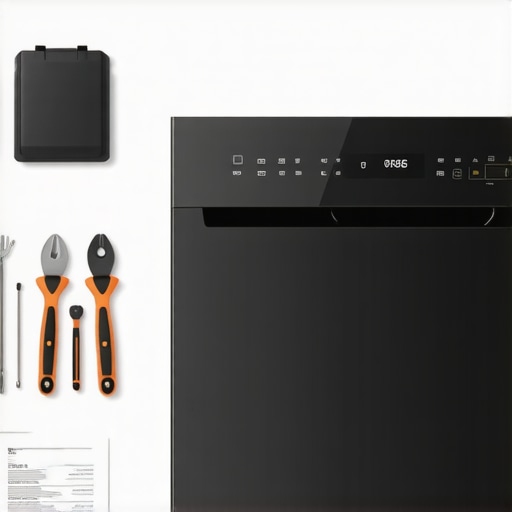
Smart Dishwasher Warranty Tips & Easy Parts Replacement Guide
My Journey with Dishwasher Warranties: A Personal PerspectiveLiving in a…
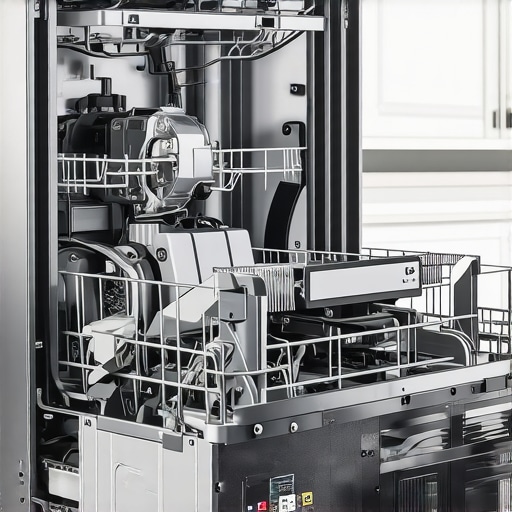
Why 2026 Dishwasher Warranties Fail: 3 Parts to Inspect
I remember the sinking feeling I got when my brand-new…
Reading this comprehensive guide really opened my eyes about how vital understanding dishwasher parts and warranties are for homeowners. I remember when my dishwasher unexpectedly stopped working last year, and I had no idea which parts might need replacing or whether they were covered under my warranty. Taking the time to learn about common failure points like the spray arms or door latch could’ve saved me time and money. I especially appreciated the tips on organizing records and using diagnostic tools—tools like a multimeter have been a game-changer for me, preventing unnecessary repairs and helping me troubleshoot electrical issues effectively. Has anyone here found smart diagnostics or IoT-connected dishwashers to be worth the investment? I’m curious if these technologies really make consistent maintenance easier or if they tend to complicate things. For DIY enthusiasts, what’s your favorite tool or tip for ensuring repairs don’t void your warranty? Would love to hear your experiences and advice on balancing tech upgrades with proper installation practices!
This post hits the mark on how overlooked the importance of understanding dishwasher parts and warranties really is for homeowners. I’ve learned that knowing the basics, like identifying which components are most prone to failure—such as the door latch or the circulation pump—can save a lot of hassle down the line. I recently replaced a faulty spray arm myself after watching a few DIY videos, but I made sure to double-check the part number before purchasing. One thing I’ve come to appreciate is the value of keeping detailed records of warranty and parts replacements — it’s a simple practice that’s paid off for me, especially when I had to claim warranty after a motor issue. I wonder, do others find that smart diagnostic tools or even IoT-enabled dishwashers truly make troubleshooting easier? Or do they sometimes add complexity? Personally, I think investing in reliable tools like a multimeter and thorough manuals made my DIY repairs more straightforward and reliable. What’s been your experience? Would love to hear tips on balancing tech features with hands-on repair approaches.
This article really emphasizes how crucial it is to understand your dishwasher’s parts and warranty coverage before a breakdown happens. I’ve faced similar frustrations when my machine stopped mid-cycle, and like many, I initially had no clue where to start with troubleshooting. Over the past year, I’ve been slowly learning about the key components like filters, spray arms, and motors, and I’ve found that keeping detailed records of parts and warranty info has saved me so much time during repairs. I also agree that using diagnostic tools such as a multimeter can significantly improve the accuracy of DIY repairs, especially when dealing with electrical issues. Have any of you experimented with smart diagnostics or apps that help identify problems? I’m considering upgrading my dishwasher with smart features, but I wonder if they truly streamline maintenance or just add complexity. How do other DIYers balance tech upgrades with hands-on troubleshooting? Would love to hear your insights or any tips you might have for integrating newer technologies without losing DIY confidence.