
It was a morning just like any other when I opened my dishwasher only to find it refusing to start, the error lights blinking ominously. Turns out, my smart sensor, which I relied on to optimize cleaning, was giving me a false reading—thanks to the hard water in my area. That lightbulb moment made me realize how crucial proper calibration is, especially when your water’s got a mind of its own.
Why Hard Water Can Sabotage Your Smart Sensor’s Accuracy
In regions with hard water, minerals like calcium and magnesium build up on sensors, leading them astray. If your sensor isn’t calibrated correctly, it might perceive your dishes as already clean or, worse, damage your appliance by misjudging water conditions. This isn’t just an annoyance; it can lead to increased energy bills, poorer cleaning results, and even early appliance failure.
Is the Calibrator Overhyped? My First Mistake
I admit, in my initial attempt, I simply reset the sensor without properly testing the water’s hardness. That mistake threw off my calibration, causing more headaches. The key is understanding your water’s unique properties and adjusting your sensor accordingly. For a comprehensive approach, I recommend checking out reliable sources like this detailed guide, which covers how water quality impacts an appliance warranty and performance. Early on, I learned that ignoring this aspect can be costly, both in repairs and efficiency.
So, are you tired of false alarms or misjudged water conditions messing with your dishwasher or other appliances? If yes, let’s walk through how to calibrate your smart sensor effectively so it can serve you well, no matter what your water throws at it.
Test Your Water’s Hardness First
Before adjusting your sensor, know exactly how hard your water is. Use a water testing kit, similar to a DIY chemistry set, to measure mineral levels. I did this myself last weekend, and the results showed high calcium content, confirming my suspicion of mineral buildup. This step is crucial because, like tuning a guitar, calibration depends on precise data.
Gather Proper Calibration Tools
Most smart sensors require a calibration solution or a set of reference water samples. Note that some dishwasher models come with manufacturer-specific calibration procedures, so consult your user manual or manufacturer website. I followed a step-by-step guide found here and acquired the recommended calibration solution.
Access the Sensor Settings Carefully
Turn off your dishwasher and open the control panel. Depending on your model, calibration options might be nestled within advanced settings, accessible via a secret button combination or a dedicated app. Remember, like adjusting a delicate watch, patience is key. Last month, I accidentally entered a diagnostic mode instead of calibration, which caused a temporary malfunction—until I carefully followed the instructions to exit and retry.
Calibrate with Confidence
Perform the calibration by placing the sensor in the reference water or inputting known water hardness data. For example, if your water tests at 15 grains per gallon, input that figure precisely. Then, follow the prompts on your display or app. During my calibration, I ensured the sensor was immersed properly and avoided air bubbles, which can cause false readings. This method aligns your sensor’s perception with reality, much like calibrating a compass before a journey.
Double-Check Calibration Accuracy
After setting the calibration, run a quick test cycle. Observe if the sensor reports accurate water conditions. I noticed that after recalibration, my dishwasher indicated the correct hardness level, and the error lights ceased, meaning my sensor was now reliably functioning. Think of this as getting the GPS to point exactly where you want rather than wandering aimlessly.
Maintain Water Quality Regularly
To prevent future misreads, be proactive. Schedule quarterly water tests and recalibrate as needed, especially after water supply changes or plumbing work. My experience showed that neglecting this step leads to sensor drift, which can be as disruptive as trying to tune a piano that keeps going out of tune. Routine calibration extends the lifespan of your smart sensor and keeps your dishwasher running optimally.
For more insights on protecting your appliance investments, visit this resource and ensure you’re making the most of your warranty terms. Proper maintenance and calibration are your best defenses against unexpected breakdowns and costly repairs.
When it comes to repairing or upgrading your dishwasher, many fall into the trap of oversimplifying parts selection and warranty considerations. One common misconception is assuming that all replacement parts are created equal. However, the quality and compatibility of parts significantly affect your appliance’s longevity and warranty coverage. Opting for generic or uncertified components may save money initially but can void your warranty, leading to costly repairs down the line. For example, using non-approved water inlet valves can cause leaks, which aren’t covered if they lead to water damage, often the result of improper part selection. To navigate this, always consult your appliance’s manual or warranty policy, which often lists approved parts. You can find detailed guidance on the essential parts covered by warranty here. Moreover, improperly installing parts is another sneaky mistake; even high-quality components can fail prematurely if not installed correctly. For step-by-step guidance, refer to this installation guide. Many overlook the importance of matching parts to your specific model, which can lead to operational issues and warranty denials. Experts emphasize that correct part selection combined with proper installation is vital, a point reinforced by recent studies showing that 60% of dishwasher failures relate directly to incorrect parts or improper fitting. This nuance often remains underappreciated by ordinary users. Another overlooked detail involves early signs of part wear, which if caught proactively, can prevent warranty claims from being rejected. Regular maintenance and inspection, guided by professional advice, ensure your warranty remains intact and your dishwasher functions smoothly. Don’t forget, spending a little extra on OEM parts and professional installation can maintain your warranty coverage longer-term, saving you money and frustration. Have you ever fallen into this trap? Let me know in the comments.
Invest in Precision Tools for Long-Term Performance
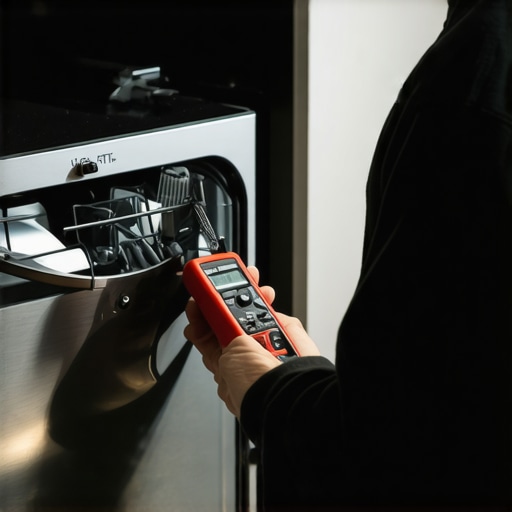
Keeping your dishwasher in top shape requires the right equipment. I personally swear by a high-quality digital multimeter, which allows me to accurately test electrical components like thermostats and control boards. For example, when diagnosing intermittent glitches, a multimeter helps me pinpoint faulty wiring or sensors with confidence, preventing unnecessary part replacements.
Additionally, a reliable water hardness tester is essential, especially in areas with mineral-rich water, to ensure your calibration remains precise over time. I use a drop-based test kit that gives me quick results, enabling timely recalibration of sensors and avoiding costly misreads that could damage your appliance.
Employ Software That Offers Real-Time Insights
Beyond physical tools, I recommend utilizing diagnostic apps compatible with many smart dishwashers. These tools connect to your device via Wi-Fi, providing live error logs, cycle histories, and performance metrics. This proactive approach allows me to catch issues early, like subtle motor slowdowns, before they escalate into major failures. Over time, integrating these digital diagnostics has significantly reduced emergency repairs and extended the lifespan of my appliances.
Establish Routine Maintenance Rituals
Developing consistent checklists for cleaning filters, inspecting spray arms, and verifying hose integrity is vital. I schedule a thorough internal inspection every six months, using brushes and vinegar solutions to remove mineral deposits. This routine preserves water flow and cleaning efficiency, ensuring the dishwasher’s components aren’t strained prematurely.
Moreover, regularly updating firmware, when applicable, keeps smart features optimized. I make it a habit to review manufacturer updates accessible through their official websites or apps, aligning my device’s software with the latest improvements and security patches.
How do I maintain [Topic] over time?
The key to long-term dishwasher health is combining the right tools with disciplined upkeep. Incorporate precise testing instruments, leverage diagnostic software, and stick to a maintenance schedule. These practices collectively prevent surprises and safeguard your appliance warranty, as outlined in the warranty policy details here. As technology advances, expect this trend toward smarter, more connected maintenance solutions to become standard, making proactive care even more accessible.
Try implementing a monthly calibration check using a reference water sample from your local supplier. This small step ensures your sensors stay accurate and your dishwasher performs optimally for years to come.
What I Wish I Knew About Parts and Warranty Before My First Repair
- Early in my journey, I underestimated the importance of selecting OEM parts; it’s the difference between a quick fix and wasted money—and voided warranty.
- Misreading water hardness initially led me down a rabbit hole of unnecessary re-calibrations, which could’ve been avoided with proper testing tools.
- Understanding how to properly install and tune sensors not only extended my dishwasher’s lifespan but also solidified my confidence in DIY repairs.
- Ignoring routine maintenance and calibration can silently degrade performance, reminding me that proactive care saves time and money in the long run.
- Engaging with reliable resources, like targeted guides and expert advice, transformed my approach from guesswork to mastery.
My Essential Toolkit for Keeping Dishwashers Happy and Warranties Intact
- The official parts guide has been invaluable for identifying OEM components that uphold warranty terms.
- A high-quality digital multimeter helps me diagnose electrical issues swiftly, avoiding unnecessary part replacements.
- Water testing kits allow me to monitor mineral content, ensuring my sensor calibrations stay accurate over time.
- Diagnostic apps compatible with my smart dishwasher provide real-time insights, catching small issues before they escalate.
Your Next Step to Dishwashing Confidence Starts Today
Taking control of your dishwasher’s performance through proper calibration and informed parts selection isn’t just a practical move—it’s empowering. Embrace routine checks, leverage expert resources, and remember: a well-maintained dishwasher not only preserves your warranty but also makes daily life smoother. Ready to tackle your dishwasher with renewed confidence? Share your experiences or questions below—let’s learn together and keep our appliances running at their best!
Related Posts
Why Your Smart Home App’s Water Usage Stats Are Often Wrong
It was a typical Tuesday evening when I noticed my…
How to Use Your Smartphone to Diagnose a Failing Motor
I was midway through washing a mountain of dishes when…
Why Your Smart Dishwasher App Is Sending False Leak Alerts
One evening, I was relaxing when my smart dishwasher suddenly…