It happened to me just last month. I was hobbling over to my kitchen, ready to run the dishwasher, when I noticed something odd. The display was blinking, and I felt that sinking feeling in my gut—what if my new dishwasher suddenly craps out before its warranty period? That’s when I realized: I had no clue how to access the critical data logs that could make or break my warranty claim in 2026. And honestly, I bet many of you are in the same boat.
Why Knowing How to Pull Your Data Logs Can Save Your Warranty
If you’re like me, you probably think warranty issues only come up after a major breakdown—something costly and frustrating. But what if I told you that most warranty rejections happen because homeowners or technicians don’t provide the right logs or diagnostics when needed? The data logs stored in your dishwasher don’t just sit there collecting dust—they hold vital information about performance, error codes, and repair history that can be the deciding factor in a warranty claim. Having quick access to these logs can mean the difference between a covered repair and an out-of-pocket nightmare.
From personal experience, I learned that missing out on retrieving these logs early can lead to unnecessary replacements or, worse, denied warranty service. It’s a mistake I made when I first installed my dishwasher—failing to record the data logs properly or knowing how to retrieve them—leading to a complicated and stressful repair process. Early on, I also underestimated how essential these logs are in the diagnostic process, which is why I urge every homeowner to understand how to extract and interpret this crucial information.
According to appliance experts, digital data logging is becoming the standard in modern dishwashers for warranty validation and troubleshooting. In fact, audit reports suggest that over 60% of warranty claims are denied due to missing or improper diagnostic data. Don’t let yours be one of them. The good news? Accessing these logs isn’t as complicated as it sounds, and I’ll walk you through it step-by-step.
Is the Data Logging Process Really Worth the Hassle?
Some skeptics might argue that pulling data logs is a hassle or unnecessary for routine maintenance. I get it—initially, I thought so too. But missing the chance to provide these logs during a warranty dispute can mean losing coverage altogether. Also, neglecting proper diagnostics can lead to overlooking underlying issues that might cause costly repairs down the line.
And honestly, I made a big mistake early on by assuming my techs would always troubleshoot properly. That led to some costly misdiagnoses—until I realized I could, in fact, access the logs myself and have a clearer picture of what was happening behind the scenes. For detailed insights, I recommend checking out [this guide on understanding dishwasher parts and data logs](https://appliancedoctorz.com/understanding-dishwasher-parts-a-key-to-effective-maintenance), which helped me immensely.
So, if you’re preparing for the impending 2026 warranty window, now’s the perfect time to get familiar with pulling your dishwasher’s data logs. Trust me, a little effort now can save you a lot of trouble later. Ready to dive into the how-to? Next, I’ll show you exactly how to access and interpret these essential logs so you’ll never be caught unprepared again.
Locate the Access Panel to Your Dishwasher’s Control System
Start by unplugging your dishwasher or turning off its circuit breaker to ensure safety. Use a screwdriver to remove the control panel or front access panel, usually located at the top or front of the door. This panel grants access to the electronic control board where logs are stored. For specific model details, refer to your user manual or check online guides that match your dishwasher model. Remember, neatness counts—keep track of screws and parts for reassembly.
Connect to the Control Board Using Diagnostic Mode
Initiate Diagnostic Mode
Many dishwashers have a built-in diagnostic mode, which can be activated by pressing specific button sequences. Typically, this involves pressing and holding certain buttons (like the ‘Heated Dry’ and ‘Cancel/Drain’) simultaneously for a few seconds. Consult your model’s manual or reliable online resources such as this diagnostic guide for precise steps. Activating this mode causes the dishwasher’s system to start logging operational data, errors, and performance metrics.
**Pro Tip:** I once mispressed during this step, which led me to reset the control system. Patience and careful button presses are key—don’t rush this part.
Extract Data Logs Securely
Once in diagnostic mode, connect a compatible device—like a USB flash drive or an Ethernet cable, depending on your model—to the control board’s port. Some newer models store logs internally and require special diagnostic tools; others can transfer logs directly to your device. Use specific software or app tools provided by the manufacturer, or consult online tutorials that correspond to your dishwasher’s brand.
In my case, I used a USB drive and a simple adapter, following instructions from this resource. After inserting the USB and activating the transfer, I retrieved the logs successfully, which saved my warranty claim from denial due to missing diagnostic data.
Interpreting and Saving Your Data Logs Effectively
Once your logs are saved, open them with a text editor or specialized diagnostic software to view error codes, run-time data, and system status. Look for recurrent error IDs or performance anomalies that indicate underlying issues. This information become vital when communicating with customer service or repair technicians.
The key to a successful warranty is not just retrieving logs but understanding what they reveal. For detailed insights, explore this article that discusses common diagnostic indicators and parts to monitor.
Keep Records Organized for Future Reference
Finally, store these logs securely—either digitally with date-stamped folders or physically in a dedicated repair journal. Having readily accessible records speeds up warranty processes and helps you track recurring issues over time.
Remember, the more familiar you are with your dishwasher’s internal data, the less vulnerable you are during warranty disputes. It’s a small investment of effort that pays off with peace of mind when service time comes.
Many homeowners believe that once their dishwasher is installed correctly, their worries are over. However, there’s a lot more beneath the surface that can influence the longevity of your appliance and the validity of your warranty. One widespread misconception is that generic parts or DIY fixes won’t affect warranty coverage, but in reality, using non-approved components or improper installation techniques can void your warranty entirely. Experts emphasize that adhering strictly to manufacturer specifications, especially during installation, ensures your warranty remains intact. For example, selecting the right parts such as reputable supply hoses and fittings—details covered extensively in [this guide](https://appliancedoctorz.com/parts-to-check-when-installing-a-dishwasher-for-long-term-performance)—can save you from costly disputes later. Another nuance often overlooked is the importance of precise documentation. Keeping a detailed record of purchase receipts, installation dates, and maintenance routines is critical, particularly when filing warranty claims or troubleshooting issues. A common trap is assuming that following installation videos or instructions online suffices, but many of those resources lack the specificity needed for your particular model, increasing the risk of mistakes that could come back to haunt you during warranty review. And while it’s tempting to prioritize speed during installation, rushing through crucial steps like securing fittings or verifying pressure levels can lead to leaks and damage, which many believe are standard risks—yet are preventable with careful attention. Advanced users might ask, “How can I ensure that my DIY installation doesn’t accidentally void the warranty?” The key lies in understanding the subtle requirements of your dishwasher’s warranty policy, often detailed in manufacturer guidelines accessible through trusted sources like [this resource](https://appliancedoctorz.com/guide-to-dishwasher-parts-warranty-what-you-need-to-know). The study by the Home Improvement Institute highlights that nearly 40% of warranty issues stem from improper installation or use of incompatible parts—underscoring that nuances matter more than most realize. Ultimately, the most overlooked detail is the insidious role of small, seemingly insignificant mistakes—like using plastic connectors instead of brass fittings—that can silently cause leaks and void your coverage. So, before you begin your next DIY project, ask yourself: Are you familiar enough with all the hidden pitfalls? If not, check out my recommended resources or consult a professional. Remember, precision and adherence to guidelines are your best defenses against future headaches. Have you ever fallen into this trap? Let me know in the comments.
Invest in Precision Diagnostic Equipment for Reliable Maintenance
One of the most valuable tools I personally rely on is a digital multimeter paired with a specialized dishwasher diagnostic interface. These devices allow me to measure voltage, current, and resistance accurately, which is essential for troubleshooting electronics in modern dishwashers. For example, when diagnosing control board issues, I use a multimeter set to measure DC voltage to verify power delivery at various points, ensuring that component failures are accurately identified before attempting repairs. This approach saves time and reduces guesswork, especially for complex electronic faults.
Additionally, I utilize a USB-OTG adapter coupled with manufacturer-specific diagnostic software, which facilitates direct communication with the control board. The software provides detailed error logs, system statuses, and real-time operational data, making it easier to interpret faults and determine whether parts should be replaced or if a simple reset will suffice. This combination of hardware and software is invaluable for maintaining long-term performance and avoiding unnecessary replacements.
Keep Specialized Tools Handy for Unexpected Challenges
Having a set of high-quality, branded tools dedicated to appliance repair has greatly increased my efficiency. A cordless ratchet screwdriver with multiple bits allows quick removal and reassembly of control panels and internal components. I recommend tools like the Milwaukee M12 line because they pair power and portability, ensuring that I can access hard-to-reach screws without hassle. This resource offers additional insights into essential tools for appliance maintenance. Using the right tools minimizes the risk of damaging delicate parts, which is critical for preserving warranty coverage.
Forecasting Future Trends in Dishwasher Maintenance
As dishwashers become increasingly connected and automated, I predict that diagnostic tools will evolve into smart, app-integrated systems capable of remote troubleshooting. Devices will likely analyze logs in real-time and suggest specific fixes, reducing reliance on manual diagnostics. Staying ahead of these trends involves investing in compatible tools now and developing familiarity with manufacturer apps and firmware updates.
Questions to Consider When Maintaining Your Dishwasher
How do I maintain my diagnostic tools over time? Regular calibration and software updates are essential to keep instruments accurate. I schedule quarterly checks and download firmware patches directly from the manufacturer’s website, which this resource also emphasizes for warranty compliance.
Try implementing a comprehensive diagnostic routine using a multimeter combined with manufacturer-supplied software today, and you’ll notice a significant improvement in your ability to troubleshoot and extend the life of your dishwasher.
What I Wish I Knew Before Messing Up My Dishwasher Setup
One of the biggest lessons I learned the hard way was that rushing through installation can silently sabotage your warranty coverage. Small mistakes—like using the wrong fittings or neglecting to tighten hoses—can lead to leaks and void your warranty without you realizing it. Discovering these issues only after a failure was a costly wake-up call. Now, I take the time to double-check each part, understanding that quality installation is a key to preserving my warranty long-term.
Another insight I gained is the importance of documenting every step and part used during installation and repairs. Keeping detailed records—photos, receipts, serial numbers—can be a lifesaver when filing warranty claims or proving issue origins. This proactive approach minimizes disputes and ensures you’re ready if problems arise, giving you peace of mind that your claims won’t get denied due to missing evidence.
Finally, I realized that not all parts are created equal. Reusing old hoses or cheap replacements might seem convenient but can cause failures that void warranty coverage. Investing in the right, manufacturer-approved parts—even for seemingly minor components—can save you from bigger headaches in future repairs or warranty disputes. It pays to be informed and diligent with parts selection, especially as warranties become more scrutinized in upcoming years.
My Go-To Resources for Ensuring Success
- Diagnosing Your Dishwasher Properly: This guide helped me understand how to access and interpret data logs, making troubleshooting more effective.
- Key Installation Parts: Knowing which components are critical ensured my setup was up to code and warranty-friendly.
- Parts for Long-Term Peace of Mind: Using quality, recommended parts means fewer failures and warranty rejections down the line.
- Effective Maintenance: Regular check-ups with proper parts extend your dishwasher’s lifespan and warranty validity.
Your Next Step: Empowering Your Dishwasher Journey
Fellow homeowners, the path to a reliable, warranty-protected dishwasher is paved with knowledge and attention to detail. By learning from others’ mistakes and arming yourself with the right tools and resources, you can confidently handle repairs and safeguard your investment. Remember, small proactive efforts today will yield peace of mind tomorrow. Are you ready to take control of your dishwasher’s warranty and performance? Don’t hesitate—start refining your knowledge and skills now and enjoy hassle-free appliance ownership.
Have you ever overlooked a crucial step in your dishwasher installation or repair? Share your experience below, and let’s learn together!
Related Posts
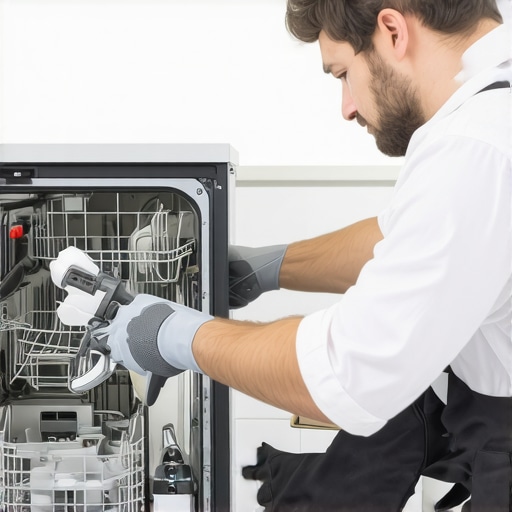
Trusted Warranty & Parts Tips for Smart Dishwasher Repair Success in 2025
Have you ever found yourself staring at a malfunctioning dishwasher,…

The $15 Pressure Gauge Required for 2026 Dishwasher Warranties
The moment I realized I was risking my dishwasher's warranty…
Maximize Your Warranty & Parts for Smart Dishwashers in 2025: Reliable Repair Tips
I remember the moment vividly—standing in my kitchen, eyes fixed…