
I was standing in my kitchen last Tuesday, coffee in hand, when I heard it. Not the usual rhythmic swoosh of my dishwasher, but a low, rhythmic growl that sounded like a cat with a chest cold. I ignored it. Big mistake. Two days later, my kitchen floor was a lake, and my premium machine was a 150-pound paperweight. That growl was the bearings in my wash motor begging for mercy. If I’d just listened, I could have saved myself a frantic weekend of DIY dishwasher installation and a whole lot of stress. Most people think a dishwasher either works or it doesn’t, but there is a middle ground where the motor is slowly seizing. It’s a zombie state that ruins your plates and eventually your floor. Today, we are going to dive into the exact sounds, smells, and signs that mean your motor is on its way out, so you can act before you’re forced to deal with diagnosing dishwasher parts during warranty periods under pressure. Have you ever noticed your machine suddenly getting louder over a few weeks? Tell me in the comments, because that was my first red flag.
Your Dishwasher Is Trying to Tell You Something
Most of us treat our appliances like invisible servants until they go on strike. But a wash motor—the heart of the machine—rarely dies in its sleep. It usually gives you plenty of notice through weird noises and meh cleaning results. If you’ve noticed why your dishes are still dirty after a deep clean, you might be looking at a motor that’s struggling to circulate water. According to the Association of Home Appliance Manufacturers (AHAM), the average dishwasher lifespan is roughly 9 years, but motor bearings often fail much earlier due to hard water buildup and heat stress. I learned the hard way that ignoring a common part that causes a dishwasher to hum is the fastest way to turn a $100 repair into a $1,000 replacement. By the time the motor actually seizes, the internal heat can damage the wiring or even melt plastic components near the pump housing.
Is a New Motor Really Worth the Money?
I get it. You’re wondering if you should just scrap the whole thing and buy a new unit. I’ve been there, staring at a repair quote and wondering if I was just throwing good money after bad. But here’s the truth: if the rest of your machine is solid, learning how to swap a noisy motor can give your dishwasher a second life for a fraction of the cost of a new smart machine that might not even last as long. I once spent an entire Saturday morning regretting my life choices because I didn’t check the timing for when to replace dishwasher parts. I waited until the motor was literally smoking. Don’t do that. Spotting the failure early means a cleaner, quieter kitchen and significantly less swearing at 11 PM on a school night. Let’s look at the specific auditory clues you need to listen for before things get messy.
To catch a motor before it bites the dust, you have to think like a mechanic. Imagine the motor bearings are like the wheels on a skateboard. When they are new, they glide silently. When they are shot, they create friction that sounds like a jet engine taking off in your kitchen. First, you need to learn how to identify a failing circulation motor by sound. A high-pitched squeal or a continuous grinding usually means the bearings are dry and dying. If you hear a rhythmic thumping instead, it might not be the motor at all; it might be the drain pump noise that means you have a coin stuck in the impeller. Last spring, I spent forty minutes sweating under my neighbor Mike’s sink thinking we needed a $200 part, only to pull out a flattened penny from the pump. Check the cheap stuff first before you panic.
Is Your Warranty Actually Going to Help?
Before you start ordering heavy components, pull out that folder in your junk drawer. You need to look at the guide to dishwasher parts warranty what you need to know because many major brands offer extended 10-year coverage specifically on the motor. However, actually getting them to honor it is a different game. Learning how to diagnose dishwasher parts during warranty periods is the difference between a free replacement and a rejected claim. I have seen claims denied simply because the owner did not have the original installation receipt, so prepare your paperwork before you call the manufacturer. If you are covered, the manufacturer might send the part, but you will still be on the hook for the labor unless you decide to tackle the swap yourself.
The Quick Swap Technique That Saves Your Back
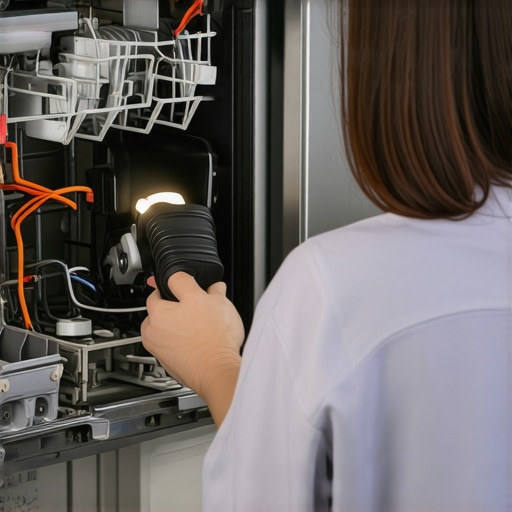
If you are out of warranty, do not assume the whole machine has to come out and go to the curb. You can actually learn how to swap a noisy motor without removing the whole unit. It is a tight fit, it is cramped, and you will probably scrape a knuckle, but it is entirely doable for a determined DIYer. Start by shutting off the breaker—this is non-negotiable. You will be working near water and electricity, which is a recipe for a bad night if the power is still live. Identifying essential parts every dishwasher owner should know about, like the motor-to-pump seal, is vital here. While you are under there, check common dishwasher parts and their role in proper installation to ensure everything is seated correctly. I once forgot to double-check the 5 gasket that prevents a 500 floor repair and spent the next morning mopping up a slow drip. It is all about the small details. Knowing when to replace dishwasher parts for optimal performance means you are not just fixing a current break; you are actively preventing the next flood.
Everyone thinks that a shiny 10-year warranty sticker on the front of the machine means you are bulletproof for a decade. In my experience, that is one of the biggest marketing traps in the industry. While the manufacturer might cover the physical motor, they often won’t cover the $200 labor call to swap it, or the collateral damage when a seal fails. You need to look at the truth about those 10-year motor stickers on the door before you assume your repair is free. According to Yale Appliance, a leading industry service provider, the most common reason for motor failure isn’t a factory defect, but debris buildup that creates backpressure, something most warranties explicitly exclude. If you’ve been relying on that sticker as a safety net, have you ever actually tried to file a claim? Let me know in the comments because I have heard some absolute horror stories.
Why does my GFCI trip specifically when the wash motor starts?
This is a question I get from savvy DIYers all the time. It is not always a dead motor. Often, it is a micro-leak in the wash pump housing that only sprays water onto the electrical terminals when the pump is under full pressure. If you are seeing this, you need to investigate why your dishwasher trips the gfci outlet every time before you start replacing expensive control boards. Many people make the mistake of thinking it is a power surge, but it is almost always a physical breach in a seal. This is where understanding dishwasher parts a key to effective maintenance becomes your best weapon against a total kitchen meltdown.
The Paperwork Trap That Voids Your Protection
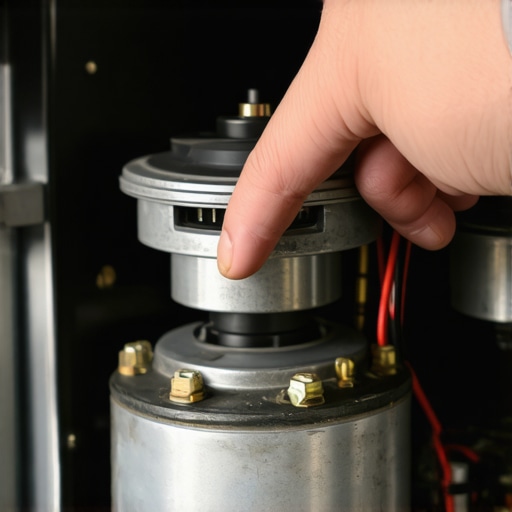
Here is the ‘oops’ factor that ruins most homeowners. If you did a DIY dishwasher installation, you might have accidentally voided your entire service contract. Many high-end brands require a professional signature to validate the water line connections. If you cannot produce a valid document, you are likely facing the risks of skipping the professional installation receipt when you try to claim a motor failure. I always tell people to learn how to verify your professional installation receipt for insurance even if they did most of the heavy lifting themselves. Also, watch out for the hardware. I have seen countless DIYers use plastic water lines that crack under the heat of a heavy-duty cycle; that is why professional installers refuse to use plastic water lines entirely. They know it is a liability nightmare waiting to happen.
Finally, do not get caught up in the ‘OEM or nothing’ hype for every single nut and bolt, but when it comes to the pump, stick to the brand name. Generic motors often have different torque specs that can mess with your machine’s sensors. Understanding why oem pumps outlast cheap alternatives every time will save you from doing the same job twice. If you’re currently staring at a pile of parts, tell me: did you go for the cheap replacement or the official one?
I realized a long time ago that you can’t fix what you can’t see, and that is why my number one recommendation for any homeowner is a telescoping inspection mirror. I use mine every single month to check the rear fittings without having to pull the entire unit out and risk scratching my floors. While you’re back there, you should be checking for the slightest hint of moisture around your water lines. I always swap out the factory-provided tubes for the most durable braided steel hoses for long-term safety. According to the ASME A112.18.6 standard for flexible water connectors, these lines are rated for much higher pressure spikes than the cheap plastic versions, which is cheap insurance against a flooded basement. If you want to be truly prepared, I recommend keeping a small kit under the sink with the replacement parts every dishwasher owner should keep on hand, like a spare drain pump and a few extra rack clips. These are the things that break on a Friday night when every hardware store is closed.
How do I keep my dishwasher running like new for a decade?
Consistency beats intensity every time. You don’t need to spend four hours deep cleaning once a year; you need five minutes once a month. The biggest culprit for motor burnout is actually restricted water flow caused by debris. I personally make it a habit to scrub the hidden drain screen you probably forgot to clean because even a small amount of calcium buildup can force the motor to work 20% harder. For those living in hard water areas, I swear by the eco-friendly way to descale your machine with citric acid. It’s significantly more effective than vinegar at breaking down the limescale that coats your heating element and motor bearings. This kind of understanding dishwasher parts a key to effective maintenance is what separates people who buy a new machine every five years from those who keep theirs for fifteen.

Looking ahead, the DIY landscape is shifting toward data. We are moving into an era where you won’t just listen for a growl; your phone will alert you that the motor’s harmonic frequency has shifted. I am already seeing this with high-end European models that track torque fluctuations to predict pump failure. If you have a newer unit, make sure you know how to update the firmware on your kitchen wi-fi module. These updates often include better sensor calibration that can actually extend the life of your motor by preventing dry-run cycles. My advanced tip for you this week: Grab a digital multimeter and test the continuity of your heating element. If the resistance is outside the factory spec (usually 10-30 ohms), replace it now before it puts extra strain on your control board. It’s a ten-minute check that could save you a $300 circuit board replacement later this year.
What Service Techs Forget to Mention About Motor Life
After years of tinkering, I’ve realized that the physical motor is rarely the villain; it’s usually the victim of poor water quality or a tiny $10 seal that failed six months ago. One of the biggest lightbulb moments for me was discovering the parts you can swap yourself without voiding your protection. I used to think opening the kickplate was a legal death sentence for my warranty, but manufacturers generally allow basic maintenance. Another hard-learned lesson: if your claim gets rejected, don’t take the first ‘no’ for an answer. Knowing how to negotiate a denied warranty claim over water damage can save you hundreds, especially if you can prove the failure was a defective part and not your plumbing work.
My Go-To Toolbox for Kitchen Triumphs
If you’re serious about avoiding the ‘Friday night flood,’ you need more than just a screwdriver. I always keep a specific stash of the replacement parts every dishwasher owner should keep on hand, including a spare water inlet valve and a few hose clamps. I also recommend bookmarking a reliable guide on the most popular dishwasher parts and how they improve performance so you aren’t guessing which upgrade actually matters. Personally, I trust the data from a simple digital multimeter over my own intuition every time; it’s the only way to know if a motor is truly dead or just lacking a signal from the board.
Take Control of Your Kitchen’s Heartbeat
Maintaining your dishwasher doesn’t have to be a source of anxiety. Once you understand the rhythm of your machine and the specifics of your coverage, you’re no longer at the mercy of expensive emergency call-outs. Whether you are tackling a full dishwasher installation or just swapping a noisy bearing, remember that every small fix adds years to the life of your appliance. You’ve got the tools and the knowledge—now it’s just about taking that first step before the next cycle starts. Have you ever successfully negotiated a warranty claim, or did they shoot you down over a missing receipt? Let me know in the comments below!
Related Posts
The $4 Plastic Drain Plug That Kills Your Pump Before It Starts
It happened again. I was all set for a smooth…
Why Your Dishwasher Drains Properly but Still Smells
Ever had that sinking feeling when your dishwasher runs perfectly…

Why a Damp Subfloor Is the First Sign of a Slow Leak
It was a morning just like any other when I…