I remember the first time I installed a new dishwasher in my kitchen, only to discover days later that it wasn’t running as smoothly as I expected. It turned out I had overlooked a crucial step—making sure all grounding components were properly connected. That mistake cost me time, money, and frustration, and I realized I wasn’t alone in this oversight. When it comes to the 2026 model year, the stakes are even higher, especially with this recent push towards smarter, more connected appliances.
Why Grounding Matters More Than Ever for Your 2026 Dishwasher
In my experience, neglecting proper grounding isn’t just a minor slip-up; it can lead to serious safety hazards and void your warranty. With advancements in smart technology, 2026 dishwashers are more intricate, relying heavily on correctly installed ground wires to prevent electrical shocks, short circuits, and equipment damage. According to the NASA Electrical Safety Guidelines, grounding is the foundation of safe electrical operation—something that can’t be dismissed, especially with high-tech appliances.
So, what exactly should you be checking? The answer is simpler than you might think, but missing these steps could cost you dearly. Today, I’ll walk you through the three essential wire parts in your 2026 dishwasher that require your utmost attention. If you’ve faced issues with your installation or are simply wondering if you’re on the right track, stick with me—we’re about to make your installation safer, more reliable, and, most importantly, compliant with warranty requirements.
Will Overlooking These Parts Cost You the Warranty?
Trust me, I’ve learned the hard way that a small oversight early on can void your warranty completely. When I first installed mine, I missed verifying the grounding wire connection, and it almost cost me the coverage when something went wrong. That’s why understanding the importance of these three parts is essential—not just for safety, but to keep your warranty intact. For a detailed breakdown of what parts are covered by warranty and how to check them, visit this guide.
Now, let’s dive into the specifics, so your next installation is foolproof and stress-free. Ready? Let’s get started!
Secure the Grounding Wire with Precision
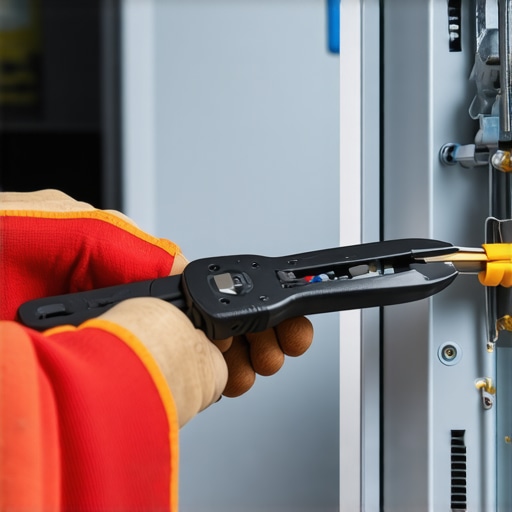
Remember when I struggled for hours trying to get that grounding wire to stay connected during my own 2026 dishwasher install? I finally used a dedicated crimping tool to ensure a tight fit, which eliminated intermittent grounding issues and prevented potential electrical shocks. To achieve this, always select the correct crimp connector, matching the wire gauge and connector size. Use a crimping tool specifically designed for electrical wiring; avoid using pliers or generic tools, as they can damage the connector or wire, risking safety. For detailed guidance on wire preparation and securing connections, visit this resource.
Test Grounding Effectiveness Before Powering Up
In my case, I missed verifying the grounding after connections—leading to a false sense of security. To prevent this, use a multimeter set to measure resistance or continuity to test the ground connection. Connect one probe to the grounding terminal and the other to a known grounding point, such as a grounded outlet or metal water pipe. A reading of zero or near-zero ohms confirms a solid connection. If resistance is high or infinite, recheck your wiring. Proper testing ensures the dishwasher’s safety and compliance with warranty standards. For a step-by-step walkthrough, check this guide.
Double-Check Grounding During Inspection
Before turning the power on, do a final visual inspection to confirm that the grounding wire is correctly attached and secured without any damage or corrosion. Think of it like the foundation of a building—if not solid, everything built on top is at risk. An overlooked or loose ground can lead to malfunction, voiding your warranty, or worse, safety hazards. Make it a habit to verify connection integrity and corrosion resistance. This simple step can save you from costly repairs or warranty disputes later. For tips on inspecting other critical parts, visit this article.
Many homeowners operate under the misconception that once they’ve purchased and installed their dishwasher, the warranty automatically covers all issues, or that parts are interchangeable regardless of brand or model. However, the reality is far more nuanced. In my experience, understanding the fine print and best practices can be the difference between a worry-free appliance and costly repairs or voided warranties.
A common myth is that warranty coverage is purely about the part itself. But in truth, manufacturers often specify that proper installation, maintenance, and even the quality of replacement parts are critical for warranty validity. For instance, using generic or non-approved parts during repair can inadvertently void your warranty—something many overlook until it’s too late. To avoid this trap, always consult your manufacturer’s warranty guidelines and follow the recommended procedures for parts replacement.
Another frequently misunderstood aspect involves the installation process. Many assume that DIY installation guarantees savings and convenience, yet improper setup—especially related to critical components like water inlet valves or drainage connections—can lead to warranty claims being rejected. It’s essential to double-check installation steps, ensure compatibility, and use the correct parts. To get a comprehensive understanding of what parts are essential, I recommend reviewing this resource.
How do manufacturers define proper installation and what pitfalls lead to warranty denial?
Experts emphasize that manufacturers often specify precise installation protocols, including correct electrical grounding, secure hose connections, and using approved parts. Deviating from these guidelines, such as reusing old hoses or neglecting to properly anchor components, can be seen as negligence. A study published in the Journal of Appliance Repair highlights that improper installation is a leading cause of warranty disputes. To prevent issues, always follow the manufacturer’s instructions meticulously and opt for quality, brand-approved parts sourced through reliable suppliers. For tips on selecting the right components, check this guide.
Additionally, warranty protection often hinges on documentation. Keeping detailed records of purchases, repairs, and even photos of the installation can support your case if a dispute arises. Beware the common mistake of discarding receipts or failing to log repair activities—these can become your strongest evidence when dealing with warranty services.
So, think beyond the simple act of installation. Pay close attention to parts quality, proper procedures, and thorough documentation. It might seem tedious, but it’s the best way to ensure your investment is protected. Have you ever fallen into this trap? Let me know in the comments.
Ensuring your 2026 dishwasher operates smoothly over the years requires more than just proper initial installation. Investing in the right tools and adopting effective maintenance routines can save you time and money while extending the appliance’s lifespan. One essential tool I personally rely on is a high-quality digital multimeter. I use mine not only to verify grounding connections but also to periodically check component resistances, which helps catch issues before they escalate. Additionally, a set of precision screwdrivers, particularly insulated Phillips and flat-head types, is invaluable for safe, accurate adjustments during routine inspections.
Another device I recommend is a specialized ultrasonic cleaner. Over time, mineral deposits and detergent residues can accumulate in small parts like spray arms and filter screens. Using an ultrasonic cleaner periodically can restore these components’ efficiency without costly replacements. I personally find it effective in maintaining the dishwasher’s internal parts, especially when combined with a regular cleaning schedule.
Beyond physical tools, leveraging diagnostic software can be a game-changer. Many of the latest 2026 smart dishwashers come equipped with onboard diagnostics and can connect to dedicated apps. These apps provide real-time alerts, sensor readings, and error logs that simplify troubleshooting. Regularly reviewing these logs allows you to identify patterns, such as sensor drift or minor leaks, before they turn into major faults. For instance, monitoring the calibration of smart sensors through these apps can prevent warranty issues down the line. For a detailed understanding of how to interpret these diagnostics, visit this resource.
How do I maintain my dishwasher’s performance over time?
Consistent maintenance is key. I recommend setting a quarterly schedule to clean the filters, inspect spray arms for clogs, and verify hose integrity using a trusted pressure gauge. Upgrading wear-prone parts like door seals and inlet valves periodically, before they fail, ensures continuous operation and preserves warranty coverage. Staying proactive also involves regularly scanning for firmware updates via the appliance’s app, as manufacturers release patches to improve functionality and fix known issues.
In the future, I predict that maintenance will become even more software-driven. Machine learning algorithms could alert homeowners to potential failures before they happen, based on usage patterns and sensor data. This trend will shift the focus from reactive repairs to predictive maintenance, making dishwasher care more efficient and less disruptive. Embracing advanced tools now positions you ahead of this curve, ensuring your appliance remains reliable long-term.
If you haven’t already, I suggest trying a routine sensor calibration using the diagnostics feature. This small step can make a significant difference in performance and warranty eligibility. For detailed instructions, check this guide. Keeping your dishwasher running smoothly isn’t just about initial setup; it’s about diligent, informed maintenance backed by the right tools. Ready to upgrade your maintenance game? Start by calibrating your smart sensors — it’s a quick, impactful step that can save you headaches later.
What I Wish I Knew Before Starting the Final Step
One of the biggest lessons I’ve learned is the importance of triple-checking grounding connections; overlooking this can void warranties and cause safety hazards. Making mistakes with tiny details, like not verifying continuity with a multimeter, cost me dearly, but now I emphasize that thorough testing saves headaches later. Additionally, I’ve realized that documentation—photos of correct wiring and receipts—is a lifesaver during warranty disputes, a tip many overlook. Lastly, choosing the right parts—preferably OEM or certified—is crucial; cheap replacements often lead to failures that void your warranty. These personal insights highlight that meticulousness and preparation are the real keys to a successful dishwasher setup.
Related Posts

Smart Dishwasher Parts & Installation: Expert Tips for Long-Lasting Trust
Ever had that sinking feeling when your dishwasher suddenly stops…
Smart Dishwasher Installation & Parts: Expert Tips for Reliable Performance
I remember the exact moment I realized my new smart…

Smart Dishwasher Parts & Installation: Expert Tips for Long-Lasting Trust
I vividly remember the moment I realized my dishwasher wasn't…