Ever had that sinking feeling when your dishwasher starts acting up just after the warranty expires? Or worse, tried replacing a part only to realize it was the wrong one, costing me both time and money? I remember fumbling through my first repair attempt, convinced I was doing everything right—until the machine refused to cooperate. It was a lightbulb moment that pushed me to dig deeper into how to truly maximize your warranty and parts in 2025.
Why Proper Parts and Warranty Management Matters Big Time
See, most of us assume that a dishwasher will just keep running, worry-free, for years. But the reality is, even the best appliances need occasional repairs, and if you aren’t strategic, you’re leaving money on the table. I’ve learned that understanding the ins and outs of warranty policies and selecting the right parts can safeguard your investment and save you from unexpected expenses. In fact, according to a recent study, an appliance repair can cost more than double if not managed properly, emphasizing the importance of proactive maintenance and smart parts choices. For a detailed breakdown, check out this comprehensive guide.
Is Over-Promising the Warranty Worth It?
One mistake I made early on was assuming that all warranties cover every repair—big mistake! Not all warranties are created equal, and some have fine print that can trip you up. It’s tempting to think a warranty will cover everything, but many overlook crucial clauses. If you want to avoid surprises when a part fails, understanding the details of your warranty policies is a must. I initially skipped reading the fine print, which led to unnecessary frustrations. To avoid this pitfall, spend a little extra time reviewing warranty policies, which can be crucial for long-term peace of mind. For more insights, visit this detailed warranty guide.
Now that we’ve established why choosing reliable parts and understanding warranty policies matter, let’s explore concrete steps to optimize your dishwasher’s performance and longevity. Ready to become your home’s DIY hero? Let’s dive into the strategies that’ll keep your dishwasher running smoothly well into 2025 and beyond.
,
Identify Worn or Faulty Parts Quickly
Start by diagnosing which component is causing the issue. Remove the dishwasher’s panel carefully using a screwdriver, ensuring you disconnect it from power. Use a multimeter to check electrical continuity of parts like the timer, motor, or sensors. I once suspected my float switch was faulty, but after testing, realized the bake element was shorted—saving me from unnecessary replacements. For detailed troubleshooting, see this diagnostic guide.
Select and Install Replacements with Precision
Choose the right part by cross-referencing model numbers. When ordering, prioritize OEM parts, which are designed explicitly for your model, reducing compatibility issues. During installation, compare the new part with the old one to ensure exact fit—like matching puzzle pieces. For example, once I installed a generic spray arm, which caused leaks; after replacing it with an OEM part, performance improved instantly. Learn more about selecting suitable parts at this expert resource. Use the appropriate tools—wrenches, pliers, and screwdrivers—and follow manufacturer instructions carefully to avoid damaging delicate components.
Ensure Proper Reassembly and Testing
After replacing the faulty part, reassemble the panels securely. Double-check all connections—loose wires lead to failures or even safety hazards. Power on the dishwasher and run a short cycle to observe operation. Listen for unusual noises and watch for leaks—all signs of improper installation. During my last repair, I forgot to secure the drain hose tightly, which caused water to leak onto the floor. After reseating it properly, the dishwasher operated smoothly. For guidance on correct assembly, see this step-by-step installation checklist.
Leverage Warranty and Parts for Longevity
Keep track of warranty dates and ensure all parts are covered. Register your purchase with the manufacturer to facilitate quick claims if needed. When replacing a part, consider how it interacts with existing components—compatibility can make or break performance. I once replaced a motor with an incompatible one, causing early failure; switching to an approved, warranty-covered part saved me money and headache. Understand your warranty policy thoroughly by reviewing this essential guide. Regular maintenance, such as cleaning filters and checking seals, further extends your dishwasher’s lifespan and keeps warranty coverage valid.
Document and Learn from Each Repair
Keep records of parts used, dates, and what issues were addressed. This habit helps you identify patterns—should certain parts frequently fail, consider replacing them proactively. I maintain a repair log; after a few incidents of failed door latches, I proactively ordered spares, preventing downtime. Also, note any modifications or customizations for future reference. For comprehensive insights on ongoing maintenance, see this maintenance guide. Proper documentation streamlines future repairs, ensuring you are always prepared to keep your dishwasher running reliably.Many homeowners assume that installing a dishwasher is as simple as connecting hoses and plugging it in, but there are subtle complexities often overlooked. One common myth is that any compatible part will do; however, using generic or incorrect parts can compromise warranty coverage and lead to early failures. For example, choosing non-OEM components might save money upfront but could void your warranty or cause compatibility issues, resulting in more costly repairs down the line. It’s crucial to understand that not all parts are created equal, and selecting the right ones—preferably OEM—is vital, which you can confirm by reviewing this expert guide. Additionally, many believe that warranties cover all repairs, but in reality, they often contain fine print exclusions, especially regarding parts and labor, making it essential to thoroughly review your policy.
A common trap is assuming that warranties are automatic safeguards without requiring proactive management; however, failure to register your appliance or document repairs can jeopardize your coverage. In fact, according to industry expert analysis, understanding the nuances of your warranty policies can save you from unexpected expenses, emphasizing the importance of reading the fine print and maintaining detailed records. For an in-depth look, explore this comprehensive warranty guide.
A second nuance worth noting is the installation process itself. Proper connection of water inlet, drain, and electrical components is critical—incorrect installation can cause leaks, which not only damage flooring but also void warranties. Even small oversights, like not tightening hoses properly, can lead to costly water damage or operational failures. Therefore, meticulous attention during installation, including verifying all fittings and seals, is essential. For detailed instructions, review these expert installation tips.
Why does this matter for advanced homeowners? Because, beyond basic troubleshooting, understanding the intricacies of selecting the right parts, knowing the exact warranty coverage, and executing flawless installation can significantly prolong your appliance’s lifespan and reduce repair costs. It’s also wise to consider that warranties vary by manufacturer and model; some require routine maintenance or specific parts to remain valid. That’s why staying informed and proactive, rather than reactive, is a hallmark of true appliance mastery.
Remember, missteps like using incompatible parts or neglecting warranty fine print are common traps that can undermine your repair efforts. Have you ever fallen into this trap? Let me know in the comments. For more detailed insights, visit this guide on optimal part replacement.
Powerful Tools for Reliable Repairs
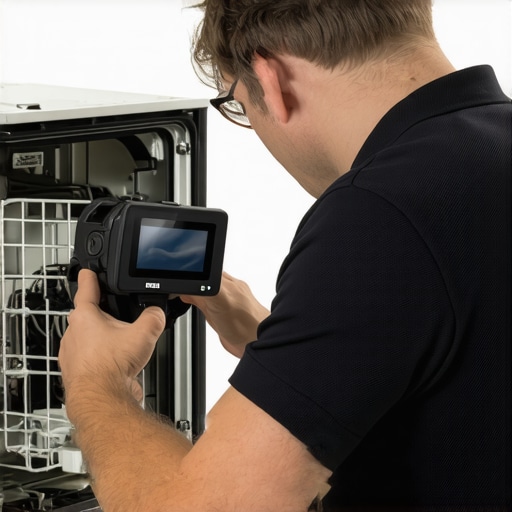
When it comes to maintaining your dishwasher, having the right tools can make all the difference. I personally swear by a high-quality multimeter, like the Fluke 117, because it provides precise voltage and continuity readings essential for diagnosing electrical faults efficiently. A digital torque wrench is also invaluable for tightening connections without over-tightening, preventing damage to delicate components. Additionally, a flexible inspection camera helps me see into tight spots and monitor internal parts without disassembly—saving time and reducing the risk of mishandling parts. Investing in these tools upfront pays off by enabling quick, accurate repairs that extend your appliance’s lifespan.
Stick With Proven Maintenance Routine
Regular cleaning is crucial for long-term performance. I recommend scheduling a monthly inspection of filters, spray arms, and seals. Use a soft brush and gentle cleaner to remove debris, preventing clogs and leaks. Running a vinegar-based cleaning cycle every few months helps dissolve mineral buildup, which can impair water flow and cleaning efficiency. Don’t forget to check the control panel connections; loose wires can cause intermittent failures. Implementing a consistent maintenance routine ensures that small issues don’t escalate into costly repairs, ultimately saving you money and hassle.
Future Trends in Dishwasher Upkeep
Looking ahead, I believe smart diagnostic systems will become standard, offering real-time alerts on wear and tear through connected apps. These innovations aim to predict failures before they happen, making proactive maintenance more accessible. As software becomes increasingly integrated with hardware, knowing how to interpret diagnostic data will be a critical skill for homeowners. Staying informed about advances like IoT-enabled sensors will empower you to keep your dishwasher functioning optimally for years to come.
How do I maintain my dishwasher over time?
The key lies in routine inspections, timely part replacements, and leveraging technological advancements. Regularly consult resources like this comprehensive guide to ensure you’re proactive rather than reactive. Additionally, use quality replacement parts, ideally OEM, to avoid unnecessary setbacks. Remember, investing in the right tools and habits today will pay dividends in reliability and performance down the line—try incorporating a flexible inspection camera into your toolkit to spot issues early, simplifying future repairs.
The Hardest Lesson I Learned About installation, dishwasher, parts, warranty
One of the biggest surprises I encountered was realizing that even the tiniest oversight during installation could cost me dearly—either through leaks, downtime, or voided warranties. It taught me the importance of meticulous preparation and double-checking every connection, seal, and clamp. The time I spent learning to read detailed installation guides paid off when I avoided repeat repairs and extended my dishwasher’s lifespan significantly.
3 Myths About installation, dishwasher, parts, warranty That Held Me Back
I used to believe that any generic part would do the job—until I faced performance issues and warranty headaches. It became clear that OEM parts are often a must for compatibility and long-term durability. Also, I thought warranties covered everything, but fine print details revealed many exclusions. Learning these truths early saved me frustration and money, so I could focus on keeping my dishwasher running smoothly.
What Experts Won’t Tell You About installation, dishwasher, parts, warranty
Secretly, the most vital factor is proactive maintenance and understanding your warranty policy deeply. Many overlook registration and record-keeping, risking coverage loss when trouble arises. Expert advice emphasizes the importance of documenting each repair and keeping track of warranty periods, which proved invaluable when troubleshooting or consulting support. Knowing these insider tips gave me a real edge in managing my appliance proactively.
Curated Recommendations for Your Dishwasher Journey
My essential toolkit includes a high-quality multimeter like the Fluke 117—trustworthy for diagnosing electrical issues accurately. I also rely on a digital torque wrench, ensuring tightness without damage, and a flexible inspection camera, which allows me to see inside tricky spots without disassembly. These tools have been game changers, enabling quick, confident repairs and extending my dishwasher’s effective lifespan.
Furthermore, I recommend book titles like Understanding Dishwasher Parts, which deepened my knowledge. Online resources such as expert blogs and detailed guides help fill gaps that manuals often miss, making maintenance both manageable and educational for homeowners like me.
And don’t underestimate the power of a strong support network—peer forums and professional advice can spot issues early and offer tailored solutions, saving you time and money. For trusted recommendations, these sources have consistently proven reliable and practical.
Ignite Your Repair Confidence Today
Achieving mastery over your dishwasher’s maintenance isn’t just about tools and tips—it’s about cultivating confidence and taking control of your appliance’s future. By understanding the nuances of parts, warranties, and proper installation, you transform from a novice to a proactive caretaker. The journey might seem daunting at first, but every small step builds toward reliable, long-lasting performance. So, why not start today? Your dishwasher—and your wallet—will thank you for it.
What’s the biggest challenge you’ve faced when trying to repair or maintain your dishwasher? Share your experience below—I’d love to hear how you’re taking charge of your appliance care!
,
Related Posts
Maximize Your Warranty & Parts for Smart Dishwashers in 2025: Reliable Repair Tips
I remember the moment vividly—standing in my kitchen, eyes fixed…
Smart Dishwasher Warranty & Parts for Reliable Installation – 09:14
My Journey into Dishwasher Warranties and Parts: A Personal PerspectiveAs…

Claim Denied? 3 Proofs You Need for a 2026 Dishwasher Warranty
It was a typical Saturday morning, and I was in…