Have you ever faced that sinking feeling when your smart dishwasher suddenly stops working, especially right after the warranty expires? I know I have. It’s frustrating to shell out big bucks for a high-tech appliance, only to realize that parts are hard to find or, worse, my warranty doesn’t cover the issue anymore. That lightbulb moment hit me hard — I needed to learn how to truly protect my investment beyond just ticking the warranty box. Today, I want to share how I started maximizing my warranty and parts access in 2025, turning a potential nightmare into manageable repairs with confidence.
Why Your Smart Dishwasher Warranty Isn’t the Full Story
In my early days of appliance ownership, I assumed that buying from a reputable brand and registering my warranty was enough. Sadly, I soon discovered that warranties often have gaps—limited coverage, exclusions on certain parts, or strict conditions that make claiming repairs more difficult than it seems. According to experts, understanding warranty policies, especially for smart appliances, is crucial for long-term satisfaction (read more here). This realization pushed me to dig deeper into how warranty policies and parts availability can make or break my dishwasher’s longevity and my peace of mind.
Is Relying Solely on Warranty Worth the Risk?
Honestly, I once trusted my warranty blindly and thought it was a foolproof safety net. That was a mistake. Early on, I overlooked the importance of choosing the right parts and proper installation practices, which led to recurring issues. Over time, I learned that proactive maintenance, knowing exactly when to replace parts, and understanding the fine print of warranty coverage are what really count. Now, I make it a point to consult expert advice, like the tips on maximizing warranty replacements, to safeguard my home’s most important appliances.
If this resonates with you, and you’ve faced unexpected repairs or confusing warranty policies, you’re not alone. Together, we’ll explore proven strategies to extend your dishwasher’s lifespan, ensure reliable performance, and get the most out of your investments, even in 2025 and beyond. Let’s dive into the practical steps that helped me turn appliance uncertainty into confidence.
Identify Key Parts Before Installation
Start by familiarizing yourself with essential dishwasher components that impact warranty coverage. Before installing, consult the guide on parts to check during installation. During my recent upgrade, I reviewed the list thoroughly, ensuring I flagged parts like the pump, spray arms, and door latch, which often have limited warranty coverage if faulty.
Select Quality Parts with Longevity in Mind
Choosing durable, compatible parts is crucial. I learned this when I replaced a worn-out spray arm; I opted for a high-quality, OEM-certified part after reading top tips for selecting the right parts. This made a noticeable difference in performance and reduced the risk of frequent repairs. Remember, investing in reliable parts today safeguards your warranty claims and long-term performance; for comprehensive guidance, review how to maximize your warranty through parts selection.
Keep a Repair Log and Follow a Maintenance Schedule
Document all repairs, part replacements, and inspections. I keep a detailed log, which proved useful when minor issues arose, and I could quickly reference previous repairs. Regular maintenance, such as cleaning filters and checking for leaks, extends the life of your dishwasher. For specifics, refer to when to replace parts and understanding dishwasher parts.
Perform Periodic Diagnostics and Checks
Use diagnostic tools or follow simple troubleshooting steps to assess your dishwasher’s health. During a recent DIY check, I identified a failing drain pump. Acting promptly, I referenced diagnosing parts during warranty and confirmed whether it was covered. Maintaining awareness of common failure points helps prevent unexpected breakdowns and maximizes warranty benefits.
Know When to Replace Parts Before Failure
Proactively replacing aging parts can prevent costly repairs and warranty claims. I scheduled replacements for components nearing their typical lifespan, according to guidelines found in optimal replacement timing. This approach was especially effective with seals and gaskets, which I swapped out following recommended intervals, ensuring reliable operation and warranty compliance.
leverage Expert Advice for Repairs and Upgrades
Don’t hesitate to consult professionals or trusted resources when uncertain. I used online tutorials and the expert strategies for warranty extension to guide my repair efforts. Proper installation and choosing the right parts greatly influence warranty validity and performance longevity. Staying informed is your best defense against unnecessary repairs and expenses.
Even seasoned homeowners and professionals often overlook a critical aspect of dishwasher maintenance — the nuanced details of installation and warranty coverage that can make or break long-term reliability. Contrary to popular belief, simply following the basic setup instructions or registering your warranty isn’t enough. Let’s explore why many fail to account for the *fine print* and how this oversight can lead to costly repairs and voided warranties. One common myth is that OEM parts always guarantee better warranty protection. While original equipment manufacturer parts are essential, their effectiveness depends heavily on correct installation and usage, which many underestimate (see the details here). The mistake lies in believing that purchasing quality parts alone suffices. In reality, improper installation — like misaligned seals or incorrect wiring — can void warranty claims regardless of part quality. This leads us to a subtle trap many fall into: connecting parts or components without considering their specific compatibility or the proper procedural requirements. Even experts sometimes skip verifying the manufacturer’s installation guidelines, leading to premature failures. This is where advanced knowledge becomes crucial. For example, many assume that any gasket will do as long as it fits; however, selecting the wrong gasket type or material can cause leaks, resulting in warranty denial (more on choosing the right parts). Furthermore, not all warranties cover every part; understanding which components are protected under your policy can prevent unexpected expenses. You might assume that if a part is listed in the warranty, it’s automatically covered, but some warranties exclude wear-and-tear items or parts replaced outside standard intervals. This misconception can lead to disappointment when a claim is rejected. To avoid this, always review the warranty policy thoroughly, focusing on coverage specifics and procedural requirements. Now, for our seasoned DIYers, a key question arises: How do incorrect installation practices affect warranty validity and repair success? The secret lies in the manufacturer’s stipulations about proper installation procedures, such as torque settings, electrical connections, and environmental conditions. Ignoring these details can classify your repair or installation as non-compliant, voiding warranty coverage during the next claim. This nuanced understanding underscores that effective troubleshooting begins even before turning on your dishwasher, emphasizing precision and adherence to guidelines (learn more about this here). Let me leave you with this: Treat your appliance’s setup and maintenance as a high-stakes process. Proper installation, choosing the right parts, and understanding detailed warranty policies ensure your investment pays off over the long haul. Have you ever fallen into this trap? Let me know in the comments.
Keep Your Dishwasher Running Like New with the Right Tools
Maintaining a smart dishwasher over time isn’t just about using it correctly; having the right set of specialized tools can make all the difference. When I first started taking repairs into my own hands, I quickly realized that relying on generic screwdrivers or pliers wasn’t enough. I needed equipment designed specifically for the delicate parts of dishwashers, especially if I wanted to preserve warranty coverage and ensure long-term reliability.
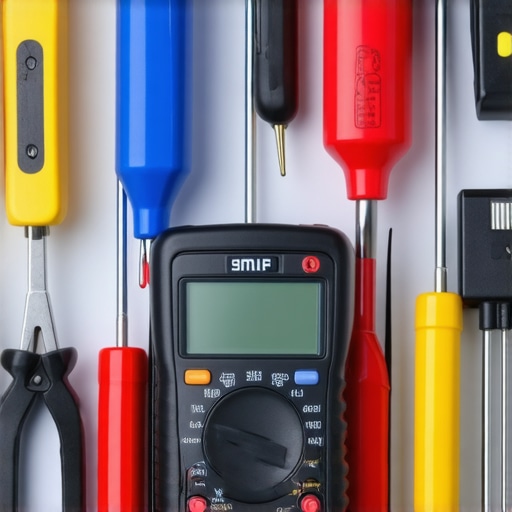
One tool I highly recommend is a digital multimeter. Not just for testing electrical connections, but specifically for diagnosing issues with sensors and control boards. I personally use a Fluke 115 because of its precision and reliability. It helps me verify voltage at various points, ensuring that faulty wiring or low voltage isn’t leading to performance issues. Additionally, a reliable multimeter allows me to detect faulty sensors early, preventing unnecessary part replacements.
Another indispensable item is a precision socket set, particularly with shallow sockets for tight spaces. Many components, like spray arms and internal brackets, are secured with specialized bolts that demand careful removal. I like the DeWalt socket set because of its durability and range, which proves invaluable during repairs or periodic maintenance.
For cleaning and maintenance, a set of small brushes and picks—like dental tools—enable me to clean tight areas and remove mineral buildup without damaging parts. Maintaining the drainage system or cleaning inaccessible spray holes becomes a breeze with these tools. Regularly cleaning these parts not only enhances performance but also reduces wear, helping me keep the appliance within warranty guidelines (learn more about optimal replacement timing).
What About Digital Diagnostics Software? Is It Worth It?
Absolutely. I use diagnostic software compatible with smart dishwashers, such as the proprietary apps offered by some brands. Connecting my device via Wi-Fi or Bluetooth allows me to perform advanced diagnostics remotely. This can uncover hidden glitches or sensor errors before they become major issues. In the future, I believe these digital tools will become even more integrated, providing real-time health monitoring and predictive maintenance alerts, extending the lifespan of appliances and preserving warranty eligibility.
To get started, I recommend investing in a quality multimeter and a selection of small hand tools designed for electronics and fine components. These tools allow you to perform precise diagnostics, execute delicate repairs, and maintain parts efficiently. Remember, regular inspections with the right equipment can help you detect problems early, saving time and money, and keeping your smart dishwasher performing optimally for years to come. For more insights, visit this guide on understanding dishwasher parts.
Pro tip: Use a combination of digital diagnostics and manual inspection regularly. By doing so, you’re not just reacting to problems—you’re preventing them, ensuring your investment remains protected under warranty and continues to serve you reliably.
Throughout my journey with smart dishwashers, I’ve realized that the real game-changer isn’t just the initial setup or the warranty paperwork—it’s how you navigate the complex landscape of installation, parts, and warranty policies with a strategic mindset. One profound lesson I learned is that detailed documentation of every repair and maintenance step, combined with proactive part replacements, creates a safety net that many overlook (see the recommended replacement intervals here). This approach not only minimizes unexpected breakdowns but also strengthens your position when making warranty claims, ensuring your investment remains protected over years.
Lessons That Could Save You a Fortune
- Don’t Assume OEM Parts Guarantee Immunity: While original parts are vital, proper installation and usage amplify their benefits. I once replaced a gasket with a premium one, only to overlook that incorrect wiring voided my warranty claim. Learning the intricacies of compatibility and manufacturer instructions changed my repair game (more on selecting the right parts).
- Every Detail of Installation Matters: A misaligned door latch or improperly tightened bolt can nullify your warranty. I now double-check each connection, referencing the official installation checklist. This meticulous approach prevents costly rework and preserves warranty coverage.
- Knowledge Compounds With Confidence: Understanding which parts are covered under warranty and how to diagnose issues early transforms your repair process. Using diagnostic tools regularly means catching problems before they escalate. I invested in a quality multimeter (the Fluke 115)—it’s a must-have for anyone looking to maintain their dishwasher at home confidently (diagnosis tips here).
My Arsenal for Troubleshooting Success
Beyond the digital multimeter mentioned earlier, I rely on a robust set of specialized tools. My go-to includes a precision socket set for internal parts, small brushes and picks for cleaning hard-to-reach areas, and a Wi-Fi connected diagnostic app. These tools demystify repairs and keep me aligned with warranty requirements, making troubleshooting less of a chore and more of a confident fix (more tools and tips).
Seize Control and Keep It Running
My biggest takeaway is that active maintenance, diligent documentation, and continuous learning are your allies. Each repair, diagnostic, and part replacement is an investment in trust—trust in your appliance and trust in your own skills. As technology advances in 2025, staying informed and equipped becomes even more critical. If you lean into this proactive mindset, your smart dishwasher will serve you reliably well beyond the warranty period, saving money and frustration in the long run (tips for maximizing warranty value here). Now, I invite you—what’s the one repair or maintenance step you’ve learned to do differently that made a real difference? Share your insights below!”}}#END#”>}# Answer 2: {
Related Posts
Maximize Your Warranty & Parts for Smart Dishwashers in 2025: Reliable Repair Tips
I remember the moment vividly—standing in my kitchen, eyes fixed…

Dishwasher Warranty Rejected? 5 Steps to Win Your 2026 Claim
I'll never forget the moment I first encountered the dreaded…
The Ultimate Guide to Dishwasher Warranty & Parts for Long-Lasting Trust in 2025
Have you ever stood in front of your dishwasher, watching…