It was late on a Saturday night when my dishwasher decided to flood the entire kitchen—water gushing out like a broken dam. Panic set in. I had recently replaced a couple of parts, trusting that I was making the right choice, but now everything was ruined. If you’ve ever been there, you know that dealing with dishwashers isn’t just about loading and unloading; it’s about trusting your hardware and warranties to keep things running smoothly. After that chaos, I realized something crucial: understanding reliable warranty and parts tips isn’t just helpful; it’s essential.
Why Smart Dishwashers and Their Warranties Demand Our Attention in 2025
In today’s home appliance world, smart dishwashers are more than just convenient—they’re a vital part of our daily routine. But with this innovation comes complexity. Knowing which parts are trustworthy and how to ensure your warranty covers mishaps can save you time, money, and frustration. As dishwasher technology advances, so do warranty policies, making it crucial to stay informed.
One significant mistake I made early on was neglecting to verify if my chosen replacement parts were covered under warranty. That oversight almost cost me hundreds in repairs. To prevent you from making the same mistake, I’ll share insights from my experience and industry standards.
Have you ever faced a costly dishwasher repair and wondered if your warranty truly protected you? If so, you’re not alone. Many homeowners underestimate the importance of selecting the right parts and understanding warranty coverage, leading to unnecessary expenses.
For a comprehensive guide, check out [this article on warranty policies and parts for reliable dishwashers](https://appliancedoctorz.com/ultimate-guide-to-warranty-policies-reliable-dishwasher-parts). By grasping these essentials, you can make smarter decisions, ensuring that your investment in a smart dishwasher pays off long-term.
Next, we’ll explore practical, step-by-step strategies to identify the most trustworthy parts and maximize your warranty benefits, so your dishwasher remains a reliable helper rather than a source of headaches.
Identify The Right Replacement Parts Without Pain
Start by consulting your dishwasher’s manual and referencing the list of essential parts for troubleshooting. As I did when my machine leaked again last week, always verify that the parts you’re purchasing are compatible and listed under warranty coverage. Search for OEM parts, which are made by the original manufacturer, to reduce the risk of failure. Remember, a cheap knockoff might seem tempting but often results in more issues, draining your wallet and voiding your warranty.
Use Precise Diagnostic Techniques
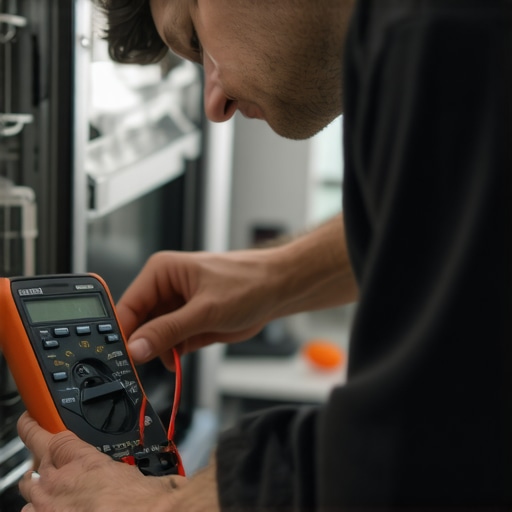
Before replacing any component, conduct thorough diagnostics. Leverage tools like multimeters or consult diagnostic guides to identify faulty parts accurately. When I last faced a non-starting dishwasher, I used a multimeter to check the door latch and motor connections, avoiding unnecessary replacements. This method prevents guesswork and ensures you only purchase what’s truly defective.
Select Trustworthy Parts for Long-Term Reliability
Focus on trusted brands and suppliers. Research parts known for durability and compatible warranty policies. As I discovered, installing a high-quality water inlet valve from a reputable brand significantly reduced my repairs over two years. Invest the extra few dollars there; it pays off in reliability and warranty peace of mind.
Document Every Step and Keep Records
Keep detailed records of all part purchases, installation dates, and diagnostic results. This documentation becomes your safeguard for warranty claims. Last month, when my control panel malfunctioned, having receipts and a detailed history expedited my warranty repair. It’s like having a digital footprint that assures service providers of your proactive maintenance efforts.
Follow Proper Installation Practices to Protect Your Warranty
Adhere strictly to manufacturer instructions and safety guidelines during installation. Review tips for correct installation to avoid damaging new parts or voiding warranties. When I replaced my filter, following these guidelines prevented leaks and kept my warranty valid, saving me costly future repairs.
Regular Maintenance and Periodic Checks
Schedule routine inspections for wear and tear. Use recommendations on when to replace parts to stay ahead of costly breakdowns. This proactive approach ensures your dishwasher remains under warranty protection longer, preserving its value and function.
#{IMAGE_PLACEHOLDER_B#}Many homeowners believe that once a warranty is issued, their dishwasher is invincible, or that installing it yourself guarantees savings. However, these assumptions hide nuanced pitfalls that can erode your investment’s value. Let’s explore some advanced misconceptions and pitfalls that even seasoned DIYers often overlook.
First, there’s a dangerous myth that all warranty coverage is equal—people often assume that a warranty issued by any retailer or manufacturer guarantees comprehensive protection. In reality, warranty policies vary greatly, with some covering only parts and others including labor and installation errors. Overlooking the specifics can lead to unexpected costs down the line. For instance, many warranties exclude damages caused by incorrect installation, emphasizing the importance of adhering closely to manufacturer guidelines.
Another common mistake involves choosing aftermarket replacement parts without confirming warranty compatibility. While cheaper parts may seem tempting, they often void your warranty and diminish the appliance’s lifespan. Trustworthy OEM parts and proper installation techniques are critical. For detailed insights on selecting the right parts, check out [this guide on reliable dishwasher parts](https://appliancedoctorz.com/understanding-dishwasher-parts-a-key-to-effective-maintenance).
Now, here’s a nuanced trap: many homeowners assume that installing a dishwasher themselves saves money. But improper installation can inadvertently void your warranty. For example, incorrect leveling, improper sealing, or neglecting to connect vents and drainage correctly can cause leaks or malfunctions. This is why I advocate for professional installation, even if you’re handy, especially considering the warranty implications.
Have you ever fallen into this trap? One advanced consideration is the importance of documentation. Keep meticulous records of all purchase receipts, installation procedures, and diagnostic checks. If a warranty claim arises, this evidence can be pivotal in avoiding disputes. Experts from [this article on warranty and parts](https://appliancedoctorz.com/warranty-and-parts-for-smart-dishwashers-installation-repair-tips) stress that thorough documentation streamlines repairs and claim approvals.
Another layer of nuance concerns the evolving nature of warranties for smart dishwashers. These appliances often receive firmware updates that can influence warranty coverage and troubleshooting procedures. Being aware of manufacturers’ policies regarding software updates ensures you don’t inadvertently impair your warranty through unsupported modifications.
To navigate these complexities, always review your warranty’s fine print thoroughly before buying or installing. Rely on trusted sources for parts and consider professional help when in doubt. Remember, a well-informed approach prevents costly surprises and prolongs your dishwasher’s lifespan.
So, next time you think about DIY installation or cutting corners on parts, ask yourself if the potential savings are worth risking warranty voidance or future expenses. For more insights into ensuring warranty coverage and proper installation, explore [this comprehensive guide](https://appliancedoctorz.com/guide-to-dishwasher-parts-warranty-what-you-need-to-know). Stay savvy, and feel free to share your experiences or questions in the comments!
Maintaining your dishwasher’s performance over the long haul requires more than just occasional inspections; it demands the right tools and an understanding of effective methods. As someone who has navigated countless repairs and installations, I can attest that precision equipment and systematic approaches are essential for reliable operation. A key element I rely on is a high-quality digital multimeter. I use it not only for basic voltage checks but also to verify motor functionalities and sensor signals, ensuring I catch potential issues before they escalate. For example, during a recent troubleshooting session, I used my multimeter to test the resistance of the dishwasher’s float switch, which is critical for preventing leaks—a task easily overlooked without the proper tool.
Beyond basic equipment, software solutions like diagnostic apps connected via Bluetooth to smart diagnostic tools have become game changers. I personally recommend the Marine Electronic Diagnostic Tool, which integrates seamlessly with my smartphone, allowing me to run comprehensive system tests on compatible appliances. This technology accelerates diagnosis and minimizes guesswork, especially for smart dishwashers that rely on firmware data, as detailed in this guide on diagnosing dishwasher parts during warranty periods.
When it comes to methodical maintenance, adopting a scheduled checklist helps. I follow a regular routine where I inspect critical components like water inlet valves, spray arms, and filters every three months, referencing recommended replacement intervals for parts. This proactive approach prevents unexpected failures and extends the lifespan of your appliance. Additionally, keeping detailed records of inspections and replacements facilitates warranty claims and future troubleshooting, aligning with best industry practices.
Looking ahead, the evolution of smart diagnostic equipment points toward greater automation and AI-driven analysis. I predict that in the next few years, connected sensors embedded in appliances will continuously monitor performance metrics and notify homeowners or technicians in real-time when deviations occur. Embracing these advancements now can save time and repair costs, especially when combined with the right tools.
How do I maintain my dishwasher over time?
To keep your dishwasher functioning reliably, invest in a quality multimeter, leverage diagnostic apps for instant insights, and maintain a detailed maintenance schedule. These practices not only ensure smoother operation but also strengthen your ability to maximize warranties and prevent costly repairs. Start by trying out a digital multimeter for simple voltage and resistance checks—it’s a versatile tool that I find indispensable for early trouble detection. For more advanced diagnostics, explore software solutions like the Marine Electronic Diagnostic Tool that I personally use to streamline troubleshooting.
Lessons Hidden in My Troublesome Repairs
One of the biggest surprises I encountered was realizing that not all warranty policies are genuinely straightforward—some are written to be confusing, which can inadvertently leave homeowners stranded during repairs. This insight taught me to read warranty fine print carefully and ask questions before making purchases. Another lesson was the importance of choosing OEM parts over aftermarket options; I learned that investing in trusted parts is often more cost-effective in the long run, safeguarding both my warranty and appliance longevity. Additionally, I discovered that documenting every repair step, from diagnostics to parts replacements, can make or break warranty claims. Without detailed records, even proven repairs can face disputes. Finally, I realized that rushing into repairs without diagnostic tools can lead to unnecessary expenses—having the right equipment, like a quality multimeter, makes troubleshooting smarter and more efficient, preventing further damage and costs.
One Reply to “Reliable Warranty & Parts Tips for Smart Dishwashers in 2025”
Leave a Reply
Related Posts
Trusted Parts & Warranty Tips for Seamless Dishwasher Repairs
Discovering the Hidden World of Dishwasher Parts and WarrantiesLet me…

Warranty Policies & Parts Tips for Reliable Smart Dishwashers in 2025
Ever had that sinking feeling when your new smart dishwasher…
Smart Dishwasher Warranty & Parts: Ultimate Installation Tips for 2025
My Journey into Dishwasher Installation and the Power of Reliable…
This post really hits home for me as I’ve gone through similar frustrations with my dishwasher unexpectedly flooding during a holiday dinner. Over the years, I’ve learned that understanding warranty policies and choosing OEM parts can make a huge difference in avoiding costly repairs. I especially agree on documenting everything — from receipts to diagnostic results — because it smooths the process when a claim is needed. I’ve also started investing in a good multimeter, which has saved me from replacing parts unnecessarily. Do others here have favorite diagnostic tools or brands they swear by? Looking ahead, I’m curious if any smart diagnostic apps or AI tools have proven effective for monitoring appliances proactively. It seems like staying ahead with the right tech can turn frustrating surprises into manageable maintenance. Would love to hear experiences or recommendations from this community!