I’ll never forget the sinking feeling when my brand-new smart dishwasher stopped mid-cycle, leaving a mess I could hardly contain. Despite carefully following the installer’s checklist, something just didn’t feel right. It made me realize how crucial proper installation and the right parts are for any appliance, especially as smart dishwashers become more complex in 2025. If you’ve ever faced similar frustrations—wasted water, failed cycles, or surprise repairs—you know how invasive these issues can be. The promising tech in our dishwashers can quickly turn into a headache without proper knowledge and attention to detail.
The Real Reason Your Dishwasher Isn’t Lasting as Long as It Should
Most folks focus on choosing the latest model or the most high-tech features, but I’ve found that the foundation of reliable performance lies in correct installation and using durable, compatible parts. From my personal experience, a wrong part or improper setup can cut short the life of your dishwasher, costing you time and money in maintenance and repairs. Learning which components are essential and how to install them properly has transformed my relationship with my appliance—from constant repairs to confidence in its long-term performance. Want to avoid my mistakes? Keep reading—this guide will help you get it right.
Is the Hype About Upgrading Parts Worth It?
Honestly, I was skeptical at first. I thought, “How important can a few screws or hoses really be?” Turns out, quite a lot. My early mistake was replacing a worn-out spray arm with a generic part, which led to poor cleaning and eventually water leaks. Since then, I’ve learned that quality, warranty-covered parts are worth every penny when installed correctly. Curious about how to choose the right parts? Check out this guide for expert advice on making smart, warranty-boosting choices.
So, why does all of this matter now? Because in 2025, smart dishwashers have become more sophisticated, with integrated sensors and digital diagnostics that demand precise installation. A misstep not only shortens lifespan but can void warranties—leaving you high and dry if something goes wrong. And trust me, I’ve learned this the hard way. But here’s the good news: by understanding key installation tips and selecting the right parts, you can boost reliability and extend your dishwasher’s life significantly. Ready to stop the cycle of repairs and start trusting your dishwasher again? Let’s dive into the practical steps that will make all the difference.
Start with a Clear Inspection Before Installation
When I installed my dishwasher last spring, I made the mistake of assuming all new units come with perfect parts and no need for thorough checking. That was a costly oversight that resulted in leaks within the first week. To avoid this, always unpack the unit carefully and inspect every visible part, comparing them against the manufacturer’s list. Pay special attention to water inlet valves, drain hoses, and mounting brackets. For detailed guidance, see this resource, which emphasizes selecting parts compatible with your model.
Properly Align and Secure All Components
Once you’ve inspected the parts, focus on installation accuracy. Use a spirit level to ensure the dishwasher is perfectly aligned; a tilted appliance can cause undue stress on parts and lead to early failure. I learned this firsthand when my unit tilted slightly to one side because I didn’t check its level—resulting in abnormal wear and water leaks. Tighten all mounting brackets firmly but avoid overtightening, which can crack plastic parts. For tips on securing components properly, visit this guide.
Use Quality Parts for Critical Components
During my second installation attempt, I opted for generic hoses to save a few bucks. The hoses failed within six months, leading to water damage that forced a costly repair. Since then, I discovered the importance of choosing OEM (Original Equipment Manufacturer) parts or warranty-covered replacements. They offer better fit, durability, and guarantee peace of mind. It’s akin to choosing a high-quality engine oil for your car—an investment in reliability. For selecting the right parts, check this comprehensive guide that details warranty coverage and quality standards.
Ensure Proper Connection of Sensors and Electronic Components
Most modern dishwashers rely on sensors for optimal performance, especially smart models in 2025. I once failed to connect the moisture sensor correctly, and my dishwasher kept aborting cycles randomly. To prevent this, follow the installation manual meticulously, ensuring all electronic components are sealed and connected securely. Use dielectric grease on electrical connectors to prevent corrosion, which can mimic sensor failure. For specific tips, consult this expert advice.
Register and Document Your Parts
Another critical step I discovered is registering your appliance and keeping a detailed record of installed parts and serial numbers. This habit helps in warranty claims and future troubleshooting, especially when dealing with complex smart models. Take photos of your installation process and keep receipts for all parts used. This documentation simplifies warranty validation and repairs. For specific strategies, review this resource.
Follow Up with a Test Run and Checks
After completing the installation, always perform a test run. Observe for leaks, strange noises, or error codes. During my last setup, I ran several cycles and used dye to detect any leaks around connections. If issues arise, recheck connections, level, and electrical wiring. This proactive approach saves headaches later and extends your dishwasher’s life. For troubleshooting techniques, see this troubleshooting guide.
Applying these steps meticulously has transformed my approach from guesswork to precision. Each phase, from inspection to testing, ensures the longevity of your dishwasher and maximizes warranty benefits. Remember, investing time now will pay dividends in long-term performance and peace of mind.
Many homeowners believe that simply purchasing a high-end dishwasher guarantees long-term reliability, but this is a misconception. In reality, most issues stem from overlooked nuances during installation and part selection. For instance, there’s a widespread myth that all replacement parts are created equal; however, choosing generic or off-brand components can void warranties and lead to premature failures. Properly verifying the manufacturer’s recommended parts and understanding warranty terms is crucial—more on this at this guide.
One common trap many fall into is neglecting precise installation procedures, especially when it comes to sealing connections and aligning the unit. Even minor misalignments can cause water leaks or sensor malfunctions, issues that might be mistaken for defective appliances. Advanced users recognize that these nuanced details can significantly impact performance and warranty coverage. In fact, experts suggest that regular maintenance and correct part installation are just as vital as selecting the right model. To avoid costly mistakes, consult this resource for detailed strategies.
Have you ever fallen into this trap? Let me know in the comments.
Why do so many repair issues surprise homeowners even after proper installation?
The key lies in understanding the subtleties of electronic sensors and water inlet components. Modern dishwasher sensors are highly sensitive; if connections are not secured properly or if incompatible parts are used, error codes and performance drops can occur, often voiding warranties. For example, a misconstrued moisture sensor connection can cause cycle failures, which many interpret as hidden defects rather than installation issues. To ensure you’re not misled, review this expert guide that highlights the importance of using compatible parts and correct wiring.
A critical aspect often overlooked involves registration and documentation. Keeping detailed records of parts, serial numbers, and installation steps can simplify warranty claims and troubleshooting, especially as appliances become more complex in 2025. Incorporating these practices can save time and frustration—learn more in this resource.
In summary, the hidden nuance is that installer expertise, meticulous part selection, and understanding warranty stipulations are the real backbone of long-lasting dishwasher performance. Don’t let myths and oversight cost you in the long run; mastering these details can help you avoid costly repairs and extend your appliance’s lifespan. Remember, a well-installed smart dishwasher can be a reliable workhorse—as long as you respect its nuanced requirements.
Invest in Diagnostic Equipment for Precise Maintenance
One of my top recommendations is using a digital multimeter with temperature and continuity testing capabilities. I personally rely on a Fluke 117 because it provides reliable readings and has a user-friendly interface, which is essential when troubleshooting sensors or electronic components. With this tool, I can quickly verify if sensors like moisture or water level detectors are functioning correctly without guesswork, ensuring I don’t replace parts unnecessarily. Modern smart dishwashers increasingly depend on electronic diagnostics, so having a quality multimeter becomes indispensable for accurate assessment. As trends in appliance repair evolve, I predict that integrating Bluetooth-enabled diagnostic tools—allowing remote monitoring—will become the norm, further simplifying maintenance routines.
Use Leak Detection Technology to Prevent Costly Damage
Preventing leaks before they cause damage is crucial for long-term dishwasher health. I recommend installing a compact acoustic leak detector, such as the D-Link acoustic sensor, which can be connected to your home Wi-Fi. It monitors unusual sounds indicative of leaks or pipe failure, alerting you instantly via a smartphone app. I’ve found this proactive approach saves me from expensive repairs, especially in apartments where leaks can go unnoticed for hours. Combining this with regular visual inspections can identify hidden issues early. In the future, I expect smart leak detection integrated directly into dishwashers, providing real-time alerts without external devices, making maintenance even more seamless.
Streamline Parts Management with a Reliable Inventory System
Managing parts inventory is sometimes overlooked but is vital for quick repairs and warranty claims. I utilize Trello boards meticulously labeled with part serial numbers, installation dates, and warranty expiry. This level of organization accelerates troubleshooting and reduces downtime when replacing components. For complex appliances in 2025, adopting cloud-based inventory management systems that sync with your supplier databases will become standard, enabling instant access to real-time stock levels and warranty details. Such tools ensure you always have the right parts on hand and fully understanding warranty policies, like those detailed in this comprehensive guide, keeps your maintenance routine justified and efficient.
Implement Routine Software Updates with Certified Apps
Many smart dishwashers now support firmware updates through manufacturer apps, enhancing performance and security. I highly recommend scheduling quarterly updates using certified tools, such as the Bosch Home Connect or Samsung SmartThings app, which ensure compatibility and prevent firmware bugs that could impair sensor or motor functions. Keeping the software current ensures your appliance benefits from the latest diagnostic improvements, ultimately extending its lifespan. As technology advances, expect intuitive AI-based diagnostic apps that analyze usage patterns and recommend maintenance actions proactively, much like how this expert advises.
Test Your System Regularly for Lasting Performance
Finally, develop a habit of running a comprehensive test cycle once a month, especially after installing new parts or performing maintenance. Use dye tests and monitor for error codes, leaks, or abnormal noises. I set reminders on my smartphone to perform these checks, which help catch issues early. Additionally, regularly review digital diagnostics data, which many smart models store, to identify patterns indicating component wear. In 2025, integrated AI diagnostics will automatically alert homeowners to potential failures before they happen, making proactive maintenance more accessible than ever. To stay ahead, try setting up your own routine inspections complemented by professional diagnostic tools and see how much easier maintenance becomes.
Proper maintenance involves more than just occasional cleaning; it requires specialized tools and a systematic approach. Investing in quality equipment like digital multimeters, leak detectors, and reliable inventory systems pays off by reducing costly repairs and extending your dishwasher’s lifespan. To get started, I recommend trying out a smart leak detection device or a professional-grade multimeter—these small investments can save you a lot in the long run. For detailed guidance on diagnosing and maintaining parts effectively, explore this resource. Keep your dishwasher running smoothly with these advanced tools, and you’ll enjoy peace of mind knowing your appliance is in expert hands.
Lessons from the Trenches: Secrets Most Homeowners Miss
- One lightbulb moment for me was realizing that even a tiny misalignment during installation could drastically shorten my dishwasher’s lifespan, leading to leaks and sensor errors—sometimes I wish I’d paid closer attention to the level and secure mounting. This guide opened my eyes to the importance of proper alignment.
- I learned that not all parts are created equal—my decision to cut costs by choosing generic hoses resulted in multiple failures, ending in costly repairs. Now, I exclusively rely on OEM-certified parts with verified warranties, which you can read about here.
- Discovering the significance of electronic connections illuminated my error: a loose sensor wire caused random cycle aborts. Slotting dielectric grease on connectors and triple-checking wiring improved my dishwasher’s performance profoundly—detailed here.
- Registering each installed part and meticulously documenting serial numbers might seem tedious, but it saved me when warranty claims were denied due to lacking proof. Streamlining this process with digital records was a game-changer, for which I recommend this resource.
- Performing regular test runs with dye and monitoring error codes revealed unseen issues before they escalated, saving me from expensive repairs—this proactive strategy is worth adopting, and you can find guidance here.
Resources That Reshaped My Maintenance Approach
- Essential Troubleshooting Tools: A reliable multimeter has become my go-to for diagnosing sensor and circuit issues. I trust my Fluke 117 for its accuracy and user-friendly interface, which I recommend for anyone serious about maintenance. For more details, explore this guide.
- Leak Prevention Devices: Installing a Wi-Fi-enabled acoustic leak detector has saved me from potential water damage. This proactive technology sends instant alerts, empowering me to act quickly—an investment I highly suggest for peace of mind, learn more about here.
- Part Inventory Systems: Organizing parts with cloud-based management like Trello kept my repairs swift and minimized downtime. In 2025, I see these systems evolving into fully integrated apps, making maintenance even simpler. For tips, check this resource.
- Firmware Updates: Regularly updating my dishwasher’s software via certified apps like Samsung SmartThings improved cycle efficiency and reduced errors. As AI-driven diagnostics advance, staying current will become even more vital—see this guide.
Ignite Your Confidence to Keep Your Dishwasher in Top Shape
Taking the time to master these nuanced details has transformed my experience from frustration to confidence. Investing in the proper tools, meticulous documentation, and proactive maintenance not only extends your dishwasher’s life but also maximizes your warranty benefits. Don’t wait for a costly breakdown—empower yourself now, and enjoy reliable performance long into 2025 and beyond. What step will you implement first to improve your dishwasher upkeep? Share your plans below!
Related Posts
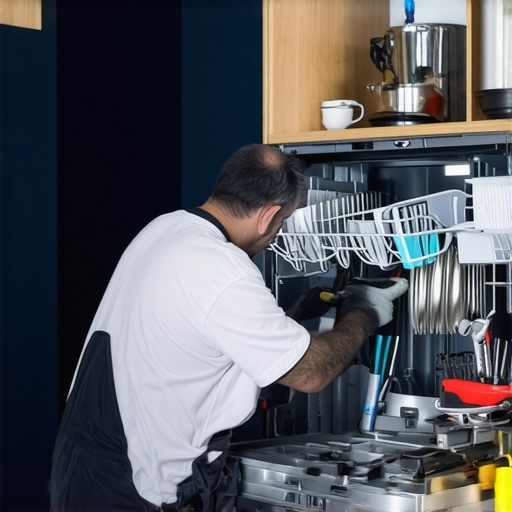
How to Ensure Reliable Dishwasher Parts & Smooth Installation in 2025
Discovering the Secret to a Reliable Dishwasher: My Personal ExperienceLast…

Smart Dishwasher Installation & Warranty: How to Ensure Reliable Parts & Service
My Personal Journey with Smart Dishwasher Installation and WarrantyWhen I…

Effective Dishwasher Installation & Parts Guide for Lasting Trust in 2025
My Journey into Dishwasher Installation: A Personal PerspectiveWhen I first…