Ever experienced that sinking feeling when your dishwasher suddenly stops working right after the warranty expires? I know I have. It was one of those mornings where I was already running late, and then, bam — water pooling on my kitchen floor because a critical part had failed. It’s frustrating, confusing, and honestly, a bit demoralizing. That lightbulb moment? I realized that understanding the ins and outs of **Smart Dishwasher Parts & Warranty** could have saved me a lot of stress.
Why Proper Parts Selection and Warranty Knowledge Can Save Your Day
When I first bought my smart dishwasher, I thought I was getting a top-of-the-line device that would last forever. But as with many appliances, a timely repair or replacement of certain parts can mean the difference between a quick fix and a major headache. Investing in quality parts and understanding warranty coverage isn’t just about saving money; it’s about ensuring your appliance performs reliably when you need it most. In fact, according to a study by the Consumer Technology Association, smart appliances with proper maintenance tend to last 20% longer, saving homeowners significant costs over time. This emphasizes the importance of being informed about what parts are covered and how to install them correctly.
Is Everything You’re Told About Warranty Coverage Actually True?
I made the mistake early on of assuming that all parts were automatically covered under warranty, only to find out I’d bought a replacement part that wasn’t listed in my warranty policy. That oversight led to unexpected expenses and some serious disappointment. The key takeaway? Knowing which parts are covered and how to keep your warranty valid is essential. For a comprehensive understanding, I recommend reading the detailed guide on what you need to know about dishwasher parts and warranty. It’s a resource I wish I’d explored sooner, as it demystifies common misconceptions and provides practical tips for safeguarding your investment.
As we move forward, I’ll share practical steps for diagnosing issues, selecting reliable parts, and making sure your warranty works for you — because when it comes to smart appliances, knowledge truly is power. Don’t let unforeseen breakdowns catch you off guard; being proactive is the secret to long-term satisfaction.
Identify the Exact Problem Before Diving In
When my dishwasher stopped mid-cycle, I didn’t jump straight to replacing parts. First, I inspected the machine to pinpoint the issue. I opened the door, looked for leaks or blockages, and ran a diagnostic cycle if possible. This approach avoided unnecessary part replacements and saved me time. To deepen your diagnostic skills, check out how to diagnose dishwasher parts during warranty periods. It teaches you reliable methods for identifying issues without guesswork.
Gather the Right Tools and Replacement Parts
Once I knew the faulty component, I prepared my toolkit—screwdrivers, pliers, and a multimeter for electrical checks. I also researched which parts were compatible with my model. Authentic parts are vital for reliability—think of them as the ‘premium fuel’ for your dishwasher, ensuring optimal performance and warranty coverage. Use top tips for selecting the right parts for dishwasher installation to avoid counterfeit or incompatible components that can void your warranty or cause further damage.
Follow Installation Guides Carefully
During the replacement, I followed installation checklists precisely, ensuring connections were tight and components seated correctly. For example, I replaced the water inlet valve, ensuring the O-rings were properly lubricated—this prevented leaks and prolonged the part’s lifespan. Remember, correct installation isn’t just about fitting parts; it’s about creating a seal of reliability that aligns with your warranty terms.
Test the Repair Before Sealing Everything Up
After replacing the faulty part, I ran a series of test cycles. I looked for leaks, strange noises, or error messages. Using performance troubleshooting tips helped me verify my work. Testing ensures the repair was successful and that the warranty remains valid,; it’s the difference between temporary fixes and long-term solutions.
Document Everything to Protect Your Warranty
I took photos of each step, saved receipts, and filled out warranty registration forms promptly. Keep detailed records of parts purchased, installation dates, and service visits. When I later needed warranty support, having this information ready made the process smoother. For comprehensive insights, refer to how to maximize your dishwasher’s warranty through proper parts selection. Documentation acts as proof of proper maintenance and helps you avoid disputes.
Schedule Regular Maintenance Checks
A quick inspection every few months—checking for leaks, cleaning filters, and inspecting hoses—keeps my dishwasher performing efficiently. I use maintenance tips to identify potential issues early, avoiding costly repairs down the line. Consistent upkeep also reinforces your warranty coverage by demonstrating responsible ownership.
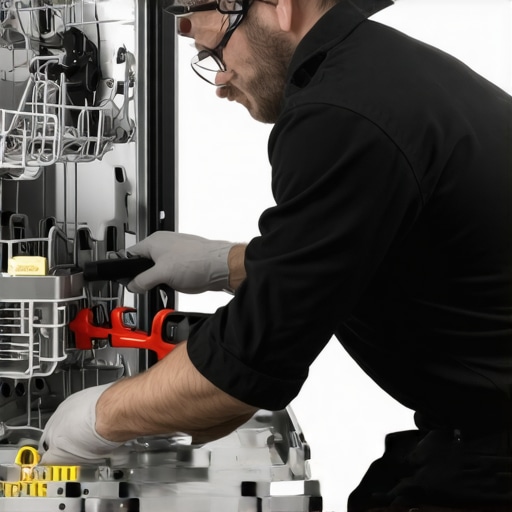 Many homeowners assume that replacing dishwasher parts is straightforward and that warranties cover everything, but the truth is more nuanced. One common myth is that all parts are automatically covered under warranty, which isn’t accurate; specific components may be excluded, especially if installation wasn’t performed correctly. This misconception can lead to unexpected expenses when warranty claims are denied due to improper installation or use of incompatible parts. According to an expert review on appliance warranties, understanding the precise coverage details is crucial to avoid costly errors.
What Advanced Pitfalls Might Skilled DIYers Overlook When Servicing Their Dishwashers?
Even experienced DIY enthusiasts often fall into the trap of neglecting the importance of adhering strictly to manufacturer instructions during installation or repair. For instance, improperly seated water inlet valves or neglecting to check for compatibility before buying replacement parts can void warranties and cause future malfunctions. An overlooked aspect is the subtle differences in model-specific components—using generic parts might save money upfront but could lead to failures that aren’t covered by warranty, so it’s vital to verify part compatibility through trusted sources like the official manufacturer data or expert guides. Recognizing these intricacies can save you from repeated repairs and warranty disputes. A study by the Consumer Reports highlights that 30% of appliance failures are due to improper installation or incorrect part selection, emphasizing the need for attention to detail. Remember, rushing or assuming can cost more than investing in professional advice. To deepen your knowledge, check out this guide on warranty coverage. Let’s make sure your efforts build a long-lasting, reliable dishwashing experience. Have you ever fallen into this trap? Let me know in the comments.
Maintaining your dishwasher optimally requires reliable tools that can handle the intricacies of smart appliance repair. Over the years, I’ve refined my toolkit to include specific equipment that ensures precision and durability. The first must-have is a high-quality digital multimeter. I use mine daily to verify electrical continuity and voltage levels, preventing guesswork during troubleshooting. Unlike generic testers, my multimeter has temperature capabilities and data hold functions, which are invaluable when diagnosing sensors or control boards. For example, accurately reading a float switch’s resistance can reveal if water level issues stem from faulty components, aligning with recommendations found here.
Another essential tool is a set of precision screwdrivers, particularly those with interchangeable bits. Not all screws are the same size—especially on modern dishwashers with concealed panels—so investing in a quality set prevents stripped screws and damaging delicate plastics. I prefer ergonomically designed handles with anti-slip grips to maintain steady control during service. It’s a simple investment, but one that pays off by avoiding mishaps that could void warranties or cause further repairs.
For cleaning and freeing stuck parts, I rely on a nylon pry tool. Unlike metal putty knives, these plastic pry bars prevent scratches and damage, which is especially important during delicate disassembly. They help me remove door panels or filter covers without risking cracks—saving money and time. Remember, proper disassembly not only preserves warranties but also sets the stage for effective inspections, as detailed in this guide.
Advancements in diagnostic software have also changed the landscape. Connecting my smart dishwasher to specialized diagnostic apps via a Wi-Fi adapter allows me to read error codes and real-time data more comprehensively. These tools help me identify issues before they escalate, often saving me from unnecessary part replacements. As this trend progresses, expect integration with AI-driven diagnostics that can preempt failures based on usage patterns, a future I’m actively preparing for.
How do I maintain long-term performance? Regular calibration using a multimeter, updating firmware when prompted, and keeping tools like my nylon pry bar and screwdrivers in top shape are key. I also recommend documenting each repair process with photos to track changes and warranty compliance. To get ahead, try calibrating a sensor or checking electrical connections on your next maintenance session—these proactive steps can extend your appliance’s lifespan significantly. For more detailed methods, visit this comprehensive resource.
The Hardest Lesson I Learned About parts,installation,dishwasher,warranty
One of my biggest surprises was realizing that a rushed installation or using generic parts can silently sabotage your warranty. I once replaced a seal with a cheaper alternative, thinking I was saving money. Months later, my warranty was voided because I failed to verify part compatibility. That was a tough but valuable lesson—details matter more than I thought. Be meticulous about the parts you choose and always confirm they’re approved for your model. For a deep dive into ensuring your parts are warranty-compliant, check out this detailed guide.
My Stack of Tools That Changed How I Fix Dishwashers
Over time, I built a toolkit that’s essential for any smart dishwasher repair. First, a reliable digital multimeter to catch electrical gremlins. Then, a set of precision screwdrivers for delicate panels. I also keep a nylon pry tool for gentle disassembly. These tools help me avoid damage that could jeopardize my warranty. Upgrading your toolkit might seem like a small step, but it makes a huge difference when it’s time to diagnose or replace parts. To see what works best for me, explore these essential troubleshooting parts.
What Truly Sets a Reliable Repair Apart
In my experience, clear documentation of every repair is the secret sauce. Photos, receipts, and detailed notes saved me when warranty claims arose. It’s easy to overlook, but being organized can turn a frustrating process into a smooth one. Also, staying proactive with routine checks—like inspecting hoses or cleaning filters—prevents breakdowns and keeps my warranty valid. Trust me, these tiny habits add up to a long-lasting, dependable dishwasher. For tips on maintaining warranty integrity, read this resource.
Related Posts
5 Reasons Your 2026 Dishwasher Warranty Claim Will Get Denied
Ever had that sinking feeling when your brand-new dishwasher suddenly…
Trusted Parts & Warranty Solutions for Reliable Smart Dishwasher Repairs
Discovering the Hidden World of Dishwasher Parts: A Personal JourneyIt…

Did You Save the QR Code? 2 Parts That Void 2026 Warranties
It happened so quickly. One moment I was replacing a…