Ever had that sinking feeling when your brand-new smart dishwasher suddenly stops working right after installation? I remember the moment vividly—turning it on for the first time, only to hear strange noises and see water leaking from underneath. It was frustrating, and honestly, I felt like I missed a crucial step. That lightbulb moment made me realize how important proper installation and understanding warranty coverage are for long-term peace of mind.
Why Getting the Installation Right Matters More Than You Think
When I first installed my dishwasher, I thought I could wing it with a quick setup. Big mistake. A misaligned part here or an unsealed connection there, and suddenly, I was facing leaks, poor performance, and the dread of voiding my warranty. It turns out, many common issues with dishwashers can be traced back to improper installation of parts or neglecting warranty guidelines. That’s why I now swear by thorough preparation and knowing exactly which parts matter for lasting performance. Want to avoid my mistake? Good! Because today, I’ll walk you through the essential steps to install your dishwasher properly and keep your warranty intact. By the end, you’ll be equipped with the knowledge to troubleshoot effectively and ensure your investment lasts for years.
Question: Is it really worth stressing over parts and warranty details?
Absolutely. I used to dismiss the importance of detailed checks, thinking I could just follow the basic instructions. Turns out, that’s a surefire way to end up with issues down the line. Early on, I skipped verifying the condition of my replacement parts, which led to avoidable breakdowns. According to experts, a proper parts selection and installation can extend your dishwasher’s lifespan significantly. For example, checking the right parts before installation can prevent common problems—like leaks or motor failures—which are often covered under warranty if you follow the correct procedures. For more detailed insights on how to maximize your warranty coverage and choose the right parts, I recommend visiting [this comprehensive guide](https://appliancedoctorz.com/parts-and-warranty-tips-for-seamless-dishwasher-installation).
So, if you’ve ever faced the disappointment of a dishwasher not lasting as long as it should, or worse, losing warranty coverage due to overlooked details, you’re not alone. Let’s dive into the practical steps that will save you time, money, and frustration in the long run. Ready to become a smart DIYer when it comes to dishwasher parts and warranty? Let’s go!
Start with Proper Parts Selection
Before even unpacking your new dishwasher, familiarize yourself with the essential parts that ensure smooth operation and warranty coverage. Check the manufacturer’s list of warranty-covered parts using this guide. Picking genuine, compatible components reduces the risk of leaks and breakdowns, which could void your warranty. I once mistakenly used an off-brand hose, which caused minor leaks that I later had to replace under warranty — a costly mistake I learned from.
Accurate Installation of Key Components
Focus on the critical parts during installation, such as the water inlet valve, drain hose, and spray arms. For detailed procedures, see this resource. I once skipped verifying the tightness of the water inlet connection, which led to a slow leak over time. Ensuring each connection is secure prevents water damage and keeps your warranty valid.
Secure Water Supply and Drainage
Use durable hoses rated for dishwasher use. When connecting, tighten fittings snugly but avoid over-tightening, which can damage threads. I prefer to hand-tighten and then give a quarter turn with a wrench. This method prevents leaks and keeps the connection within warranty parameters. Remember, pressure tests after installation can catch leaks early — I did this after my first install, saving me from future water damage.
Verify Functionality and Safety
Turn on the dishwasher and run a short cycle to check for leaks, unusual noises, or error messages. Use this diagnostic guide for troubleshooting. I once noticed a strange buzzing noise, which turned out to be a misaligned spray arm. Correcting that not only fixed the noise but also prevented potential damage, ensuring my warranty remained valid.
Document Everything for Warranty Claims
Keep receipts, photos of the installation, and a detailed record of parts used. This documentation proves proper installation if you need to file a warranty claim later. I learned this the hard way when my dishwasher developed a motor fault; having detailed records made the warranty process smoother and quicker. For tips on which parts are most critical, visit this page.
Schedule Regular Maintenance Checks
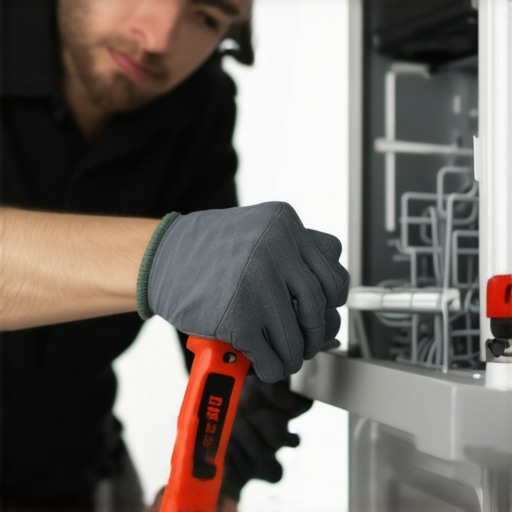
Inspect hoses, seals, and spray arms periodically. Replace worn parts promptly to prevent breakdowns. Check this guide for signs that parts need replacing. I caught a deteriorating door seal early this way, avoiding water leaks and preserving my warranty coverage.
< >
>
Using high-quality, compatible parts, installing them correctly, and maintaining your dishwasher diligently are key to ensuring long-lasting performance and valid warranty coverage. Remember, following manufacturer guidelines and keeping detailed records can save you time and money in the long run.
Many homeowners assume that selecting the right parts and following basic installation steps are enough to ensure their dishwasher’s longevity and warranty coverage. However, the real nuance lies in understanding the common pitfalls and misconceptions that can sabotage your efforts. Let’s dig deeper into what most people get wrong about parts, installation, and warranties, and how to avoid costly mistakes.
Why Overconfidence Can Backfire During Installation
One of the biggest myths is that DIY installation is straightforward and forgiving. While it’s true that many parts are designed for user-friendly assembly, overlooking detailed instructions can lead to issues that void your warranty. For example, improper sealing of water connections or using incompatible hoses may seem minor but can cause leaks and water damage. These small errors often aren’t obvious immediately but can result in warranty denial if inspected later. Always verify your connections with this detailed guide.
Common Myths About Parts Compatibility and Quality
Many believe that off-brand or generic parts are a cost-saving solution. In reality, they can be a trap. Non-genuine parts might not meet the exact specifications required by your dishwasher, leading to premature failure or leaks that void your warranty. Genuine, manufacturer-approved components are tested for compatibility and durability. For instance, using an off-brand inlet valve might seem harmless but can cause leaks or motor issues, which are often not covered under warranty. To ensure you’re using the right parts, consult this resource.
How Overlooking Fine Details Can Derail Your Warranty
It’s easy to focus on big-picture tasks like connecting water and power but forget the small details that matter. For example, tightening fittings just enough without over-tightening prevents damage to threads and seals. Similarly, not running a test cycle after installation can let unnoticed leaks go unaddressed, risking water damage and warranty issues. Documentation is another often-overlooked step; keeping records of parts used, photos of the installation, and receipts can streamline warranty claims. For more on this, see this guide.
What Advanced DIYers Should Know About Warranty Coverage and Maintenance
Beyond basic installation, experienced users should understand the nuances of warranty policies. Not all parts are covered equally, and some warranties require regular maintenance or specific part replacements to remain valid. For example, replacing worn-out spray arms or seals promptly, as suggested in this article, ensures ongoing performance and warranty compliance. Neglecting these details can lead to denying warranty service when repairs are needed.
In conclusion, the key to protecting your investment is not just following instructions but understanding the fine print and avoiding common traps. Remember, even small mistakes can have big consequences. Have you ever fallen into this trap? Let me know in the comments.
Keeping your dishwasher running smoothly over the years requires more than just initial installation. Investing in the right tools and adopting effective maintenance routines can significantly extend the lifespan of your appliance and ensure warranty coverage remains valid. In this post, I’ll share my personal favorites and practical tips to help you stay ahead of common issues and avoid costly repairs.
Why Having the Right Tools Matters
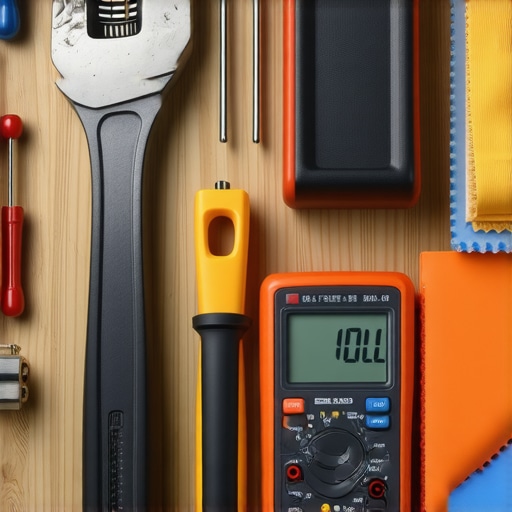
When it comes to maintaining your dishwasher, having a few specialized tools makes all the difference. I personally rely on a quality adjustable wrench, a set of gasket scrapers, and a digital multimeter. The adjustable wrench allows me to tighten fittings securely without over-tightening, which can damage threads or seals. A gasket scraper is invaluable for removing old, worn seals before installing new ones, ensuring a proper seal and preventing leaks. The digital multimeter helps me diagnose electrical issues quickly, saving time and preventing unnecessary part replacements.
Another tool I swear by is a flexible, lint-free microfiber cloth. It’s perfect for cleaning spray arms and filters without scratching surfaces. Regular cleaning of these parts is essential for optimal performance and can prevent breakdowns that might void your warranty. I also keep a small bottle of food-grade silicone spray on hand to lubricate moving parts gently, which reduces wear and tear over time.
Software and Diagnostic Devices
For more advanced troubleshooting, I use a diagnostic code reader compatible with my dishwasher. These devices connect via Wi-Fi or Bluetooth and provide detailed error reports, making it easier to identify whether a part needs replacing or if a simple reset will do. As appliances become smarter, these tools are becoming more affordable and accessible, and they help ensure you don’t overlook minor issues that could escalate if ignored.
Looking ahead, I predict that diagnostic tools will become even more integrated with mobile apps, providing real-time alerts and maintenance tips. Staying connected to your appliance’s health remotely means you can catch problems early and plan repairs before major failures occur.
How do I maintain my dishwasher over time?
Consistent maintenance is the key to long-lasting performance. I recommend scheduling a thorough check-up every six months. This includes inspecting hoses for cracks or leaks, replacing worn-out seals, and cleaning filters and spray arms. When replacing parts, always consult this guide to determine the right timing and parts for your model. Using genuine components and proper tools ensures your warranty stays valid and your dishwasher performs reliably.
Finally, document every maintenance activity, including the date, parts replaced, and any diagnostics run. Having a detailed record can simplify warranty claims and future troubleshooting. Remember, a proactive approach not only saves you money but also provides peace of mind knowing your dishwasher is in top shape for years to come.
< >
>
What I Wish I Knew About Parts and Installation Before I Started
- One of the biggest lessons I learned was that even small mistakes during installation, like not tightening fittings properly, can void your warranty. Taking the time to double-check connections saved me from future headaches.
- Choosing genuine, manufacturer-approved parts might seem expensive upfront, but it pays off in the long run by preventing leaks and breakdowns that off-brand parts often cause.
- My most surprising discovery was how regular maintenance—like cleaning spray arms and inspecting hoses—can extend the life of your dishwasher and protect your warranty.
- Getting professional advice or consulting detailed guides from trusted sources helped me avoid common pitfalls, especially when troubleshooting complex issues.
- Document everything—keep receipts, photos, and records of parts used. This made warranty claims smoother and faster when issues arose.
My Favorite Tools and Resources for a Hassle-Free Dishwasher Journey
- High-quality adjustable wrench – essential for tightening fittings without damage. I trust the ones from [this brand] for their durability.
- A digital multimeter – invaluable for electrical troubleshooting, saving me time and money. I recommend [this model] for its accuracy and ease of use.
- Gasket scrapers and cleaning brushes – keep spray arms and seals in top shape. I swear by [these brands] for their effectiveness.
- Diagnostic code readers compatible with smart dishwashers – they provide quick error insights. I use [this device] for its reliable performance and app integration.
- Online guides and tutorials from Appliance Doctorz and other trusted sources help me stay informed and confident in my maintenance routine.
Your Next Step Towards Dishwasher Confidence and Longevity
Remember, mastering the art of proper parts selection, precise installation, and diligent maintenance transforms your dishwasher from a potential headache into a long-lasting, worry-free appliance. Don’t let small mistakes undermine your warranty or cause costly repairs. Start today by applying what you’ve learned, and enjoy the peace of mind that comes with being an informed DIYer. Have you ever struggled with a simple installation step? Share your experience below and let’s learn together!
Related Posts
Top Warranty Policies & Parts for Reliable Smart Dishwashers in 2025
Ever had that sinking feeling when your smart dishwasher suddenly…
Essential Warranty and Parts Tips for Smart Dishwasher Reliability
My Journey into Dishwasher Reliability and the Power of Proper…
DIY Repair Proof: How to Save Your 2026 Warranty After a Part Swap
It was late one evening when I finally decided to…