
It was late one evening when my dishwasher suddenly stopped mid-cycle, and I was hit with that sinking feeling—another repair bill looming. I had no clue whether the control board was to blame or if it was something simpler, but the thought of calling a professional felt overwhelming and expensive. Sound familiar? Many of us face these moments of uncertainty, especially when dealing with appliances that seem designed to keep us in the dark.
Why You Should Feel Confident Testing Your Control Board Now
If you’re like me, you probably wish there was a straightforward way to diagnose issues without waiting for a technician to show up. The good news is, with a bit of guidance, testing your control board becomes a manageable task. Knowing how to troubleshoot can save you time, money, and the frustration of unnecessary repairs. Plus, gaining this skill empowers you to take better care of your appliances, prolonging their lifespan and maintaining your warranty coverage. According to a report from the Environmental Protection Agency, proper maintenance and early diagnosis can extend the life of major appliances by up to 50%, which saves money and reduces waste.
Is It Actually Worth the Hype to Test Control Boards Yourself?
Now, I know some might be skeptical—”Can I really test a control board without being a repair expert?” Absolutely. Early in my troubleshooting journey, I too made the mistake of assuming only professionals could handle this. That was a costly error, as I overlooked simple checks that could have saved me a lot of hassle. The key is understanding the basics and knowing where to look. For comprehensive advice, I recommend reviewing detailed guides on appliance troubleshooting, like this expert advice on dishwasher troubleshooting.}
If you’re tired of waiting and want to start diagnosing your dishwasher or washing machine control boards today, stay with me. We’ll walk through practical steps, from preliminary checks to testing techniques, so you can gain clarity and confidence in handling your appliances. Before diving in, consider whether your issue might be due to a common part failure or wiring problem—often, issues can be solved with just a few adjustments or replacements. Ready? Let’s get started.
Disconnect Power and Access the Control Board
Start by unplugging your dishwasher or turning off its circuit breaker to ensure safety, just like removing a car battery before repair. Open the panel that houses the control board, often at the top or behind the kick plate. Use a screwdriver to remove screws and gently lift the panel, being cautious not to damage wires. I once neglected this step, and a sudden spark made me realize the importance of disconnecting power before any inspection.
Inspect for Visible Damage and Clean the Board
Look for burnt components, corrosion, or broken solder joints—these are clear signs of failure. Use compressed air to remove dust and debris, which can cause false readings. During a past attempt, dirt obscured the corrosion, making it look like the board was fine. Cleaning revealed the damage underneath, saving me from unnecessary part replacement.
Identify Critical Components to Test
Focus on relays, capacitors, and microcontrollers—these are the heart of the control logic. Refer to this guide for detailed component roles. Use a multimeter set to resistance for testing relays and capacitors. Remember, a common mistake is testing with the machine powered, which can damage your tools or provide invalid readings.
Test the Circuit with a Multimeter
Set your multimeter to measure voltage or resistance. For relays, check if the coil pin receives voltage during operation; if not, the relay might be faulty. For capacitors, measure resistance; if it reads infinite or zero, replace it. When I did this, I found a capacitor with no resistance, indicating it had failed, which explained the dishwasher’s non-functionality. Be sure to consult your specific control board’s wiring diagram for accurate testing points.
Check for Power Continuity and Proper Grounding
Ensure that power reaches the control board without interruptions. Use your multimeter’s continuity mode to verify wiring connections, especially ground connections. Poor grounding can mimic control board failure, leading to unnecessary replacements. I once traced a non-working dishwasher to a loose ground wire, not the board itself. Tightening connections restored operation, saving me money.
Reassemble and Test the Unit
After confirming the control board’s health, reassemble everything carefully, ensuring all screws and wires are securely in place. Restore power and run a short cycle to observe performance. If the dishwasher operates normally, the issue was likely a simple connection; if it still malfunctions, the control board may indeed need replacement. Remember, some control boards are covered under warranty; check warranty coverage before purchasing a new part.
When it comes to installing dishwashers and understanding warranty coverage, many homeowners operate under misconceptions that can cost them time and money. Let’s dig deeper into some commonly misunderstood aspects and reveal the nuances that can make a significant difference in your appliance’s performance and longevity.
Myth: All Warranty Coverage Is Equal—Think Again
A widespread misconception is that once you buy a dishwasher, the warranty will cover any part or repair needed. However, warranty policies vary greatly; some exclude certain parts, like water inlet valves or control boards, and may require professional installation to qualify for coverage. Always review the warranty coverage details before installation. A common trap is assuming that DIY installation won’t affect warranty eligibility. Manufacturers often specify that improper installation can void parts of the coverage, especially if non-approved parts are used or connections aren’t correctly made. In my experience, adherence to manufacturer recommendations and using authentic parts is crucial for maintaining warranty integrity.
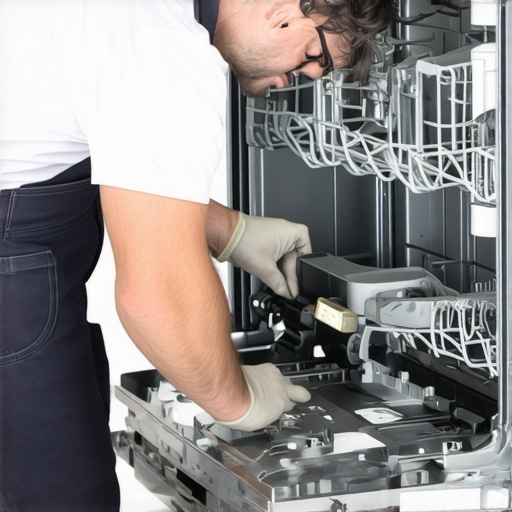
Understanding the exact coverage and requirements helps prevent surprises when repair time comes. Did you know that some warranties exclude coverages for damage caused by improper wiring or grounding? Consulting the manufacturer’s manual or a professional installer can ensure you stay within warranty parameters, and referencing guides like maximizing warranty coverage can guide you through the process.
Installation: The Nuances That Save You Future Headaches
Many overlook the importance of precise drainage setup or correct leveling, leading to costly problems down the line. For example, improper drain hose placement might cause backflow or leaks, which are often mistaken for appliance failure. Following detailed tips from sources like top installation tips can prevent these issues. Additionally, securing proper electrical connections, including ground wiring, is vital to avoid damage or safety hazards. An advanced mistake is using undersized circuit breakers, which can trip frequently and damage the control board, costing you more than a professional inspection upfront. Paying attention to the nuts and bolts of installation—such as ensuring correct water pressure and avoiding kinks in supply lines—can extend your dishwasher’s lifespan significantly.
Never underestimate how small details impact long-term performance. Remember, a proper installation isn’t just about immediate functionality; it’s an investment in durability. When in doubt, referring to comprehensive guides like checking the right parts during installation can help ensure no critical step is overlooked.
Are You Sabotaging Your Warranty Without Knowing?
Some homeowners unknowingly sabotage their warranty by tampering with parts or DIY repairs beyond their skill level. For example, replacing control boards with counterfeit or incompatible parts can void warranty coverage and impair functionality. The subtlety is that some warranties only cover parts installed or serviced by certified technicians. Falling into this trap can mean paying out-of-pocket for repairs that could have been covered. To avoid this, always verify parts compatibility via trusted sources like warranty restrictions on parts and seek professional advice when unsure.
Next, ensure you keep detailed maintenance records and photographs of installations or repairs. Having a clear paper trail can strengthen your claim if issues arise. It’s an often-overlooked step that can be a game-changer during warranty disputes. Have you ever fallen into this trap? Let me know in the comments.
Invest in Quality Diagnostic Tools for Longevity
Having reliable diagnostic equipment can make the difference between quick, effective repairs and costly guesswork. I personally recommend a digital multimeter with auto-ranging capabilities—I’ve found models like the Fluke 115 to be invaluable because of their durability and accuracy when testing control boards and electrical connections. Additionally, an insulation resistance tester can help assess the integrity of wiring insulation, preventing future shorts or failures. These tools, combined with a good owner’s manual, enable precise troubleshooting, which is essential to preserve your warranty and extend the appliance’s lifespan. As trends in appliance diagnostics pivot toward smart sensors and IoT integration, investing in compatible diagnostic apps and compatible devices will become increasingly important, so stay tuned for future upgrades.
Practicing Routine Maintenance Saves Money
Consistently performing preventive maintenance is the best way to keep your dishwasher functioning optimally over the long term. Clear out debris from filters and check spray arms monthly, preventing clogs that can strain parts or cause leaks. Use an ultrasonic cleaner periodically to remove mineral deposits from critical components like sensors and filters—they’re surprisingly affordable and effective at restoring performance. Regularly inspect inlet valves and replace worn-out hoses, especially if you notice any water pressure issues. These simple steps reduce the risk of unexpected breakdowns, which can undermine your warranty coverage. Moreover, proper maintenance minimizes wear on parts, which is critical as some components, like control boards, are costly to replace and are covered under warranty only if installed and used correctly.
How do I maintain my dishwasher’s performance over time?
To sustain your appliance’s efficiency, establish a routine schedule for inspecting, cleaning, and replacing worn parts. For instance, check the control board connections every six months—loose wires can mimic control failures and lead to unnecessary replacements. Keep detailed records of maintenance activities and repairs; this documentation is often valuable if warranty claims need to be substantiated, especially when dealing with complex parts like microcontrollers. Using quality replacement parts from trusted sources, such as those outlined in warranty coverage guides, ensures compatibility and maintains warranty validity. Additionally, consider scheduling professional inspections every year to catch issues early, especially if your unit is high-end or has advanced sensors that may drift out of calibration over time.
Scaling Up: preparing for future upgrades and maintenance
As appliances become smarter, having the right tools and knowledge to perform firmware updates and sensor calibration will be crucial. Keep abreast of manufacturer firmware patches and updates, which can improve efficiency and fix bugs—consult official tech support sites or trusted repair guides to stay informed. For larger-scale needs, investing in a portable Wi-Fi analyzer can help ensure your smart dishwasher maintains a solid connection, preventing miscommunication that could lead to error codes or service interruptions. Also, planning for part replacements ahead of time—by understanding which components are most prone to failure from their lifespan estimates—allows you to optimize downtime and repair costs. Remember, proactive maintenance is always cheaper and less stressful than reactive repairs.
Try This Advanced Maintenance Hack Today
To give your dishwasher a performance boost, try running a vinegar rinse cycle monthly, especially if you have hard water. This helps dissolve mineral buildup on sensors, spray arms, and filters, ensuring optimal water flow and cleaning. For maximum effect, pour a cup of white vinegar into the bottom and run a hot cycle without dishes. This simple step can extend the life of your parts and improve cleaning quality, often eliminating minor operational glitches before they escalate. Incorporate this into your routine to keep your appliance operating like new—your warranty and wallet will thank you. Need more tips on Parts to check when installing a dishwasher or maintaining it? Visit this detailed guide to ensure you’re always covered.
What I Would Do Differently After My First Control Board Fix
I now realize the importance of thoroughly inspecting wiring connections before replacing any parts—many issues stem from simple loose wires or corrosion, not the control board itself. That lesson saved me both time and money in subsequent repairs.
The Unexpected Cost-Saving Hack That Changed My Approach
Regularly cleaning and testing components with a multimeter has empowered me to identify failing parts early, preventing costly breakdowns. Investing in good diagnostic tools has proved invaluable in maintaining appliance longevity and warranty compliance.
Why Overlooking Small Details Can Cost Big Time
My biggest oversight was neglecting to verify proper grounding and power continuity. Ensuring these basics are correct can often resolve issues without replacing expensive control boards, preserving warranty coverage and your budget.
Curated Tools and Resources That Make Troubleshooting Easier
To streamline diagnostics, I recommend a reliable multimeter like the Fluke 115, which offers accuracy and durability. Supplement this with trusted guides such as essential parts troubleshooting for step-by-step assistance. Finally, online forums and community groups provide practical tips and shared experiences that can guide your repair journey.
Your Step Forward Toward Empowered Appliance Care
Armed with the right knowledge and tools, you can confidently diagnose and fix dishwasher issues, saving yourself money and extending your appliance’s life. Don’t wait for experts—start testing your control board today and take control of your appliance maintenance.
Related Posts
The $12 Surge Protector That Saves Your Dishwasher Control Board
It hit me one morning as I stood in my…
How to Replace a Clogged Inlet Filter Screen
I vividly remember the moment I realized my dishwasher wasn't…

How to Protect Your Dishwasher from Winter Pipe Freezes
It was a cold winter night when I woke up…