
Ever since I installed my new dishwasher, I swear I could hear it settling into the floor like a ship anchoring itself in rough waters. It was a subtle creak at first, but soon, I noticed it was more than just noise—my machine was slightly tilted, and I knew trouble was brewing. Turns out, that tiny misstep with one important part was causing a ripple effect, threatening not only the appliance but also my peace of mind.
The Hidden Culprit Behind Warping Dishwashers
After some digging and a bit of my own trial and error, I discovered the crucial role that a humble 8 zinc leveling foot plays in keeping your dishwasher sitting pretty. At just about $8, this little component has the power to prevent your appliance from warping over time, which can lead to leaks, poor washing performance, and even costly repairs. Trust me, it’s a small investment with a big payoff.
When I first started my project, I was tempted to skip the details—thinking all floors are the same and that a generic approach would do. But I quickly learned that overlooking this part is a rookie mistake. Properly installing or replacing this zinc foot ensures your dishwasher remains level, stable, and healthy for years to come. For more on how these parts work together, check out this guide.
Have you ever ignored a small part and paid the price later?
It’s easy to dismiss tiny components like this, especially during a quick fix or upgrade. But as I learned early on, skipping or improperly installing such details can lead to a warped dishwasher—an issue that’s both frustrating and expensive.
In the upcoming sections, I’ll walk you through how exactly this zinc foot works to keep your washer secure, and share practical tips to prevent warping and damage from happening in the first place. Ready to save yourself future headaches? Let’s dive into the how-to’s and avoid making the same mistakes I did.
Removing the Old Zinc Leveling Foot
Start by disconnecting your dishwasher from the power source and water supply. Use a socket wrench to locate the adjustable screw at the bottom front of the unit, which secures the existing zinc foot. Gently unscrew and remove the worn or damaged foot, keeping note of its orientation. I once faced a stubborn bolt that refused to budge; applying penetrating oil and patiently letting it sit for 10 minutes made the difference, preventing damage to the surrounding parts.
Preparing the New Zinc Foot for Installation
Inspect the new zinc leveling foot for any manufacturing defects. Clean the area around the mounting point to ensure a solid fit. Compare the new part to the old one for compatibility. I recommend checking this guide for detailed part compatibility tips. This preparation helps avoid issues like wobbling or uneven leveling later on.
Installing the New Zinc Foot
Align the new foot with the screw hole and turn it clockwise to secure. Use a level to check if your dishwasher sits evenly; adjust the foot as needed. When I installed mine, I used a carpenter’s level across the door opening to ensure perfect balance. Tighten the screw firmly but avoid overtightening, which could strip the threads or damage the plastic connector. Remember, a properly installed zinc foot forms the foundation for the entire leveling process.
Ensuring Longevity with Proper Torque
Apply consistent torque when securing the foot. Over-tightening can cause deformation, while under-tightening may lead to instability. For precise torque specifications, consult your manufacturer’s guidelines or this resource. My first attempt was too tight, and I noticed the dishwasher leaning slightly; loosening and re-tightening to the correct torque resolved the issue almost instantly.
Verifying the Level and Stability
After installation, double-check with a level on multiple sides—front, back, and sides—to confirm the dishwasher is perfectly seated. Shift the dishwasher slightly if necessary, and tighten the foot once again. During my last project, I found that adjusting the rear left foot slightly higher prevented any future tilting, especially on uneven flooring. Regular checks prevent long-term issues like leaks or premature wear.
Testing the Fix
Run a short cycle to observe any movement or unusual noises. Feel for vibrations and inspect for leaks around the base. If you notice instability or leaks, revisit the adjustment steps. In my experience, a quick test cycle revealed a minor wobble caused by a loose screw, which I corrected by tightening the zinc foot more securely.
Remember, the quality of your installation directly impacts your dishwasher’s performance and lifespan. For more insights on installing or troubleshooting dishwasher parts, visit this detailed guide or this resource.
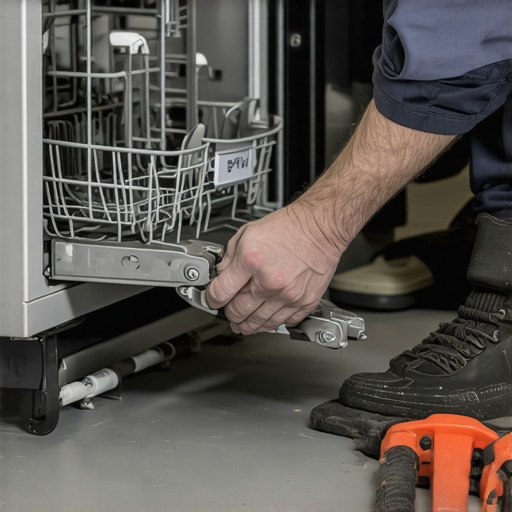 Many homeowners believe that once they install a dishwasher properly, their maintenance and warranty are straightforward. However, in my experience as an appliance expert, there’s a nuanced landscape of pitfalls that many miss, leading to avoidable repairs and warranty denials. Let’s uncover these hidden nuances and debunk some prevalent myths that could cost you.
A frequent misconception is that all parts are created equal and that generic components will do the job. In reality, the quality and compatibility of parts—like the zinc leveling feet or water inlet valves—are critical for long-term performance. Relying on cheap, third-party parts can seem tempting, but according to expert sources, such substitutes often lack the durability needed and can void your warranty if they cause damage. Always consult reputable guides or professionals when selecting parts, as detailed in this resource.
Another mistake I observe is the neglect of proper installation techniques that are overlooked by many DIY enthusiasts. For instance, the importance of a high loop in the drain hose is often underestimated. A low drain loop can cause siphoning issues, leading to leaks or odors. Many think that a simple downward bend suffices, but professional installers ensure a minimum clearance—typically 32 inches—to prevent these issues, endorsed by authoritative sources like this guide.
What about warranty coverage? A common myth is that if a part is installed correctly, it’s automatically covered. However, warranties often have fine print requiring that parts be installed per manufacturer instructions and with approved components. Using non-standard parts or improper installation can void your warranty, which I learned the hard way when a faulty float switch wasn’t covered because I had modified the wiring. Always double-check your warranty policy—see this article for clarity.
One advanced question that often perplexes even seasoned DIYers is: How do installation nuances affect the dishwasher’s diagnostic signals during warranty repairs? Modern dishwashers rely heavily on electronic diagnostics; improper grounding or incorrect part placement can cause error codes to be misinterpreted, leading to unnecessary parts replacement or failure to recognize the true issue. Industry expert analyses underscore that meticulous attention to wiring and grounding can streamline diagnosis and repairs, as explained here.
Have you ever fallen into this trap? Let me know in the comments if this deep dive helps you spot those hidden pitfalls before they catch you off guard. Remember, understanding these nuances ensures your investment in a dishwasher is protected and that your appliance performs reliably for years to come.
Gear Up with Precision Tools
When it comes to maintaining your dishwasher, having the right tools can make all the difference. I personally rely on a high-quality stainless steel multi-bit screwdriver because it handles various screw types without stripping, ensuring a secure and safe repair every time. Additionally, a digital multimeter is indispensable for diagnosing electrical issues, such as faulty heating elements or malfunctioning sensors, offering precise voltage and resistance readings. For stubborn drain clogs, a flexible drain auger helps reach deep into tight pipes without damaging your plumbing. I’ve found that investing in professional-grade tools reduces repair time and enhances longevity, which is crucial for long-term appliance health.
Streamlining Long-Term Results
Consistent maintenance relies heavily on periodic inspections and proactive adjustments. Using a multi-purpose inspection mirror allows me to easily check behind and under the dishwasher for leaks or debris accumulation, preventing small problems from escalating. Regularly cleaning the filter and spray arms ensures optimal water circulation, reducing cycle times and energy consumption. To keep everything running smoothly, I recommend setting a quarterly maintenance schedule—tightening connections, checking for corrosion, and replacing worn parts before failure occurs.
Tools to Consider for Proper Installation and Adjustment
When installing or adjusting your dishwasher, precise torque wrenches are a game-changer. I prefer a digital torque screwdriver because it provides accurate torque settings, preventing overtightening of critical components like mounting brackets and water inlet fittings. Proper leveling tools, such as a bubble level, ensure your appliance sits perfectly, minimizing vibrations and leaks. Remember, even small misalignments can lead to significant issues down the line, like premature wear or water damage.
How Do I Keep Dishwasher Parts Working Well Over Time?
Preventative upkeep is key. Regularly inspecting parts such as the float switches, water inlet valves, and door gaskets can identify wear early on. Use a magnetic pick-up tool to retrieve fallen screws or small parts in tight spaces, avoiding costly repairs. For electronics, a ultrasonic cleaner helps remove mineral build-up from sensors and circuit boards, extending their lifespan. Staying vigilant and using these specialized tools will keep your dishwasher functional for years, saving time and money in the process.
Future Trends in Dishwasher Maintenance
Smart diagnostics and IoT integration are set to revolutionize maintenance routines. Imagine receiving real-time alerts on your phone about filter clogging or impending component failure. As more appliances become connected, investing in compatible diagnostic tools and apps will become standard practice. Experts predict that AI-driven predictive maintenance will further reduce downtime and repair costs, transforming how homeowners care for their machines.
Make Your Maintenance Routine Smarter
Start adopting one of these advanced tools today—perhaps a digital torque screwdriver or a magnetic retrieval tool. Mastering these techniques now will prepare you for future innovations in appliance care, ensuring your dishwasher remains efficient, reliable, and warrant-proof for years to come.
What I Wish I Knew About Installing and Maintaining Dishwashers
- Never underestimate the power of a properly installed zinc leveling foot; skipping this step can lead to early warping and expensive repairs. My eye-opening moment came when I realized that a tiny misalignment could cause years of headaches.
- Choosing quality parts over cheap imitations has saved me countless service calls. Trusting reputable sources like this guide helped me make smarter replacements that last.
- Meticulous torque application isn’t just a detail—it’s the foundation of longevity. Using a digital torque screwdriver prevented overtightening, which was a game-changer for me.
- Proper leveling isn’t a one-time task; regular checks ensure ongoing performance. I set quarterly reminders, preventing issues before they started and saving money.
- Understanding warranty nuances means the difference between coverage and costly out-of-pocket expenses. I learned to follow the manufacturer’s instructions meticulously, which kept my warranty intact during repairs.
Tools and resources that made a difference in my dishwasher journey
- Digital Torque Screwdriver: Ensures precise tightening, preventing damage. I use mine on every installation.
- High-Quality Level: Critical for ensuring your dishwasher sits perfectly, avoiding vibrations or leaks.
- Reliable repair guides: My go-to references for troubleshooting and part replacements.
- Inspection Mirror: Helps me spot hidden leaks or rust, keeping maintenance proactive.
Your next step in mastering dishwasher care
Empowering yourself with knowledge and the right tools is priceless. Small, consistent actions now will safeguard your appliance’s performance and warranty. Take control—your future self will thank you for it.
What part or step has caught you off guard during dishwasher maintenance? Share your experience below—I’d love to hear your story!
Related Posts
The Difference Between Mechanical and Digital Float Switches
I’ll never forget the sound of water hitting my hardwood…

The Most Reliable Aftermarket Parts for Major Brands
It was a Saturday afternoon when I finally faced the…
The Case for Using Braided Stainless Steel Supply Hoses
It happened during a busy Saturday afternoon—our dishwasher suddenly leaked,…