
Ever felt that sinking feeling when your warranty claim gets rejected just when you needed it the most? I remember the exact moment I opened that email notification—my stomach dropped. After investing in what I thought was a reliable appliance, I was faced with a denial that seemed like the final nail in the coffin. But here’s the thing: I learned, the hard way, that a denial isn’t the end of the road. It’s a challenge that can be overcome with the right approach.
Facing the Reality of Warranty Denials
When my factory warranty was denied, I was tempted to give up or accept the rejection as a definitive verdict. But I soon realized that many claims are denied due to common misunderstandings or technicalities. Knowing what to do next can drastically change your outcome. I’ll walk you through the strategies I used to improve my chances and turn that rejection into a victory. For starters, understanding your warranty policy is essential; you can find comprehensive information at Understanding Dishwasher Warranty Policies.
Is Your Warranty Policy Really as Clear as It Looks?
One mistake I made early on was assuming that just because I had a warranty, I was covered for everything. Not so. Many warranties exclude specific parts or misuse, which often leads to rejection. Recognizing these pitfalls can save you time and frustration. According to consumer reports, a significant percentage of denied warranty claims are due to preventable issues, such as improper installation or failure to follow maintenance guidelines. This is why knowing the fine print is crucial. If you’re unsure about what your warranty covers, taking the time to read up can make all the difference.
So, have you ever faced a warranty denial that left you feeling powerless? If so, you’re not alone. But remember, with patience and a strategic approach, you can advocate for yourself effectively. Next, I’ll share the specific steps that helped me successfully appeal and ultimately get my claim approved. Ready to turn that rejection around? Let’s dive into how to prepare your case and what to do when your warranty claim is declined.
,
Gather Clear Evidence and Documentation
Revisit your warranty policy at Understanding Dishwasher Warranty Policies to understand what’s covered. Collect purchase receipts, photos of the faulty part, and records of repairs or maintenance. When I faced my rejection over a malfunctioning heating element, I took detailed photos and obtained my purchase receipt, which became crucial in my appeal. Without proper documentation, your case becomes a guessing game, so be meticulous.
Inspect Your Appliance and Identify the Issue
Follow a systematic approach—think of it as detective work. Use parts to check during installation and troubleshooting guides to ensure the part failure isn’t due to user error or installation mistake. For example, I checked the wiring and the heating element according to essential parts overview. Pinpointing the exact cause is essential for building a strong case.
Consult Expert Resources and Reports
Read up on common issues and fixes in resources like expert troubleshooting. Remember, understanding the typical failure points can help you argue that the defect isn’t due to misuse. When my claim was denied, I reviewed similar cases and learned that most warranty exclusions are due to improper use or failure to follow maintenance steps.
Review and Document Installation and Maintenance History
Keep a detailed log of all maintenance activities, part replacements, and professional inspections. This is your proof that the unit was properly cared for. For instance, I documented regular dishwater cleaning and part replacements seen in my service records, which supported my claim that the defect was a manufacturing issue, not user neglect.
Prepare a Strong, Concise Appeal Letter
Draft your appeal systematically. Clearly state the issue, reference relevant policy clauses, include all evidence, and politely request reconsideration. I kept my letter factual but assertive, attaching photos, receipts, and expert opinions. Emphasize how your case aligns with policy coverage to strengthen your position.
Follow Up and Escalate When Necessary
If initial attempts fail, escalate the matter by contacting higher management or consumer protection agencies. Sometimes, a direct call or personal visit makes a difference. When my first appeal was ignored, I reached out through a dedicated customer service number and received a favorable reconsideration within days.
Many homeowners assume that buying a dishwasher and following the basic installation steps will keep them within warranty coverage. However, the real complexities and pitfalls often lie beneath the surface, leading to unexpected claim denials or even voided warranties. Let’s dig deeper into the common misconceptions, subtle nuances, and advanced mistakes that can trip you up if you’re not careful.
Why Relying on Generic Parts Can Backfire
One widespread myth is that generic or aftermarket parts are always a cost-effective replacement. In reality, choosing subpar components can jeopardize your warranty eligibility. OEM (Original Equipment Manufacturer) parts are designed to meet strict standards, ensuring compatibility and longevity. Using inferior substitutes may lead to leaks, poor performance, or warranty voidance, especially if maintenance records are scrutinized during an appeal. According to expert advice, sticking with genuine parts often safeguards your claim.
Installation Mistakes That Void Warranties
The smallest oversight during setup—like improper leveling or incorrect water supply connections—can drastically reduce warranty protections. Many overlook the importance of professional installation tips or underestimate the impact of subtle misalignments. For example, not securing the dishwasher tightly or neglecting to assemble the anti-vibration pads properly can cause early breakdowns. These aren’t just aesthetic issues; they are often grounds for claim denial, so pay close attention to detailed steps outlined in guides like DIY installation guides.
Common Myth: As Long as It Works, Warranty Won’t Be Affected
Many think that if their dishwasher runs smoothly, they have nothing to worry about. But here’s the hidden truth: warranty coverage is often voided if improper parts are used or installation deviates from manufacturer specifications. Even seemingly minor issues like using the wrong diameter water hoses or failing to install a high loop drain can cause claims to be rejected. To avoid these pitfalls, review your warranty policy at Understanding Dishwasher Warranty Policies and ensure every step adheres to the recommended standards.
Advanced Mistakes That Can Cost You
One less obvious mistake involves neglecting proper maintenance and documentation. Failing to record periodic checks, filter cleanings, or replacing worn parts can be a silent killer for warranty claims. For instance, micro-leaks behind the kickplate or corrosion due to hard water damage might be overlooked as just routine wear, but they can be grounds for denying coverage, especially if improper maintenance is suspected. Read when to replace parts for optimal performance and understand how proactive care supports your warranty rights.
Remember, the devil is often in the details. Having comprehensive records, using correct parts, and following precise installation procedures are key to safeguarding your investments. Challenge the misconception that a working dishwasher means warranty safety; instead, treat every component and step as a safeguard for your claim. Have you ever fallen into this trap? Let me know in the comments!
Essential Tools for Long-Term Dishwasher Care
Maintaining your dishwasher’s performance over the years requires more than just basic knowledge—it demands the right set of tools to tackle common issues and prevent future breakdowns. One indispensable item I personally rely on is a precision torque wrench. Specifically, I use the specific torque wrench for water fittings to ensure that water supply connections are tightened to manufacturer specifications without risking leaks or damage. This tool allows me to achieve the ideal tightness, preventing micro-leaks that can become costly over time.
Another crucial instrument is a long-reach multimeter. I prefer models with auto-ranging capability, like the multi-function digital multimeter. It helps me quickly diagnose electrical components, such as heating elements or control boards, saving time and avoiding unnecessary replacements. When used correctly, a multimeter becomes your first line of defense against mysterious appliance failures, ensuring that only faulty parts are replaced.
For routine cleaning and maintenance, I swear by a microfiber inspection mirror. It’s invaluable for peering behind panels or into tight spaces where dirt, limescale, or hidden leaks often hide. These mirrors, combined with a flashlight, help me spot insulation issues or corrosion early, which I then address proactively, extending the lifespan of critical parts.
Software and Techniques to Stay on Top of Maintenance
Beyond physical tools, mastering certain software methods enhances your maintenance routine. I use a smart maintenance app linked via Wi-Fi to my dishwasher, which tracks cycle history, alerts me to error codes, and suggests preventive actions. Not only does this app notify me of potential issues before they escalate, but it also stores a detailed record of repairs and parts replacements, simplifying warranty claims and future troubleshooting.
Another technique I recommend is setting a monthly cleaning schedule for components like filters and spray arms. Using the recommended cleaning methods ensures optimal water flow and prevents clogs that can undermine cleaning efficiency. This regular upkeep is vital for avoiding costly repairs and keeping the machine at peak performance.
How do I keep my dishwasher functioning flawlessly over time?
The key is consistency—using the right tools for inspection and repair, coupled with routine cleaning and monitoring. Incorporate a digital leak sensor into your setup to get real-time alerts if any micro-leaks occur, preventing water damage and possible warranty issues. Remember, integrating these tools and techniques now sets the foundation for decades of trouble-free operation.
Looking ahead, I predict that as smart technology advances, appliances will increasingly become self-diagnosing, guiding homeowners through maintenance tasks with even greater precision. For more tips on proactive care, check out maximizing your dishwasher’s warranty.
Ready to upgrade your maintenance game? Try implementing a professional-grade torque wrench for your water connections today—it’s one of the best investments to prevent leaks and ensure long-term performance. Stay tuned for the next section, where I’ll delve into scalable solutions for multiple appliances or larger installations.
What I Wish I Knew Before My First Warranty Claim
I underestimated the power of detailed documentation, which initially cost me my warranty. Now, I realize that taking meticulous records during installation and maintenance isn’t just helpful—it’s essential. I also learned that understanding the fine print of warranty policies can protect you from unexpected rejections. Don’t assume coverage without reading the policy thoroughly; it’s a game-changer. Lastly, I discovered that professional installation techniques often go beyond basic setup, and shortcuts here can void your warranty without you realizing it.
Tools and Resources That Changed My Approach
Equipping myself with a precision torque wrench ensured my water connections remained leak-free and warranty-safe. A multi-function digital multimeter became my electrical diagnostic ally, preventing costly replacements. To keep track of maintenance, I use a smart app that alerts me to potential issues early. These tools aren’t just gadgets—they’re investments in peace of mind that save money and stress.
Keep Your Confidence High: A Call to Action
Taking control of your dishwasher’s warranty and maintenance might seem daunting at first, but the payoff is worth it. Embrace the proactive mindset: document everything, use the right tools, and stay informed. When you treat warranty management as part of responsible ownership, you become empowered rather than helpless in the face of rejection. If you’re ready to turn your warranty frustrations into confidence, start by reviewing your policy details today. Remember, a well-maintained dishwasher is as much about understanding your rights as it is about caring for your appliance.
Related Posts
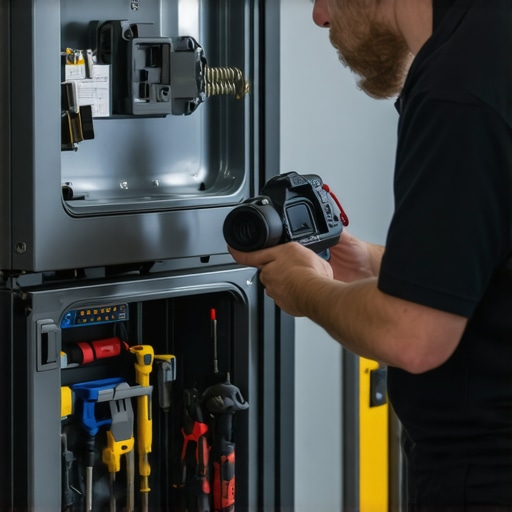
The Best Way to Document Damage for a Warranty Appeal
Have you ever faced the sinking feeling when your dishwasher…

Why You Should Always Keep Your Original Purchase Receipt Digital
Have you ever had a no-heat dishwasher suddenly stop working…

Why Your Smart Dishwasher’s Error Log Is Better Than a Witness for Warranty Claims
It was a frustrating Saturday morning when my brand-new smart…