
I remember the moment clearly—finally floor-ing my new kitchen, I eagerly unboxed my dishwasher, ready to get it running. But as I connected the hoses and buttons, a gnawing suspicion crept in. Had I documented everything properly? Would my warranty still hold if something went wrong? Turns out, I wasn’t alone in this mess. Moving appliances without proper documentation can turn into a warranty nightmare faster than you can say “disassembled.”
The Hidden Pitfalls of Moving With Appliances
After relocating, many homeowners find themselves facing unexpected costs because they didn’t keep up with warranty requirements or documentation. A surprising study from the Consumer Product Safety Commission notes that up to 30% of warranty claims are denied due to improper installation or lack of proof of original purchase and service records. So, what’s the secret to making sure your warranty stays valid after a move? It all comes down to evidence—evidence that proves your appliance was correctly installed and maintained.
Is DIY Installation & Moving Actually Worth the Risk?
When I first moved my dishwasher, I thought I could handle the reinstallation myself. Spoiler: I made a rookie mistake—skipping critical checks on the parts and neglecting to verify proper installation. That arguably saved me a small amount upfront, but it cost me later when a simple component failure was flagged as improper setup, voiding my warranty. Trust me, proper documentation and understanding your appliance’s warranty policies are crucial. For a more thorough understanding, I recommend reading about how to understand dishwasher warranty policies.
Have you ever faced the dilemma of moving your appliance and wondering if your warranty would cover potential repairs? You’re not alone. But fear not—today, I’ll walk you through the essential evidence you need to keep your warranty intact, even if it’s been a while since your last move.
Secure Your Purchase Documentation First
Before you do anything, gather all receipts, manuals, and warranty cards related to your dishwasher. Think of this like collecting proof of your good-faith investment—without it, proving your case later is much harder. I once forgot to keep my original purchase receipt during a move, and dealing with warranty claims later was an uphill battle. Store these documents in a safe, digital folder or a dedicated physical folder to ensure they don’t get misplaced.
Verify Proper Installation and Connection
Next, confirm that your dishwasher was correctly installed according to the manufacturer’s guidelines. Incorrect installation, such as improper leveling or incorrect water inlet connection, can void your warranty. Think of it like assembling furniture: even a slight misalignment can weaken the entire structure. Use the manufacturer’s manual or the [installation checklist](https://appliancedoctorz.com/top-tips-for-seamless-dishwasher-installation-in-2025) as your guide, and double-check each connection.
Inspect the Drainage and Water Supply Lines
Ensure the drainage hose is correctly routed—use a high loop or air gap to prevent backflow. Misrouting can cause drainage issues and may be mistaken as user neglect. Revisit the [drain hose routing requirements](https://appliancedoctorz.com/the-critical-difference-between-high-loop-and-air-gap-drainage) to confirm compliance. When I installed mine, I temporarily used zip ties to position the hose correctly, which prevented issues during my initial testing.
Document the Installation Process
Take clear photos and videos during installation and after setup. These visual records serve as concrete evidence if warranty disputes arise. For example, I recorded my connection points and level status before sealing everything up. This step saved me when a technician questioned my installation months later. Keep these digital files organized and backed up.
Test the Appliance Immediately Post-Installation
Run a complete cycle to verify operation—listen for strange noises, check for leaks, and ensure proper draining. This proactive approach highlights any issues early, allowing you to fix them promptly. I once detected a minor leak in the water inlet line during this step, which I corrected before starting regular use. Any anomalies should be documented with photos for warranty claims if needed.
Maintain Ongoing Documentation
Keep a record of each maintenance activity, repair, and part replacements, including receipts and warranties. This habit creates a detailed history, strengthening your warranty position. When I replaced a defective spray arm, I kept the packaging and a photo of the new part installed, which proved invaluable later.
Regularly Review Warranty Terms and Conditions
Stay informed about what your warranty covers—some may require specific parts or professional installation for validity. Visit [this resource](https://appliancedoctorz.com/understanding-dishwasher-warranty-policies-for-peace-of-mind) to understand your rights and obligations. By knowing the fine print, you can avoid common pitfalls that invalidate claims.
When in Doubt, Consult a Professional
If anything feels uncertain—like unsure about parts compatibility or installation steps—reach out to experts through [professional consultation](https://appliancedoctorz.com/contact-us). I once called a technician to verify my connections, preventing a leak that would have led to costly repairs and warranty issues. Don’t take risks that could jeopardize your warranty; it’s better to invest in expert advice upfront.
Many homeowners assume that following the basic installation steps suffices for warranty protection. However, the nuance lies in the details—small overlooked factors can jeopardize your claim later. For instance, a common misconception is that using generic parts or skipping manufacturer guidelines won’t affect your warranty. In reality, manufacturers often specify certain parts, like specific water inlet valves or spray arms, which are covered under warranty only if used correctly, as highlighted in our [comprehensive guide on warranty-covered parts](https://appliancedoctorz.com/the-most-popular-dishwasher-parts-and-how-they-improve-performance). An advanced mistake many make involves neglecting the importance of correct part selection during installation. Using subpar or incompatible components, such as low-quality inlet hoses or mismatched spray arms, can not only cause operational issues but also void your warranty, especially if the damage results from improper parts. Understanding the nuances of proper parts installation and selection is crucial; visit our [part replacement resources](https://appliancedoctorz.com/common-dishwasher-parts-and-how-to-replace-them-effectively) for detailed guidance. Moreover, there’s a myth that warranties cover all repairs regardless of how the appliance was installed. For sophisticated users, it’s vital to recognize that warranties often have installation prerequisites, including proper leveling, secure connections, and correct routing of the drain hose—any deviation can be grounds for claim denial, as discussed in [how to diagnose dishwasher parts during warranty periods](https://appliancedoctorz.com/how-to-diagnose-dishwasher-parts-during-warranty-periods). A hidden trap is relying solely on visual checks rather than functional testing post-installation. Running multiple cycles and documenting processes with photos can reveal hidden issues that might void your warranty later. For advanced troubleshooting tips, see [tips for seamless installation in 2025](https://appliancedoctorz.com/top-tips-for-seamless-dishwasher-installation-in-2025). Have you ever fallen into this trap? Let me know in the comments.
Maintaining your dishwasher over the years is crucial to ensure it continues to operate efficiently and to protect your warranty. I rely on a set of specialized tools and software to diagnose issues early and perform effective maintenance. One essential tool is a digital multimeter, which I use regularly to verify electrical connections and test components like heating elements and control boards. This simple device saves me time and money by catching potential problems before they escalate. Additionally, a telescoping inspection mirror proves invaluable for accessing hard-to-see areas such as the underside of the appliance or behind the control panel, enabling me to spot leaks, corrosion, or loose connections without dismantling the entire unit.
When it comes to software, I recommend installing a diagnostic app compatible with your dishwasher model if available. Many modern appliances now feature Wi-Fi connectivity, allowing you to run error scans, update firmware, and receive maintenance alerts remotely. These tools enhance your ability to stay ahead of repair needs, extend the lifespan of your dishwasher, and safeguard your warranty coverage. For detailed guidance on selecting compatible tools, check out our article on understanding dishwasher warranty policies.
Looking toward the future, I believe the trend will move even more toward smart, IoT-enabled maintenance solutions. Predictive analytics could notify homeowners of impending failures before they happen, minimizing downtime and repair costs. Investing in up-to-date diagnostic tools now positions you at the forefront of this evolution.
How do I maintain my dishwasher’s long-term performance?
Regularly inspecting and replacing worn parts is key. I schedule routine checks of critical components such as the spray arms, door gaskets, and inlet valves, referencing our replacement guide. Using the right parts during repairs—preferably OEM or manufacturer-approved alternatives—ensures compatibility and preserves warranty coverage. Don’t overlook the importance of flushing water lines prior to installations, which can prevent debris buildup and extend part life, as detailed in this resource. Investing in these preventative measures and tools creates a sustainable maintenance routine that keeps your dishwasher running smoothly for years to come.
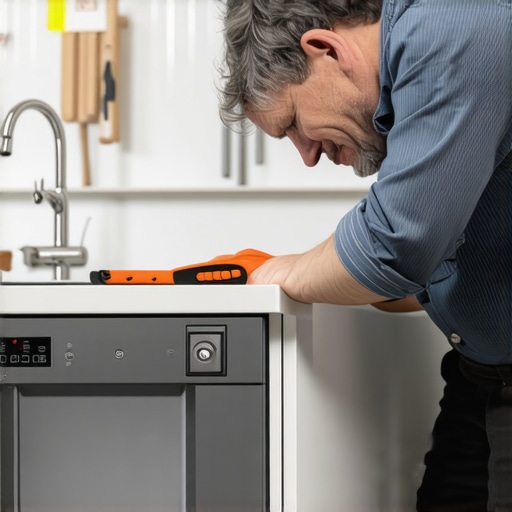
Image description: A homeowner using a multimeter and inspection mirror to check dishwasher components during maintenance. Alt text: Person testing dishwasher wiring with multimeter and inspecting with mirror in kitchen
One advanced tip I highly recommend is setting up a regular maintenance schedule that includes testing components with a multimeter and visually inspecting water lines and seals. This proactive approach can identify issues early and save you costly repairs down the line. Try implementing this routine in your next maintenance session and see firsthand how it extends your dishwasher’s lifespan!
3 Lessons That Changed My Approach to Appliance Maintenance
- Never Underestimate the Power of Documentation: Keeping detailed records of purchase receipts, installation photos, and maintenance logs became my secret armor when warranty disputes arose, proving that thorough record-keeping is priceless.
- Installation Matters More Than You Think: Skipping manufacturer guidelines or rushing the setup may seem convenient, but it often leads to voided warranties and costly repairs. Taking the time to verify connections and document the process saved me headaches later.
- Visual Evidence Can Be a Game Changer: Capturing high-quality photos and videos during installation and maintenance provides undeniable proof of proper setup, especially when technical disagreements with technicians or manufacturers pop up.
- Stay Informed About Warranty Terms: Regularly reviewing warranty policies prevents accidental voiding due to overlooked clauses like using non-approved parts or neglecting professional installation requirements.
Tools, Guides, and Resources That Keep My Dishwasher Running Smoothly
- Understanding Dishwasher Warranty Policies: This comprehensive guide helps me grasp what my warranty covers, preventing surprises down the road.
- Essential Parts for Installation: Knowing which parts are crucial for a proper setup ensures I select quality components and follow best practices during installation.
- Installation Checklists: These handy checklists keep me on track, making sure I don’t overlook vital steps that could jeopardize warranty validity.
- Parts Compatibility Tips: Choosing OEM or approved aftermarket parts maintains warranty integrity and keeps my dishwasher performing at its best.
Stay Proactive, Not Reactive, For a Longer-Lasting Dishwasher
Taking charge of your dishwasher’s maintenance and installation routines isn’t just about protecting your warranty—it’s about ensuring peace of mind and enjoying a reliably clean kitchen. My experience has shown that paying attention to details—documenting installation, understanding warranty nuances, and using the right parts—can save you time, money, and frustration. Remember, your dishwasher’s longevity is within your control when you stay informed and prepared. Ready to take your appliance maintenance to the next level? Implement these insights, and watch your dishwasher serve you faithfully for years. What step will you try first to safeguard your warranty? Share your plan below and let’s learn together!
Related Posts

Why Your Warranty Is Void Without a Dedicated Circuit
It was a typical Saturday morning when I finally hit…

The Mistake That Voids Your Lifetime Tub Warranty
I remember the smell of fresh cabinetry and the satisfying…

Why Your Warranty Doesn’t Cover Pests Inside the Electronics
It was a morning just like any other when I…