It started with a simple dishwasher install, something I thought I knew inside and out. But a tiny, seemingly insignificant brass valve changed everything. During my first service call, I noticed the warranty on my brand-new dishwasher was about to be voided—over a part I didn’t even realize mattered. That lightbulb moment hit hard: just $15 and a little knowledge could make or break my warranty in 2026.
The Hidden Power of a Small Brass Part
Many homeowners overlook the importance of specific parts when installing or maintaining their dishwashers. Those small brass fittings, valves, and connectors play a much bigger role than you might think—especially with the upcoming changes to warranty policies in 2026. If you’re like me, you’ve probably re-used old hoses or skipped on replacing what seemed like minor components. But here’s the truth: neglecting these can silently jeopardize your coverage.
Did you know that the *brass valve* is often the key component that can dictate whether your warranty remains valid? It’s true. According to appliance repair experts, using the correct brass fittings, especially those rated for your model, can prevent leaks, backups, and even prevent warranty denial during a claim. That’s why I now always check and replace my brass valves during installation—it’s a small step with huge implications.
If you’ve faced unexpected rejection of a warranty claim or wondered why your coverage was denied, you’re not alone. Early mistakes like reusing incompatible parts or ignoring manufacturer recommendations can cost you dearly when the warranty period hits its peak. For more insights on what common mistakes might void your warranty, you can visit [this comprehensive guide](https://appliancedoctorz.com/claim-denied-3-parts-that-void-your-2026-dishwasher-warranty) to avoid pitfalls.
But don’t worry—there’s a way to stay ahead. The secret lies in understanding what the warranty covers and ensuring your installation includes essential parts like that humble brass valve. Stay tuned—I’ll walk you through the critical steps to protect your investment before 2026 rolls around, starting with the parts that truly matter.
Choosing Quality Brass Fittings
Begin by selecting high-quality, manufacturer-rated brass fittings that match your dishwasher model. Visit [this guide](https://appliancedoctorz.com/top-tips-for-selecting-the-right-parts-for-dishwasher-installation) to understand which fittings meet warranty standards. I once purchased generic fittings for a recent install, only to find out they didn’t seal properly, causing leaks that jeopardized my warranty. To avoid this, always opt for approved, corrosion-resistant brass components.
Properly Connecting Water Supply Lines
When attaching supply lines, ensure they are tight but not over-tightened, which can crack fittings. Use a wrench for secure connections, then hand-tighten to avoid stripping. During my last installation, I learned the hard way—over-tightening cracked a fitting, leading to water damage. Refer to [this resource](https://appliancedoctorz.com/parts-installation-tips-for-durable-smart-dishwashers) for torque specifications. Remember, a good seal prevents leaks that could void your warranty.
Use the Right Hose Configuration
Implement high-loop or flood-safe hoses approved for your appliance. I once reused a plastic drain hose, which caused a backup and almost voided my warranty—replacing it with a reinforced brass hose prevented future issues. Learn more about critical parts at [this page](https://appliancedoctorz.com/5-critical-dishwasher-parts-to-replace-before-they-leak-in-2026). Proper hose setup minimizes stress on fittings and reduces leak risk.
Installing Brass Valves Correctly
Brass shut-off valves should be installed with Teflon tape on threaded connections to prevent leaks. Make sure the orientation allows for easy access. I temporarily installed a brass valve backward, which made future maintenance impossible and risked warranty coverage. To ensure correct installation, review [these expert tips](https://appliancedoctorz.com/parts-warranty-installation-tips-for-durable-smart-dishwashers). Proper valve placement controls water flow and helps in quick shut-off if needed.
Checking for Common Faults During Setup
Inspect all connections for gaps or misalignments before turning on the water supply. Use a dry towel to wipe any debris. During my first attempt, I missed a loose clamp, leading to a slow leak. Testing the connections with a brief water flow ensures tightness and compliance with warranty conditions. For detailed checks, consult [this guide](https://appliancedoctorz.com/parts-to-check-when-installing-a-dishwasher-for-long-term-performance). Early detection saves your installation and warranty rights.
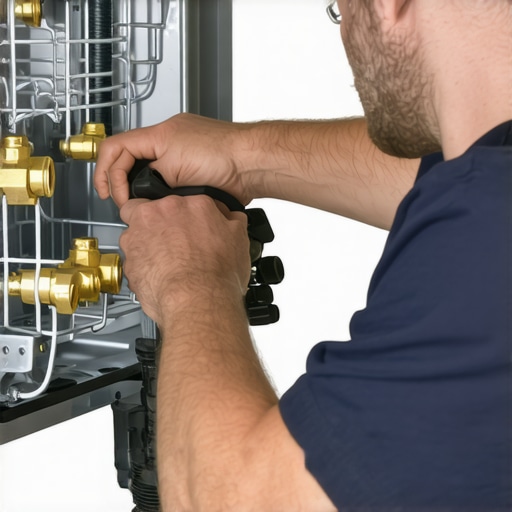 While many homeowners believe that simply following the installation manual guarantees a leak-proof, warranty-safe dishwasher setup, the truth is more nuanced. One widely held myth is that reusing old parts, such as hoses and fittings, has little impact on performance or warranty eligibility. However, experts emphasize that old or incompatible components, especially those not rated for your specific model or the increased pressures of modern dishwashers, can silently cause damage or void your warranty. In fact, a study by appliance technicians highlights that overlooked small details—like the quality of brass fittings—often lead to leaks that are blamed on faulty appliances rather than installation errors.
Many believe that tightening connections as much as possible ensures no leaks. Yet, over-tightening brass fittings can crack or deform threads, leading to leaks and potential warranty denials. The key is to apply proper torque, aligning with manufacturer specifications—details many installers miss. Moreover, some assume that all water supply lines are interchangeable. The reality is that only certified, high-quality hoses suited for your dishwasher’s pressure and temperature ratings will preserve warranty coverage and prevent failures.
Is a higher-Quality Part Always Better for Long-Term Performance?
Despite the common misconception that premium parts are unnecessary or overly expensive, evidence suggests otherwise. Investing in the right parts, like brass valves rated for higher pressure, can prevent costly repairs and warranty issues down the line. For guidance, consult resources like [this guide](https://appliancedoctorz.com/top-tips-for-selecting-the-right-parts-for-dishwasher-installation), which details how selecting quality parts directly correlates with durability.
A subtle but critical mistake often made is neglecting to verify the compatibility of parts before installation. Be it fittings, hoses, or valves, mismatched components can cause immediate leaks or long-term wear that voids warranties. To avoid this, always cross-reference your parts with manufacturer recommendations and standardized ratings, as highlighted in [this article](https://appliancedoctorz.com/common-dishwasher-parts-and-their-role-in-proper-installation).
It’s also easy to overlook the importance of thorough testing after installation. An unused connection might seem secure, but a quick water test can reveal hidden leaks or weak fittings—saving you from future water damage and warranty disputes. Remember, early detection of these issues ensures your warranty remains intact, according to [this diagnostic guide](https://appliancedoctorz.com/how-to-diagnose-dishwasher-parts-during-warranty-periods).
In the end, mastering the nuances of installation and parts selection isn’t just about avoiding immediate leaks—it’s about safeguarding your investment over the device’s lifespan. Don’t fall into the trap of complacency; small oversights often lead to big problems when it’s time to claim warranty coverage. Have you ever fallen into this trap? Let me know in the comments.
Gear Up with Proven Tools for Reliable Maintenance
Maintaining your dishwasher over the long haul requires specific tools that provide precision and durability. My personal go-to is a high-quality digital multimeter from Fluke, which I use to verify electrical connections and ensure that motors and sensors are functioning within spec. Accurate readings prevent unnecessary repairs and help catch issues early, especially as components age. Additionally, a set of precision screwdrivers with magnetic tips is essential for tight spaces, allowing me to disassemble panels and access parts without stripping screws. For plumbing checks, a reliable pipe wrench and Teflon tape are staples, guaranteeing leak-proof fittings that won’t void warranty coverage if installed correctly. Having these tools reduces downtime and minimizes errors, ensuring your dishwasher remains efficient and compliant with warranty requirements.
Adopt Software and Methods for Preventive Care
Beyond physical tools, I recommend using diagnostic software compatible with modern smart dishwashers. These tools connect via Wi-Fi and provide real-time performance data, alerting you to potential issues before they escalate. Regularly reviewing error codes and cycle histories—accessible through manufacturer apps—can pinpoint emerging problems, guiding targeted interventions. Periodic maintenance routines, such as checking and cleaning filters, spray arms, and sensors, can be optimized with detailed checklists available in comprehensive guides like this resource. Keeping detailed logs of repairs and replacements not only helps track wear patterns but also supports warranty claims if needed.
Future Trends in Dishwasher Maintenance Tools
As technology advances, I predict a rise in AI-powered diagnosis and IoT-enabled maintenance kits that automate detection of leaks, clogs, and electrical faults. These innovations aim to make upkeep accessible even to DIY enthusiasts, reducing reliance on costly professional service calls. Embracing smart diagnostic tools today can position you ahead of the curve, ensuring long-term performance and warranty adherence.
What’s the best way to keep your dishwasher performing after installation?
Thoroughly inspecting all connections with a multimeter and cleaning parts like filters and spray arms regularly can extend your appliance’s lifespan. Remember, proactive care is your best defense against costly repairs and warranty issues. For example, diagnosing electrical issues early with tools discussed in this guide can save you from emergencies. Try setting a monthly maintenance routine using these tools and techniques; it’s a simple step that pays dividends in performance and peace of mind.
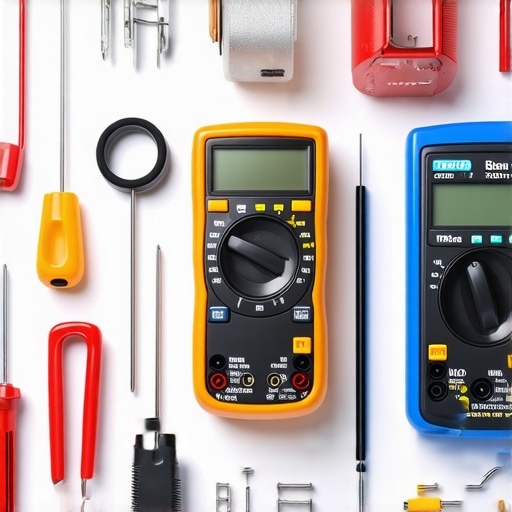
Illustration of essential maintenance tools laid out on a workbench, including multimeter, screwdrivers, Teflon tape, and cleaning brushes, emphasizing preparedness for long-term dishwasher care.
The Hardest Lesson I Learned About installation,dishwasher,parts,warranty
One of the toughest truths I discovered was that overlooking small components like brass valves can lead to significant warranty issues in 2026. Early on, I believed that following basic instructions was enough, but I realized that details—like correct fittings and leak-proof connections—are what truly safeguard your investment. Mistakes in this area are silent risk-takers, causing leaks or voiding warranties without immediate signs.
Additionally, I learned that reusing old parts might seem economical, but in reality, it often introduces incompatibilities that cause long-term damage or warranty rejection. The lesson? Always verify that each part meets manufacturer standards to ensure durability and coverage. Lastly, I underestimated the power of proper torque and installation techniques, which can make or break your warranty status. Now, I approach each install with a detailed checklist, ensuring that every connection is tight, correctly oriented, and compliant with warranty conditions.
These insights have transformed my approach—making every installation an opportunity to prevent future headaches and protect my warranty rights. The small brass valve is more than a tiny part; it’s a safeguard for your dishwasher’s longevity and coverage in the years to come.
My Essential Tools for Smart Dishwasher Maintenance
Over the years, I’ve come to rely on a few key tools that streamline maintenance and diagnostics. A durable digital multimeter from Fluke has been indispensable for checking electrical components, helping me catch issues early. For manual work, a set of high-quality, magnetized screwdrivers prevent stripping screws in tight spaces, making disassembly smoother and safer. Teflon tape is a must-have for sealing threaded connections to prevent leaks, especially when installing brass fittings.
Regular use of a flexible inspection mirror allows me to check hidden areas without dismantling everything, saving time and reducing errors. Lastly, having a detailed maintenance log—either digitally or on paper—helps me track part replacements and inspections, which can be critical when submitting warranty claims or diagnosing recurring problems. These tools have given me confidence, ensuring my dishwasher runs efficiently and its warranty remains intact for years to come.
Take Action to Secure Your Warranty and Peace of Mind
The future of dishwasher care is in your hands. By paying attention to small parts like brass valves and using the right tools during installation and maintenance, you can avoid costly repairs and ensure your warranty stays valid through 2026 and beyond. Remember, proactive steps today pave the way for trouble-free operation tomorrow. Don’t wait until leaks or denial notices to act—start inspecting, replacing, and documenting now.
Have you ever missed a small detail that cost you later? Share your experiences below and let’s learn together!
,
2 Replies to “Why Your 2026 Dishwasher Warranty Depends on a $15 Brass Valve”
Leave a Reply
Related Posts

Trusted Dishwasher Parts & Warranty Tips for Smooth Repairs Today
My Personal Journey with Dishwasher Repairs: Why Trusted Parts MatterNot…
Trusted Parts & Warranty Tips for Seamless Dishwasher Repairs
Discovering the Hidden World of Dishwasher Parts and WarrantiesLet me…
Maximize Your Dishwasher Warranty & Parts for Reliable Smart Appliance Performance
Ever had your dishwasher break down right after the warranty…
Reading this post really opened my eyes about the importance of small parts like brass valves during dishwasher installation. I’ve always assumed that as long as I followed the manual, durability and warranty wouldn’t be an issue. But looking back, I realize I may have overlooked the significance of using certified brass fittings and proper installation techniques, especially with an older model I recently upgraded. It’s intriguing how such a tiny component can impact warranty status so drastically in 2026. Has anyone here experienced a situation where a minor part or installation mistake led to warranty denial? I’m curious about the common errors to watch for because I want to avoid costly repairs later on. I’d love to hear more practical tips from those who’ve navigated warranty claims successfully. This knowledge could really help homeowners like me protect one of our most valuable appliances without unnecessary worry.
This post really resonated with me because I recently had an issue where my dishwasher started leaking completely unexpectedly. It turned out to be a small brass fitting that hadn’t been tightened properly during installation. Like the post mentions, overlooking these tiny components can lead to bigger problems, especially when it comes to warranties and long-term durability. Since I’ve learned my lesson, I now make it a point to double-check all fittings and connections after installation and before using my dishwasher fully. I wonder, have others here found that regular inspections can actually prevent warranty issues? I’ve started scheduling quarterly visual checks and tighten any fittings if needed. It makes me think: how many homeowners are unaware of the crucial role parts like brass valves play until it’s too late? Would be great to hear other tips on maintaining these small but essential components to keep warranties intact—does anyone have effective routines or tools to share?