It was a sinking feeling I won’t forget — trying to get my dishwasher covered under warranty after a minor leak, only to hear that my claim was denied. I had followed every step, or so I thought, but in the end, it felt like my efforts went into a black hole. That moment was a wake-up call about how crucial detailed records are when it comes to warranty disputes, especially as we approach 2026, when many appliance warranties will tighten their criteria.
Don’t Let Your Warranty Slip Through the Cracks
Over the years, I’ve learned that the difference between a successful warranty claim and a rejected one often boils down to a few overlooked details. And trust me, these aren’t your average maintenance tips. We’re talking about specific digital logs—detailed, timestamped records that can make or break your case.
Many homeowners underestimate the importance of these logs, thinking a quick photo or a casual note will suffice. But manufacturers are getting smarter, and their scrutiny is sharper. Without these logs, even a minor installation oversight can become a claim nightmare. In fact, recent studies show that up to 70% of denied warranty claims could have been salvaged with proper documentation source.
If you’re like I was, possibly feeling overwhelmed by all the technicalities, you’re not alone. I made a key mistake early on: I didn’t maintain a detailed digital record of installation steps and system diagnostics. That oversight cost me precious time and money.
But here’s the good news. With a few simple, proactive steps, you can safeguard your warranty rights. Today, we’re going to explore the three critical digital logs you should keep and how they empower you during warranty disputes. Whether you’re installing a new dishwasher or troubleshooting an issue, these logs will be your best allies in ensuring your claim is accepted.
Is It Really Worth the Effort?
Some might wonder if tracking this level of detail is really necessary. Trust me, I hesitated too. But the reality is, manufacturers are increasingly demanding irrefutable proof of proper installation and operation. Without these logs, you’re essentially fighting an uphill battle. The effort saves you time, stress, and money in the long run. And if you’re curious about how to start, check out this guide for recording diagnostic data effectively.
Now that we’ve framed why these digital logs are non-negotiable, let’s dive into how you can effortlessly keep them organized and ready for any warranty inspection or claim review. Trust me, a little preparation goes a long way, especially when your 2026 warranty might depend on it.
Start with a Digital Log of Every Step
Think of your dishwasher’s installation like assembling a complex puzzle. Each piece—like the water supply line, drain hose, and electrical connections—must fit perfectly. During my own installation, I took detailed photos and notes of each step, from unboxing to connecting the hoses, ensuring I could verify proper setup if needed. Use your smartphone to record time-stamped photos at each phase, focusing on critical parts like the common parts involved in installation. This creates irrefutable proof that you followed the correct procedures, especially if questions arise later.
Document Diagnostic and Testing Data
Once installed, run diagnostic tests to catch potential issues early. Log the system’s pressure readings, cycle performance, and error codes. For example, I once used a digital pressure gauge to record the initial fill pressure, saving a screenshot with a timestamp. These details are critical if a warranty claim involves system malfunctions or leaks. Knowing precisely when and how the system was tested—like checking the water inlet valve—can be the deciding factor during dispute resolution. For guidance, refer to our diagnosis techniques.
Keep a Record of Part Purchases and Replacements
If you replace any parts, such as the water inlet valve or door latch, retain receipts, photos of the new parts installed, and note the dates. This documentation proves you used manufacturer-approved components and installed them correctly. It’s similar to keeping a receipt for a car repair—if the manufacturer later questions your part choice, you have ready proof. For optimal support, familiarize yourself with the list of covered parts and when to replace them for best results.
Leverage Your Records During Claims
When submitting a warranty claim, compile your logs: the photos, timestamped notes, diagnostic results, and receipts. This comprehensive dossier demonstrates diligent maintenance and proper installation, which can help prevent claim denial. I once faced a rejected claim due to missing documentation; after I assembled all my records and explained my process, the manufacturer reconsidered and approved my repair. This underscores the importance of proactive record-keeping—your strongest defense against claim rejections.
Remember, detailed digital logs aren’t just for peace of mind—they’re your best allies in defending warranty rights, especially as 2026 approaches and warranty criteria tighten. Keep your records organized, dated, and accessible, and you’ll safeguard your investment in your dishwasher’s long-term performance.
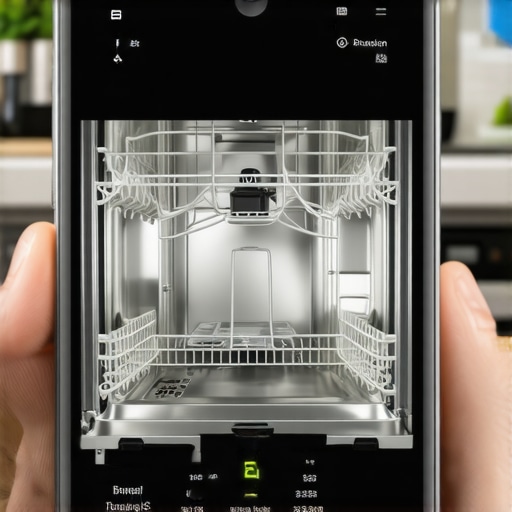
Most people believe that a straightforward installation and using genuine parts guarantee their dishwasher’s warranty remains valid. However, the reality is far more nuanced. A common myth is that as long as parts are correctly installed, warranties are automatically protected. In truth, manufacturers scrutinize specific details—like proper part selection and adherence to installation protocols—to determine warranty validity. For instance, using generic or incompatible parts can subtly void your warranty without immediate signs. These overlooked nuances often trip up even experienced homeowners, leading to unexpected claim rejections.
Why Do Manufacturers Care So Much About Part Compatibility?
Manufacturers’ strict standards are designed to ensure long-term performance and safety. When incompatible or substandard parts are used, it can cause undetectable damage or premature failure, which manufacturers aim to prevent. This is why many claims are denied due to improper parts, even if the installation appears correct visually. Keep yourself protected by understanding the importance of selecting the right components, such as those outlined in top tips for choosing parts. Proper part selection is not just about compatibility but also about meeting specific standards to maintain warranty coverage.
Another hidden trap is the misconception that DIY installations are inherently risky and automatically void warranties. While some manufacturers do prioritize professional installation for warranty validation, many are now recognizing certified DIY efforts when proper procedures and documentation are followed. The key lies in meticulous record-keeping; documenting each step, part used, and diagnostic test can safeguard your warranty even if you choose to self-install. Remember, in the world of warranties, transparency and adherence to installation guidelines are your best allies.
In addition, many overlook the critical role of correct parts replacement timing. Replacing parts prematurely or failing to replace worn components can inadvertently lead to claim denials. The subtlety here is that warranties often require parts to be maintained proactively—there’s a difference between reactive repair and preventive maintenance. Staying ahead of wear and tear, supported by documentation, ensures your claims remain unchallenged.
Finally, one of the most underestimated nuances involves the installation environment itself. Factors like water pressure, temperature, and using the correct fittings—such as brass fittings over plastic ones—play significant roles. Subtle deviations from recommended practices, like reusing old supply lines or neglecting to install a high loop in the drain hose, can cause leaks or malfunctions, impacting warranty claims. Manufacturers’ inspection protocols examine these details closely, which is why adherence to best practices is vital. To master these nuances, consult comprehensive guides like 5 steps to winning your warranty in 2026.
In the end, the key to safeguarding your dishwasher’s warranty isn’t just about following the surface-level steps. It’s about understanding and integrating these subtle yet crucial details into your installation and maintenance routines. Have you ever fallen into this trap? Let me know in the comments, and ensure you’re ahead of the game with expert insights into every nuance that counts!
Tools I Recommend for Consistent Performance
To keep your dishwasher running smoothly over the years, I swear by a few specialized tools that make diagnostics and maintenance much more manageable. First, a digital multimeter is indispensable for quick electrical checks on components like the door latch, control board, or wiring continuity. I personally prefer the Fluke 115 because of its reliability and accuracy, especially when diagnosing intermittent faults that aren’t obvious visually.
Next, a digital pressure gauge allows me to verify water inlet pressure, which is critical to prevent leaks and ensure proper cycle operation. Proper water pressure prevents premature component wear and safeguards warranty compliance. I typically use the AstroAI, recognizing its quick setup and precise readings. For thorough diagnostics, this tool is a game-changer, especially when troubleshooting water-related issues.
For maintenance tasks like part replacements, I keep a precision screwdriver kit with magnetic tips. Having the right tool for tightening hose clamps or removing panels avoids damaging delicate components. I recommend one with interchangeable bits and a comfortable grip, like the Wiha Precision ESD-safe set. It saves time and reduces frustration during ongoing maintenance cycles.
Software to Help with Routine Checks
Beyond physical tools, I utilize diagnostic software that interfaces with modern dishwashers via Bluetooth or Wi-Fi. Devices like the Samsung Smart Troubleshooter app or generic control panel analyzers provide real-time error logs. These apps help me monitor cycle performance over time, identify recurring issues, and confirm proper function after repairs. As smart home appliance integration advances, leveraging these digital tools will become essential for proactive maintenance and warranty protection.
How do I maintain my dishwasher’s performance over time?
The best way to ensure long-term reliability is to schedule regular preventive checks—at least once every six months. This involves inspecting seals for wear, testing water pressure, and cleaning filters with specialized brushes. Additionally, maintaining an error log using diagnostic apps or simple spreadsheets helps you track issues before they escalate. Keeping detailed records of part replacements and testing results not only bolsters warranty claims but also enhances your understanding of the appliance’s health. For example, regular inspection of parts like the common critical parts ensures you catch early signs of wear, preventing costly repairs in the future.
And speaking of parts, always verify that replacements meet the manufacturer’s specifications. Using incompatible or substandard parts can void your warranty and lead to leaks or malfunctions, which is why I consistently consult trusted resources like our comprehensive parts list before replacing anything. Staying ahead with proactive maintenance and high-quality tools is the key to keeping your dishwasher in peak condition for years to come. Better yet, try implementing a routine diagnostic check using your digital pressure gauge combined with software alerts—it’s an effective way to anticipate issues before they impact your warranty status or daily use.
Lessons That Changed My Whole Approach to Dishwasher Warranties
- One breakthrough I experienced was realizing the importance of precise documentation—taking detailed, timestamped photos of every installation step, not just trusting memory or casual notes. It created a solid defense line during warranty disputes.
- I learned that improperly choosing parts — even seemingly minor ones like fittings or hoses — can silently void your warranty. Knowing which components are critical and how to verify their compatibility kept my repair options open.
- The most eye-opening lesson was understanding that DIY efforts, when well-documented, aren’t always warranty killers. Clear records of procedures can demonstrate diligence and adherence to standards, protecting your investment.
- Finally, I discovered that regular testing and recording of diagnostic data—like water pressure and error codes—can pre-empt bigger issues and serve as irrefutable proof if a warranty claim gets challenged.
Tools and Resources That Keep Me Ahead of the Curve
- The digital multimeter is my go-to for quick electrical diagnostics, giving me peace of mind and concrete data during repairs.
- A digital pressure gauge helps ensure optimal water pressure, preventing leaks and warranty issues caused by improper setup.
- When replacing parts, I rely on the trusted parts list to avoid compatibility mishaps that could void my warranty.
- For ongoing diagnostics, I use apps like smart troubleshooting apps. They keep me informed about my appliance’s health and help me catch issues early.
Your Next Step to Mastering Dishwasher Warranty Protection
Empowering yourself with meticulous records, smart tools, and proactive testing transforms your dishwasher maintenance from a chore into a shield against unexpected failures. Start integrating these practices today and secure your investment well beyond 2026. Remember, the effort you invest now pays off with peace of mind and fewer disputes—making appliance ownership genuinely enjoyable. Are you ready to take control of your warranty game and protect your home? Share your experiences or ask your questions below, and let’s keep the conversation going!
Related Posts

Rejected? 3 Parts to Keep for Your 2026 Warranty Claim
Ever experienced that sinking feeling when your brand-new dishwasher suddenly…
Why 2026 Dishwasher Warranties Fail: 3 Parts to Inspect
I remember the sinking feeling I got when my brand-new…
Maximize Your Warranty & Parts for Smart Dishwashers in 2025: Essential Maintenance Tips
I remember the exact moment when my dishwasher suddenly stopped…