
I remember standing in my kitchen, frustration bubbling over as my brand-new smart dishwasher refused to stay connected to Alexa. Every time I tried to start a cycle remotely, the connection would drop—sometimes mid-wash, leaving me puzzled and annoyed. It was a lightbulb moment when I realized I wasn’t alone in this; many homeowners face similar hurdles with their smart appliances. If you’re like me, investing in a high-tech dishwasher only to deal with connectivity issues can feel like a waste of time and money.
Today, I want to share what I’ve learned about why your smart dishwasher keeps disconnecting from Alexa—and more importantly, how to fix it. We’ll dive into the common reasons behind these frustrating disconnects and walk through practical steps to ensure your appliance stays reliably linked, giving you peace of mind and control at your fingertips.
Why Your Smart Dishwasher Keeps Dropping Alexa Connection
One of the first mistakes I made early on was assuming the problem was with my Alexa device or the dishwasher itself. It turns out, the culprit is often something else entirely—like wifi interference, firmware glitches, or even wiring issues. Understanding these common causes is the key to fixing the problem—not just patching it temporarily.
Many users overlook the significance of a strong, stable network connection. Your dishwasher, although a small device, relies heavily on your home’s wifi stability—especially when using voice commands or smart home integrations. According to industry experts, a weak or inconsistent wifi signal can cause smart devices to disconnect frequently, making the experience frustrating and unreliable. Check out the [importance of proper appliance installation](https://appliancedoctorz.com/top-tips-for-seamless-dishwasher-installation-in-2025) to ensure your setup is optimal.
Furthermore, firmware updates are crucial for maintaining seamless connectivity. Outdated software can lead to compatibility issues with your smart home ecosystem. I’ve learned the hard way that ignoring firmware updates could be the root of your disconnection woes—so don’t dismiss those alerts! For a deep dive into managing updates, visit [how to troubleshoot dishwasher connection problems](https://appliancedoctorz.com/why-your-smart-dishwasher-wont-connect-to-your-mesh-network).
Have you experienced your smart dishwasher dropping from your Alexa routines unexpectedly? If so, stay tuned. In the next sections, I’ll walk you through simple, step-by-step solutions—things you can do today—that will help you regain a reliable connection and make your smart appliance work as seamlessly as it should.
Secure a Reliable Wi-Fi Signal First
Start by ensuring your dishwasher has a stable internet connection. I once faced persistent disconnects until I moved my router closer to the appliance, reducing dead spots. Use a Wi-Fi analyzer app to identify weak zones, and consider adding a range extender if needed. Remember, even a smart appliance’s success hinges on solid connectivity, similar to how a satellite relies on a strong signal for clarity.
Update Firmware and App Software Regularly
Outdated firmware is like using broken gears in a machine—ineffective and prone to failure. Log into your dishwasher’s app and check for updates; I recommend doing this monthly. During one attempt, I noticed an outdated firmware causing sync issues, and updating fixed the problem instantly. Firmware updates often include bug fixes and compatibility improvements, much like software patches for your phone.
Check for Firmware Guidance from Manufacturer
Visit the manufacturer’s website or support page for detailed instructions. Sometimes, a manual update via USB or specific steps is necessary, especially if over-the-air updates fail.
Inspect and Improve Your Network Hardware
Identify potential interference sources like microwaves or cordless phones. My kitchen’s Wi-Fi was bouncing due to multiple devices competing for bandwidth—installing a dual-band router allowed me to separate the smart home devices onto a dedicated frequency, stabilizing the connection. Think of your Wi-Fi router as the heartbeat of your smart home; keep it healthy and close to your dishwasher for optimal performance.
Ensure Proper Installation and Placement
Incorrect placement can limit network strength. I learned this the hard way when my dishwasher kept disconnecting after installation. A quick check revealed poor placement near thick walls. For best results, position your router and smart devices where the signal isn’t obstructed—aim for the middle of your home, avoiding metal objects or thick concrete walls. Proper placement is akin to a relay race: the closer the team, the faster the baton (data) moves.
Verify and Adjust Router Settings
Access your router’s admin panel and ensure devices are permitted to connect without restrictions. Disable network isolation features and set a fixed IP for your dishwasher to prevent IP conflicts. During troubleshooting, I assigned a static IP to my dishwasher, which reduced disconnects significantly. Think of static IPs as permanent addresses—less likely to get lost on a busy street.
Reset and Reconfigure Your Devices
If problems persist, perform a factory reset on your dishwasher and reconnect it fresh to the network. Sometimes, residual settings cause conflicts. I once reset my appliance and re-linked it, which resolved persistent disconnects. Keep your Wi-Fi password handy; re-entering credentials can be tedious but is crucial for a clean connection.
Consult Warranty and Spare Parts Options
If all hardware checks out but issues continue, it might be a component fault. Broken internal antennas or Wi-Fi modules can cause sporadic disconnects. In such cases, review your warranty coverage—https://appliancedoctorz.com/what-your-dishwasher-warranty-doesnt-cover-and-how-to-avoid-fees—and consider professional repair or replacement of faulty parts. Remember, recognizing when a part needs replacing can save you time and money, much like replacing worn tires before a long trip.
Many homeowners assume that choosing the right dishwasher and following the basic installation steps guarantees long-term reliability. However, experts warn that overlooking detailed nuances during installation can lead to costly repairs and warranty pitfalls. For instance, over-tightening water supply fittings might seem harmless but can crack internal components, leading to leaks and warranty voidance. It’s a common misconception that a quick DIY setup suffices; in reality, meticulous attention to part compatibility and proper sealing is essential to prevent future failures. Dive into industry insights and avoid the trap of neglecting manufacturer-specific instructions, which are often overlooked but crucial for optimal performance. When installing, always cross-reference your setup with professional guidelines, such as https://appliancedoctorz.com/top-tips-for-seamless-dishwasher-installation-in-2025, and verify that each part meets manufacturer specifications. Notably, many users underestimate the importance of the correct drain hose routing; improper placement can cause siphoning issues and water damage that aren’t covered under warranty. Recognize the difference between OEM and third-party parts; using inferior components might seem cost-effective but can compromise your warranty coverage, as detailed here: https://appliancedoctorz.com/what-your-dishwasher-warranty-doesnt-cover-and-how-to-avoid-fees. An advanced mistake is neglecting to replace aging gaskets and seals during installation, which can lead to leaks and mold growth, complicating warranty claims. Additionally, the misconception persists that warranty covers all repairs universally; in fact, improper installation or use of incompatible parts often voids coverage, making thorough knowledge of warranty policies vital. Remember, this is where detailed part selection plays a pivotal role—consult https://appliancedoctorz.com/top-tips-for-selecting-the-right-parts-for-dishwasher-installation to ensure you’re choosing durable, compatible components. Now, consider this: Are you aware that even slight misalignments during installation can cause long-term damage? Proper leveling and secure mounting are fundamental, yet frequently ignored. Skimping on these details might save time initially but can lead to service calls and warranty rejections later. Always inspect your setup thoroughly, referencing reliable guides or professional assistance. Have you ever fallen into this trap? Let me know in the comments. Proper installation isn’t just about assembly; it’s about understanding the nuances that safeguard your investment and ensure warranty validity.
Regular Maintenance Ensures Longevity
To keep your dishwasher performing at its best, consistent maintenance is key. I personally schedule a monthly check-up of critical components, including the spray arms, filters, and seals. Regularly inspecting these parts helps prevent unexpected breakdowns and costly repairs. For comprehensive guidance, understand the significance of sustainable part care by visiting this resource.
Essential Tools for DIY Upkeep
I swear by a few specific tools that streamline maintenance tasks. A high-quality screwdriver set with Torx and Phillips heads makes removing panels and parts effortless. Rubber gloves protect your hands from residue and sharp edges. Also, a digital multimeter helps diagnose electrical issues swiftly—saving you both time and money. I recommend investing in a professional-grade multimeter like the Fluke 115, which offers precision and durability. Using the right tools not only enhances safety but also ensures accurate diagnostics, keeping your appliance in top condition.
Predicting Future Trends in Dishwasher Care
As technology advances, I foresee smarter diagnostic systems integrated directly into appliances, alerting homeowners of component wear before failure occurs. Remote monitoring through apps will become more sophisticated, enabling proactive maintenance and longer-lasting machines. Staying ahead means adopting tools that interface seamlessly with these innovations, such as Bluetooth-enabled multimeters or smart leak detectors.
How do I maintain my dishwasher over time?
Establish a routine that includes cleaning filters, inspecting water inlet valves, and updating firmware when prompted. Using advanced troubleshooting tools like a multimeter allows you to catch issues early. Also, document your maintenance activities—this habit can be vital if you need to make warranty claims or replacements. To maximize your warranty, learn about what parts are covered by visiting this guide and always verify that genuine parts are used during repairs, as per these selection tips.
Try implementing a monthly maintenance checklist, incorporating tools like a multimeter for electrical diagnostics, and replacing worn parts proactively. Staying consistent with these steps will save you time and money in the long run. Remember, a well-maintained dishwasher is your best ally in achieving sparkling clean dishes with less hassle and more peace of mind.
What I Wish I Had Known Before Installing My First Smart Dishwasher
One of the most impactful lessons I learned was that even minor installation details matter immensely. For example, ensuring the water inlet hose is properly routed and secured can prevent costly leaks and warranty issues. I once overlooked this, leading to water damage that voided my warranty—an expensive mistake I wouldn’t want you to repeat. Remember, following manufacturer-specific installation guidelines meticulously, as outlined here, is crucial for long-term reliability.
Another insight was the importance of choosing genuine replacement parts over cheaper, aftermarket alternatives. Using OEM parts safeguarded my warranty coverage and ensured the dishwasher functioned optimally. You can learn more about this at this resource. It’s tempting to cut corners, but for the longevity of your appliance, investing in quality original components pays off.
Crucial Mistakes That Sabotaged My Smart Dishwasher Confidence
- Ignoring firmware updates can lead to compatibility issues—making your smart device drop connections unexpectedly. Just like updating your phone ensures security and performance, keeping your dishwasher’s firmware current is vital. I recommend setting reminders to check for updates monthly, as I do.
- Overlooking network placement can cause connectivity hiccups. I found that relocating my router closer to the dishwasher significantly improved stability, aligning with expert advice here.
- Forgetting to assign static IPs created IP conflicts, which resulted in frequent disconnects. Once I assigned a fixed IP to my dishwasher, the connection became rock-solid—a simple fix with a big impact.
Why Paying Attention to the Little Things Changes Everything
Small details—like proper leveling and ensuring your router’s firmware is up-to-date—can make or break your smart dishwasher experience. I learned that a slightly tilted unit can negatively affect water drainage and sensor functions. Additionally, a well-maintained, interference-free wifi network keeps your appliance connected reliably. These seemingly minor adjustments dramatically improve performance and can even extend your warranty’s validity.
My Favorite Resources for Staying Ahead
- Essential Toolkit: A high-quality multimeter like the Fluke 115 helps diagnose electrical issues swiftly, saving money and time.
- Guides and Manuals: Manufacturer and professional installation manuals, such as this step-by-step guide, ensure you’re following best practices.
- Maintenance Platforms: Checking dishwasher parts regularly keeps everything running smoothly, with early identification of wear and tear.
Believe in Your Power to Keep Things Running Smoothly
Taking control of your dishwasher’s setup and maintenance transforms a frustrating experience into a rewarding one. Embrace every upgrade, check, and tweak as an investment in your home’s efficiency and your peace of mind. The more informed you are, the better equipped you’ll be to troubleshoot and maintain your smart appliances, ensuring they serve you well for years to come.
Related Posts
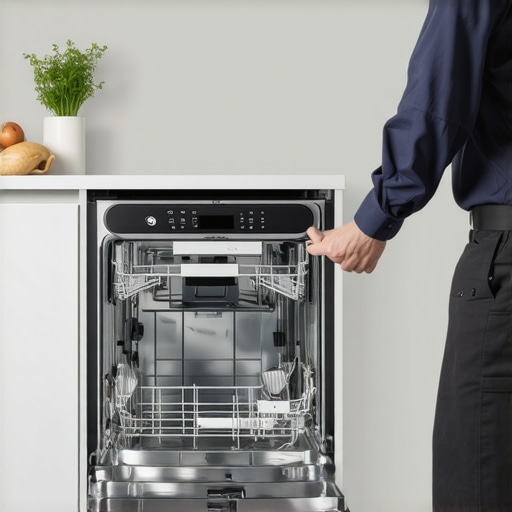
Why Your Dishwasher App History Helps During a Resale Inspection
Have you ever struggled to prove your dishwasher was well-maintained…
The Hidden Reason Your Smart App Can’t Find Your Kitchen Hub
If you've ever stood in your kitchen, desperately trying to…

Why Your New Smart Machine Refuses to Start Without the App
This morning, I finally unboxed my latest smart dishwasher. Excited…