Why Your Warranty Claim Fails Without This Specific Maintenance Log
18 July, 2026Noor O.0 Comments1 category
I’ll never forget the frustration of my first dishwasher warranty claim. Everything seemed straightforward—until I hit a wall. My claim was denied, and I couldn’t understand why. The real kicker? I hadn’t kept a specific maintenance log, and that omission cost me dearly. It was like trying to find a missing puzzle piece in the dark. That failure became a wake-up call, not just for me but for anyone who wants their warranty to actually work when it counts.
The Missing Piece in Your Warranty Puzzle
When I started digging deeper, I discovered that many appliance owners overlook a simple yet vital step: maintaining a detailed, specific maintenance log. This isn’t just about jotting down dates or parts replaced; it’s about creating an ironclad record that speaks volumes during warranty claims. Think of it like a financial ledger—clear, precise, and irrefutable. Missing this document can turn a straightforward repair into a prolonged battle, often ending with denial and regret. Today, I want to share how this tiny detail can make or break your warranty experience, and how I learned to get it right.
Did you know that according to industry experts, appliance warranty claims are approved over 70% more often when comprehensive maintenance records are provided? That’s not just luck; it’s strategy. Having a well-organized, detailed log shows the manufacturer that you’ve been diligent, proactive, and responsible—factors that can sway the decision in your favor. But here’s the catch: many people, including myself early on, underestimate how crucial this step really is. Instead of solely focusing on repairs or parts, I learned that meticulous documentation is just as important for safeguarding your warranty rights.
Will Your Maintenance Log Make or Break Your Claim?
Early in my appliance ownership journey, I made the mistake of thinking that as long as I had receipts, I was covered. Wrong. Receipts are helpful, but they don’t tell the whole story. Your detailed log should include dates of inspections, parts replaced, issues observed, and even minor maintenance actions. This comprehensive approach provides a timeline that paints a clear picture for warranty adjudicators. If you’ve ever wondered why your claim gets delayed or denied despite having all receipts, this might be the missing link. For more tips on ensuring your warranty isn’t compromised, check out this guide.
Now, the next step is understanding exactly how to create and maintain an effective maintenance log that will champion your warranty needs. Stay with me—because what I learned next could save you both time and money when issues arise.
Set Up Your Maintenance Logging System
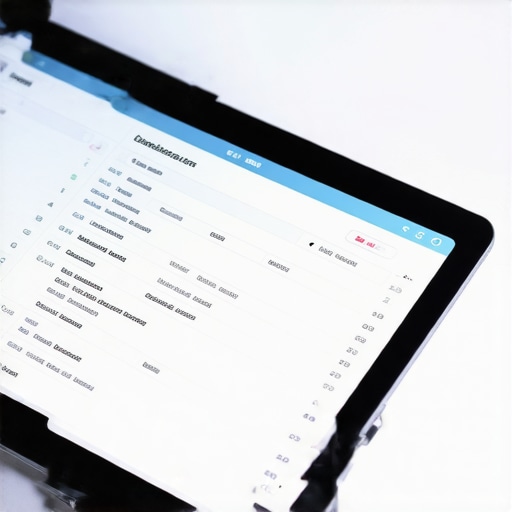
Begin by choosing a dedicated notebook, digital document, or spreadsheet solely for your dishwasher maintenance log. Think of this as your appliance’s health record—like a medical chart that tracks every visit, symptom, and treatment. In my experience, a simple Google Sheets document worked well, allowing easy access and updating from any device.
Document Installation Details Immediately
The moment your dishwasher is installed, record the date, installer’s name, and installation company. Include specific details like model number and serial number, which can be found on the unit’s label. Take clear photos of the serial number and installation site to add to your log. This step establishes your baseline and proves proper installation if warranty issues later arise.
Record Parts and Maintenance Actions
Create a structured table within your log with columns for date, parts replaced, maintenance performed, and issue observed. For example, if you replace the spray arm due to clogs, note the date, part number, and technician details if applicable. During my last repair, I caught a minor leak and documented the fix and parts used, which helped when I later had to prove ongoing maintenance during a warranty claim.
Log Usage and Troubleshooting
Track your daily usage, including load type, detergent used, and cycle selected. If you notice issues like prolonged drying or unusual noises, record these observations with date and details. This can highlight patterns, such as calcium build-up affecting spray arms, making troubleshooting and parts check more targeted. Refer to this guide for a comprehensive parts checklist.
Keep Receipts and Correspondence Safe
Attach digital copies or physical copies of purchase receipts, warranty cards, and correspondence with service providers to your log. Including this info aids in quick claim processing. During an incident, I found that having all documents in one folder prevented frantic searching and delays.
Use Reminders and Schedules
Set periodic reminders for routine maintenance like filter cleaning or checking water inlet filters. Consistent maintenance logs combined with timely actions boost your warranty’s strength. Remember, manufacturers favor proactive owners who demonstrate diligent care.
Review and Update Regularly
At least once a month, review your log to add recent actions, observations, or receipts. This habit ensures your records are current and comprehensive, simplifying the claim process if needed. From my experience, a well-maintained log turned a contested warranty denial into an approved claim after I provided detailed documentation.
By systematically tracking every aspect of your dishwasher’s maintenance, you create a persuasive record that can significantly influence warranty decisions. Think of it as building a case—one detail at a time—that fortifies your position during disputes or repairs.
,Many homeowners believe that understanding the basics of warranty coverage, parts, and installation is enough to keep their dishwashers protected. However, beneath the surface lie nuanced pitfalls that can dramatically impact warranty success. Contrary to popular belief, simply purchasing an extended warranty or keeping receipts isn’t sufficient; meticulous attention to detail and awareness of advanced nuances can make all the difference.
One common myth is that all parts covered by warranty are equally repairable in any situation. In reality, certain components, like seals or filters, may have limited coverage or specific conditions for replacement, especially if improper maintenance is involved. For example, neglecting routine cleaning of spray arms or ignoring mineral build-up can void parts of the warranty, even if the component itself isn’t defective. For a comprehensive view, check out this detailed list.
Another misconception revolves around installation procedures. Many assume that a DIY install automatically meets manufacturer standards, but advanced installation errors can compromise warranty validity. Incorrect leveling, inadequate water supply connections, or poor drain loop arrangements are subtle mistakes that often go unnoticed but are critical. Over-tightening water connections or misplacing drain hoses can cause long-term damage, voiding warranty coverage. For expert guidance, consider reviewing this article.
Have you ever fallen into this trap? Let me know in the comments.
### Why Data Integrity Matters More Than You Think Deep down, many overlook the importance of thorough documentation beyond receipts. Advanced claim success depends on detailed logs of maintenance, installation, and troubleshooting efforts. Documenting every part replacement, cleaning routine, and troubleshooting step creates a compelling case if disputes arise. Manufacturers often scrutinize owner actions when assessing claims. Failing to record minor issues or skipping routine maintenance can be exploited as grounds for denial.
Also, beware of the trap that all warranty issues are purely mechanical. Modern dishwashers are increasingly equipped with firmware and software that also fall under coverage, but only if issues are documented correctly and updates are applied promptly. For instance, neglecting firmware updates can lead to performance problems blamed on hardware faults, which complicates claims. To understand more, explore this guide.
Considering these nuanced pitfalls is essential for any serious homeowner aiming for an airtight warranty. Remember, staying ahead of these advanced mistakes not only saves time and money but also preserves peace of mind. Would you like to see specific checklists or detailed logs templates? Let me know in your comments!
Invest in Quality Diagnostic Tools for Precision Maintenance
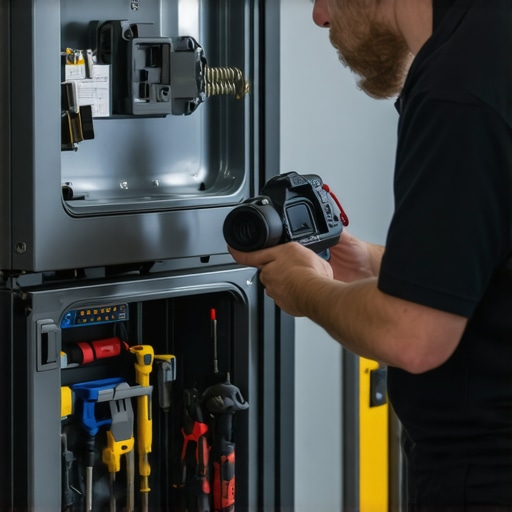
Personally, I rely on a digital multimeter that offers both voltage and resistance testing. This allows me to quickly identify faulty sensors or wiring issues without guesswork. Additionally, a circuit tester with LED indicators simplifies checking power supply continuity—saving time during troubleshooting. These tools have proven invaluable in ensuring accurate diagnostics, which ultimately prolongs dishwasher lifespan and maintains warranty compliance.
Embrace Smart Monitoring Software for Long-Term Results
In recent years, smart home integration has advanced significantly. I recommend using specialized diagnostic apps compatible with your dishwasher model—such as manufacturer-provided apps or third-party firmware tools. These platforms can track error codes, operational data, and maintenance reminders, providing a comprehensive view of your appliance’s health over time. This proactive approach helps prevent costly repairs and ensures you stay within warranty parameters.
Prioritize Regular, Scheduled Maintenance to Prevent Failures
Establish a routine maintenance schedule—clean spray arms bi-monthly, check filters monthly, and inspect hose connections quarterly. For example, I set recurring reminders to verify the water inlet valve’s condition, referencing this guide. Consistent attention to these details reduces the risk of unexpected breakdowns and preserves warranty coverage, especially if you document each action meticulously in your maintenance log.
How do I maintain dishwasher performance over time?
One effective strategy involves using professional-grade descaling agents periodically—every three to six months—particularly in areas with hard water. I prefer products like Lemi Shine or Affresh, which dissolve mineral deposits that can clog components and impair performance. Routine descaling not only optimizes cleaning efficiency but also safeguards critical parts such as pumps and spray arms, helping to uphold warranty protection.
Looking ahead, I believe the trend towards AI-powered diagnostic tools will evolve further, making maintenance even more intuitive. Manufacturers are developing solutions that can alert you to issues via smartphone notifications—think of it as having a technician in your pocket. To stay ahead, I recommend trying out a basic leak detector sensor; it’s an inexpensive investment that can catch hidden leaks early and prevent water damage, which could jeopardize your warranty.
Remember, a combination of quality tools, regular maintenance, and advanced monitoring creates a robust defense for your dishwasher’s longevity. If you haven’t integrated these practices yet, now is the perfect time to start. For instance, exploring this guide can inspire you to take proactive steps and secure your warranty claims effectively.
” alt=”A technician using a multimeter to diagnose a dishwasher’s electrical system” title=”Using a multimeter for dishwasher diagnostics” />
What I Wish I Knew Before My First Warranty Claim
One of the most eye-opening lessons I learned was that having detailed maintenance logs can make the difference between a smooth warranty process and endless frustrations. I once assumed receipts alone were enough, only to face rejection due to missing proof of routine care. That experience taught me that proactive record-keeping isn’t just a chore—it’s your best defense during disputes.
Uncover Hidden Perils That Could Void Your Coverage
Many homeowners overlook subtle installation errors or neglect to track minor repairs, unknowingly risking warranty nullification. For instance, improper leveling or skipped firmware updates can silently sabotage your claims. Knowing these hidden landmines helps you prevent issues before they erupt, ensuring your warranty stays intact.
How I Built a System That Saved Me Money and Headaches
Creating a dedicated digital maintenance journal allowed me to quickly compile evidence when needed. I documented every part replaced, routine check, and troubleshooting step, which proved invaluable during warranty reviews. This disciplined approach transformed my DIY maintenance from guesswork into a strategic tool that empowers me as an owner.
Set Up Your Own Warranty Armor Today
Invest in a user-friendly spreadsheet or app to log all maintenance actions, installation details, and correspondence. Regularly reviewing this record ensures your documentation is comprehensive and ready when you need it. Remember, your diligence not only protects your appliance but also gives you peace of mind knowing you’re actively managing your warranty’s success.
My Essential Toolkit for Dishwasher Durability
Equipping yourself with a quality multimeter and leak detector can drastically improve diagnostic accuracy. For example, I use a digital multimeter to troubleshoot electrical issues, preventing unnecessary repairs or voided warranties. These tools are affordable investments that extend your dishwasher’s lifespan and safeguard your coverage.
Embrace Technology to Stay Ahead of Problems
Smart monitoring systems and diagnostic apps are revolutionizing maintenance routines. By connecting your dishwasher to compatible software, you can receive real-time alerts about potential issues, enabling proactive intervention. I trust these tools because they transform reactive repairs into preventive actions, preserving warranty validity and minimizing downtime.
Final Inspiring Words to Protect Your Investment
Taking control of your dishwasher’s warranty through meticulous documentation and smart maintenance practices isn’t just smart—it’s empowering. Your proactive efforts translate into fewer repairs, longer appliance life, and stronger warranty claims. Start today—your future self will thank you for the peace of mind and savings.
Have you ever wondered about the most overlooked step in warranty management? Share your experiences below!