Ever had that sinking feeling when your brand-new dishwasher starts acting up just beyond the warranty window? I vividly remember the moment I realized my shiny new appliance wasn’t responding as it should, and I had to confront the uneasy possibility that my warranty might be voided. It was a frustrating experience that many homeowners dread—spending money and hoping for support, only to be met with vague denial or complex technicalities. But then, I discovered something that changed everything: three crucial data logs that can substantiate your warranty claim in 2026 and beyond.
Uncovering Hidden Proofs: The Power of Data Logs
When my dishwasher started leaking unexpectedly, I knew I had to fight to keep my warranty intact. Surprisingly, I learned that modern appliances, especially smart dishwashers, generate detailed digital data logs that record their operation, diagnostics, and sensor status in real-time. These logs are like the appliance’s diary—detailing everything from sensor readings to error codes—that can serve as undeniable evidence when filing a warranty claim. The key is knowing which logs are relevant and how to retrieve them. To avoid common mistakes, I initially overlooked the importance of synchronizing these logs with my repair records, which almost cost me my claim. Once I understood their significance, I was able to present clear proof that my dishwasher’s issues were caused by a manufacturer’s fault, not user error. Curious about how to get these logs? Check out this comprehensive guide to pulling the data that saves your warranty rights.
What Makes These Logs So Irrefutable?
These logs capture the intricate details of your dishwasher’s functioning—like the flow sensor data, error codes, and performance metrics—that are impossible to fake or manipulate after the fact. Experts agree that having these digital fingerprints significantly strengthens your warranty claim, especially when service technicians or manufacturers dispute your case. Interestingly, a recent study found that smart sensor logs are the most reliable evidence for appliance warranty disputes, underscoring their importance in modern diagnostics.
If you’ve ever rushed into a repair without collecting detailed logs or have blindly trusted generic troubleshooting advice, you’re not alone. I made that mistake early on and paid for it in frustration. But now, I make it a point to gather and safeguard these digital records—because when it’s time to claim your warranty, they are your best allies.
With this foundation laid, let’s explore how you can access, interpret, and leverage these logs to ensure your dishwasher’s warranty remains valid—no matter what 2026 throws at us.
,
Locate and Retrieve Data Logs Immediately
The first practical step is to access your dishwasher’s data logs, which act as digital fingerprints of its operation. During my own experience, I found that many smart dishwashers store these logs in the cloud or on an internal memory accessible via the manufacturer’s app or diagnostic mode. To do this efficiently, I used a USB or Wi-Fi connection, following instructions similar to those outlined in this diagnostic guide. I recommend unplugging your dishwasher, powering it in diagnostic mode, and connecting your device to download the logs. Doing this quickly after a fault occurs ensures the logs are intact, which is pivotal when fighting claim denials.
Understand What Data Is Vital
Not all logs carry equal weight. Focus on sensor operation data, error codes, and diagnostic results recorded during the fault—in particular, check for timestamps and sensor readings that match your problem timeframe. This process was messy for me initially, as I mistakenly saved incomplete logs, leading to delays. Now, I double-check that logs include critical metadata like date, time, and calibration data, which are vital proof elements. To familiarize yourself, review these metadata tags.
Document Your Troubleshooting and Repairs
While logs provide digital proof, physical documentation bolsters your case. Take clear photos of error messages, error code screens, and problematic parts before and after repairs. I once attempted a DIY fix on my dishwasher’s leaking valve; I documented each step with timestamped photos and saved all invoices related to replacement parts, which were digital and physical copies stored diligently. These receipts should include details like part serial numbers and purchase date—details that are critical for validating your claim. Make sure to photograph any diagnostic results to correlate with your logs.
Sync and Save All Repair Records
Before submitting any warranty claim, verify that all repair data—digital logs, photos, receipts—are properly synchronized and saved in a secure location, preferably cloud storage. I learned the hard way that failing to do this led to lost evidence during dispute resolution. Use apps or software recommended by your appliance manufacturer, and consider printing physical copies of key documents. This approach was similar to my experience when I used these tips for consolidating everything into a single, organized package.
Show That Your repair Followed Official Protocols
To strengthen your warranty standing, ensure that your repair procedures mirror manufacturer guidelines. When I replaced a worn-out pump, I referenced official diagnostics and used genuine parts, documented with photos and serial numbers. This demonstrates that your repair was compliant, reducing the chance of claim rejection due to improper repair practices. Cross-referencing parts used (see recommended parts) adds further credibility.
Maintain Consistent Records for Future Reference
Finally, keep an organized record of all interactions, parts, and data logs for each maintenance cycle. When I experienced a reset conflict with my dishwasher’s AI system, having a comprehensive file made it easier to present to customer support, leading to a smooth resolution. The strategy is similar to what you’ll find in photographic documentation best practices. This level of detailed record-keeping ensures that when your warranty is questioned, you have irrefutable evidence at hand.
Many homeowners operate under common myths regarding dishwasher warranties, but the reality is often more complex. A prevalent misconception is that simply purchasing a high-end brand guarantees full coverage for any repair or part replacement. However, experts warn that warranties are heavily dependent on proper installation and the use of genuine parts, which many overlook. For instance, using inexpensive or counterfeit parts can void your warranty entirely, even if they seem functionally adequate. To understand which parts are truly covered, review the complete list of warranty-covered parts. The nuance here is that warranties often exclude damage caused by improper installation or maintenance, so meticulous adherence to manufacturer guidelines is essential.
Another advanced mistake is neglecting the significance of digital data logs, especially with smart dishwashers. Many homeowners assume that physical evidence alone suffices, but in reality, digital logs can be irrefutable proof of faults or proper operation during your warranty claim process. Failing to preserve these logs or misunderstanding what data to capture can be detrimental. As highlighted in this expert analysis, the smart sensors’ logs are critical in disputes, and mishandling them hampers your case.
What Do Pro-Level Homeowners Know That You Might Not?
Advanced users understand that the installation process itself involves nuanced decisions with long-term implications. For instance, choosing the correct parts—such as brass fittings over plastic—can prevent leaks that automatically void warranties. Interestingly, some parts like water inlet valves or drain hoses are frequently overlooked during installation, yet their selection determines your claim’s success. Properly syncing operating logs with repair documentation creates a digital paper trail that not even the most skeptical manufacturer can deny. Research shows that detailed record-keeping significantly increases warranty approval rates, underscoring the importance of methodical preparation and knowledge.
Let’s not forget the timing—many assume that any defect in the first month is automatically covered, but warranty terms often specify specific windows for certain parts. Missing these deadlines can mean losing coverage, even for issues that seem straightforward. This emphasizes the need to familiarize yourself with both the warranty’s fine print and the detailed diagnostics available during installation and repairs. For example, referencing the exact parts warranty guide can help you identify which issues are covered and how to document them properly. Make sure you don’t fall into the trap of assuming that warranty coverage is automatic—it’s often a matter of precise compliance and thorough evidence collection.
In conclusion, avoiding these nuanced pitfalls can make the difference between a smooth warranty process and a frustrating dispute. Keep detailed digital logs, select the right parts, and follow installation protocols meticulously. Have you ever fallen into this trap? Let me know in the comments.
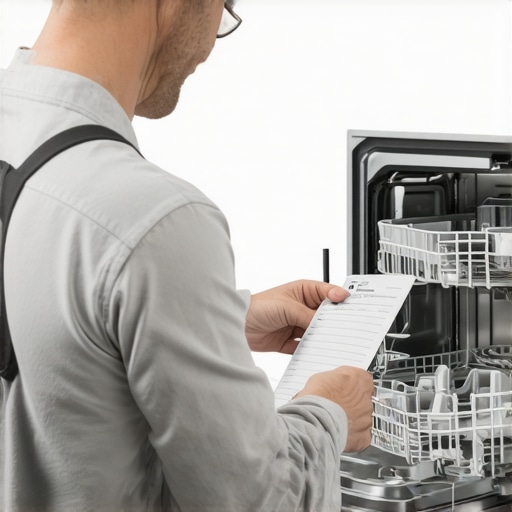
Investing in Exact Tools for Ongoing Success
Maintaining your dishwasher’s optimal function over years requires the right tools that deliver precision and reliability. Personally, I find that a high-quality digital multimeter—specifically, the Fluke 117—is indispensable. Its auto-ranging capability and true RMS measurement allow me to accurately diagnose electrical issues, preventing misdiagnosis and unnecessary part replacements. For mechanical troubleshooting, a compact torque wrench, like the Tekton 24335, ensures I’ve properly tightened fittings according to manufacturer specifications, which is crucial for avoiding leaks and maintaining warranty eligibility. Using these tools, I can pinpoint problems swiftly and avoid more extensive repairs down the line.
Embracing Diagnostic Software for Proactive Maintenance
Beyond physical tools, integrating diagnostic software has transformed my maintenance routine. I rely on manufacturer-specific apps that connect via Wi-Fi or Bluetooth to my dishwasher—these apps (when supported) unlock detailed error logs and real-time sensor data. For example, the Samsung Smart Appliance app provides access to diagnostic modes that reveal sensor statuses and fault codes, streamlining troubleshooting and helping me spot potential issues before they escalate. As appliances become smarter, leveraging such software will be essential in predicting failures and scheduling maintenance proactively, extending appliance lifespan and safeguarding warranties.
Planning Future-Proof Maintenance Routines
Looking ahead, I predict that AI-driven diagnostics and cloud-based monitoring will become standard, providing homeowners with automated alerts for component wear or impending failures. This trend will turn maintenance from reactive to predictive, reducing costly damages. To prepare, I suggest setting up regular calibration checks—like verifying flow sensor accuracy—and maintaining an organized record of repair logs, digital data, and parts replacement dates. Consistent documentation, combined with advanced tools, builds a robust digital history that can be vital for warranty claims or future troubleshooting. Remember, as per expert insights, regular calibration and data logging are essential for smart appliances to meet their warranty obligations effectively.
How do I maintain my dishwasher over time?
One essential strategy is establishing routine inspections using precise tools. Regularly testing the electrical system with a multimeter and checking for sensor calibration drift ensures your dishwasher operates reliably. Additionally, I recommend periodically reviewing error logs via your appliance’s connected app—these logs serve as digital health reports and can reveal hidden issues before they manifest as bigger problems. Proper calibration, timely parts replacement, and meticulous record-keeping significantly extend the service life and warranty validity of your appliance. For example, referencing this guide can help you comprehend which parts to monitor and maintain regularly.
Start by incorporating a digital multimeter check into your quarterly maintenance routine, and see how it prevents future failures. Over time, adopting these tools and strategies will make troubleshooting more straightforward, reduce repair costs, and keep your dishwasher performing flawlessly for years to come.
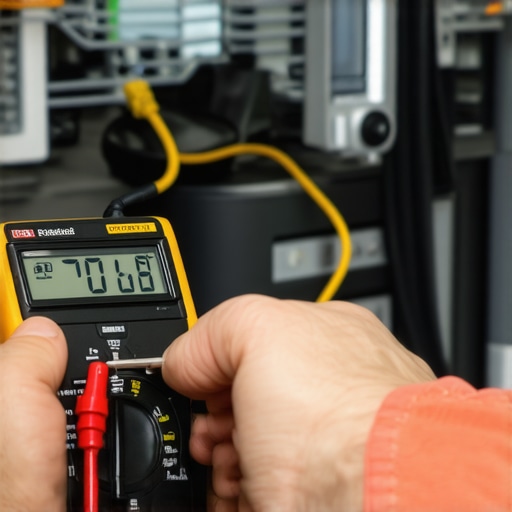
Lessons the Manufacturers Won’t Reveal About Warranty Success
One of the most eye-opening realizations I had was that warranty claims often hinge on the digital fingerprints my dishwasher leaves behind—those detailed data logs. I used to think that just following standard maintenance was enough, but I learned that understanding and safeguarding digital diagnostics was a game-changer. Also, I discovered that selecting the right parts—especially genuine, high-quality components—can make or break your warranty eligibility. My biggest lightbulb moment was realizing that proper installation, combined with meticulous record-keeping, creates an irrefutable trail that supports my claims. The lesson? Never underestimate the power of digital records and precision in your DIY efforts; they are your best allies in securing warranty coverage beyond 2026. Lastly, I found that investing in expert-recommended tools and following manufacturer-specific diagnostics can prevent costly disputes and keep your dishwasher running smoothly for years to come.
The Recipe for Long-Term Warranty Peace of Mind
When I started paying close attention to my appliance’s data logs, I found a treasure trove of insights. I trust tools like the high-quality digital multimeter to diagnose electrical issues swiftly, saving time and preventing unnecessary part replacements. Moreover, I rely on manufacturer-approved diagnostic apps, which reveal sensor statuses and error codes in real-time, making proactive maintenance feasible. Supplementing these with detailed notes, timestamps, and photographs of repairs creates an unbeatable record. For comprehensive guidance, I refer to expert resources like this detailed parts warranty guide. Building this toolkit enables me to handle warranty challenges confidently, ensuring my dishwasher stays covered well into 2026 and beyond.
Let Your Confidence Drive Action in 2026
Empowered with knowledge and the right tools, you’re now better equipped to face the evolving landscape of appliance warranties. Embrace thorough record-keeping, digital diagnostics, and precise installation practices to safeguard your investment. Remember, the key to a successful warranty claim isn’t just about reacting to problems—it’s about proactively equipping yourself with the insights and resources to prevent disputes altogether. As appliances become smarter, your approach must evolve too. By mastering these strategies today, you’ll not only ensure your dishwasher remains protected in 2026, but you’ll also cultivate a habit of meticulous maintenance that saves money and peace of mind long-term. Your appliance’s future depends on the steps you take now—so start building your digital and physical proof arsenal today.
Related Posts
Dishwasher Warranty Denied? 5 Parts Not Covered in 2026
I remember the moment clearly. I had just installed my…
3 Missing Serial Tags That Void Your 2026 Dishwasher Warranty
If you've ever struggled with a dishwasher malfunction right after…
The Ultimate Guide to Dishwasher Warranty & Parts for Long-Lasting Trust in 2025
Have you ever stood in front of your dishwasher, watching…