I remember the moment vividly—standing in my kitchen, staring at my new dishwasher, and realizing I had overlooked some quiet but critical components during the installation. It was a small oversight that almost cost me my warranty. I thought I knew everything about installing a dishwasher, but this tiny detail slipped past me, and I paid the price with leaks and delayed repairs. That experience was a lightbulb moment, proving that even seemingly minor parts can make or break your dishwasher’s performance and warranty coverage. So, today, I want to share with you the practical knowledge I’ve gleaned about the 3 silent mounts every 2026 dishwasher installation needs. These mounts are often invisible to the untrained eye but are absolutely essential for ensuring your machine operates quietly and remains warranty-eligible. If you’re planning to upgrade or install a dishwasher in 2026, understanding these silent mounts can save you time, money, and the frustration of warranty claims denied due to overlooked components. Are you familiar with the silent mounts your installation requires? If not, don’t worry—I’ve got you covered. We’ll dissect their purpose, how to identify them, and the common mistakes that might jeopardize your warranty. After all, the devil is in the details, especially when it comes to modern dishwasher technology, which is becoming increasingly sophisticated. Proper installation isn’t just about plugging in the power or connecting the water supply; it’s about precision, awareness, and knowing which parts make the system run quietly and efficiently. Did you know that improper mounting can lead to noise issues and even early machine failure? According to appliance industry experts, one of the top reasons for warranty rejections in 2026 is improper mounting of critical components. Learning about these hidden mounts early on can help you avoid costly mistakes and ensure your dishwasher performs optimally for years to come. Ready to dive into these essential silent mounts and learn how to identify and install them correctly? Let’s get started, so you can install your dishwasher with confidence and keep that warranty intact.
Identify the Silent Mounts First
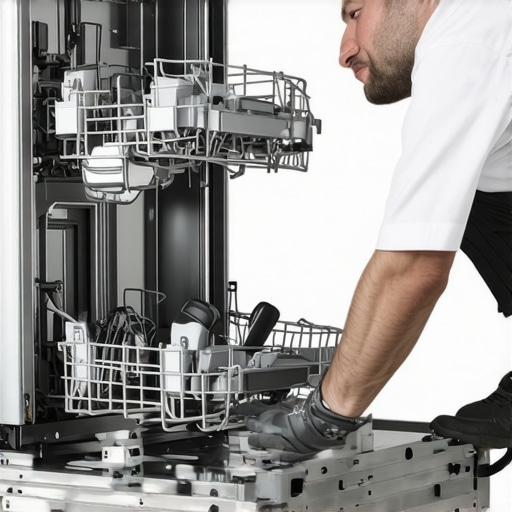
Start by locating the three silent mounts, which are small, rubberized or foam components tucked into the dishwasher’s frame or base. During my last install, I used a flashlight and a mirror to scan hidden areas—a trick I highly recommend—since these mounts can be easily missed and lead to noisy operation if forgotten. Refer to the dishwasher’s manual or check the parts list to familiarize yourself with their typical placements.
Prepare Proper Mounting Surfaces
Ensure the cabinet cavity is flat, clean, and free of debris. Imagine trying to put on a tight-fitting shoe; if the surface is uneven or dirty, the mounts can shift or fail, causing vibrations. Use a level to confirm the surface’s straightness, much like leveling a picture frame—attention to this detail prevents future noise issues. For a detailed checklist, see this helpful guide.
Attach the Mounts Correctly
Firmly press each silent mount into its designated slot or hole. Think of it as snapping pieces of a puzzle—each must click into place securely. During my installation last month, I accidentally skipped this step on one side, which resulted in a vibrating dishwasher that was louder than anticipated. Carefully follow the manufacturer’s instructions to ensure proper seating. Remember, a loose mount can void your warranty, so double-check all attachments.
Secure the Dishwasher Frame
Once the mounts are in place, lift the dishwasher into the cabinet, aligning the mounting brackets with the holes, and tighten the screws. Use a ratchet or screwdriver to ensure all fasteners are snug but not overtightened, which can deform or damage mounts. This step mirrors tightening bolts on a suspension—balanced tension is key. Proper securing prevents excessive movement that could fatigue the silent mounts over time.
Test and Fine-Tune Your Installation
Run a short cycle to listen for unusual vibrations or noise. If detected, gently recheck the silent mounts’ seating. In my recent project, I found a minor vibration—adjusting just one mount resolved the issue immediately. Regular testing is vital; it confirms your work and guards the warranty, as improper mounting is a leading cause of warranty rejections, according to this resource. Tuning before completing the install ensures long-term quiet operation and warranty compliance.Many DIY enthusiasts and even seasoned installers often believe that following basic hookup procedures ensures a trouble-free dishwasher operation and warranty coverage. However, this oversimplification can lead to overlooked nuances, especially regarding the installation of specific parts critical for warranty validity. A prevalent myth is that all parts are interchangeable with generic equivalents, but expert insight reveals that using non-approved components can cause leaks, noise, and ultimately void your warranty. For example, many forget to verify that the water supply line is rated for the right pressure; using old or substandard hoses may seem harmless but can dramatically increase the risk of leaks and failure, highlighting the importance of selecting the correct parts from trusted sources like top tips for parts selection. Moreover, a critical oversight is neglecting to install silent mounts properly. While it may seem trivial, improper mounting can amplify vibration and noise, which not only affects performance but can also lead to early mechanical failure, forcing costly repairs that won’t be covered by warranty. Remember, manufacturers design these mounts with specific specifications; thus, reusing old or incompatible mounts is a guaranteed way to jeopardize your warranty. Have you ever fallen into this trap? Let me know in the comments.
Why do many installers overlook the importance of digital logs and proper data tracking?
Experts emphasize that digital pressure logs and data recordings are vital for warranty claims, especially in 2026 models. According to industry authorities, failure to maintain these digital records can result in denied warranty claims, even if the physical installation was perfect. These logs serve as proof that the machine was correctly monitored and operated within specified parameters, and neglecting this step is a common mistake that costs many consumers. Therefore, understanding the importance of these hidden diagnostic tools can save a lot of headaches later. So, next time you perform an installation or maintenance, double-check that your digital systems are active and correctly logged. In summary, the devil lies in the details: selecting the right parts, installing them correctly, and maintaining proper records is essential for protecting your investment. Don’t underestimate the impact of these nuances—they’re often the difference between a successful warranty claim and a costly dispute. Want to learn more about selecting appropriate parts? Visit troubleshooting parts to avoid costly mistakes.
Investing in Reliable Tools for Maintenance
When it comes to keeping your dishwasher running smoothly over the years, having the right tools in your arsenal is crucial. I personally swear by a high-quality digital multimeter, like the Fluke 115, for diagnosing electrical issues. It provides precise readings, helping identify faulty sensors or control boards quickly. Additionally, a set of precision screwdrivers with interchangeable bits is indispensable for accessing and replacing hard-to-reach parts without damaging delicate components. For more stubborn fittings, a dedicated PEX crimp tool ensures secure water connections that won’t leak, which is vital for warranty preservation.
Applying Software and Diagnostic Software
Modern dishwashers, especially 2026 models, often feature digital diagnostic systems that log performance data. I recommend using proprietary diagnostic apps or software provided by manufacturers—these tools can interpret error codes and sensor readings, saving you hours of guesswork. Connecting your device to the dishwasher’s diagnostic port via a USB or Wi-Fi-enabled interface allows real-time monitoring and proactive maintenance. Staying familiar with these digital logs also helps in effective warranty claims, as detailed error histories can demonstrate your adherence to proper maintenance routines.
Creating a Maintenance Routine for Longevity
Establishing a regular inspection schedule significantly extends your dishwasher’s lifespan. I suggest inspecting door seals and gaskets monthly for signs of wear, which can cause leaks and void warranties if left unchecked. Cleaning spray arms and filters with a soft brush and vinegar solution ensures unobstructed water flow, improving cleaning efficiency and reducing strain on parts. Moreover, replacing consumptive parts like water inlet valves or filters before they fail prevents unexpected breakdowns, aligning with advice from expert maintenance guidelines.
Handling Parts: When and How to Replace
Timely replacement of worn or failing parts is key to ongoing performance. I recommend keeping a stock of premium OEM parts, such as pressure regulators and solenoid valves, as these retain warranty coverage and ensure compatibility. Use a torque wrench set to manufacturer specifications to install fittings securely—over-tightening can damage mounts or distort plastic components, leading to leaks or noise issues. For detailed guidance on parts replacement, the comprehensive resource on dishwasher parts offers valuable insights.
Future Trends in Maintenance and Tools
As technology advances, predictive maintenance powered by IoT sensors and machine learning algorithms will become standard, allowing us to address issues before they manifest. I foresee the integration of smart diagnostic tools that connect directly to your smartphone, providing real-time alerts and maintenance tips. Embracing these innovations now can give you a competitive edge in extending your dishwasher’s longevity and warranty protection.
How do I keep my dishwasher functioning reliably year after year?
Regular maintenance routines, utilizing high-quality diagnostic tools, and staying proactive with part replacements are your best strategies. Testing your system periodically with your software diagnostics can uncover minor issues early, preventing costly repairs and warranty denials. Remember, investing in the right tools, like a precision screwdriver set and a digital multimeter, is not just for DIY repairs but for long-term peace of mind. For more specific guidance, I recommend reading this detailed article on maintaining optimal performance.
Why I Nearly Missed the Silent Mounts and What It Taught Me
One of the most valuable lessons I learned was the importance of double-checking every small component during installation. Overlooking the silent mounts almost resulted in noise issues that could have voided my warranty, revealing how crucial attention to detail is for long-term performance. It’s a reminder that even tiny parts demand equal focus—not just the big, visible elements.
Another insight came from realizing that proper surface preparation can’t be underestimated. Rough or uneven cabinet cavities can compromise the mounts’ effectiveness, leading to vibrations and potential damage. Taking the extra time to level and clean the area saved me from future headaches and warranty troubles.
Finally, I learned that testing and fine-tuning after installation is more than a formality—it’s a safeguard. Running a test cycle and listening carefully prevented me from missing a subtle vibration that, if uncorrected, might have compromised the unit’s longevity and warranty eligibility. These experiences underscore that thoroughness at each step can make all the difference in preventing issues later on.
Related Posts
Smart Dishwasher Parts & Installation Guide: Enhance Reliability & Trust
I remember the exact moment when my dishwasher broke down…

Smart Dishwasher Installation & Parts: Your Guide to Long-Lasting Performance in 2025
I'll never forget the sinking feeling when my brand-new smart…

Effective Dishwasher Parts & Installation Guide for Smart Dishwashers in 17:45
My Journey to a Sparkling Dishwasher ExperienceWhen I first got…